Jingmai Pu-erh Tea Wholesale: A Sourcing Playbook for Importers
Jingmai Mountain sits in Lancang Lahu Autonomous County, Pu'er City, Yunnan, and it produces a style of Pu-erh that is easier to identify by aroma than by broad category. Where many Yunnan raw Pu-erh teas trade on strength or bitterness, Jingmai material is commonly described as floral, honeyed, and softer-edged, with an orchid-like top note that survives careful storage. For wholesale buyers, that means Jingmai can be a distinctive portfolio item rather than a generic "Yunnan raw" substitute. It also means the origin claim carries real commercial value, and substitution risk deserves the same scrutiny as price.

Why Jingmai Pu-erh Deserves Its Own Wholesale Criteria
Jingmai is not a single tea factory or brand. It is a defined mountain area whose old tea forests were inscribed on UNESCO's World Heritage List in 2023 as the Cultural Landscape of Old Tea Forests of the Jingmai Mountain in Pu'er [1]. That listing helps importers in one practical way: Jingmai now has a recognized geographic identity, so responsible sourcing should include more than a vendor's label claim.
From a buying perspective, Jingmai sits in a useful middle zone. Its raw material is generally less aggressive than Bulang or Banzhang styles, and its floral-honey profile fits both drinkers moving up from entry-level Yunnan tea and retailers who want a clear regional story. The risk is that these same qualities make generic Yunnan material easy to pass off as Jingmai if the buyer does not verify provenance.
A reliable Jingmai wholesale program therefore needs three things: a documented origin trail, a realistic grade description, and a supplier who can separate old-tree claims from plantation reality. Price should follow those criteria, not replace them.
Origin, Terroir, and Authenticity Signals
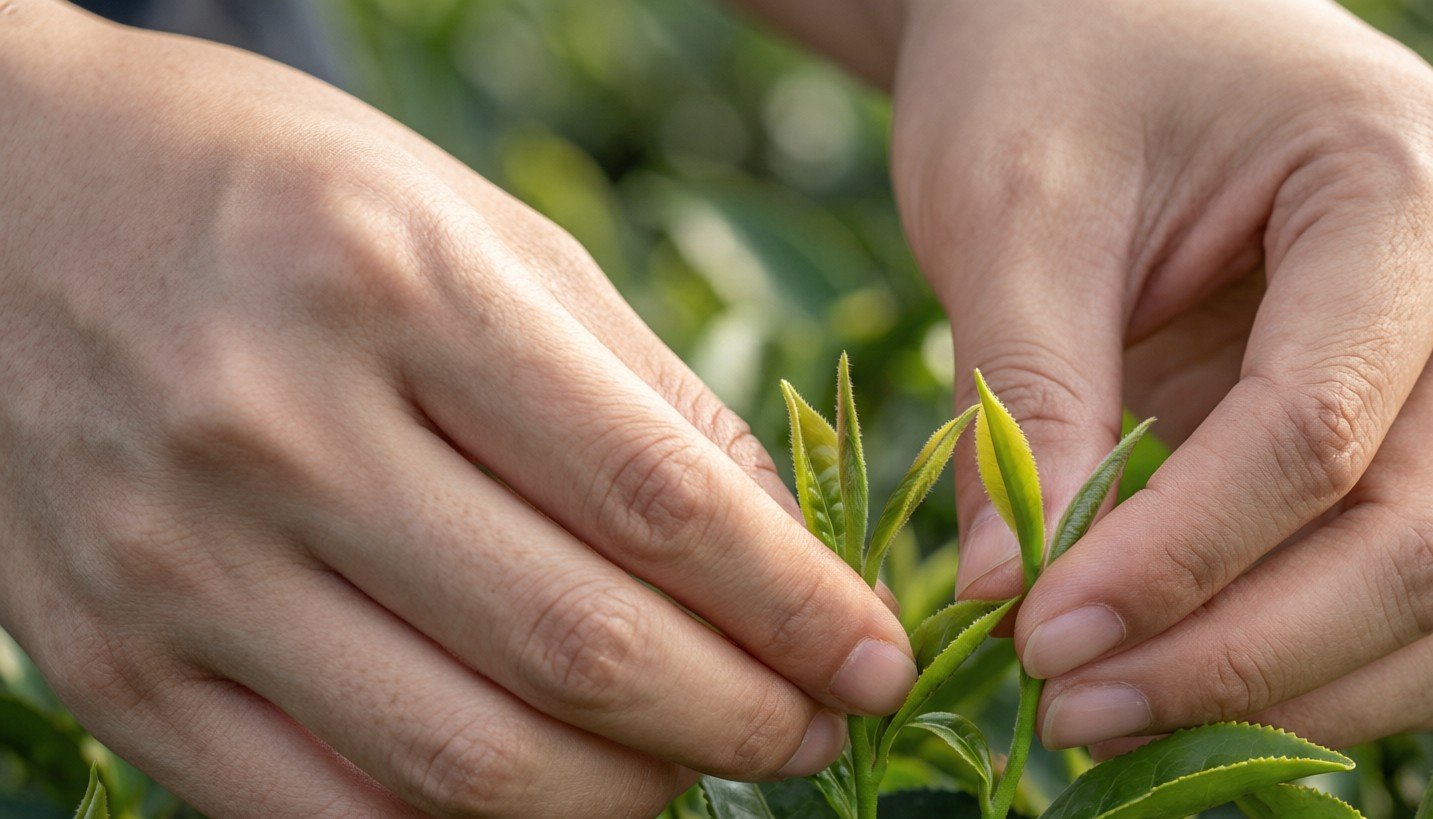
Jingmai's cup profile comes from the mountain's ecology: high elevation, frequent mist, older tea trees growing within a forested landscape, and local Dai and Bulang community tea-growing traditions. The tea gardens are not a single plantation block, which is why village-level and elevation-level claims matter. Buyers should ask which village or production area the material comes from, whether Jingmai Dazhai, Mangjing, or another recognized Jingmai area, and should treat vague "Jingmai style" language as a signal to probe further.
Authenticity signals that belong in a wholesale file include:
- harvest area or village-level claim
- spring or autumn picking period
- whether the material is labeled plantation, old-tree, or ancient-tree
- processing date and pressing date for compressed formats
- batch-level third-party test report
- GB/T 22111-2008 Pu-erh tea basic product standard compliance [2]
None of these documents proves taste by itself, but together they make substitution harder and give you a defensible product story for your customers.
Grades, Seasons, and Packaging Formats
Jingmai wholesale pricing depends mainly on three variables: tree-age category, harvest season, and format. Tree-age categories such as plantation, old-tree, and ancient-tree are widely used but are not uniformly regulated; the same phrase can mean different things at different factories. That is why the grade should always be tied to a physical sample and a written specification, not to a label alone.
Spring material is the usual premium pick for Jingmai raw Pu-erh because the leaf is denser and the floral profile is typically clearer. Autumn material can be noticeably less expensive and is not automatically weak, but the aromatic lift is usually softer. Again, this is a price-tier decision, not a simple rule of spring being the only acceptable option.
Common wholesale formats include loose leaf, 200-gram and 357-gram cakes, and tuo or brick shapes. Loose leaf is easier to inspect quickly, while compressed formats align with long-term storage and traditional aging.
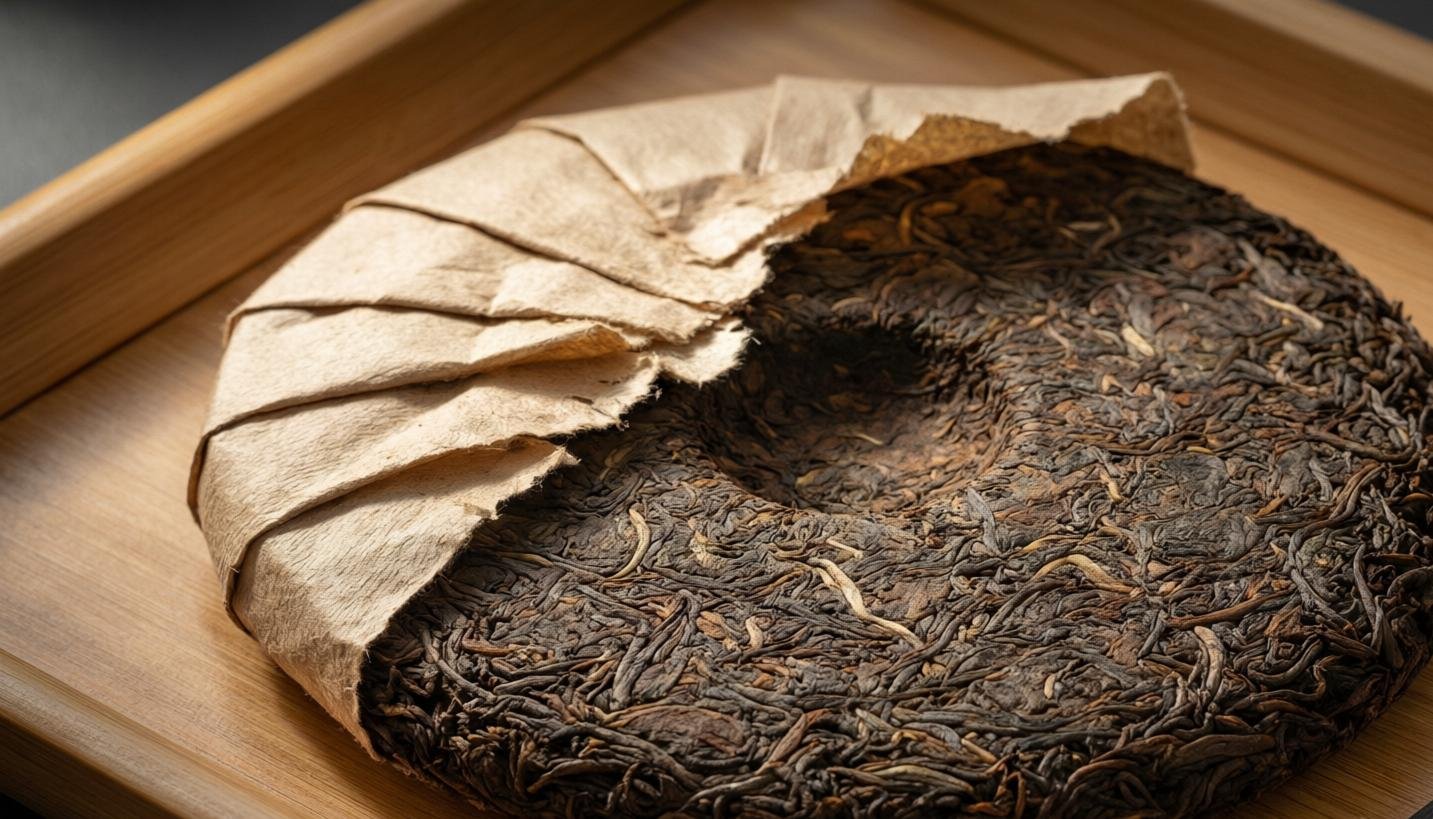
Specify pressing tightness and wrapping before production if you are buying private-label or OEM Jingmai cakes. A badly pressed cake can still contain good leaf, but it is harder to age cleanly and harder for downstream buyers to break apart.
How to Find and Vet Reliable Wholesale Suppliers
Jingmai material is sold through Lancang/Pu'er area factories, first-tier trading companies, and general Yunnan tea wholesalers. Direct factory sourcing works best when your volume and specification are clear. A trading company can add value when you need consolidation, quality sorting, export documentation, or smaller mixed lots.
Wholesale vetting should cover five areas: legal registration, production capability, origin access, lab compliance, and sample performance. Ask for the business license, food production or food operation license, recent export records if you are buying for overseas delivery, and batch-test reports covering pesticide residues and common heavy metals [3]. If the destination market is the United States, confirm the importer's understanding of FDA import requirements and prior notice obligations [4].
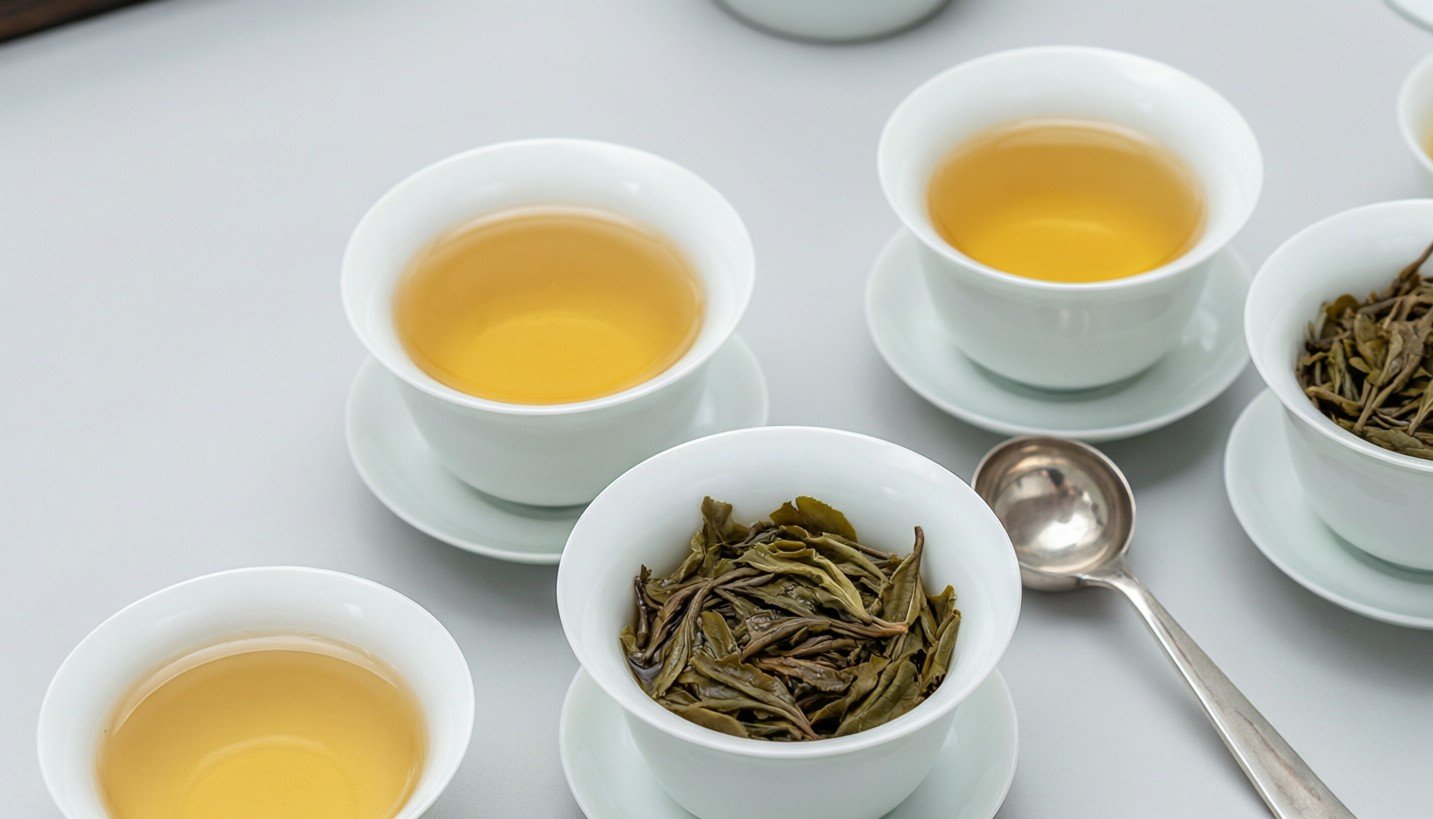
Cupping is where many Jingmai deals are won or lost. Compare the sample against its own specification rather than against an abstract ideal. Look for the expected floral-honey top note, clean bitterness that does not turn harsh, and enough structure to justify the age claim or price tier.
Wholesale shortlist request. If you need to benchmark supplier options, send your target grade, packaging format, annual volume, destination port, and required certifications to
427728483@qq.com. We will respond with a shortlist of factories that can match that specification, sample availability, and typical lead times.
Wholesale Contracts, Compliance, and Landed Cost
A Jingmai wholesale contract should not be a one-line invoice. It should specify the grade, harvest season, production date, weight tolerance, packaging, testing standard, delivery terms, and what happens if the shipped lot fails agreed specifications. Incoterms matter here: FOB, CIF, and EXW allocate cost and risk differently, and the same tea can look very different in landed-cost terms depending on which term you choose.
Pesticide compliance should be written into the contract, not assumed. EU MRLs for tea are among the stricter common benchmarks, and lot-specific test results are more useful than a general claim that the material is "clean" [3]. For the US market, compliance is a combination of document readiness and importer responsibility, so confirm the procedure before the first container [4].
Your landed cost includes product price, freight, insurance, destination duties and taxes, warehousing, and lab testing. If a supplier quote appears unusually low, review what has been omitted from the calculation before treating it as a saving.
Jingmai Pu-erh Wholesale Inquiry Checklist
Before you request quotes, prepare:
- Target grade: plantation, old-tree, or ancient-tree label
- Harvest season: spring or autumn
- Format: loose leaf, 200-gram cake, 357-gram cake, tuo, or brick
- Annual volume and preferred shipment schedule
- Destination country and required pesticide MRLs
- Packaging, labeling, and private-label needs
- Target FOB or CIF price bracket
Send that list with a sample request to 427728483@qq.com. The more specific the brief, the easier it is to match you with available Jingmai lots, current test reports, and realistic ex-factory pricing.
FAQ
What documents should prove Jingmai origin?
Look for a harvest-area or village-level claim, production date, processor information, and a batch-level test report. GB/T 22111-2008 provides a basic Pu-erh product standard, but origin claims still need supporting traceability from the supplier [2].
How is Jingmai different from generic Yunnan raw Pu-erh?
Jingmai is usually softer and more floral-honeyed, with less of the bitter force associated with Bulang or Banzhang material. The difference is both sensory and commercial: Jingmai has a defined origin story, while generic Yunnan raw is often sold on price.
Which season should I order?
Spring material is the usual premium choice because it typically shows a clearer floral profile and denser leaf. Autumn Jingmai can be a practical lower-cost tier. Order both only after comparing samples from the same processor.
How do I verify pesticide compliance?
Request lot-specific third-party lab reports, preferably against the stricter destination market MRLs such as EU limits [3]. Do not rely on verbal assurances, and write the testing requirement into the wholesale contract.
Is older-tree material always better?
Not always. Tree-age categories are useful but not uniformly regulated, and processing defects can hurt even good raw leaf. Judge each sample by cup quality and consistency before paying the old-tree or ancient-tree premium.
How long can Jingmai Pu-erh be stored?
When kept dry, odor-free, and away from direct light, Jingmai compressed tea is intended for gradual aging over years. Loose leaf tends to soften faster and should be tracked by smell and taste more often. Storage conditions matter more than the Jingmai name itself.
References
[1] UNESCO World Heritage Centre, "Cultural Landscape of Old Tea Forests of the Jingmai Mountain in Pu'er," whc.unesco.org. [Online]. Available: https://whc.unesco.org/en/list/1692
[2] Standardization Administration of China, GB/T 22111-2008, "Product of geographical indication—Pu'er tea."
[3] European Commission, "EU Pesticides Database (MRLs for tea)." [Online]. Available: https://ec.europa.eu/food/plant/pesticides/eu-pesticides-database_en
[4] U.S. Food and Drug Administration, "Imported Tea and Tea Products." [Online]. Available: https://www.fda.gov/food
No author description available.

白玉京