Tea Powder vs Whole Leaf: 7 Things Instant Tea Actually Loses
Instant tea powder dissolves in cold water in seconds and lives for years on a shelf. That convenience comes from a process that brews tea, removes most of the water, and often carries the extract on maltodextrin or glucose syrup. What does not survive unchanged is the sensory profile of the original leaf. In practice, the losses show up in seven ways: aroma, cup evolution, mouthfeel, ingredient transparency, freshness cues, brewing control, and serving ritual. This guide compares whole-leaf tea and instant tea across those points, so you can choose the right format for your cup or your sourcing program.
The Real Difference Between Powder and Whole Leaf
Whole-leaf tea is dried, rolled or twisted, and sold as leaves. Instant tea is made by first brewing tea — often broken grades or fannings — then concentrating the extract and drying it into a soluble solid, usually by spray drying. Some instant teas are freeze-dried without carriers; many are not. A typical unsweetened instant tea powder may include maltodextrin or glucose syrup to improve flow, reconstitution, and mouthfeel.
Plain whole-leaf tea, by contrast, is a single ingredient: processed Camellia sinensis. ISO 3720 defines black tea as derived exclusively from the leaves, buds, and tender stems of Camellia sinensis suitable for preparing a beverage [3]. That definition matters because the starting material sets the ceiling for what the finished product can deliver. Powder is not automatically bad; it is simply further removed from the leaf.
Why Instant Tea Loses Aroma First
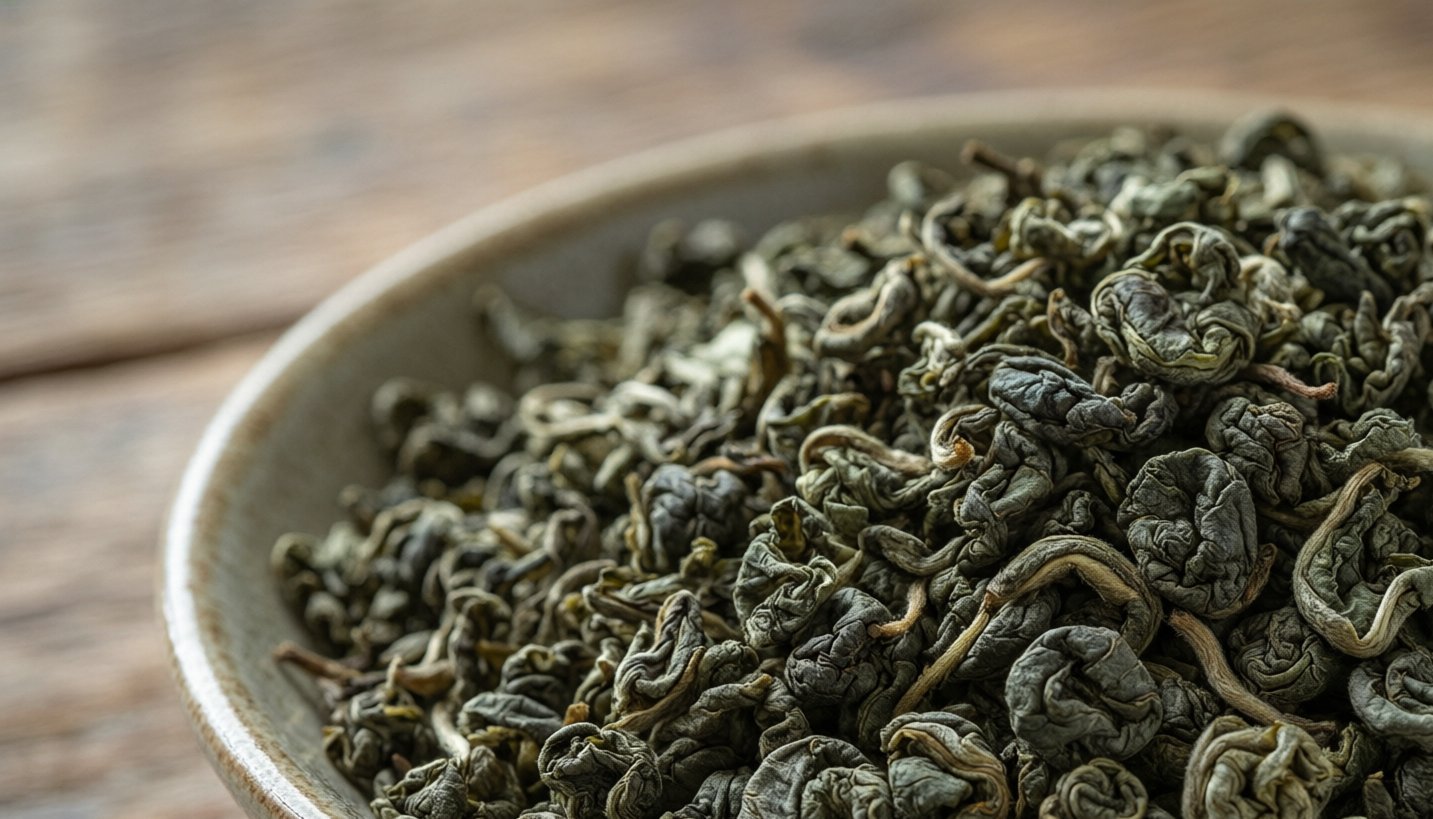
Aroma is the largest casualty of instant tea manufacturing. Tea's characteristic smell comes from volatile compounds such as linalool, geraniol, phenylacetaldehyde, and methyl salicylate [2]. Many of these are heat-sensitive and easily lost during evaporation and spray drying, when the lightest molecules are stripped away with the water vapor. The result is often a tea powder whose brewed liquor smells flat, caramelized, or less distinct from batch to batch.
Whole leaf keeps most of these compounds inside the leaf matrix until hot water releases them. That is why the aroma of dry leaves, the first steep, and the second steep can all be different. In a good whole-leaf tea, the cup evolves. In most instant tea, the aroma arrives at one fixed point and stays there, because the compounds that would have changed with further steeping are already gone.
Taste, Mouthfeel, and Nutrition: What Actually Changes
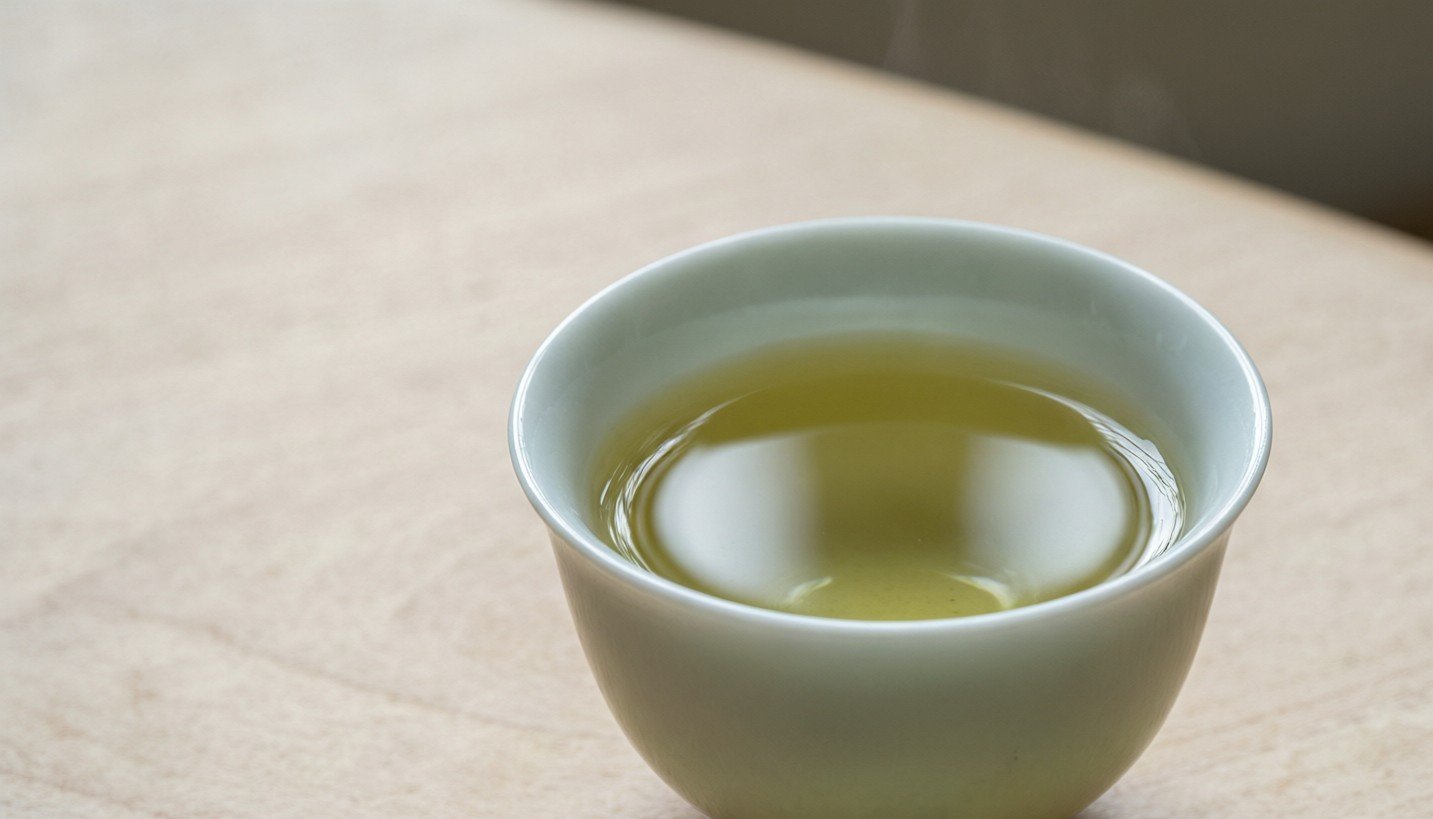
Powder and whole leaf differ in more than aroma. Whole-leaf liquor has astringency from catechins, a light bitterness that balances the finish, and — in shaded or high-theanine teas — an almost broth-like umami. Instant tea is typically manufactured for a consistent, crowd-pleasing cup, so it can taste smoother but also thinner. Carriers such as maltodextrin can add a soft, lightly sweet mouthfeel without adding tea flavor.
Caffeine usually survives processing well, because it is water-extractable and stable. Polyphenol content is more variable. USDA nutrient data for unsweetened instant tea powder and brewed tea use different standard serving sizes, making direct comparison difficult; the larger issue for buyers is that powder products vary widely by tea solids percentage and added ingredients [1]. A whole-leaf lot is easier to evaluate because what you see and smell is closer to what you will actually brew.
| Factor | Whole-leaf tea | Instant tea powder |
|---|---|---|
| Aroma | High volatile retention; evolves over infusions | Lower volatile retention; often flat or caramelized |
| Mouthfeel | Structured, astringent or smooth depending on leaf | Often thin, or soft and thick from added carriers |
| Ingredient label | Single ingredient | May include maltodextrin, glucose syrup, anti-caking agents |
| Best use | Specialty retail, tea service, premium gifting | RTD manufacturing, cold dispensing, travel sachets |
We regularly compare whole-leaf, CTC, and instant bases for importers building RTD, foodservice, or specialty retail lines. Email 427728483@qq.com with your target cup profile, pack size, and shelf-life requirements, and we can help you match the format before you commit to a container.
Convenience vs Quality: What You Keep
The case for powder is real. It dissolves in cold water, doses accurately in high-speed packing, and stores for long periods without the leaf going stale at the same rate. It also removes brewing labor and wet waste. In RTD manufacturing, bakery or confectionery use, and travel sachets, instant tea is often the rational choice.
The trade-off is that you are buying a finished or partially finished tea liquor rather than a raw leaf. You lose the ability to adjust brewing temperature, time, and leaf-to-water ratio to change the final cup. You also lose much of the origin character that separates one lot from another — the floral top notes of Anxi oolong, the mineral backbone of Wuyi rock tea, or the honeyed depth of a well-stored Dianhong.
How to Choose the Right Tea Format
Match the format to the use case, not to a blanket idea of quality.
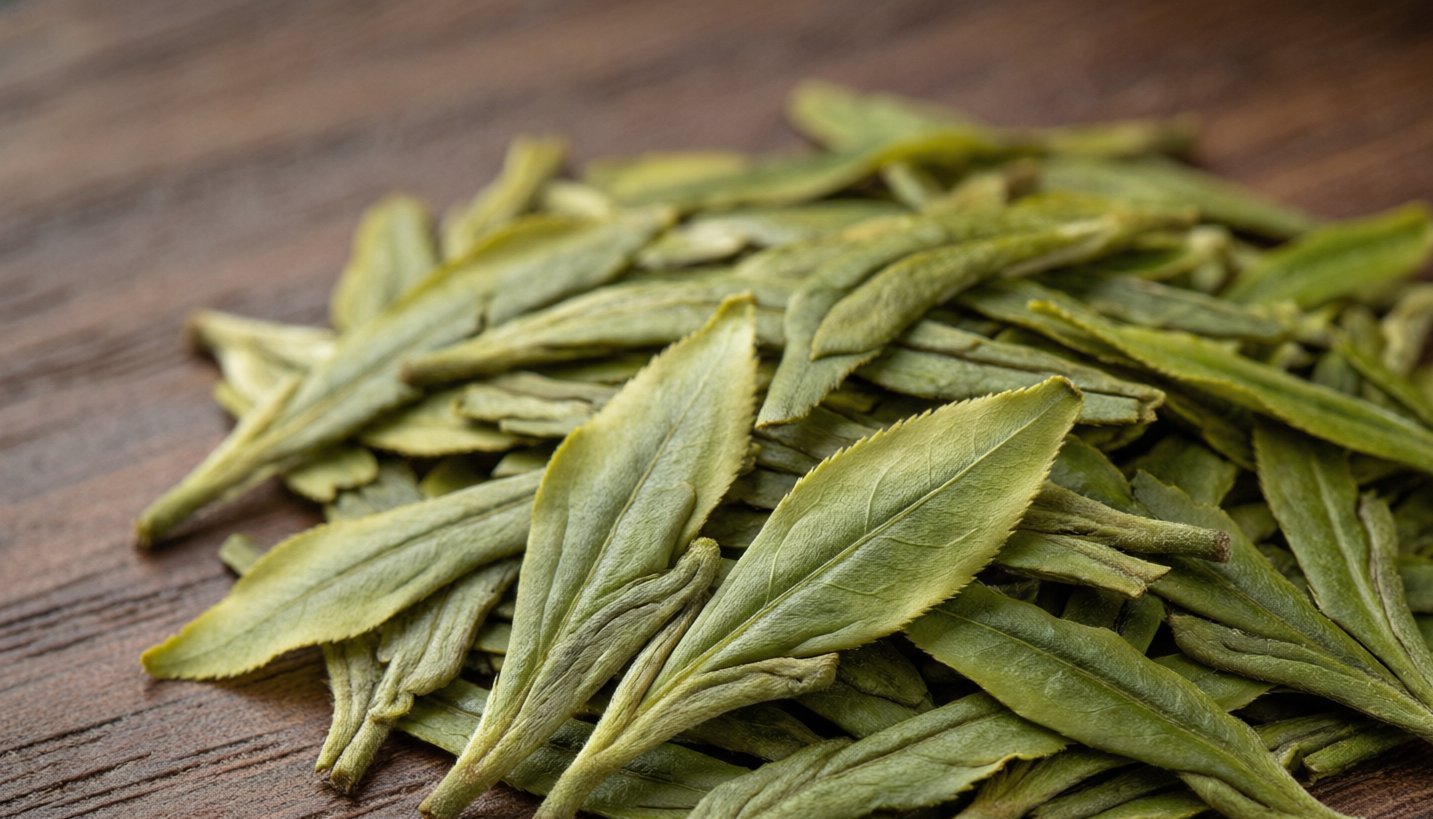
For specialty retail, hotel chains that want a visible brewing ritual, or premium gifting, whole leaf is usually the better foundation. For high-volume RTD, cold-dispensed vending, ready-to-mix products, or food ingredient lines where aroma will be covered by fruit or sweeteners, instant tea can perform well and lower logistics cost.
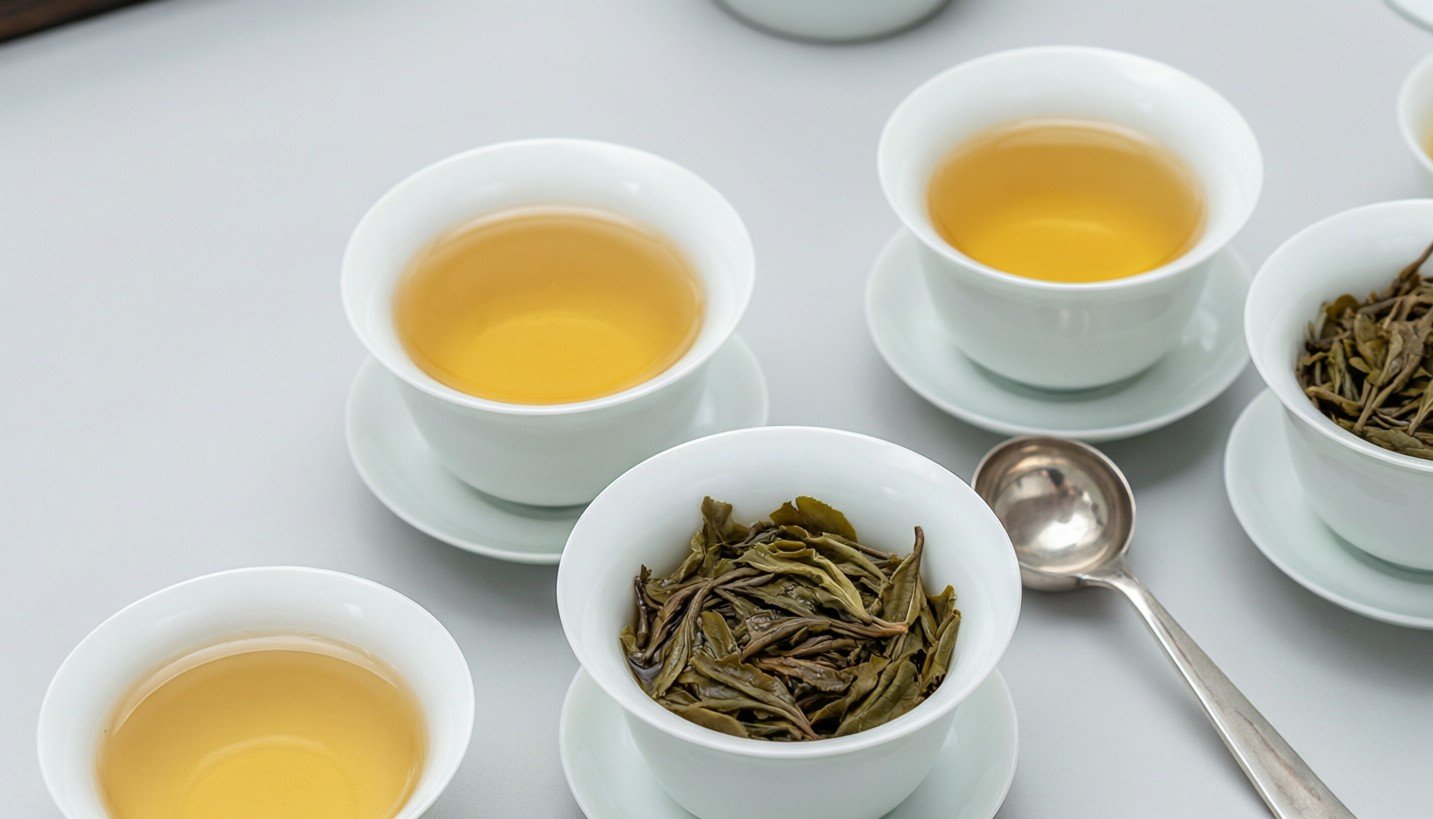
If you import, ask for both sides: a sieved whole-leaf sample and a powder sample reconstituted at the same tea solids level, then cup them side by side. Note the color, aroma, mouthfeel, and aftertaste. If the powder's label includes maltodextrin or glucose syrup, compare the actual tea solids content before pricing the offer.
Source Whole Leaf or Instant Tea for Your Market
Format choice is a specification decision. If you are sourcing from Chinese tea regions — Anxi for oolong, Yunnan for black and pu-erh, Wuyi for rock tea, or Fenghuang for dancong — request both leaf and powder in the same origin and grade family when possible. As Chinese tea suppliers, we help importers compare format performance before production. Send your pack size, target cup profile, and shelf-life requirements to 427728483@qq.com and we will help you build a format specification before you order.
Frequently Asked Questions
Does instant tea powder have the same caffeine as whole leaf tea?
Caffeine usually carries through the extraction and drying steps, so it can be similar when products are matched by reconstituted strength. However, because powder products vary in tea solids and serving size, the only reliable guide is the label. Whole-leaf caffeine is easier to estimate from leaf quantity and brewing time.
Is tea powder always lower quality than whole leaf?
Not automatically. Freeze-dried, no-carrier instant tea can retain more aroma than many low-grade fannings. Quality depends on raw material, extraction method, drying method, and added carriers. The real difference is that powder is a processed extract, not an intact leaf, so its sensory ceiling is typically lower for a given raw material.
Is matcha the same as instant tea powder?
No. Matcha is shade-grown leaf ground into a suspension, not an extract. You consume the entire leaf. Instant tea is brewed, extracted, and dried into a soluble solid. Matcha tends to keep more fiber, chlorophyll, and fat-soluble components than instant tea powder.
Can instant tea powder be stored longer than whole leaf tea?
Often yes, especially in well-sealed packaging. Low moisture and low oxygen protect powders from mold and staleness. Whole leaf can also keep well when stored cool, dry, and sealed, but it is more sensitive to light, air, and humidity once opened.
Does whole leaf tea work in cold RTD production?
Yes, but it usually requires hot or long steeping before chilling, then filtration. Instant tea dissolves directly in cold water and is easier to use on a continuous line. The choice depends on your equipment, batch size, and whether you want a fresh-brewed claim.
References
[1] U.S. Department of Agriculture, Agricultural Research Service. “FoodData Central: Tea, instant, unsweetened, powder.” Accessed 2026. https://fdc.nal.usda.gov/
[2] C.-T. Ho, X. Zheng, and S. Li. “Tea aroma formation.” Food Science and Human Wellness, vol. 4, no. 1, 2015, pp. 9–27. https://doi.org/10.1016/j.fshw.2015.04.001
[3] International Organization for Standardization. ISO 3720:2011, Black tea — Definition and basic requirements. Geneva, 2011. https://www.iso.org/standard/50313.html
No author description available.

白玉京