Yunnan Raw Pu-erh Brands Ranked: A Buyer’s Honest Comparison
Yunnan raw pu-erh, often labeled sheng pu-erh, is not a single product. It is a category shaped by harvest region, leaf grade, processing, compression, and storage. For importers, wholesalers, and retail buyers, brand can be a useful first filter—but only when you know what a brand actually tells you and what it does not. This comparison ranks the major Yunnan raw pu-erh brands by sourcing transparency, vintage consistency, wholesale accessibility, and value for money. It is written for professional buyers rather than collectors chasing hype.
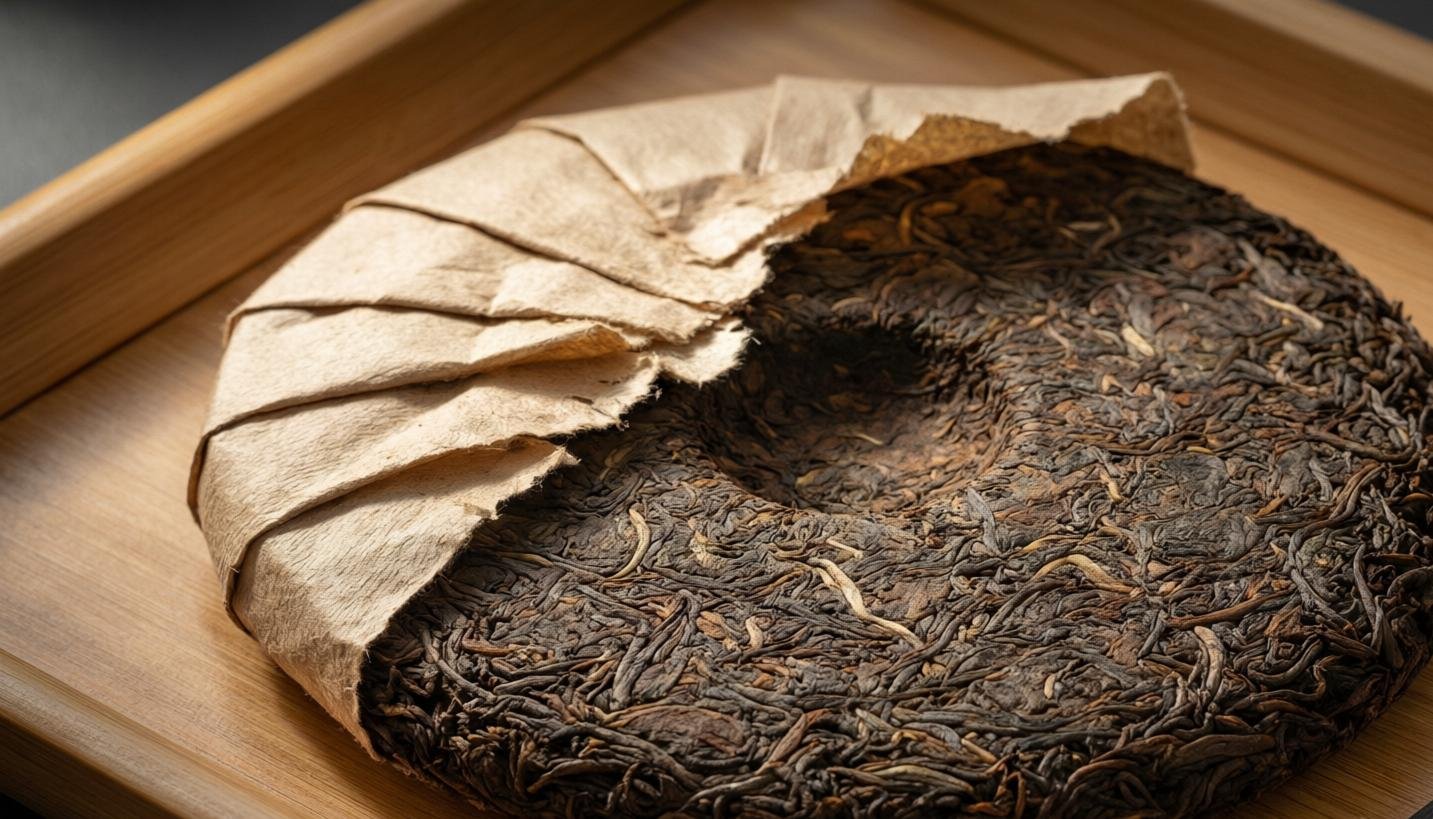
Why Brand Still Matters in Raw Pu-erh
Raw pu-erh is made from sun-dried large-leaf Yunnan tea and falls under the Pu'er tea definition in GB/T 22111-2008 [1]. Unlike most green tea, raw pu-erh is pressed and expected to change over months and years. That slow transformation makes the brand more important than it would be for a fresh, short-shelf-life product.
A brand in raw pu-erh is partly a production record. The strongest factories maintain consistent blends, document harvest batches, control compression, and have known storage histories. Those factors reduce the buyer's risk of receiving a cake that looks correct but performs badly after six months in a warehouse.
But brand is not a guarantee. A weak vintage from a famous factory can still be disappointing. A little-known producer can sometimes deliver better material at a lower price. The correct approach is to treat brand as a screening signal, then verify the specific lot, vintage, and storage conditions before committing to volume.
The Yunnan Raw Pu-erh Landscape in Brief
Most raw pu-erh comes from three broad Yunnan areas: Lincang, Xishuangbanna, and the Pu'er administrative region. Within those areas, village and mountain names often matter more than province-level origin. Lincang examples include Mengku and Bingdao; Xishuangbanna is home to Banzhang, Yiwu, Jingmai, and Nannuo. These places produce different flavor profiles, leaf thickness, bitterness, sweetness, and aging trajectories.
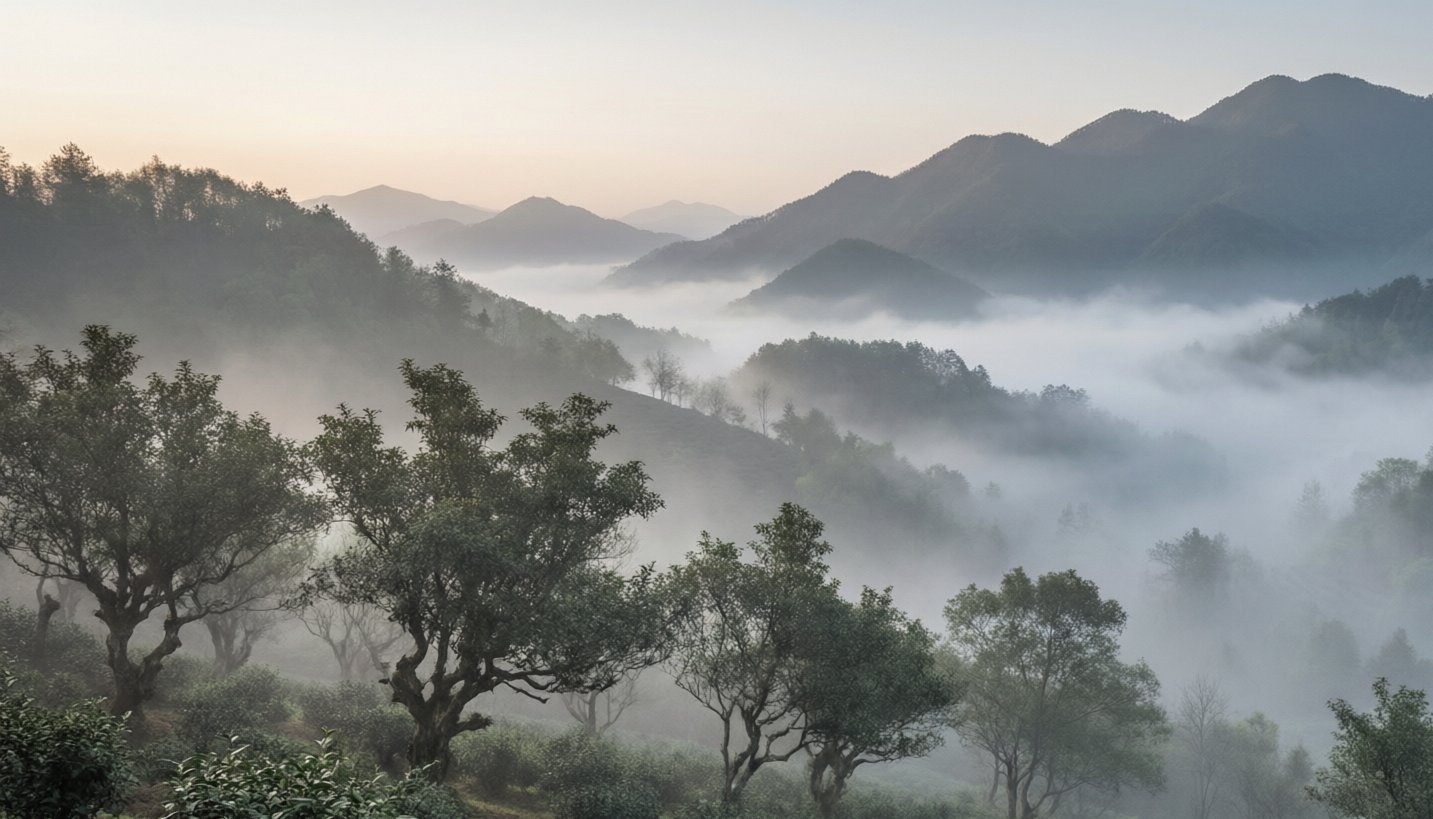
The market splits into two broad groups. Large factory brands such as Dayi, Zhongcha, and Xiaguan produce high volumes, maintain recognizable recipes, and are easier to find in bulk and standard cake formats. Boutique or small-batch brands often market single-village raw pu-erh with more specific origin claims, but their year-to-year consistency can vary more. Tea classification standards separate raw pu-erh from green tea because of sun-drying and intended aging, a distinction relevant to how buyers evaluate young sheng [2].
Factory brands suit buyers who need repeatable products and secure supply. Boutique brands suit buyers who want origin storytelling and are prepared to cup each lot independently.
How These Brands Were Ranked
This ranking is not based on factory advertising or paid placement. Each brand was evaluated on five practical criteria:
- Origin specificity and disclosure: Does the buyer know the village, mountain, or blend composition?
- Cross-vintage consistency: Does the brand produce a recognizable profile year after year?
- Compression quality and storage risk: Are cakes pressed evenly, and is storage history traceable?
- Wholesale accessibility: Can an importer source bulk, tongs, and cartons without excessive friction?
- Value relative to price: Does the buyer get enough material quality for the wholesale cost?
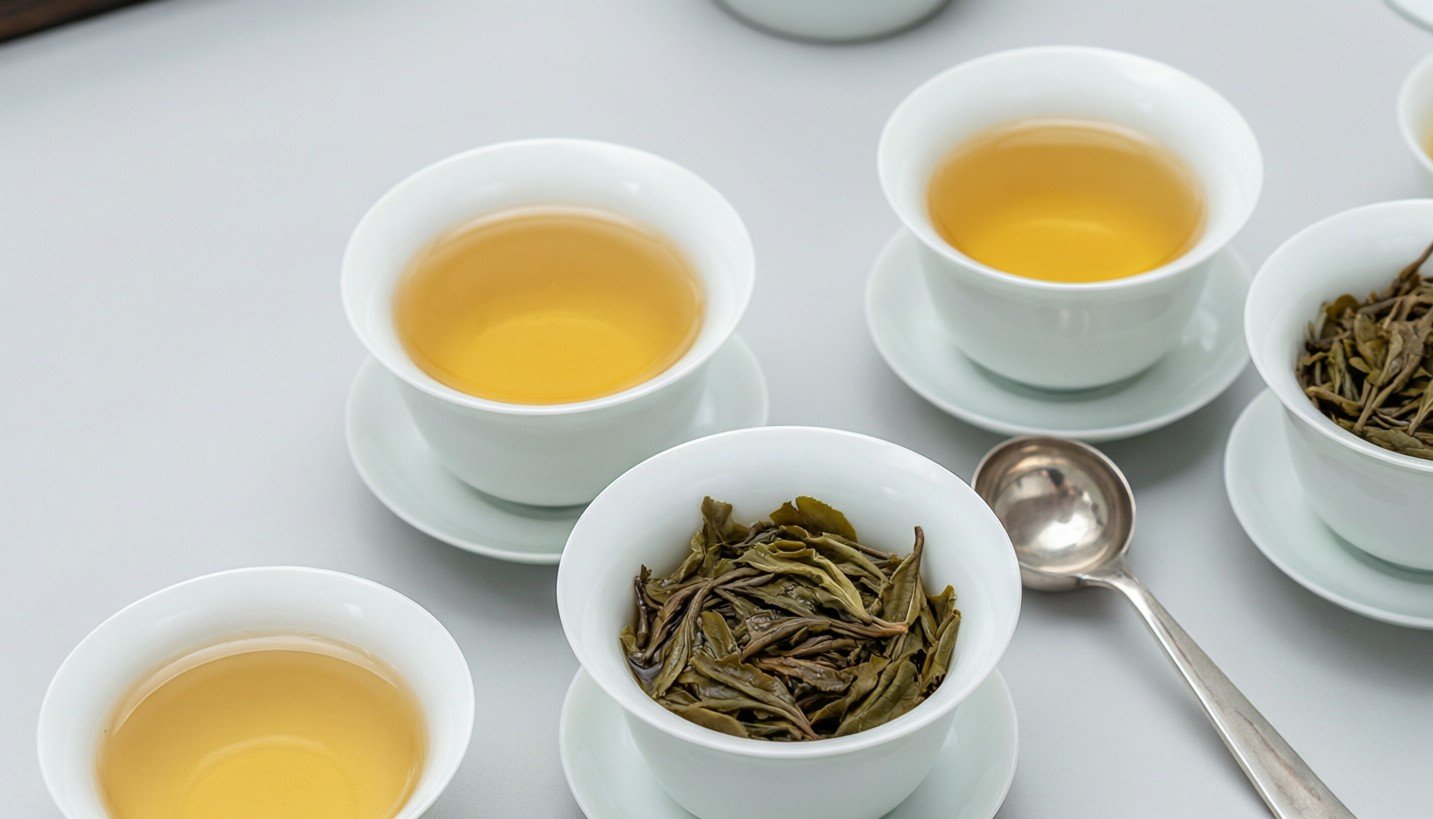
No brand received a perfect score. The ranking is meant to show trade-offs, not to declare one factory superior in every situation.
Top Yunnan Raw Pu-erh Brands Compared
| Rank | Brand | Best For | Strongest Suit | Main Watch-Out |
|---|---|---|---|---|
| 1 | Dayi (Taetea/Menghai Tea Factory) | Wholesale, aged collection, retailer benchmark | Cross-vintage consistency, strong market recognition, liquid secondary market | Higher first cost; fakes are common, so source verification matters |
| 2 | Zhongcha (China Tea/CNNP) | Broad wholesale and retail lines | Legacy sourcing network, wide range of raw cakes | Quality can overlap across lots, so each batch needs cupping |
| 3 | Xiaguan | Traditional tuo and iron-cake buyers | Strong compression, slow-aging character, distinctive style | Rustic or smoky profile may not suit soft-drink retailers |
| 4 | Chen Sheng Hao | Premium single-village raw pu-erh | Strong origin detail, higher-end material | Premium pricing; limited volume for large orders |
| 5 | Mengku Rongshi | Entry-to-mid-range wholesale | Accessible pricing, solid daily raw pu-erh | Less prestige; older lots can vary in storage condition |
If you are comparing raw pu-erh brands for a container, private-label line, or retail shelf, start from the spec sheet rather than the story. Chinese tea suppliers can provide harvest year, village, grade, pressing date, and storage history in a single wholesale quote. For direct inquiry, contact 427728483@qq.com with your target format, volume, and market.
Dayi (Taetea/Menghai Tea Factory)
Dayi remains the most recognizable raw pu-erh brand among buyers who need a benchmark. Its numbered recipes and documented production history make it easier to compare one vintage against another. The trade-off is cost: buyers often pay a brand premium, and the market presence of Dayi also attracts counterfeit cakes.
Zhongcha (China Tea/CNNP)
Zhongcha has a broad raw pu-erh catalog, from affordable daily cakes to higher-end regional selections. For importers, this breadth is useful because one supplier relationship can cover multiple retail price points. However, buyers should not assume that all Zhongcha lots are identical in character. Cupping each production batch remains necessary.
Xiaguan
Xiaguan is known for tight compression, especially in iron cakes and tuos. That compression slows aging and produces a leaner, more structured profile over time. Xiaguan is a strong choice for buyers who want a traditional raw pu-erh style, but it is not the right match for every consumer palates.
Chen Sheng Hao
Chen Sheng Hao positions itself around high-end and single-village raw pu-erh. The best lots carry detailed origin information that helps premium retailers tell a clear story. The main limitation is practical: strong lots are often produced in smaller quantities, which can complicate large wholesale programs.
Mengku Rongshi
For buyers who need dependable raw pu-erh without the top-tier brand premium, Mengku Rongshi offers a useful middle path. The material is often accessible, everyday sheng that can work as an entry product. Volume buyers should still check pressing quality and storage provenance on older stock.
Matching a Brand to Your Buying Goal
Buying to age
If you plan to hold raw pu-erh for three years or more, consistency and compression matter more than immediate fragrance. Factory cakes from Dayi or Xiaguan often have more stable aging records than small-batch experiments. Storage conditions still matter far more than the label.
Buying for daily drinking or retail rotation
For a retail shelf or daily-drinking program, value and approachability can outweigh prestige. Mengku Rongshi and selected Zhongcha lots can provide a repeatable product at a workable wholesale margin. Cup before reordering, even when the brand is familiar.
Red flags when choosing a raw pu-erh brand
- No harvest year or production date on the wrapper or spec sheet
- Vague origin terms such as only “Yunnan big tree” without village or blend detail
- Uneven compression, loose edges, or damaged cakes
- No storage history for aged stock
- Pricing that seems detached from leaf grade and region
Source Raw Pu-erh With Confidence
The right raw pu-erh brand depends on whether you are building an aged collection, stocking a retail line, or filling a private-label program. Confirm the spec before you confirm the price: harvest year, village or blend, leaf grade, pressing date, and storage history.
For current raw pu-erh availability, lot photos, and wholesale pricing, contact Chinese tea suppliers at 427728483@qq.com with your target format, volume, and destination market.
Frequently Asked Questions
Does a bigger raw pu-erh brand always mean better tea?
No. A large factory provides more consistency and traceability on average, but individual lots still need assessment. A famous brand does not automatically turn mediocre material into excellent tea.
How long should raw pu-erh age before it tastes balanced?
Many buyers find raw pu-erh starts to soften and develop more sweetness after three to five years under proper storage, but this varies by region, compression, and leaf strength. Some young sheng is already drinkable; others need much longer.
Are boutique raw pu-erh brands riskier than factory brands?
They can be riskier for repeat bulk buying because year-to-year consistency may be lower. For a small premium line with clear origin stories, boutique brands can be excellent—if each lot is cupped before purchase.
What should I check on a raw pu-erh wrapper or spec sheet?
Look for harvest year, production date, village or mountain, leaf grade or picking standard, pressing date, and net weight. For aged teas, also ask for storage location and history.
Can a new buyer start with loose-leaf raw pu-erh instead of cakes?
Yes. Loose-leaf raw pu-erh can be easier to sample and cup before committing to a compressed format. For long-term aging, however, compressed cakes, bricks, or tuos usually store more predictably.
References
[1] Standardization Administration of China. GB/T 22111-2008, Product of Geographical Indication — Pu'er Tea. Beijing: SAC, 2008.
[2] International Organization for Standardization. ISO 20715:2019, Tea — Classification of Tea Types. Geneva: ISO, 2019.
No author description available.

白玉京