Wild Green Tea: What It Actually Is and How to Buy It
Wild green tea sounds self-explanatory, but it is one of the least standardized phrases in Chinese tea sourcing. Some lots come from genuinely wild tea trees; many more are semi-wild, abandoned-garden, or old-tree leaf sold under a wild label. This guide explains what the term means, how the tea is processed, how to read supplier claims, and how to buy without overpaying.
What Wild Green Tea Actually Means
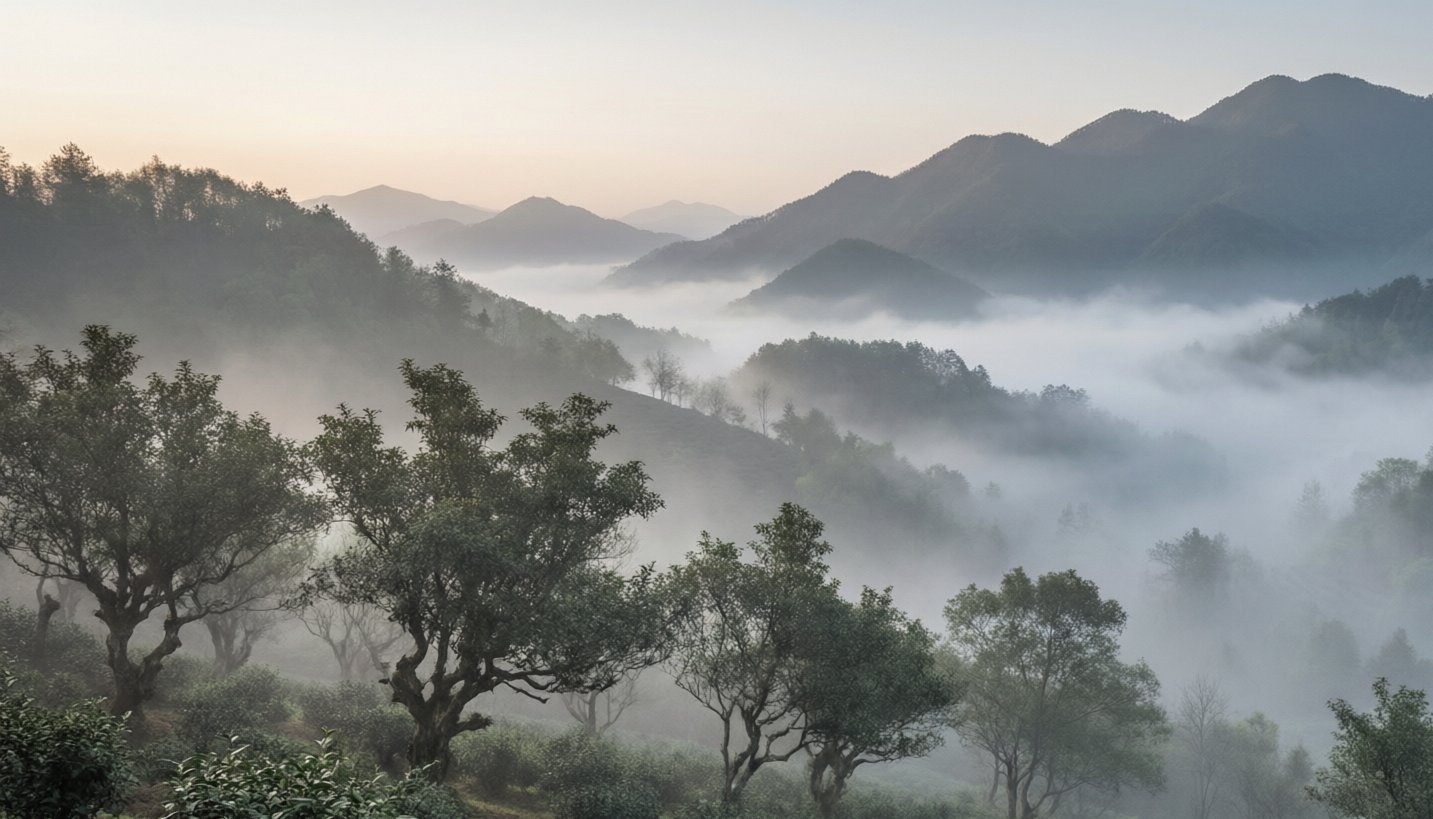
There is no single legal definition of wild green tea. Wild tea plants and early domesticated tea lines are distributed across Yunnan, Guizhou, Sichuan, and other tea-growing regions, and their genetic history is complex [1]. In trade, the term usually covers three very different situations:
- Truly wild tea plants: naturally established, uncultivated trees, often growing at forest margins or in mountainous scrub.
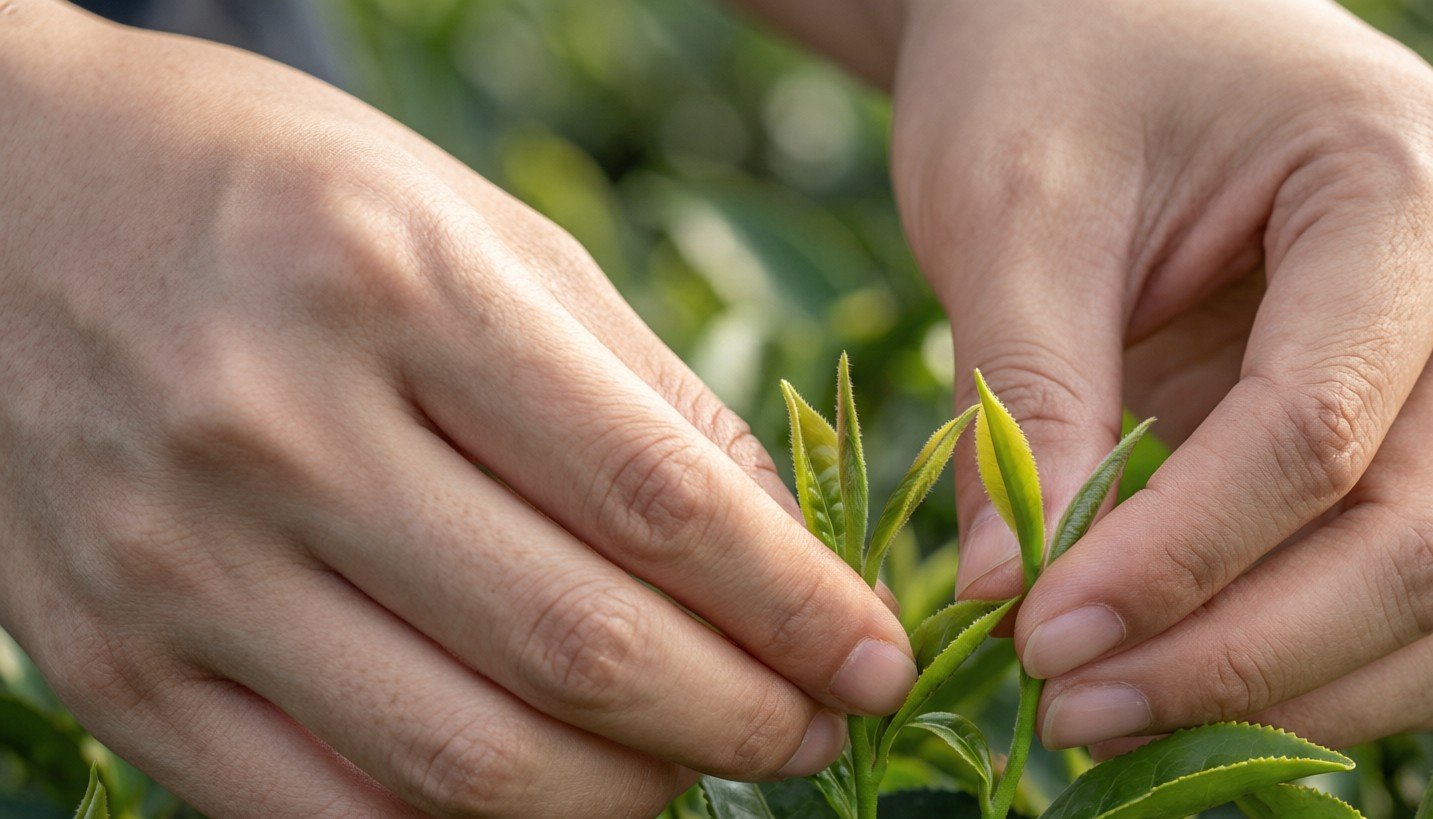
- Semi-wild or abandoned-garden tea: originally planted but left unpruned or lightly managed for years, then harvested selectively.
- Old-tree or ancient-tree marketing: plants with old root systems that are still commercially managed and harvested.
China’s main green tea standard sets processing and basic quality requirements, but it does not create a separate “wild” grade [2]. That means a supplier’s wild claim must be supported by origin and harvest documentation, not just the name on a bag.
How Wild Green Tea Differs from Plantation Green Tea
Wild and semi-wild leaf does not automatically mean higher quality, but it often differs from dense-row plantation tea in practical ways:
- Yield: wild and semi-wild trees produce smaller, less predictable harvests.
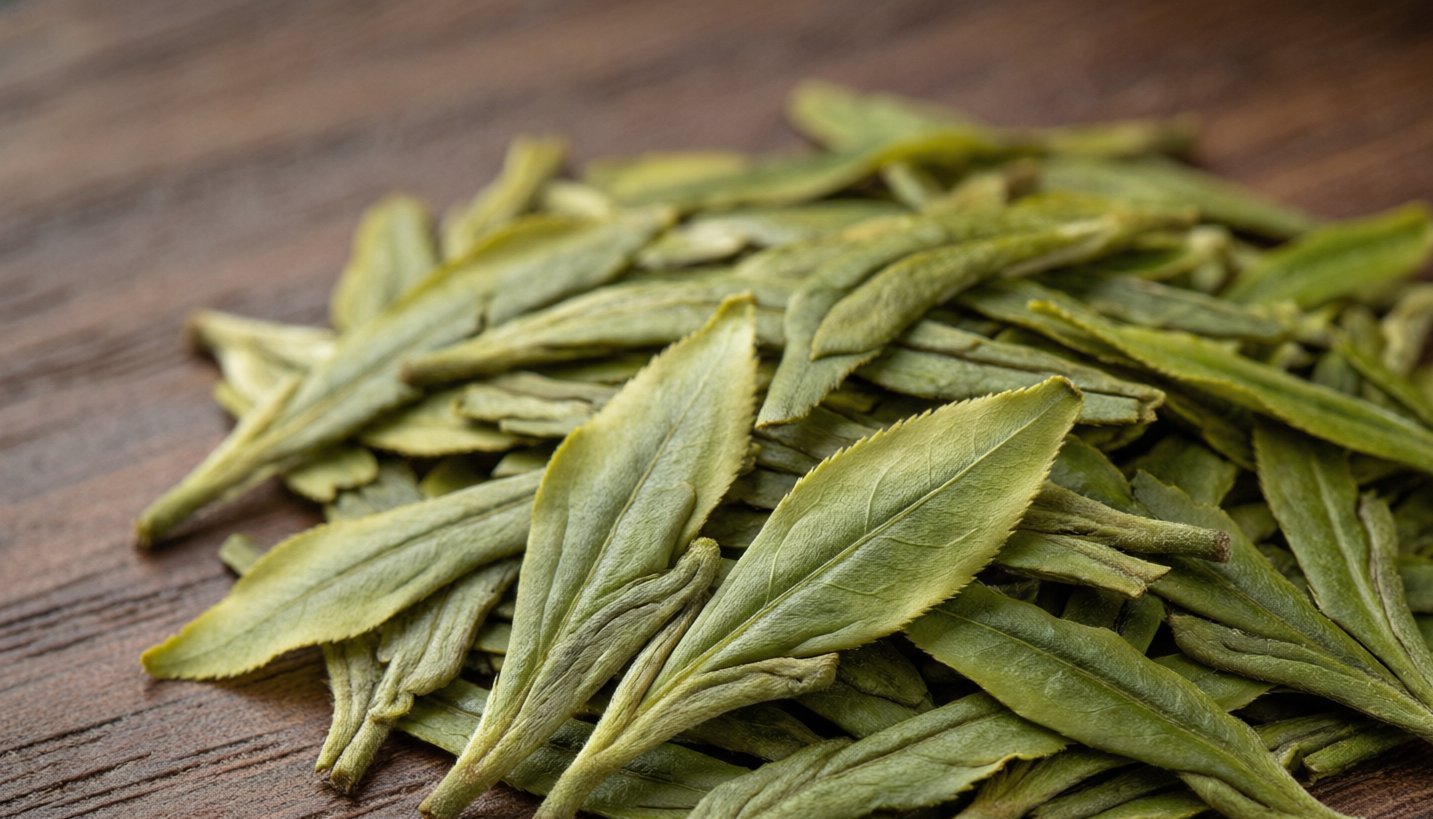
- Leaf appearance: lots are often less uniform, with mixed bud sizes and thicker leaf texture.
- Aroma: more variable, sometimes mossy, mineral, or wildflower-like; plantation lots tend to be cleaner and more consistent.
- Cup body: often lighter but more persistent in aftertaste, though this depends heavily on processing.
- Price: usually higher because of picking difficulty and scarcity, not because wild leaf is inherently superior.
For a buyer, these differences matter most when comparing samples side by side. The final cup profile is shaped as much by fixation, rolling, and drying as by where the leaf grew.
How Wild Green Tea Is Processed
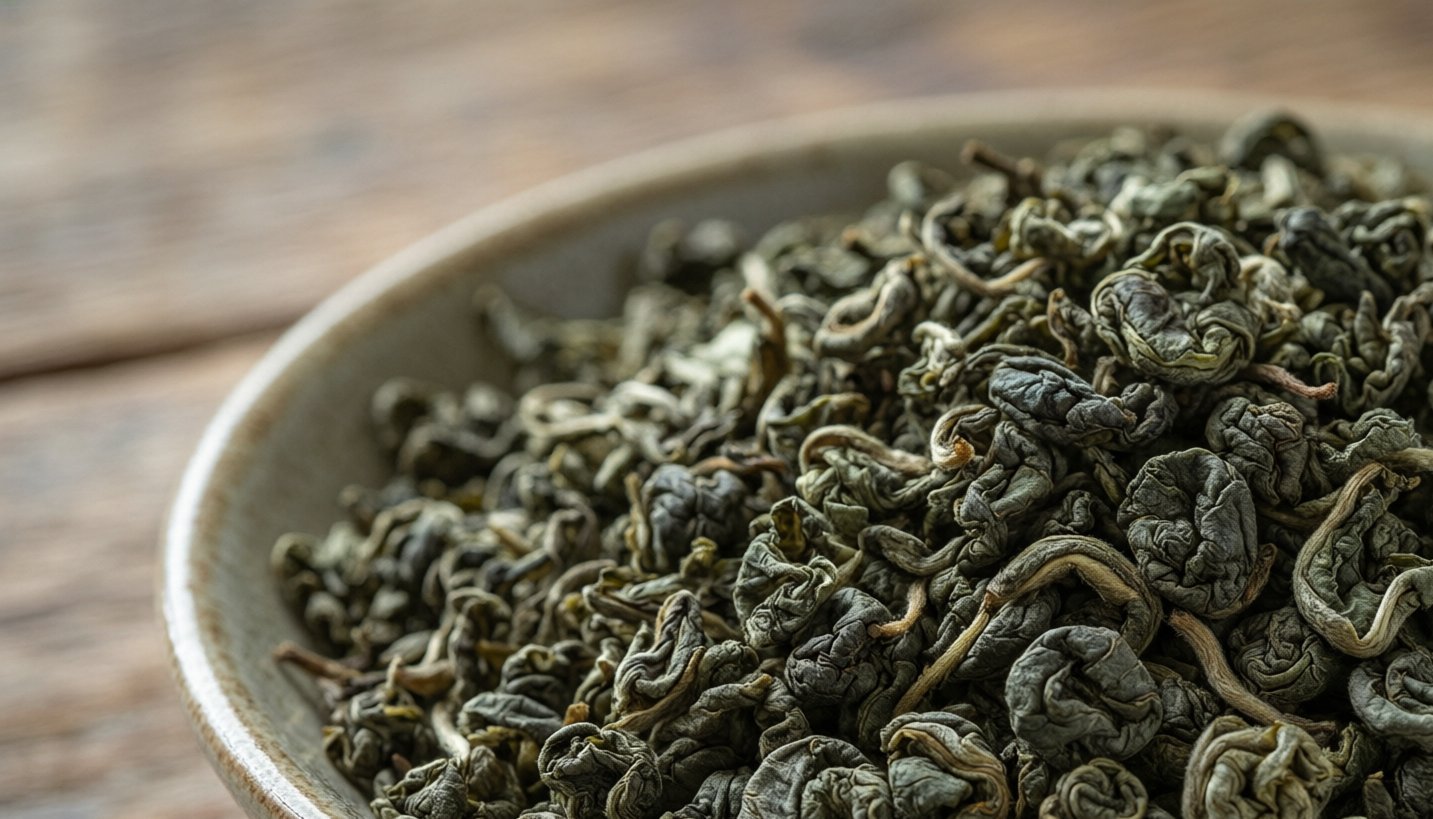
Wild green tea is still green tea by processing method. The basic steps are fixation, rolling, and drying. Some lots are pan-fired; others are steamed. In Yunnan, some producers make sun-dried green tea from wild or semi-wild leaf, and this maocha-style material may be sold as a finished green tea or used later as raw material.
Because wild leaf is less uniform, batch size is usually small and fixation must be adjusted leaf by leaf. A skilled producer can preserve the wild aroma without turning the lot harsh. A rushed or careless fixation can produce a flat, scorched, or overly grassy cup regardless of how rare the raw material is.
How It Usually Tastes
There is no single wild green tea flavor. Common descriptors include broth, wild herbs, wet stone, moss, cooling mouthfeel, and a long mineral finish. Some lots are delicate; others are aggressively vegetal.
A better question for sourcing is not “is this wild?” but “what does this lot taste like, and can the supplier repeat that profile in the next batch?” Wild material can be less repeatable than estate-grown leaf, so consistency should be part of the negotiation.
Why Most “Wild” Claims Need Verification
The looseness of the term is not new. Tea writers have long cautioned that “wild” and “old-tree” labels can carry more story than verification [3]. Common red flags include:
- A very low price for supposedly scarce wild material.
- No village, mountain, or GPS reference for the harvest area.
- Photos of tea trees that are not documented as the actual lot being sold.
- No harvest date, processing date, or batch number.
- No pesticide residue or heavy metal test report.
Useful paperwork includes an origin document, harvest and processing dates, a pesticide residue screen, a heavy metal screen, and moisture content. If you are exporting to the EU, check the lot against EU maximum residue limits for tea, not only domestic Chinese requirements.
How to Source Wild Green Tea Without Overpaying
Start by defining what you actually need:
- Region: Yunnan, Guizhou, and Sichuan often supply wild-style green tea, but the flavor and price vary by mountain.
- Leaf type: truly wild, semi-wild, or old-tree managed.
- Season: spring material is often the most aromatic and expensive.
- Processing: pan-fired, steamed, or sun-dried.
Request 30–50 gram samples from two or three suppliers, not just one. Cupping the samples against a standard plantation green tea from the same region is the fastest way to see whether the wild lot justifies its premium. Once you approve a sample, lock the specification with lot photos, a short video of the dry leaf and liquor, harvest date, processing date, and test report.
Need a second opinion on an existing offer? Send the specification, origin documentation, and test report to xuansc2144@gmail.com. We can check whether the stated harvest area, processing date, and residue limits match your destination market before you commit.
Get a Verified Wild Green Tea Sourcing Shortlist
Send your target volume, destination port, quality range, and budget to xuansc2144@gmail.com. Include your preferred leaf type and processing method. Ask for representative samples, origin documentation, and a current pesticide and heavy metal report before you issue a purchase order.
FAQ
Is wild green tea a legally defined grade?
No. There is no universal regulatory definition. China’s main green tea standard covers processing and basic quality, not a separate wild grade [2].
Does wild green tea always come from old trees?
No. Some comes from genuinely wild trees, some from semi-wild or abandoned gardens, and some from managed old-tree plants. The term alone does not tell you which one you are buying.
Is wild green tea automatically better than plantation green tea?
No. It can be excellent, but quality depends on harvest timing, leaf condition, processing skill, and freshness. A well-made plantation lot can easily outperform a poorly made wild lot.
What should a reliable supplier provide?
A clear origin reference, harvest and processing dates, lot photos, a pesticide residue report, a heavy metal screen, and a representative sample. If the supplier refuses to provide test reports, treat that as a major warning sign.
Can I order bulk samples before a full container?
Yes. A 30–50 gram sample is standard for initial cupping. For larger confidence, some buyers order a few kilograms of the approved lot before committing to a full container or pallet.
References
[1] Meegahakumbura MK, Wambulwa MC, Li MM, et al. Indications for three independent domestication events for the tea plant (Camellia sinensis). PLoS One. 2016;11(5):e0155369.
[2] Standardization Administration of China. GB/T 14456.1-2017 Green tea—Part 1: Basic requirements. 2017.
[3] Heiss ML, Heiss RJ. The Story of Tea: A Cultural History and Drinking Guide. Berkeley: Ten Speed Press; 2007.
No author description available.

白玉京