Bulk High Mountain Black Tea: A Buyer’s Guide for Importers
High mountain black tea occupies a narrow, profitable band in specialty sourcing. Buyers value it for slower leaf growth, cooler nights, and full oxidation that produces an aromatic cup with body and length rather than the flatness of low-elevation commodity leaf. The trade term itself, however, is not standardized at the border. You are buying a specification, not a certification. That distinction drives every decision below.
If you are building a supplier shortlist for a 2026 bulk order, this guide covers the specification, verification, packaging, and contract points to lock down before you commit. For current-season FOB quotes and sample coordination, contact Chinese tea suppliers at xuansc2144@gmail.com.
What “High Mountain Black Tea” Actually Refers to in Sourcing
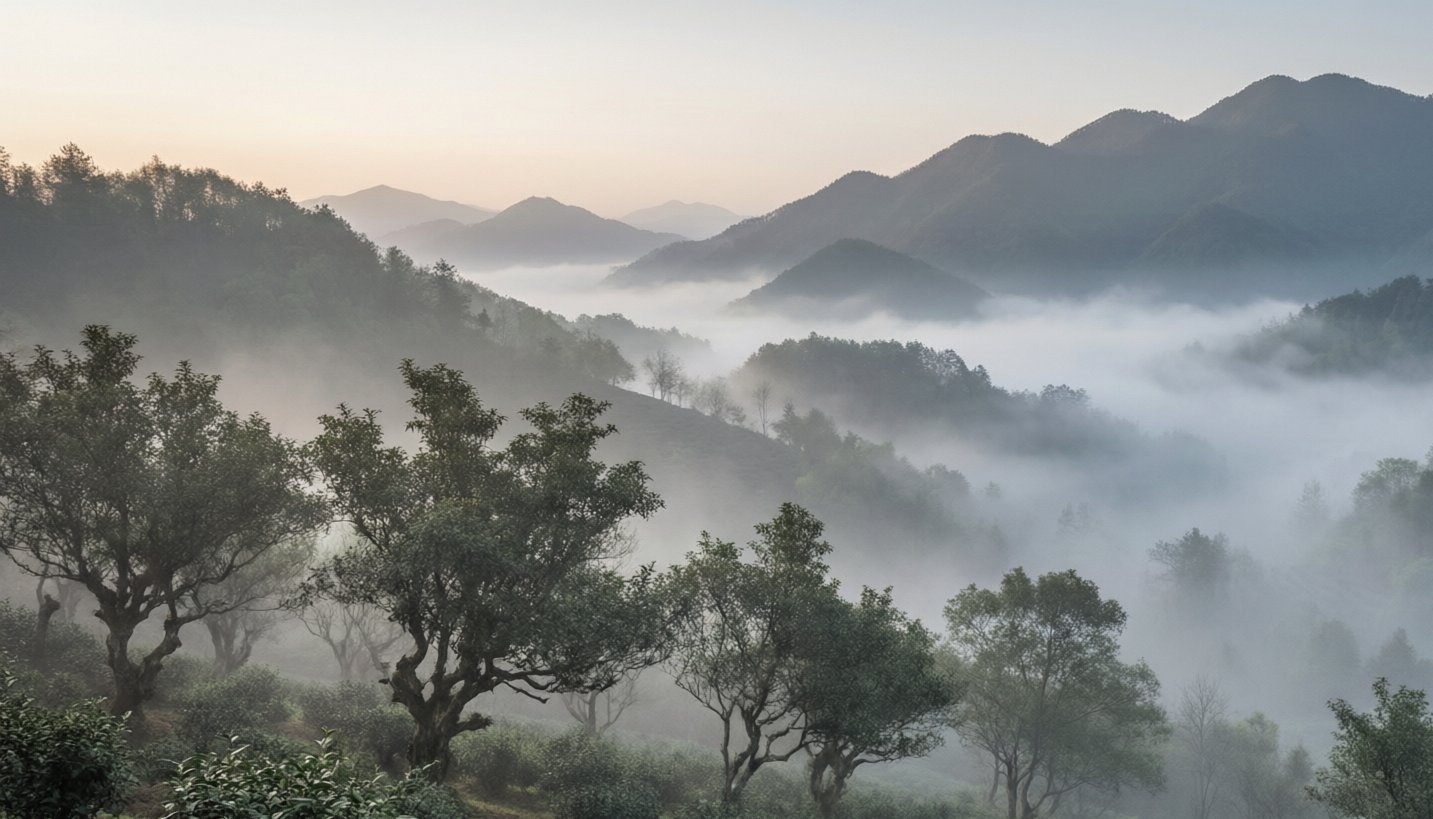
In Chinese production, black tea is fully oxidized red tea, or hongcha. The “high mountain” descriptor usually refers to gardens at roughly 800 meters and above, although the exact threshold varies by province and supplier. Elevation matters because cooler temperatures slow leaf growth, producing smaller, thicker leaves with more concentrated aromatic compounds. That often translates into a smoother, more complex cup, but elevation alone does not guarantee quality. Cultivar, harvest standard, withering, rolling, oxidation, and baking all shape the final lot.
For customs purposes, high mountain black tea does not have a separate classification. It falls under black tea in HS heading 09.02, and buyers must define quality through commercial specifications rather than rely on a border code [5].
Define the Specification Before You Compare Prices
Comparing supplier quotes without a fixed specification is the fastest way to buy an expensive lesson. Lock these three variables first.
Origin and Altitude Claims
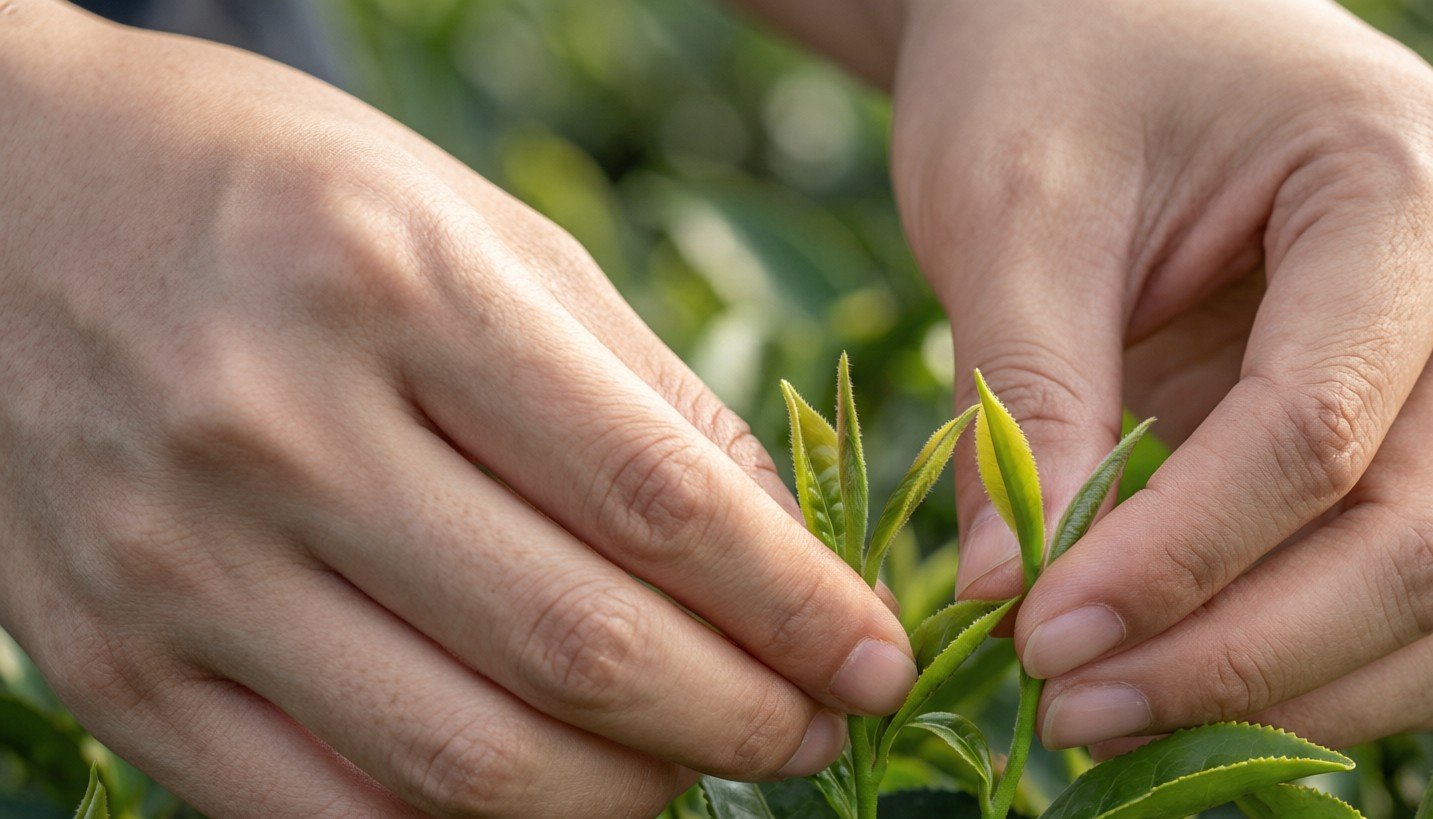
Ask every supplier to name the specific mountain, village, or garden area, the altitude band, and the harvest date. A credible supplier can provide this without hesitation. Vague answers such as “high mountain area” or “premium grade” should move that supplier down the list. Where traceability matters, request lot-level documentation and retain a sealed reference sample from the exact production run you intend to buy.
Grade and Leaf Style
Black tea grades range from whole leaf and lightly broken congou styles to broken grades and fannings. High mountain black tea is most often traded as whole leaf or lightly broken leaf because buyers are paying for aroma and re-steeping potential, not extraction speed [1][2]. Confirm leaf size, tip content, oxidation level, and roast intensity before accepting a quote. A lower price often means more broken leaf, older material, or a heavier roast that masks defects.
Harvest Season and Lot Numbers
Spring material often commands a premium for brightness and aroma, while autumn material can bring deeper body and a different price position. Ask whether the offer is first flush, second flush, autumn, or a blend. For repeat bulk buying, insist on lot numbers and routine cupping against a retained standard. Batch consistency is where many bulk relationships quietly fail.
Quality Verification: Cupping, Tests, and Certifications
Never buy bulk high mountain black tea on color and story alone. You need a repeatable evaluation process and an independent lab report for the lot you are buying.
Professional Cupping Checklist
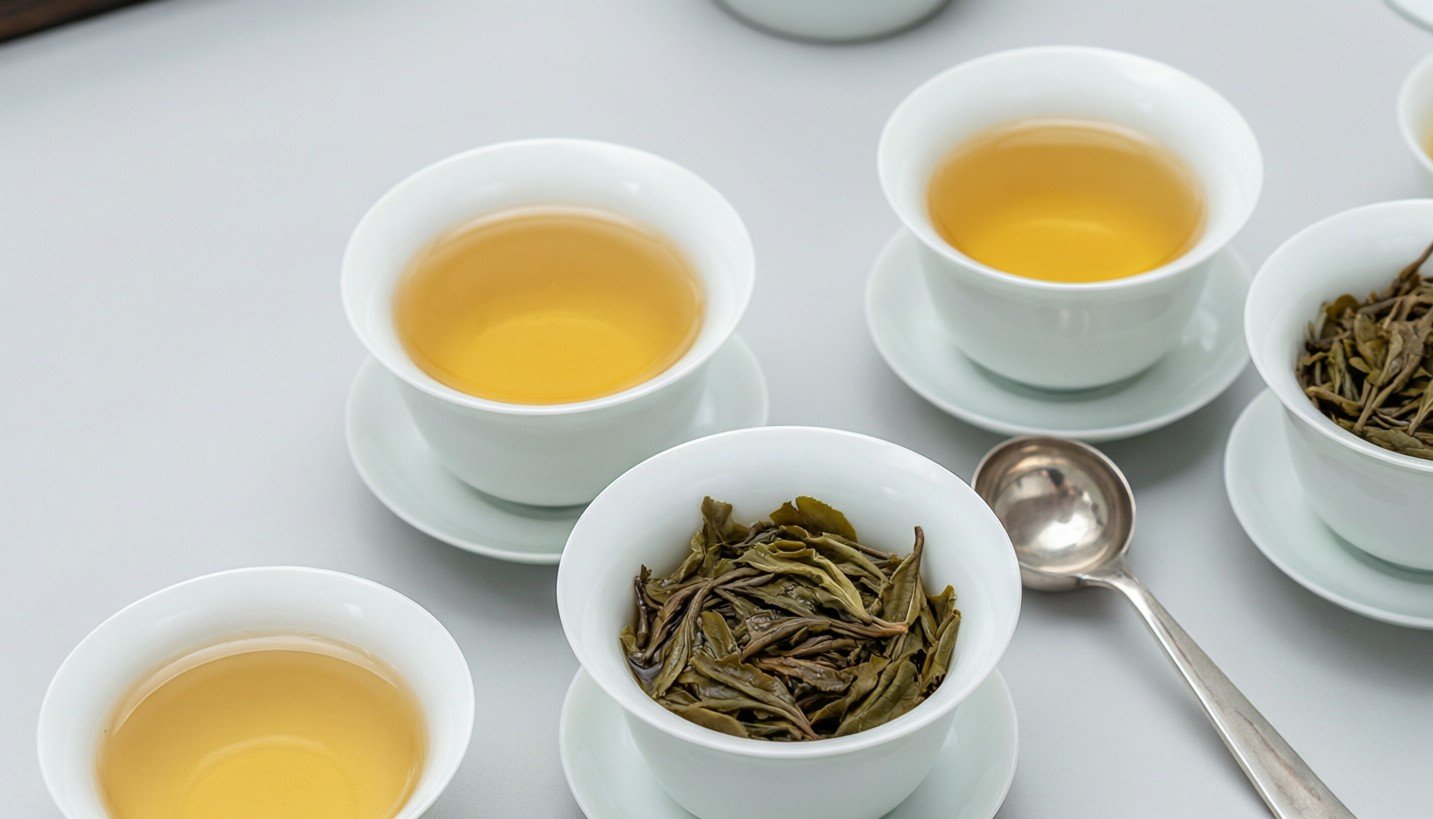
Cup the sample against a neutral reference using a consistent leaf-to-water ratio, water temperature, and steep time. Evaluate dry leaf appearance, aroma, liquor color, body, astringency, sweetness, aftertaste, and re-steep performance. Black tea standards describe the sensory framework and basic physical requirements buyers should use as a baseline [1][2]. A lot that tastes good once but collapses on the second steep may indicate thin raw material or over-processing.
Lab Tests and Certifications
For European Union shipments, pesticide residue limits fall under Regulation (EC) No 396/2005, and the EU maximum residue level program is frequently updated, so request a current analysis against destination-market MRLs [3]. For the United States, ensure the product and label meet FDA food labeling and facility registration requirements where applicable [4]. Ask for moisture, ash, heavy metals, and microbiological testing as well, especially for private label and retail-packaged lots. Reports should come from an accredited laboratory and reference the same lot number printed on the contract.
If you want help structuring the testing package before you order, email Chinese tea suppliers at xuansc2144@gmail.com with your destination market and retail format.
Bulk Packaging, Contracts, and Logistics
Bulk Packaging Formats
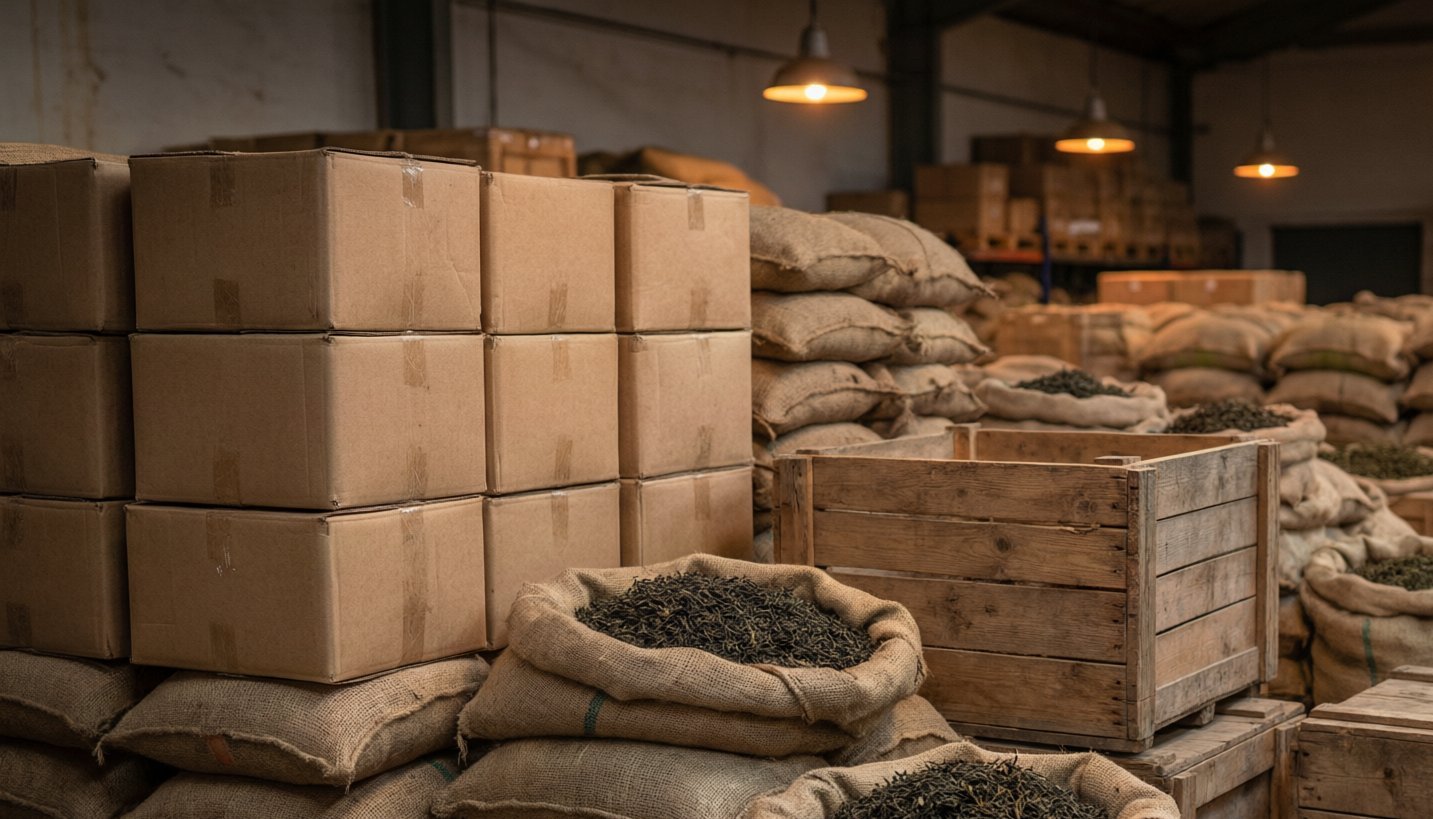
High mountain black tea is usually packed in food-grade, foil-lined bags inside cartons or kraft sacks, with vacuum or nitrogen-flushed options for aroma-sensitive lots. Insist on an inner liner that blocks oxygen and odor, because black tea absorbs nearby smells quickly. Specify pack size per bag, outer carton dimensions, pallet configuration, and whether the tea is machine-packed or hand-packed. Packaging should be suitable for ocean freight and warehouse holding, not just for the sample photo.
Contract Terms and Documentation
Your purchase contract should include the reference sample, lot number, harvest date, grade, moisture limit, packaging specification, delivery date, quantity tolerance, and a claim window for quality disputes. For international orders, standard documents include the commercial invoice, packing list, bill of lading, certificate of origin, and health or inspection certificates required by the destination country. Agree on Incoterms and whether the price includes export packaging, fumigation if required, and destination documentation support.
Transit and Storage
High mountain black tea degrades fastest through heat, moisture, oxygen, and strong odors. Specify clean, dry containers and avoid transit routes that expose cartons to direct sun at the port. On arrival, inspect for condensation, torn liners, and off-aromas before accepting the lot. Store in a cool, dry, odor-free warehouse and re-cup carry-over stock before offering it as current-season product.
Supplier Selection: Build a Scorecard, Not a Race to the Bottom
A cheap quote only helps if the tea still tastes correct when it arrives. Compare suppliers on seven factors: origin clarity, sample quality, lab transparency, packaging control, lot traceability, documentation reliability, and communication speed.
What to Request from Every Supplier
Request the business license, export registration or relevant food production information, product specification sheet, recent lab report, and a production sample. For large orders, ask whether the supplier can provide a pre-shipment sample from the actual lot for your approval before payment of the balance.
Red Flags
Avoid suppliers that cannot name the origin, refuse to send samples, offer no lab report, quote far below the market without explanation, or push you to finalize before you have a signed specification. Price pressure is normal; missing traceability is not. The suppliers that hold up under scrutiny are usually the ones that perform well on repeat orders.
Plan Your Bulk Order With Current Samples and Quotes
Start with a clear target: origin or flavor profile, grade, annual volume, packaging format, and destination port. Then request current-season samples, cupping notes, lab tests, and FOB or CIF quotes from a short list. Chinese tea suppliers helps buyers define elevation, grade, packaging, testing, and contract terms before ordering. Contact us at xuansc2144@gmail.com with your target origin, annual volume, and destination market, and we will coordinate samples and current pricing.
FAQ
How do I verify a “high mountain” claim?
Ask for the specific mountain, village, garden area, altitude band, and harvest date. For high-value orders, request lot traceability documents and keep a sealed reference sample from the exact production run. Leaf thickness, aroma concentration, and price should be broadly consistent with the origin claim.
What is a realistic first bulk order size?
It varies by supplier and packaging. Many factories quote by production lot rather than fixed weight, and custom packaging or private label may carry its own minimum. Order enough to justify testing and packaging setup while staying within your inventory risk limit.
Which lab tests should I request?
At minimum, request a pesticide residue screen checked against destination-market limits such as EU MRLs [3], plus moisture, ash, heavy metals, and microbiological testing where required. US-bound retail product must meet FDA labeling requirements [4].
How long does bulk high mountain black tea stay fresh?
Black tea is relatively shelf-stable, but top aromas soften over time. With sealed, food-grade, oxygen-barrier packaging and cool, dry, odor-free storage, the tea can remain commercially sound, but it should be re-cupped before repeat orders are offered as current season.
Should I lock prices for the year?
Only if you also lock the specification. A fixed price should be tied to a defined origin, grade, harvest or lot, packaging, moisture limit, and claim window. Otherwise, use a price-adjustment formula based on documented raw material and freight cost changes.
References
[1] GB/T 13738.2-2017, Black Tea—Part 2: Congou Black Tea, Standardization Administration of China.
[2] ISO 3720:2011, Black Tea—Definition and Basic Requirements, International Organization for Standardization.
[3] Regulation (EC) No 396/2005, Maximum Residue Levels of Pesticides in or on Food and Feed, European Commission.
[4] U.S. Food and Drug Administration, Food Labeling Guide.
[5] World Customs Organization HS 2022 Classification, Heading 09.02: Tea.
No author description available.

白玉京