When to Buy Da Hong Pao Fresh Tea: A Seasonal Sourcing Guide
Da Hong Pao (Big Red Robe) is not a tea to buy blindly. If you source it for retail, wholesale, or a private-label program, timing is as important as the leaf itself. A spring batch that has not finished firing will taste harsh; a "new" batch bought in March may not be new at all. This seasonal guide explains when to buy Da Hong Pao fresh tea, what is actually happening in the Wuyi Mountains during each part of the year, and which buying window gives you the most reliable cup.

Why "Fresh" Means Something Different for Rock Oolong
For green tea, fresh usually means early spring picking and prompt drinking. Da Hong Pao belongs to the Wuyi rock tea category defined in China's national standard for Wuyi rock tea [1]. It is an oolong, so "fresh" does not mean unprocessed, unroasted, or green. It means a current-year spring lot that has moved through the full rock tea production chain: withering, tumbling, oxidation, kill-green, rolling, sorting, and charcoal roasting.
After the final roast, the tea carries what many buyers call fire heat, or huo qi. This heat can cover the floral, mineral, and roasted-sugar notes that distinguish good Da Hong Pao. If you evaluate too early, you are tasting the roast, not the tea. This is why the best buying window is not the day the tea leaves the roaster. It is several weeks to a few months later, when the roast has settled.
The standard plucking material for Wuyi rock tea is open-face, moderately mature leaves rather than only a single bud [1]. This later harvest profile is another reason Da Hong Pao does not follow an early-March green tea schedule.
The Real Harvest Window: April to May, Not March
Wuyi Mountain sits in northern Fujian. Its rocky slopes and shaded valleys warm more slowly than low-elevation tea gardens, so prime rock tea plucking normally begins in mid-April and continues through much of May. Early lots can come from lower elevations or earlier-maturing cultivars, but the most prized core-area material tends to be plucked when the new shoots have reached the correct open-face stage.
A "new" Da Hong Pao offered in March should be questioned. In most years there is little true Wuyi spring material ready that early. What is available is frequently the previous year's stock being repositioned, or a very early lot that does not represent the region's main harvest. Buyers should ask directly for the plucking date and roast finishing date. If the seller cannot provide them, assume the tea is not what the label implies.
A Month-by-Month Buying Calendar for Spring Da Hong Pao
The table below shows what is happening in the production chain and the most sensible buyer action for each period.
| Period | What is happening | Strongest buyer action |
|---|---|---|
| March to early April | Pre-harvest; mostly previous-year stock or early low-altitude lots | Verify harvest year and plucking date; do not pay a high "new spring" premium |
| Mid-April to May | Main plucking, primary processing, rough-maocha selection | Identify suppliers, reserve promising lots, request early cupping notes |
| June to July | Sorting, blending, charcoal roasting, first market release | Request retained samples; assess lot-to-lot consistency but do not judge final cup on day one |
| August to October | Roast settles; liquor and aroma stabilize | Best window for final cupping and confident purchase decisions |
| November onward | Cooler weather; top spring lots begin to thin out | Buy for winter programs or lock next spring pre-orders with verified partners |
Market tea trade reporting generally shows seasonal demand for premium spring oolongs strengthens well before the tea is truly ready to drink [2]. That gap is where sourcing mistakes happen. The safest approach is to pre-order only with a supplier that can provide dated samples and a clear roast schedule.
How to Judge a Spring Da Hong Pao Lot
Tasting before you commit is not optional for rock oolong. Look for four signals:
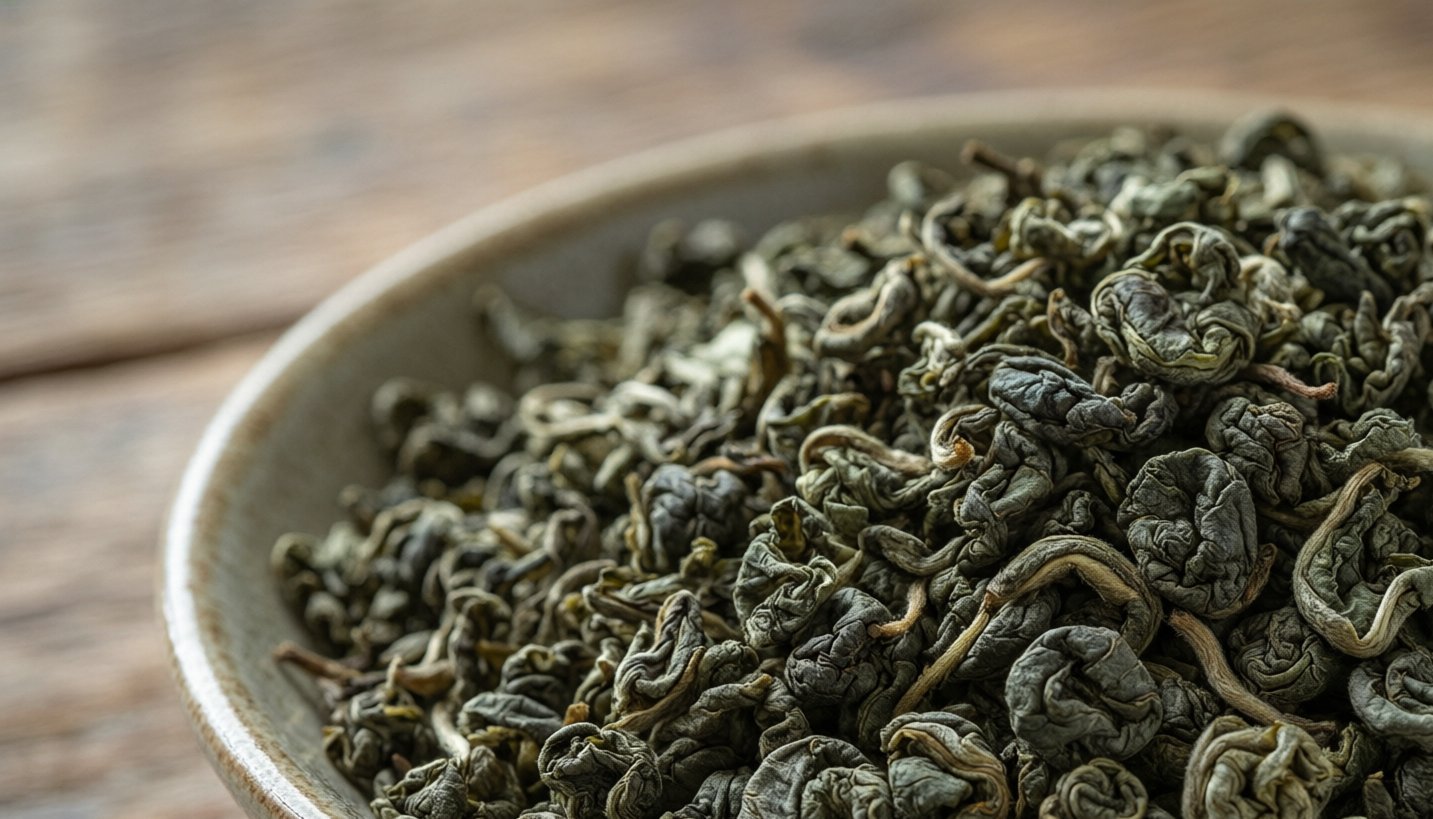
- Dry leaf: long, glossy dark strips with a slight twist; not dull green, not charred black.
- Aroma: roasted sweetness, stone fruit, orchid, or osmanthus notes over a mineral base; avoid a sharp ashy smell that never softens.
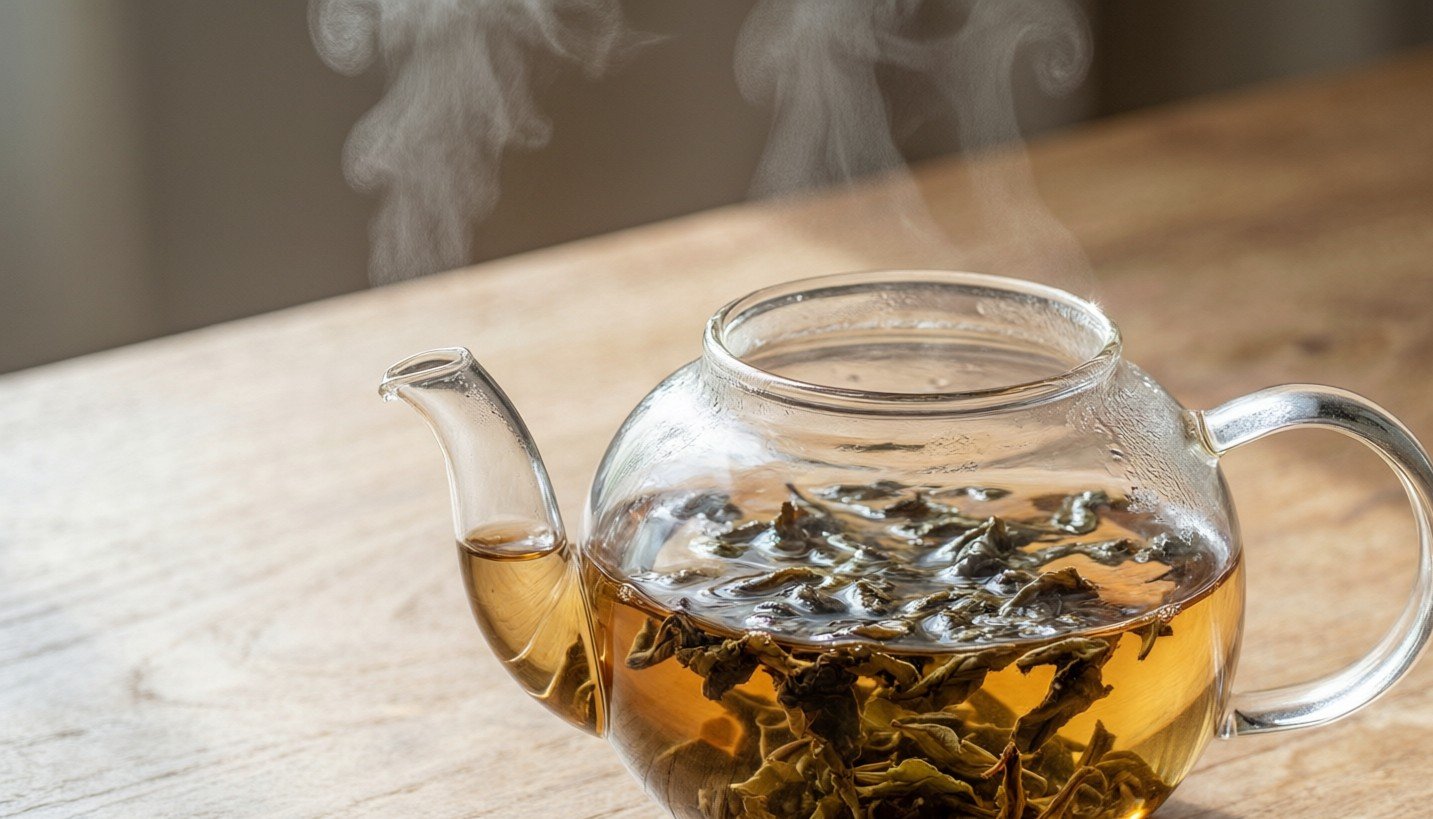
- Liquor: bright orange-gold or deeper amber depending on roast level; the mouthfeel should be thick rather than thin.
- Wet leaf: soft and pliable, showing brown-red edges around green centers; no dead-green or burnt fragments.
The Strongest Buying Window: August Through October
For most international buyers, the late-summer and early-autumn window is the sweet spot. By this point the tea has rested after its charcoal finish, the fire taste has relaxed, and the aroma has opened. You can cup multiple lots side by side and make a decision based on the cup that will actually arrive, not the one you hope will appear after storage.
The trade-off is availability. Top core-area lots often sell out earlier through long-term relationships. If you are buying several hundred kilograms or more, a hybrid strategy works best: pre-order a portion in May, then taste retained samples in August and confirm or adjust the balance.
This is also the time to ask for a retention sample sealed at the same moisture content as the shipped lot. Store it against future deliveries as a reference.
When Not to Buy
There are three common mistakes.
- Too early. Buying "fresh" Da Hong Pao in March usually means buying previous-year tea or an early lot marketed as more premium than it is.
- Too soon after firing. A tea evaluated within days of its final roast can taste scorched even when the underlying lot is excellent.
- Too late without a plan. By December, the strongest spring lots are often allocated. You can still buy well, but your selection narrows.
Mid-Article Support for Buyers
Rather than buying blind in March when there is little true current-year Wuyi leaf available, request dated samples after final roast. For a current-year Da Hong Pao sample pack and harvest calendar, email xuansc2144@gmail.com and ask for the lot's plucking date, roast finishing date, and storage notes.
Storing Fresh Da Hong Pao After You Buy
After purchase, keep the roasted oolong in a sealed, opaque container away from heat, light, and strong food odors. A cool, dry, dark cabinet is better than refrigeration, which can introduce moisture if the tea is opened and resealed repeatedly. For long-term holding, portion the lot into smaller vacuum-sealed packs and open only what you will use within a few weeks.
If the tea still shows obvious fire taste when it arrives, let it rest in its sealed container for two to four weeks before final evaluation. The roast will continue to settle.

Get the Right Spring Lot Without the Guesswork
Da Hong Pao sourcing rewards patience. Lock a small early reservation if the supplier is proven, but make your real commitment after the tea has rested and you have tasted the settled cup. If you are building a retail or wholesale program, the August-to-October window is the most defensible time to buy.
For help comparing current-year Da Hong Pao lots, email xuansc2144@gmail.com with your target volume, roast preference, and destination market. A clear plucking date, roast date, and retained sample should be non-negotiable in your sourcing process.
Frequently Asked Questions
What is the best month to buy Da Hong Pao spring tea?
August through October is usually the most reliable window. The spring harvest has been roasted and rested, so the aroma and liquor reflect the finished tea rather than fire heat.
Can I buy fresh Da Hong Pao in March?
Most "fresh" Da Hong Pao offered in March is previous-year stock or an early low-elevation lot. True Wuyi spring material generally reaches the market later. Ask for the exact plucking date before buying.
How long should Da Hong Pao rest after roasting?
A rest of several weeks to two or three months often makes a significant difference. The fire taste from charcoal roasting softens, and the floral, mineral, and roasted-sugar notes become easier to judge.
Does spring Da Hong Pao improve with age?
Many roasted rock oolongs become rounder in the first year or two when stored well, but this is not a guarantee. Buy based on the current settled cup, and treat any further mellowing as a benefit rather than a reason to purchase a flawed lot.
Should I pre-order or wait for settled lots?
For larger volumes, combine both approaches. Reserve a small portion early with a trusted supplier, then confirm the larger order after tasting rested samples in the August-to-October window.
References
[1] GB/T 30357.4-2015, Oolong tea—Part 4: Wuyi rock tea, Standardization Administration of the People's Republic of China.
[2] FAO Intergovernmental Group on Tea, World tea production and trade: current market situation and medium-term outlook, Food and Agriculture Organization of the United Nations.
No author description available.

白玉京