How to Brew Bingdao Pu-erh Tea the Right Way
Bingdao raw pu-erh carries one of the most recognizable flavor profiles in Yunnan’s Lincang tea region: thick, sweet, cooling, and deceptively gentle until it is over-brewed. The difference between a flat, bitter cup and the soft, syrupy texture people pay for usually comes down to preparation, not the cake. This guide covers the water, ratio, temperature, vessel, and timing choices that let Bingdao raw pu-erh open up properly across multiple infusions.
Why Bingdao Pu-erh Brews Differently
Bingdao is not a factory brand or a processing method. It is a village area in the Mengku tea region of Lincang, Yunnan, and most Bingdao tea on the market is raw pu-erh, or sheng cha. China’s geographical indication standard defines raw pu-erh as sun-dried Yunnan large-leaf tea that is compressed for aging rather than fully fermented [1]. That raw character is why temperature, rinse time, and infusion length matter more than they do for ripe pu-erh.
Young Bingdao raw pu-erh often shows a distinct sweetness that appears early in the sip and lingers at the back of the throat. The texture can feel dense and almost broth-like, with a cool menthol finish that is sometimes described as a mountain spring sensation. None of that survives if the leaves are scalded by a long first steep or left to sit in a pot between infusions.
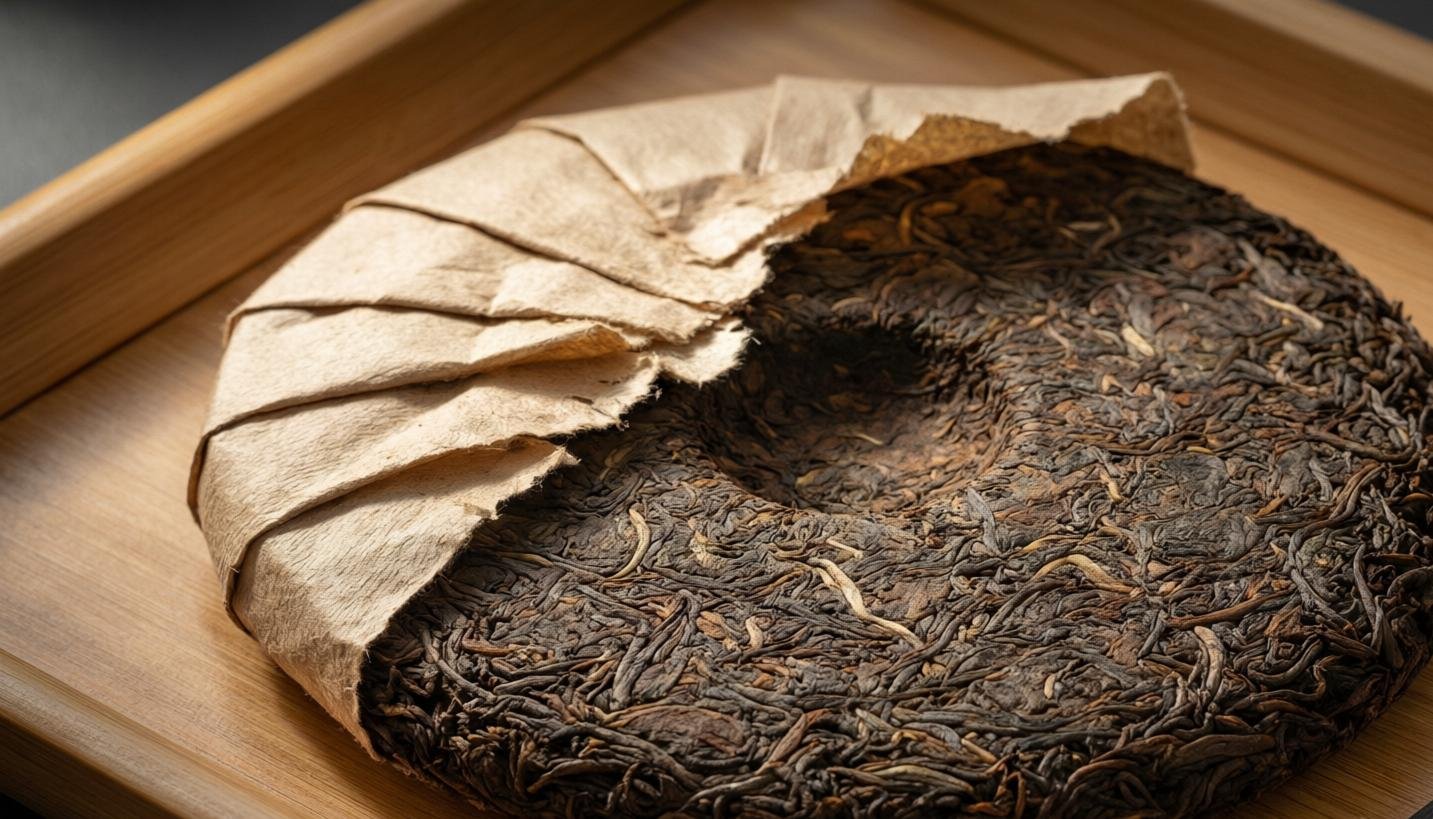
Because Bingdao material is highly responsive to contact time, treat brewing as a series of short extractions. The goal is to draw out aroma and sweetness gradually rather than exhausting the leaf in the first two rounds.
Brewing Setup: Water, Vessel, and Cake Prep
Good water is the first variable to control. Hard, heavily chlorinated, or boiled-to-death water will mute the delicate top notes of Bingdao raw pu-erh. Use freshly drawn filtered or spring water, and bring it to 95–100°C. For very young raw pu-erh, water slightly off a full boil can reduce sharpness, but full-boiling water is standard for aged material.
The preferred brewing vessel is a porcelain gaiwan or a thin porcelain teapot. Porcelain does not absorb aroma and lets you observe the leaves and liquor color. A Yixing clay pot can add body, but it is not required for a clean Bingdao session. The key is full drainage: raw pu-erh should never rest in water between infusions.
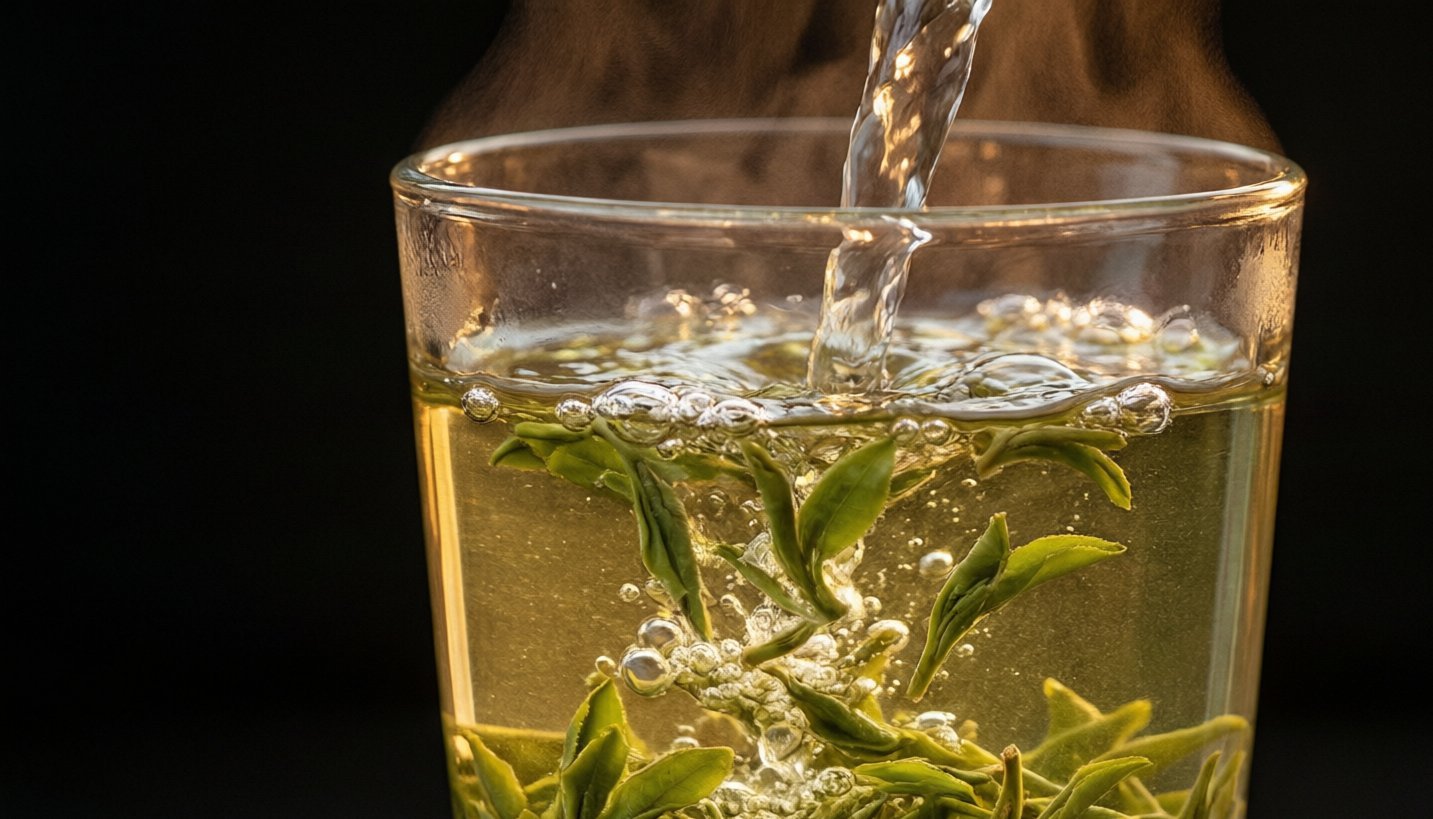
Preparing the cake is just as important. Break off whole leaves rather than snap the cake into dust, and keep the flake size consistent. Heavy leaf damage releases tannins quickly and makes bitterness harder to control. Loosen the compressed piece gently with a tea pick, and weigh it.
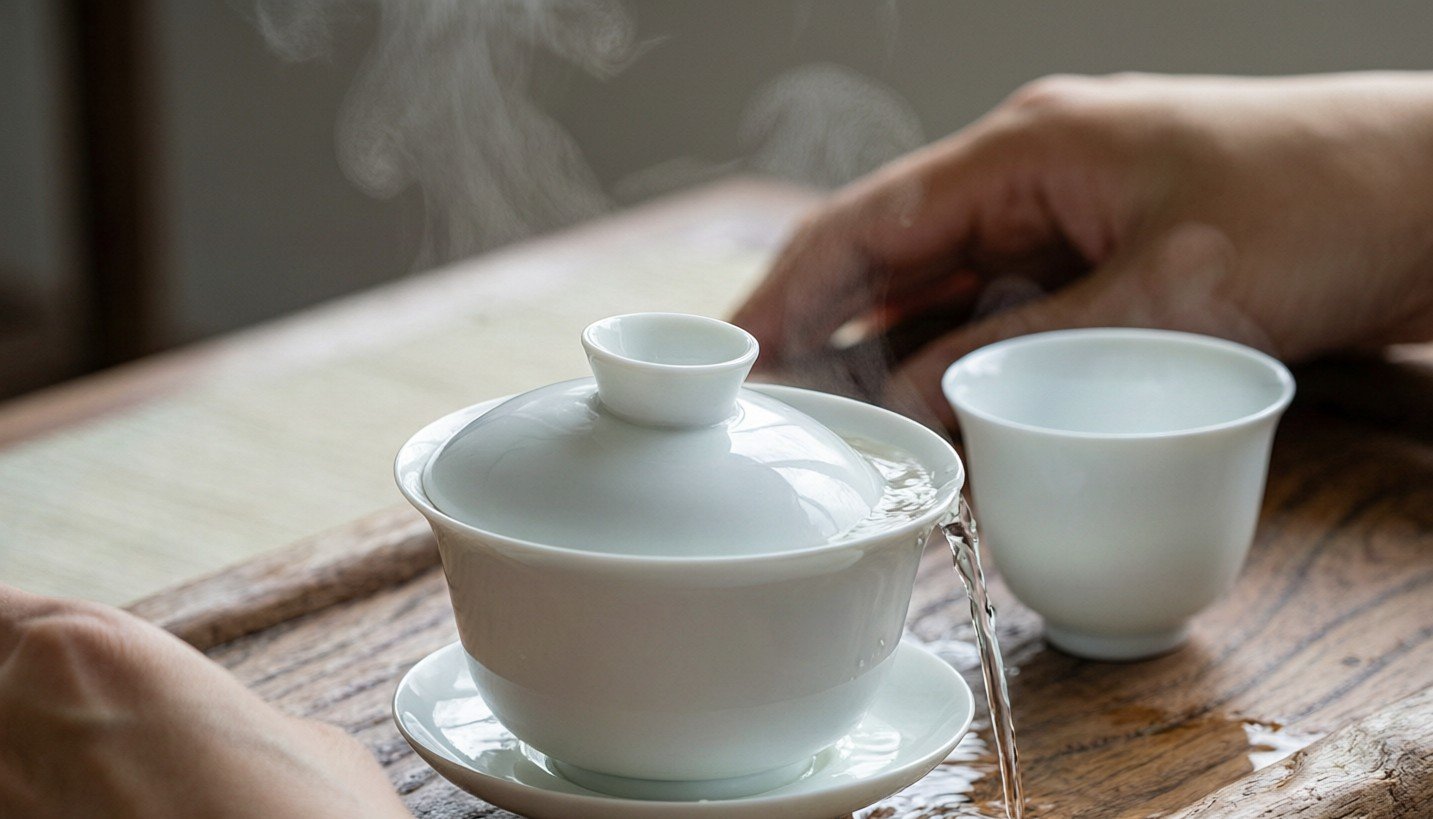
Gongfu Brewing Parameters
Traditional gongfu brewing follows the core principle of short, repeated infusions. ISO 3103 provides a standardized tea preparation method for sensory testing, but Bingdao raw pu-erh is usually brewed with a much higher leaf-to-water ratio and much shorter contact times in practice [2]. The table below is a starting point, not a universal specification.
| Stage | Temperature | Time | Notes |
|---|---|---|---|
| Rinse | 95–100°C | 1–3 seconds | Discard after a quick wetting of the leaf |
| Infusions 1–3 | 95–100°C | 5–10 seconds | Pour out quickly; sweetness should be immediate |
| Infusions 4–7 | 95–100°C | 10–20 seconds | Increase gently only when flavor thins |
| Infusions 8+ | 95–100°C | 25–40 seconds | Extended steeps can reveal honey and aged notes |
A practical ratio is about 5 grams of tea for every 100 milliliters of vessel volume, or roughly 7–8 grams in a 150 ml gaiwan. If the cup is too sharp, lower the first steeps rather than dropping water temperature first. If sweetness disappears too quickly, use more leaf and keep the pour fast.
The rinse is functional, not ceremonial. It opens compressed edges, removes loose dust, and wakes the leaf. For raw Bingdao, the rinse should be brief enough that you are not throwing away the first aromatic layer.
Sourcing Bingdao Pu-erh Samples for Wholesale
If you are evaluating Bingdao cakes for purchase, ask suppliers for the harvest year, village-level origin, pressing weight, and whether the lot includes old-tree material. For a sample set with batch photos and cupping notes, email xuansc2144@gmail.com. In your inquiry, state whether you want sheng or shou Bingdao, the quantity range, and your target market. That keeps the first conversation focused on the parameters that affect price and brewing behavior.
Five Mistakes That Flatten Bingdao Pu-erh
Oversteeping the first infusion. Many drinkers treat raw pu-erh like black tea and steep for a minute. That draws out a wall of tannin and makes recovery difficult. Start with flash infusions.
Using boiling water as a blanket rule for every cake. Full-boiling water is right for most Bingdao raw pu-erh after the rinse, but a very green, freshly pressed young cake may taste cleaner at 95°C. Adjust by taste, not habit.
Breaking the cake into powder. Fine leaf fragments extract too fast and turn bitter. Whole, loosely separated flakes steep more evenly.
Letting water pool in the gaiwan. Always pour the liquor out completely. Residual water keeps the leaf extracting even while you drink, so the next infusion starts bitter.
Changing too many variables at once. If the tea is bitter, change one factor at a time: shorter steeps, then slightly lower temperature, then a lower ratio. Otherwise the problem is impossible to diagnose.
Adjusting for Cake Age and Condition
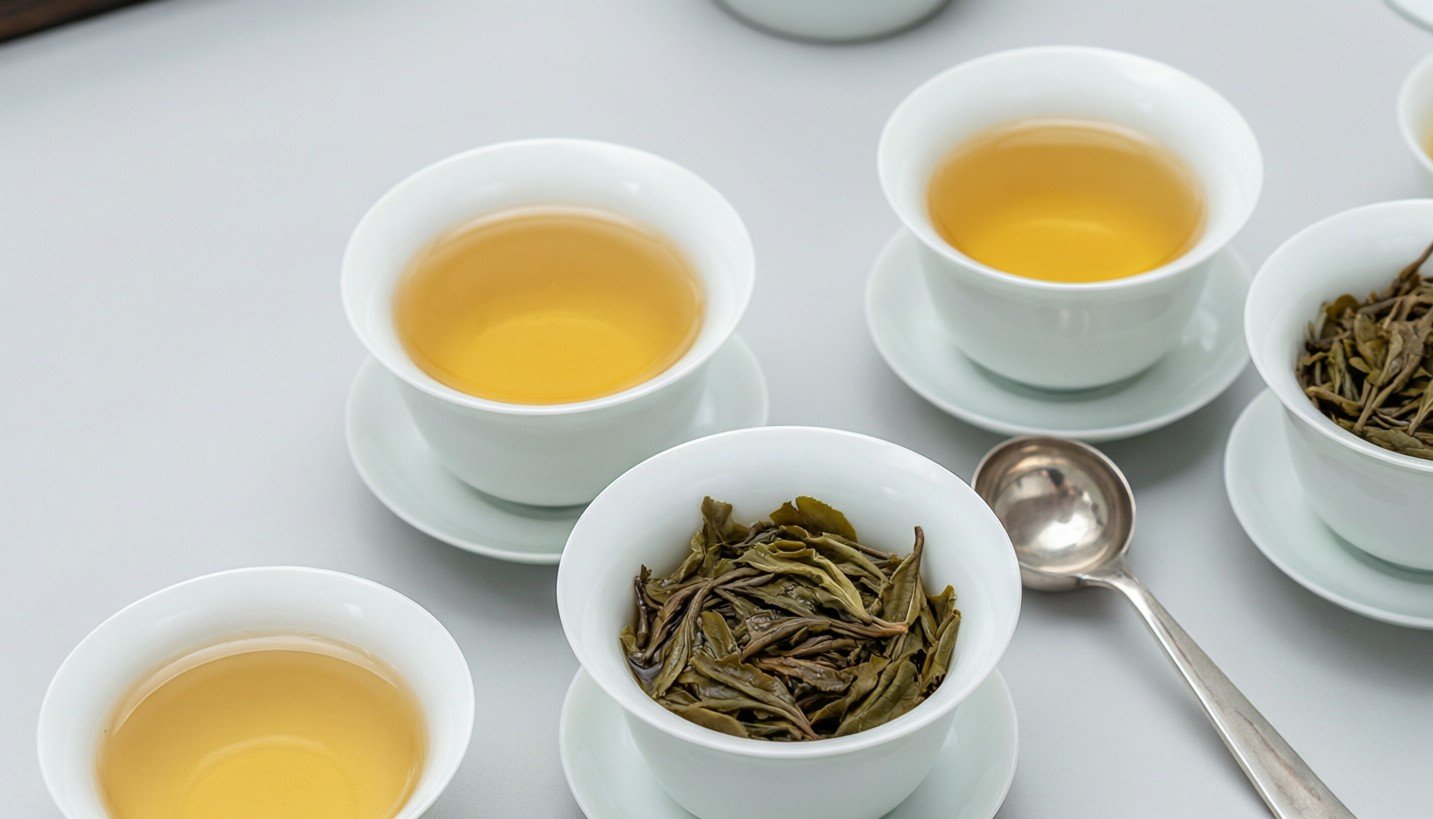
Young Bingdao raw pu-erh often rewards quick pours and a slightly lighter hand. As the cake ages, the leaf loses some of its initial punch and releases longer, sweeter rounds. For material older than five to seven years, the same parameters can stay, but the tea usually tolerates longer infusions and gains depth with each re-infusion [3].
Dryness of the cake also matters. A humid-stored cake may need shorter early steeps because the tea extracts quickly. A dry-stored cake often needs a longer rinse and a slightly higher leaf ratio to reach the same intensity. Tasting the rinsed leaf and the first cup side by side will tell you which direction to move.
Work With a Bingdao Pu-erh Supplier
If you are building a tea program, stocking Bingdao raw pu-erh profitably depends on more than a good cup. Request specification sheets, pesticide test reports, pressing details, and storage history before comparing prices. Ask how the supplier verifies origin, because Bingdao is one of the most imitated village names in pu-erh.
For current availability, sample sets, and wholesale pricing, contact Chinese tea suppliers at xuansc2144@gmail.com. A complete inquiry should include the product type, target MOQ, destination market, and preferred cake or loose-leaf format.
FAQ
Can I brew Bingdao raw pu-erh Western style?
You can, but it is usually less rewarding. Use a lower ratio, around 2 grams per 250 ml, pour 95–100°C water, and steep for 1–2 minutes. Western style will produce a pleasant cup, but it will not show the layered sweetness that short gongfu infusions reveal.
Do I need to rinse raw pu-erh?
One brief rinse is standard. It opens compressed leaf, removes dust from pressing and storage, and prepares the leaf for an even first infusion.
What should I do if the tea tastes bitter?
Shorten the first two infusions first, then lower the water temperature slightly, then reduce the leaf-to-water ratio. Change only one variable at a time so you know what actually worked.
How many infusions should Bingdao raw pu-erh give?
A well-made gongfu session often produces eight to fifteen infusions when the leaf is whole and the cake is fresh. Later rounds can be sweeter and softer than the first ones.
Is Bingdao raw pu-erh always expensive?
The name covers a wide range of material, and price depends on village, tree age, harvest season, and age of the cake. Brewing skill matters at every price level, but no technique can turn low-grade material into true old-tree Bingdao.
References
[1] Standardization Administration of China, Product of Geographical Indication—Pu'er Tea, GB/T 22111-2008, Beijing, China, 2008.
[2] International Organization for Standardization, Tea—Preparation of Liquor for Use in Sensory Tests, ISO 3103:2019, Geneva, Switzerland, 2019.
[3] M. L. Heiss and R. J. Heiss, The Story of Tea: A Cultural History and Drinking Guide, Berkeley, CA, USA: Ten Speed Press, 2007.
No author description available.

白玉京