Huangguanyin Tea Cost in 2026: Wholesale Price Guide
Huangguanyin, often called Yellow Guanyin, is one of the most practical floral oolongs for importers and private-label buyers. It delivers the high-aroma, creamy character that many buyers associate with Anxi Tieguanyin, but at a more accessible raw-material cost. The actual 2026 price is not a single number: it depends on harvest season, leaf grade, processing style, certification, packaging, order size, and Incoterm. This guide explains the ranges, the reasons behind them, and how to compare supplier quotes without overpaying.
What Huangguanyin Tea Is
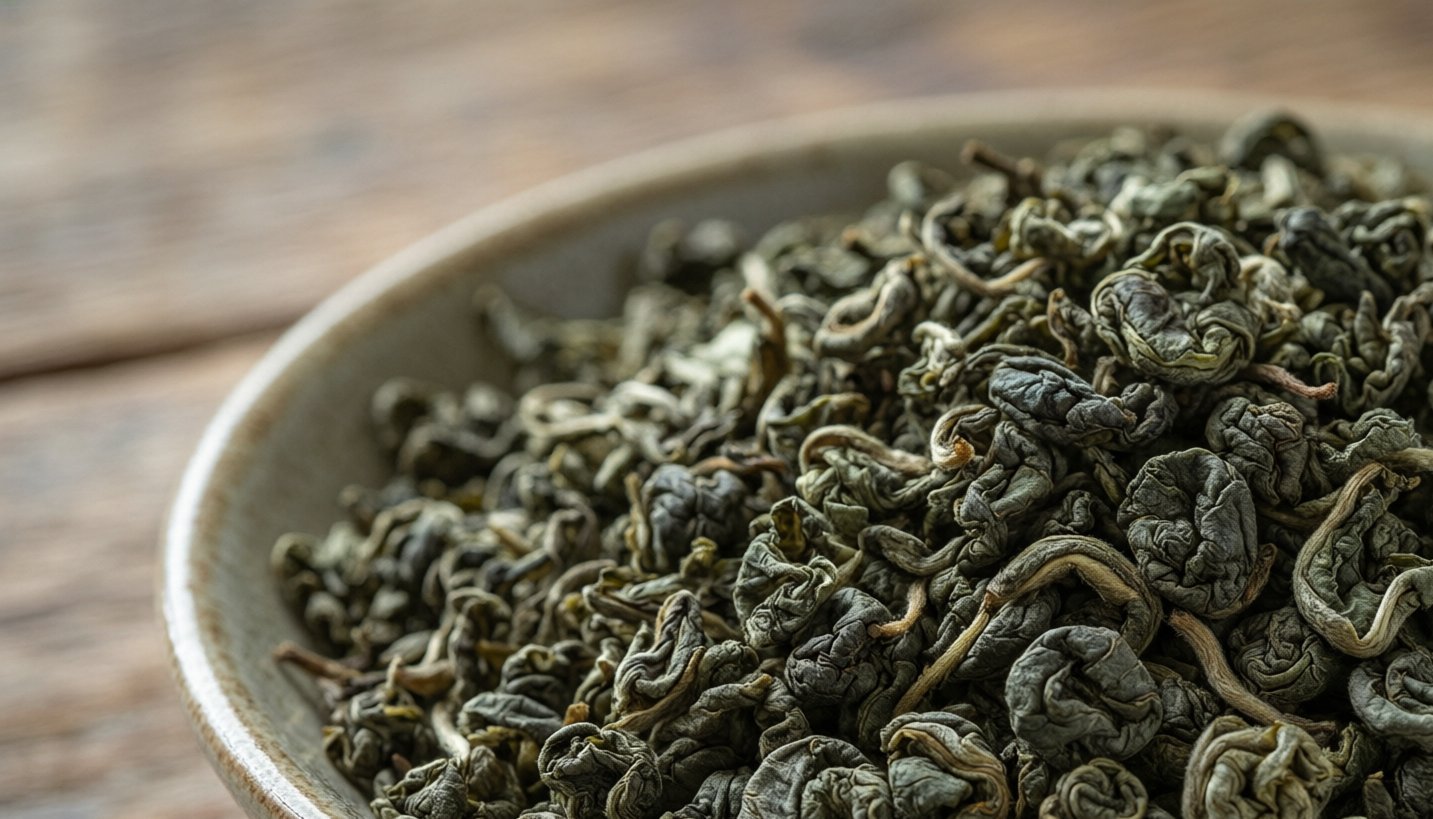
Huangguanyin is a clonal oolong cultivar developed by the Fujian Tea Research Institute, with Tieguanyin and Huangdan as its parents. It is grown mainly in Anxi County and nearby Fujian oolong areas, and it has expanded to other Chinese oolong regions because of its strong aroma and reliable yield. Most Huangguanyin is processed in a rolled Anxi oolong style, though strip-style and lightly roasted versions also appear in wholesale catalogs.
The cultivar is productive and relatively tolerant, so raw-leaf prices usually sit below traditional Tieguanyin of comparable origin. That does not mean the tea is low quality. A well-made lot can show pronounced orchid, honeysuckle, and sweet cream notes with a clean finish. For buyers, the main commercial point is value: Huangguanyin often offers a stronger aromatic profile per dollar than many other Anxi oolongs [2].
Huangguanyin Tea Price Ranges in 2026
Wholesale FOB China prices for Huangguanyin generally fall into four broad bands. These are indicative 2026 ranges based on trade and industry data, not fixed quotes. The key variables are leaf standard, harvest type, origin, processing, and purchase volume. The figures below exclude freight, insurance, import duty, packaging customization, and destination-side costs unless the supplier states otherwise [1][3].
| Grade / Leaf Standard | Typical FOB China Wholesale Price (USD/kg) | Notes |
|---|---|---|
| Machine-harvested entry grade | $8–14 | High-volume lots, smaller leaf, lighter aroma, suitable for foodservice or blends |
| Hand-picked mid-grade | $14–25 | Better leaf integrity, clearer floral character, common for specialty retail |
| Premium single-origin grade | $25–45 | Core Anxi source, consistent sorting, spring or autumn harvest, traditional finish |
| Lot-selected / competition grade | $45–80+ | Small micro-lots, handmade roast or repeated firing, limited availability |
Retail prices are naturally higher. After packaging, distribution, branding, and retail margin, the same tea commonly reaches the equivalent of $30–$120 or more per kilogram on Western shelves, with smaller tins and gift boxes carrying the highest per-unit markup. If you are buying wholesale, the most important number is the FOB or CIF price per kilogram against a defined grade, not the retail price of a branded tin.
What Moves Huangguanyin Prices in 2026
Harvest Season and Raw Leaf Cost
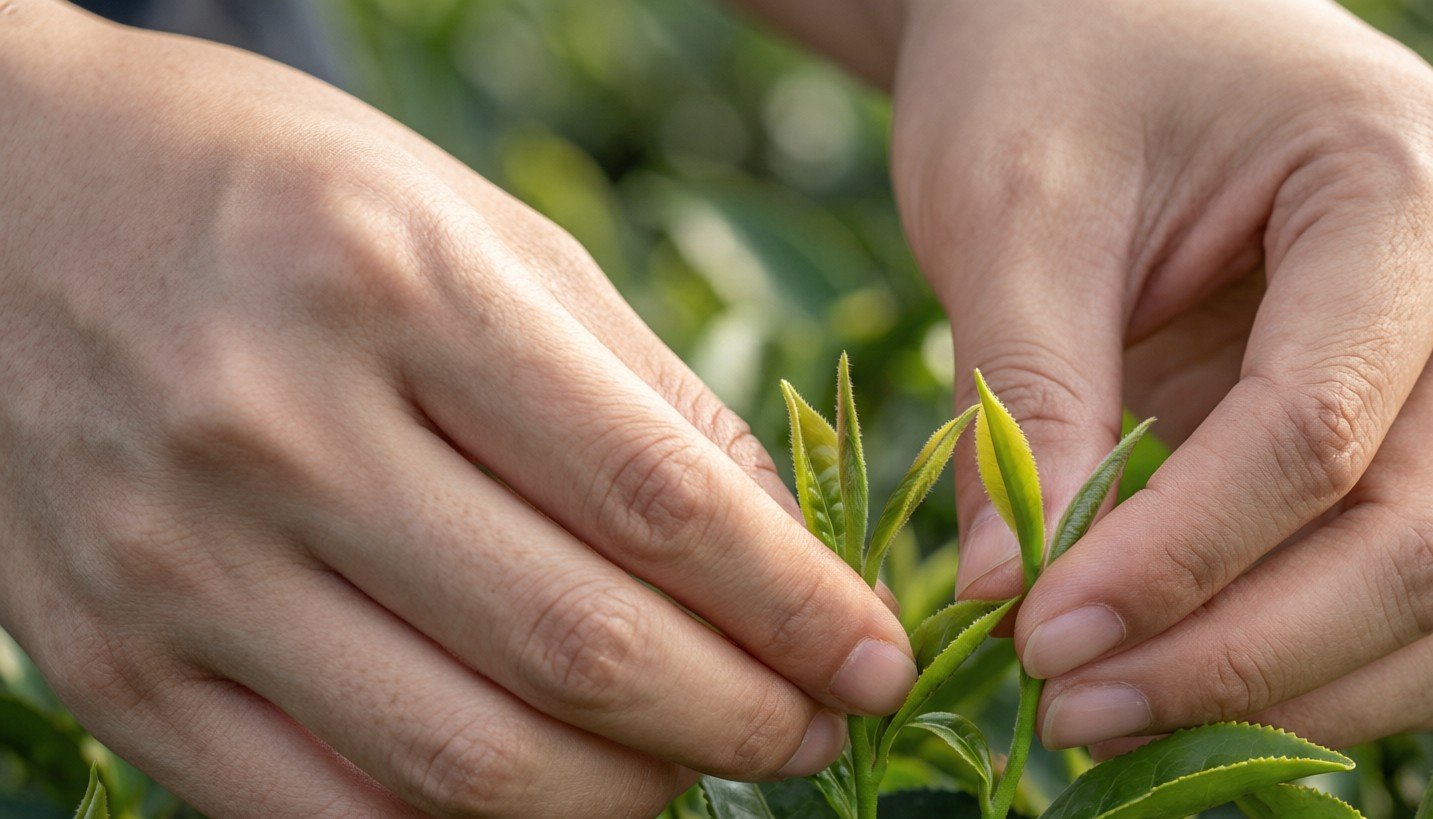
Spring and autumn are the main commercial harvests for Anxi oolong. Spring lots tend to be aromatic, soft, and fresher in cup character; autumn lots often have stronger body and more pronounced fragrance. Either harvest can command a premium when the leaf is hand-picked and sorted carefully. Machine harvesting lowers labor cost and therefore lowers the raw-leaf price, but it may reduce leaf integrity and brewing consistency [5].
Processing Style and Roast Level
Light-fragrance Huangguanyin is usually finished to preserve floral top notes. Traditional charcoal-roasted or multiple-fired versions require more labor, time, and skill, so they sit higher in the price range. If a supplier quotes a roasted lot far below the cost of a light-fragrance lot, check whether the roast is hiding lower-grade leaf or stale material.
Origin, Certification, and Testing
Tea from core Anxi townships or specific high-elevation gardens usually costs more than tea from peripheral growing areas, even when both carry the Huangguanyin name. Organic certification, Rainforest Alliance, HACCP, ISO 22000, and EU or USDA residue-testing compliance also add cost. These are not intangible premiums: they represent audit, inspection, and documentation work that protects an import order. Ask for the testing report and certificate number rather than accepting a verbal claim [5].
Currency, Logistics, and Tariffs
Most Chinese tea is priced in RMB or USD. If the RMB strengthens against your local currency, your landed cost rises even when the supplier's FOB price stays unchanged. Freight mode, destination duties, and customs brokerage also matter. Air freight is faster but far more expensive per kilogram than sea freight, especially for small orders. For 2026 planning, model currency movement separately from the tea price and confirm whether the quote is FOB, CIF, or DDP before comparing suppliers [4].
For importers evaluating Huangguanyin for a private-label oolong line, the fastest way to move from these ranges to a usable quotation is to send your target grade, order volume, destination port, and certification requirements to Chinese tea suppliers at xuansc2144@gmail.com. Request the current FOB price per kilogram, lead time, and available test reports before scheduling samples.
How to Compare Huangguanyin Quotes Like a Professional Buyer
A cheap quote is only useful if the leaf, processing, and compliance match what you intend to sell. Use this checklist when comparing suppliers:
- Confirm the exact cultivar and production year or season.
- Ask for FOB or CIF terms, not a vague “per kg” number.
- Require moisture content, leaf grade, and sorting standard.
- Request pesticide residue tests relevant to your market.
- Check whether packaging, private-label printing, and batching are included.
- Ask for a pre-production sample and a production sample from the actual lot.
- Clarify MOQ, payment terms, and whether price is locked for the order period.
- Confirm whether the quote is for machine-harvested or hand-picked leaf.
- Review the supplier's track record with oolong, not just tea in general.
- Get everything material in writing before paying a deposit.
Common Buying Pitfalls
One common mistake is paying a Tieguanyin-level price for a generic Huangguanyin lot without seeing the leaf. Huangguanyin can be excellent, but its price advantage disappears if the supplier does not distinguish grade, season, and origin. Another mistake is treating Huangguanyin as an aging tea. Unlike pu-erh or aged white tea, Huangguanyin is valued mainly for fresh aroma and clean oolong character; there is no meaningful storage-age premium for most commercial lots. Buy for freshness and turnover, not for cellaring.
Also avoid locking in a price without understanding exchange-rate exposure. A small supplier discount can disappear quickly if currency moves against your local market during production and shipping. Finally, do not assume that “high mountain” or “hand-made” language justifies a large premium without documentation. A clear invoice, lot number, and testing report are more useful than descriptive claims.
Get a Verified Huangguanyin Quote for Your Market
Send your requirements to Chinese tea suppliers at xuansc2144@gmail.com and include the following details for a faster, more accurate response:
- Target grade or leaf standard
- Spring or autumn harvest preference
- Quantity or MOQ
- Packaging format and private-label needs
- Destination port or country
- Required certifications and residue-testing standards
A complete inquiry helps the supplier quote the correct grade rather than a generic price, which saves time and reduces the risk of sample mismatch.
Frequently Asked Questions
Is Huangguanyin tea expensive compared with Tieguanyin?
Usually it is less expensive than traditional Anxi Tieguanyin of comparable origin and leaf standard, because Huangguanyin is a more productive cultivar. A well-made Huangguanyin can still be premium-priced when it comes from a strong core-origin garden, is hand-picked, and receives careful finishing.
What is a reasonable wholesale price per kilogram in 2026?
For indicative FOB China pricing, most commercial lots fall between roughly $8 and $45 per kilogram, with lot-selected or premium roasted versions reaching $80 or more per kilogram. The final landed cost depends on grade, volume, freight, duties, packaging, and currency.
Why do Huangguanyin quotes vary so much between suppliers?
The main reasons are leaf grade, harvest season, origin, processing style, certification, and order size. One supplier may quote machine-harvested light-fragrance leaf from a peripheral area, while another quotes hand-picked core-Anxi spring leaf with organic certification. Those are different products, not the same tea at different prices.
Is it cheaper to buy Huangguanyin in bulk?
Yes, in most cases. Larger orders reduce unit packaging, handling, and processing setup costs, and they give buyers more leverage on price. However, bulk buying only makes sense when you have storage conditions that protect oolong freshness: cool, dry, sealed, and away from strong odors.
Does Huangguanyin tea improve with age?
For most commercial lots, no. Huangguanyin is best consumed fresh for its floral, creamy oolong character. Some roasted versions may soften slightly over a few months, but they are not investment aging teas. Do not pay a storage-age premium unless the supplier can prove a specific positive transformation.
References
[1] UN Comtrade, “UN Comtrade Database,” https://comtradeplus.un.org/ (accessed 2026).
[2] China Tea Marketing Association, “2026 China Tea Industry Annual Report,” https://www.ctma.com.cn/ (accessed 2026).
[3] Food and Agriculture Organization of the United Nations, “Tea: Intergovernmental Group on Tea,” https://www.fao.org/markets-and-trade/commodities/tea/en/ (accessed 2026).
[4] General Administration of Customs of China, “Tea export statistics,” http://english.customs.gov.cn/ (accessed 2026).
[5] Anxi County People’s Government, “Anxi County tea industry overview,” http://www.fjax.gov.cn/ (accessed 2026).
No author description available.

白玉京