Does Ripe Pu-erh Tea Really Get Better With Age? What the Data Shows
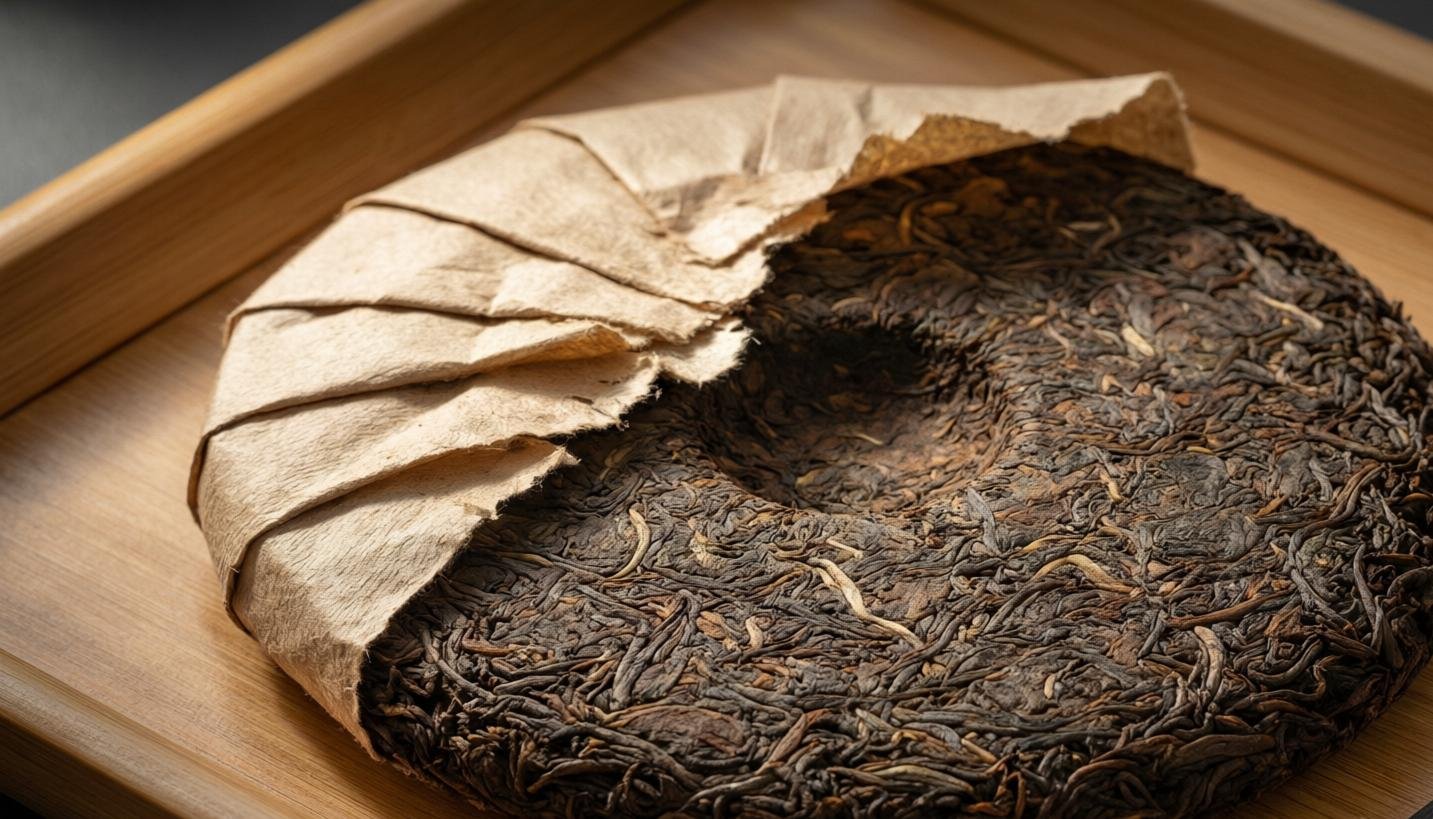
Ripe pu-erh (shou cha) is already a fermented tea by the time it is pressed into cakes. Wet-piling, also called wo dui, uses controlled heat and moisture to create a dark, mellow cup without waiting decades. The method was commercialized in the 1970s as an accelerated alternative to the slow natural conversion of raw pu-erh [1]. Because shou is already “finished,” the question of aging works differently from raw pu-erh: age can refine the cup, but it does not move in a straight line. The useful buying frame is not “older equals better” but “what changed, and did that change match the target profile?”
What “Aging” Actually Means for Ripe Pu-erh
Under China’s product standard for pu-erh, ripe pu-erh is classified as a post-fermented tea produced through pile fermentation, while raw pu-erh follows a slower natural conversion path [2]. For shou, aging is less about building fermentation from zero and more about two processes happening at once. First, the wet-pile character—often described as musty, compost-like, or slightly fishy—gradually softens into clean earth, wood, and dried fruit. Second, slow oxidation, residual enzyme activity, and microbial metabolism continue to adjust the tea’s acid profile and mouthfeel [1].
The difference matters for sourcing decisions. A raw pu-erh cake may need many years to become approachable, while a well-made ripe pu-erh is usually drinkable within its first few years. Age on shou mainly removes the production signature and integrates the material, which is why many buyers describe a rest period of a few years to a decade as the practical sweet spot rather than a rigid, universal rule.
| Attribute | Freshly piled shou | Well-aged shou |
|---|---|---|
| Aroma | Wet-pile, earthy, sometimes musty | Cleaner earth, wood, dried jujube |
| Taste | Can be sharp or slightly sour | Rounder, deeper, less sour |
| Texture | Often thinner | Thicker, smoother |
| Buying value | Lower price, more guessing | Higher premium, storage history matters |
This table does not describe every cake. Lot-specific differences in leaf grade, pile duration, pressing density, and storage environment can outweigh age alone.
What the Data Actually Shows
Broader reviews of pu-erh processing and health effects do not support the simple claim that age always moves quality upward. They show that microbial and chemical change is most active during fermentation and then slows in storage [3]. A chemical comparison of aged pu-erh, ripened pu-erh, and other tea types found that aged shou differs from freshly fermented shou in specific polyphenol and organic acid patterns, but the changes are gradual and storage-dependent [4].
In practical terms, the data point to four conclusions. First, most of shou’s fermentation character is already set before aging begins. Second, age primarily changes aromatic intensity, acidity, and texture rather than completely transforming the tea. Third, favorable aging requires a stable environment; poor storage can degrade value as quickly as good storage can improve it. Fourth, sensory preference remains subjective. A buyer who wants a heavy, humid-earth character may prefer a freshly mellowed cake over one that has become cleaner and softer with long storage.
Storage Conditions That Decide Whether Age Helps
Good storage is the real driver behind a successful aged shou. The key variables are humidity, temperature stability, air flow, and odor isolation. Humid storage accelerates change but risks mold and off flavors; dry storage preserves cleanliness but moves more slowly. Temperature swings cause the tea to expand and contract, which can loosen compressed cakes and pull in outside air. Odor contamination from spices, cleaning products, or warehouse fumes is especially damaging because tea absorbs volatiles readily.
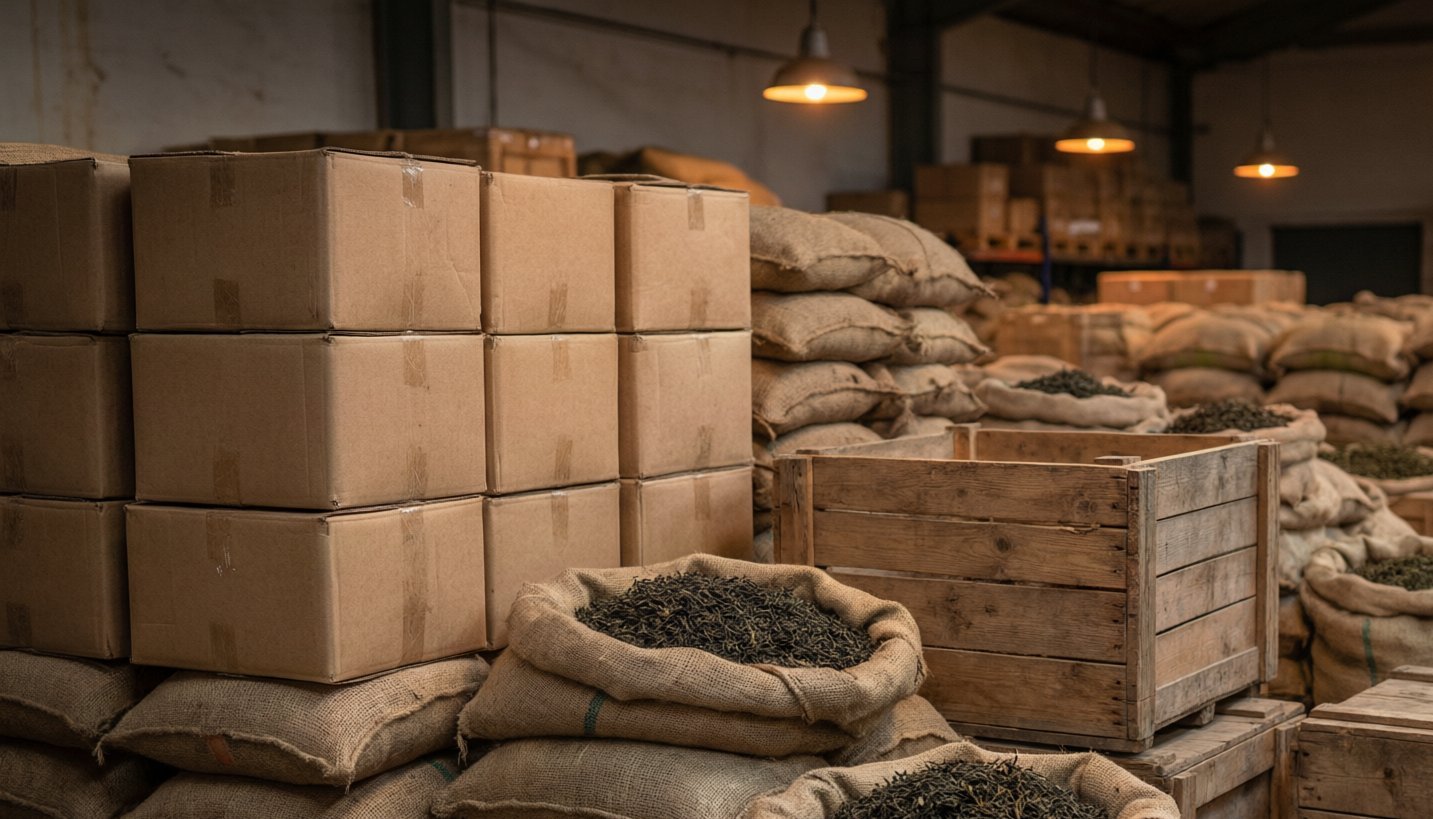
If you are sourcing aged shou, request the storage record before trusting the age claim. A wrapper printed with a year is far weaker than documentation showing location, humidity control, turning schedule, and sampling notes. For example, a wrapper claiming long storage without any warehouse history is less useful than a shorter documented storage record with clean logs and a current tasting note. Contact xuansc2144@gmail.com with your target age range and cup profile if you need a sample set to compare storage styles side by side.
How to Judge Whether an Aged Shou Is Worth the Premium
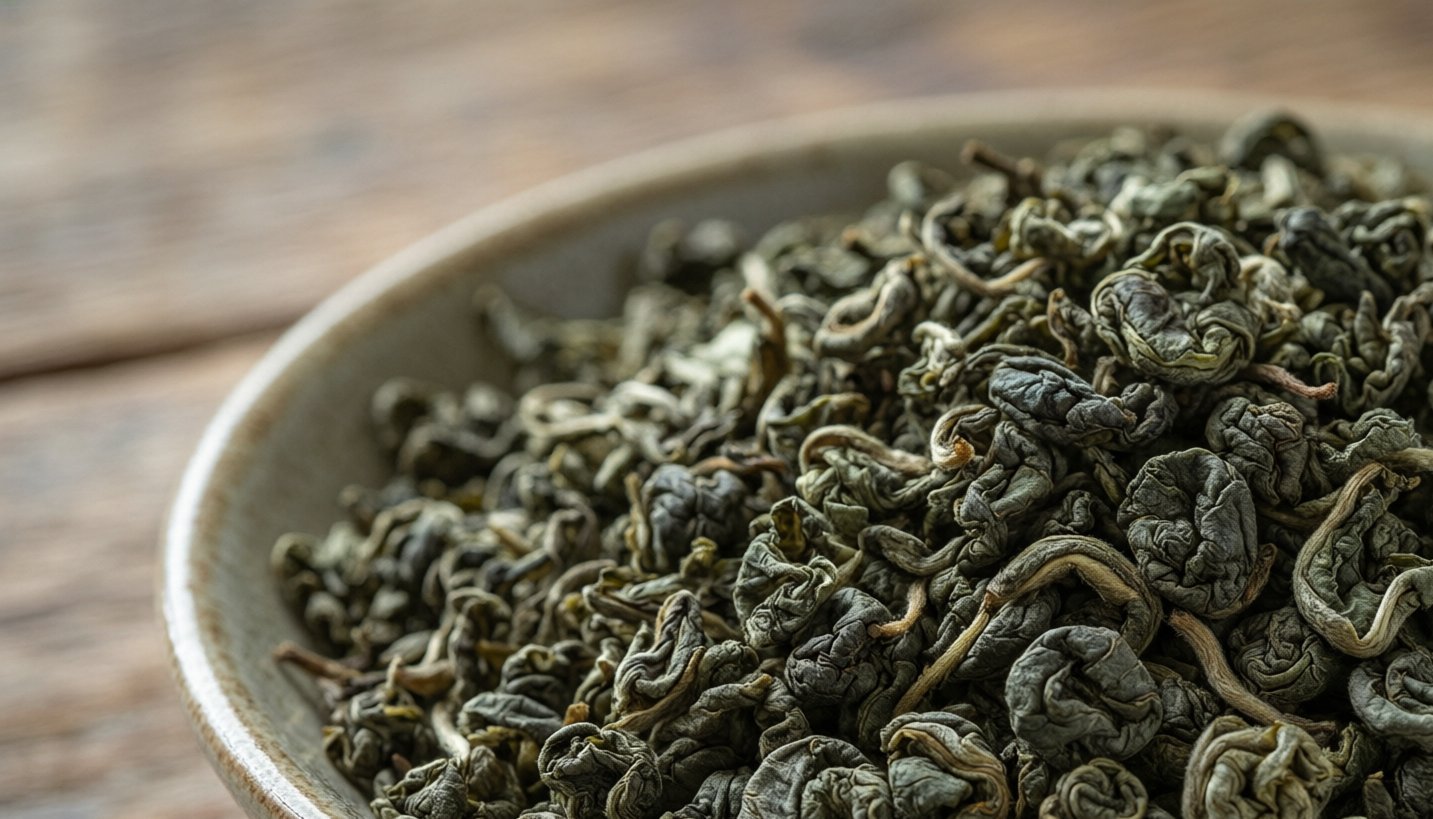
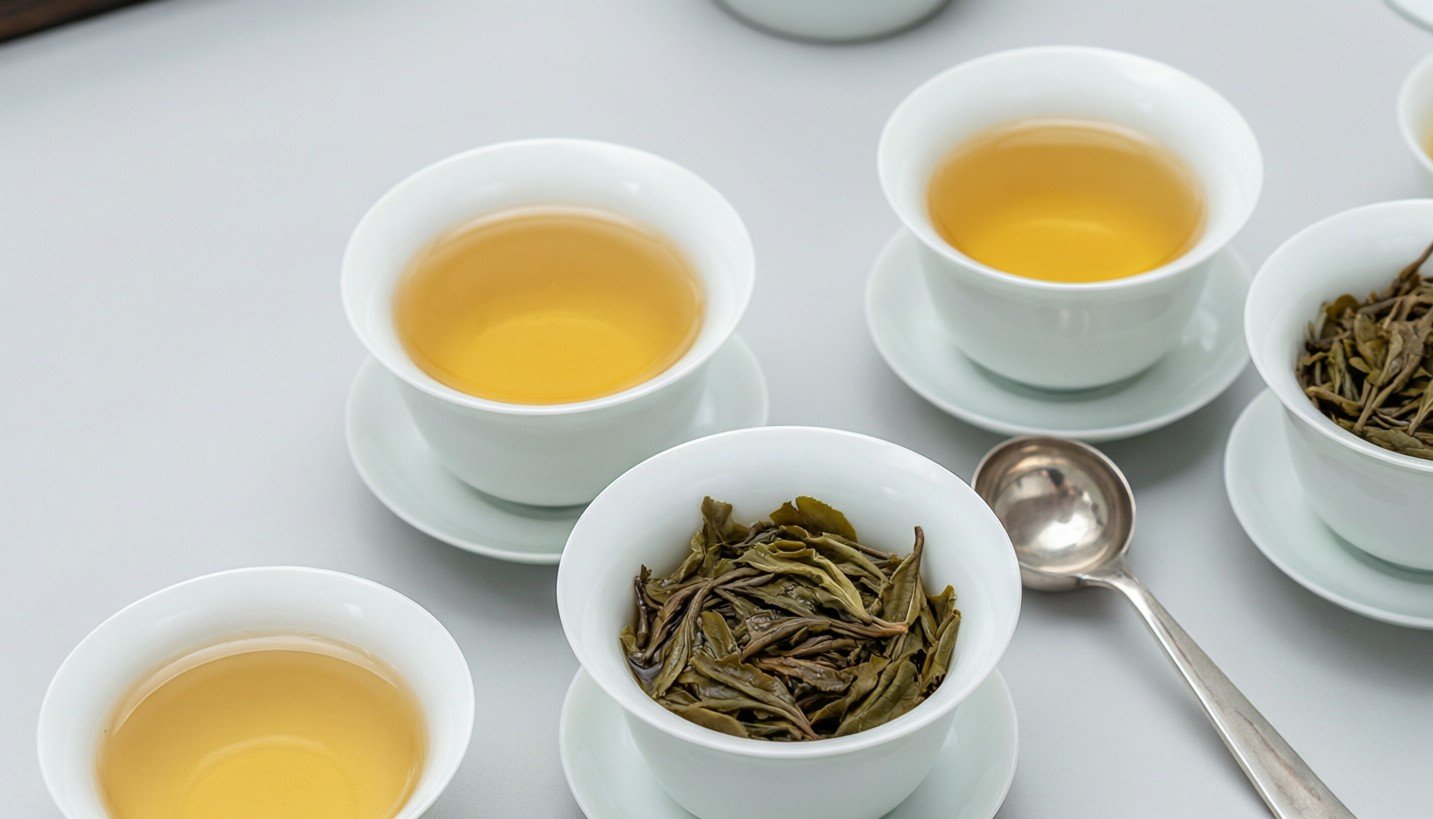
Tasting is one of the cheapest quality control tools. Start with the dry leaf: aged shou should look evenly colored and free of white bloom, blue-gray mold, or petroleum-like gloss. Rinse the leaf once, then smell the wet leaf. Clean aged shou smells of old wood, leather, jujube, or damp forest floor, not sour compost or mold. The liquor should be clear and deep reddish-brown, moving toward opaque black in older material without cloudiness. On the palate, age should bring roundness, a long sweet aftertaste, and no sharp sour bite at the front.
The price test matters just as much. Age premiums should be justified by documented storage, verified vintage, and better sensory performance. If two cakes taste similar and one costs much more because of a printed date, the extra money is buying a story, not proof. Regional differences also matter: Menghai-area shou often has a heavier, sweeter base, while other regions produce lighter, more mineral profiles. Age only makes sense as a purchasing criterion after the leaf material and fermentation quality are acceptable.
Common Misconceptions About Aging Ripe Pu-erh
The first misconception is that ripe pu-erh never declines. Poor storage can flatten aroma, create sourness, or introduce mold risk. The second is that older shou is always more expensive because it is always better. In reality, many price jumps reflect scarcity and collector demand, not a proportionate rise in cup quality. The third is that home aging works exactly like warehouse aging. Small quantities in a residence dry out faster, are harder to control, and are more exposed to household odors. The fourth is that all shou ages equally well. Low-grade material with weak structure can become dull and thin even with careful storage.
Sourcing Aged Ripe Pu-erh? Start With the Right Questions
Before you commit to an aged shou lot, work through this checklist:
- What is the production year, and does the lot documentation match the wrapper claim?
- Where was the tea stored, and under what humidity and temperature conditions?
- Can the supplier provide current tasting notes and a comparison against younger material?
- Has the cake been inspected for mold, off-odors, and broken compression?
- What justifies the age premium: documented storage, sensory quality, or only scarcity?
If you need help evaluating aged ripe pu-erh samples or comparing storage styles across origins, contact our sourcing team at xuansc2144@gmail.com. We work with buyers to match cup profile, budget, and documentation requirements before you commit to volume.
Frequently Asked Questions
Is older ripe pu-erh always better?
No. Age changes aroma, acidity, and texture, but quality depends on the original leaf, fermentation control, and storage hygiene. A clean younger cake can outperform a poorly stored older one.
Which age range is best for ripe pu-erh?
Many buyers find a rest period of a few years to a decade practical: the fresh pile character fades and the cup becomes rounder. The right window depends on whether you prefer heavier earthy notes or a cleaner, woodier finish.
Can ripe pu-erh go bad with age?
Yes. Excess humidity promotes mold, dry heat can flatten the tea, and strong ambient odors can be absorbed. Stable, clean storage matters more than the number of years.
Does aging ripe pu-erh increase caffeine?
The available chemical comparisons indicate that age mainly alters polyphenols, acids, and aromatic compounds rather than the caffeine base [4]. Caffeine is present in the leaf from the start and does not meaningfully increase during storage.
Should I buy aged shou or age it myself?
Most importers buy already aged shou because storage control and time add cost and risk. Home aging can work for small batches, but it requires stable humidity, temperature, and odor isolation. For reproducible inventory, documented warehouse-aged lots are usually the safer option.
References
- Lv HP, Zhang YJ, Lin Z, Liang YR. Processing and chemical constituents of Pu-erh tea: A review. Food Research International. 2013;53(2):608–618.
- National Standard of the People’s Republic of China. GB/T 22111-2008, Product of Geographical Indication—Pu’er Tea. Beijing: Standardization Administration of China; 2008.
- Lee LK, Foo KY. Recent advances on the beneficial use and health implications of Pu-Erh tea. Food Research International. 2013;53(2):619–628.
- Zhang L, Li N, Ma ZZ, Tu PF. Comparison of the chemical constituents of aged Pu-erh tea, ripened Pu-erh tea, and other teas using HPLC-DAD-ESI-MS. Journal of Agricultural and Food Chemistry. 2011;59(16):8754–8760.
No author description available.

白玉京