Sourcing Tea from China: A Step-by-Step Wholesale Guide
Sourcing tea directly from China can reduce markups, tighten traceability, and give buyers more control over grade, harvest date, and packing format. It also requires a disciplined process: most import problems are created before the purchase order is signed. This guide breaks the process into five steps for wholesale buyers, covering supplier verification, compliance, negotiation, and repeatable quality management.
Why Source Tea Directly from China?
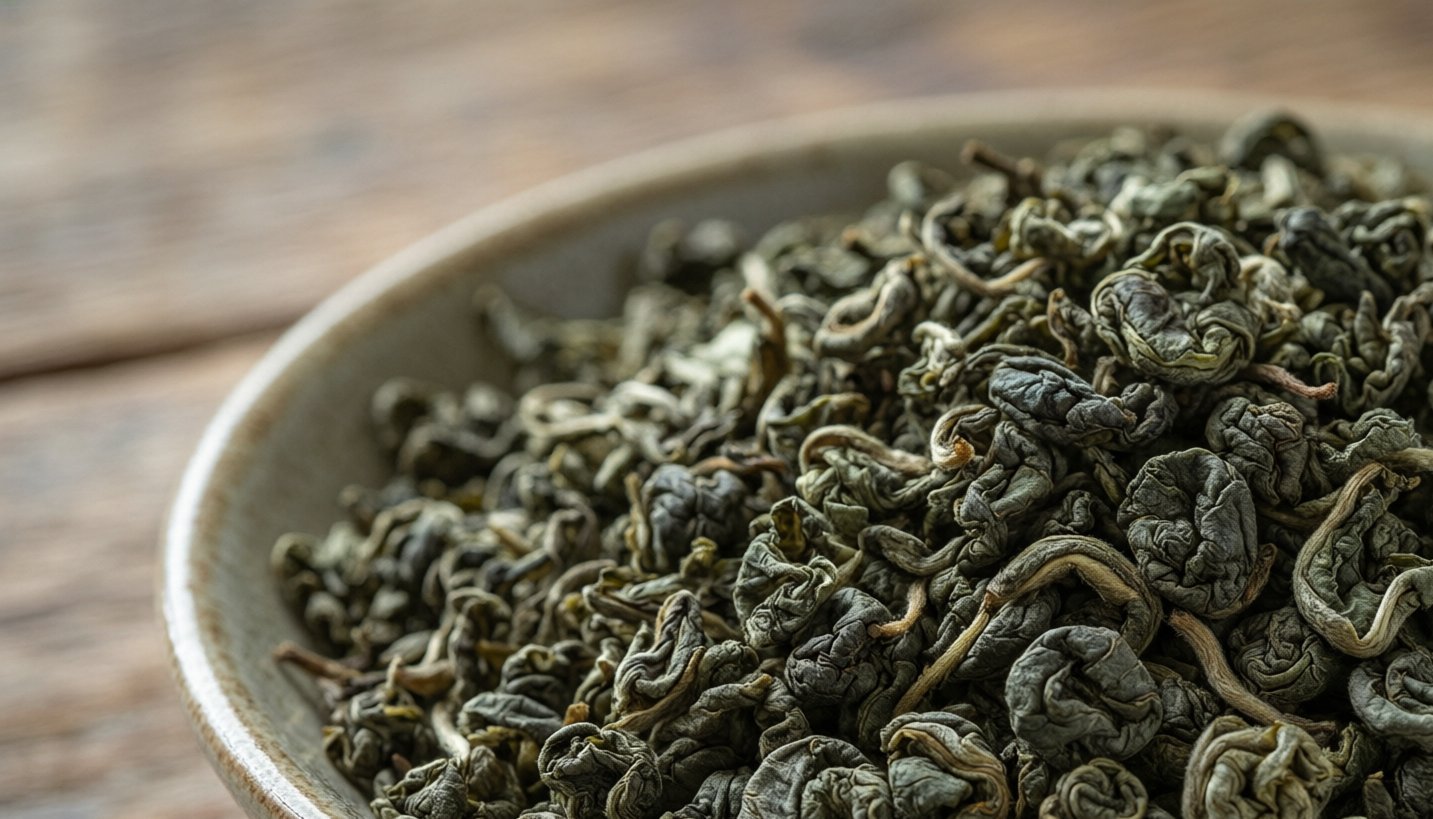
China remains the world's largest tea exporter by volume [1]. That scale gives buyers access to a wide range of categories and price points, but it also means the market rewards buyers who specify what they want before asking for quotes. Tea is classified into six principal categories under Chinese national standards, including green, white, yellow, oolong, black, and dark tea [2]. Each category has distinct processing methods, production regions, and storage behavior, so a supplier that performs well in one category will not automatically be strong in another.
Direct sourcing makes the most sense when the buyer wants:
- control over harvest season, plucking standard, and batch documentation
- a stable landed-cost model instead of repeated broker quotes
- packaging configured for the destination market
- a documented trail from factory or garden to the container
It is less useful when a buyer only needs a small trial quantity immediately; in that case, a pre-existing importer or consolidator may provide better speed, though usually at a higher unit cost.
Step 1: Define Your Wholesale Sourcing Parameters
Before contacting suppliers, write a one-page sourcing brief. The brief should include target category and grade, annual volume, destination market, packaging format, required certifications, and any country-specific contaminant limits. This prevents a common failure mode: collecting quotations that are not comparable because they cover different grades, carton sizes, or shipping terms.
Certifications should be selected for the market, not collected as decoration. Many buyers require factory food safety management systems such as ISO 22000 [3] and hygienic practice aligned with the Codex general principles of food hygiene [4]. If the destination is the European Union or a retailer with strict private standards, pesticide residue compliance must be part of the initial specification, not an afterthought.
Request the following from each shortlisted supplier:
- business license and export registration
- food production or operating license
- site audit report or current certification certificates
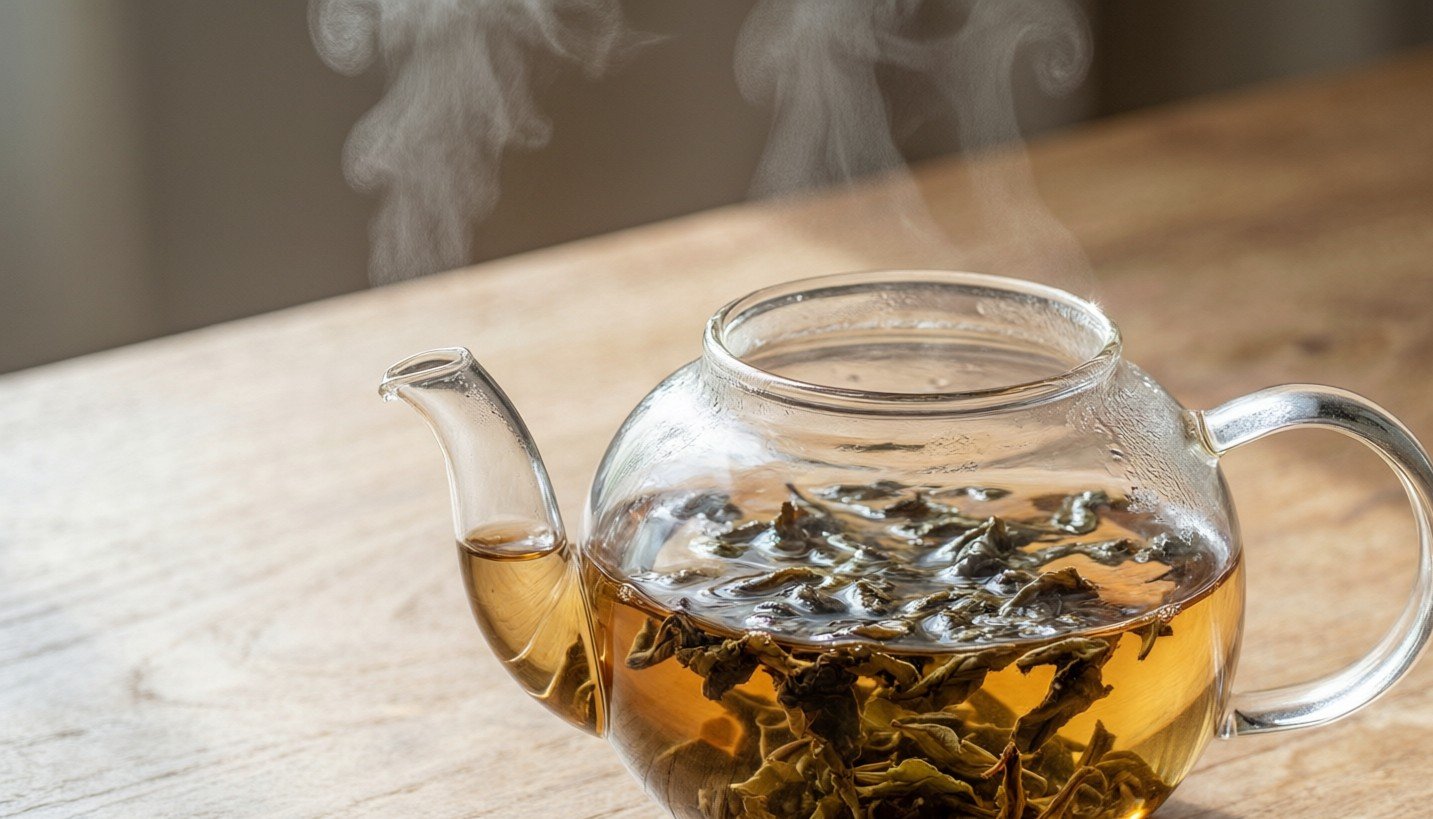
- product specification sheet with moisture, grade, and shelf life
- recent third-party test report for pesticide residues and heavy metals
Step 2: Match Origin, Harvest and Grade to Your Market
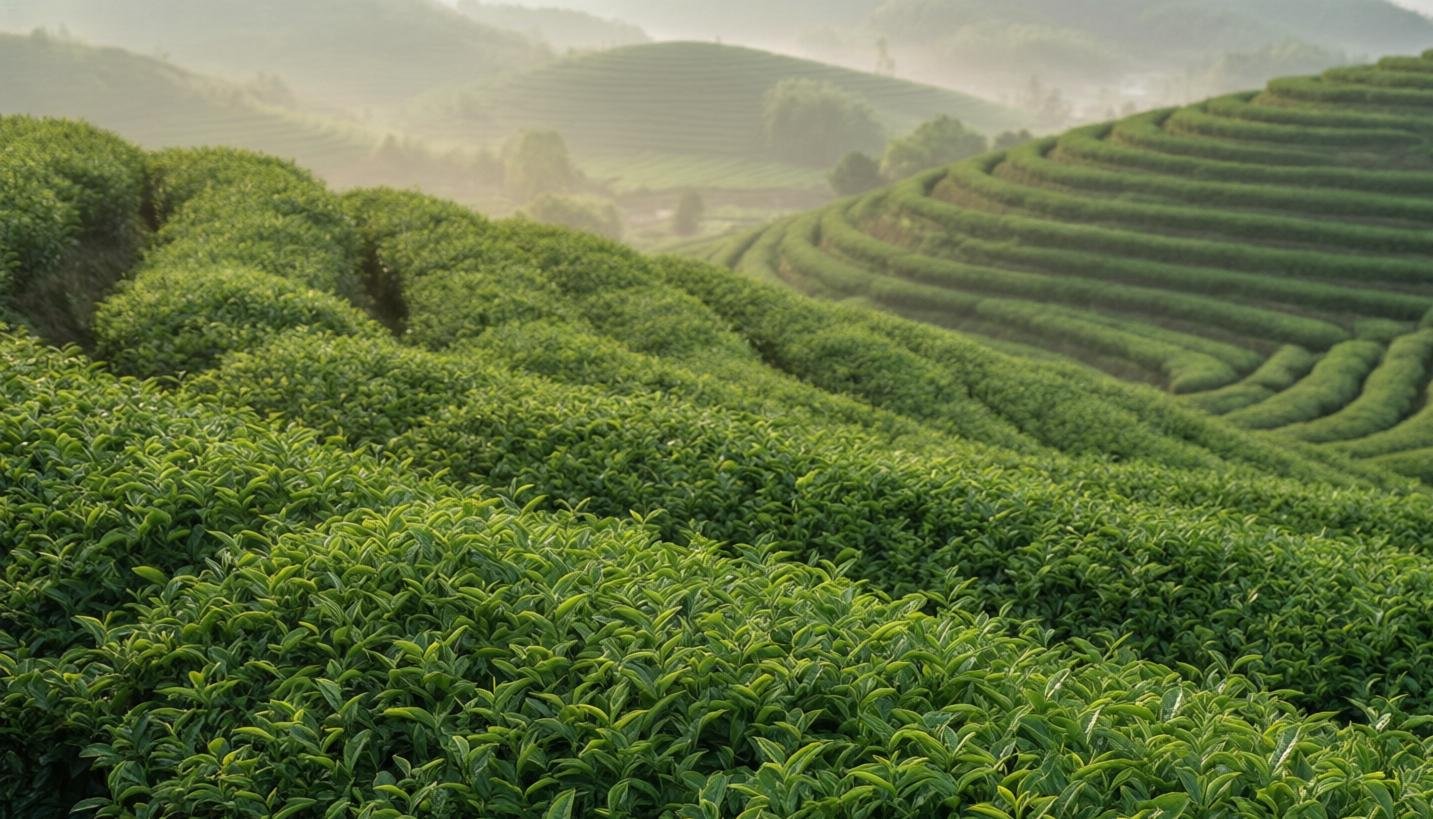
Regional specialization matters. Green tea production is concentrated in provinces such as Zhejiang, Anhui, Sichuan and Hubei. Oolong tea is closely associated with Fujian, Guangdong and Taiwan, while black tea has strong production bases in Yunnan, Fujian and Anhui. White tea is anchored in Fujian, and dark tea is made in multiple regions including Yunnan, Hunan, Hubei and Guangxi. These are traditional production patterns, not exhaustive lists; the buyer's job is to verify the specific garden or factory location named by the supplier.
Harvest timing should match the market positioning. Early spring material is often reserved for higher-priced green and white teas, while mature leaf and autumn harvests may suit commodity blends or foodservice accounts. Grade indicators vary by category. For example, black tea may be evaluated against ISO 3720 [5], which defines basic requirements for black tea quality. Green and oolong teas rely more heavily on China's graded product standards, origin, and physical appearance, so samples and a written product specification are essential.
Define the following for each lot:
- harvest year and season
- cultivar or approximate leaf maturity
- processing method and final moisture level
- grade or appearance standard
- lot size and batch code
Step 3: Vet Suppliers and Verify Claims
Supplier verification has two layers: documentation and physical evidence. A credible supplier should be able to provide current certificates, export records, and test reports without hesitation. If a supplier claims a garden or production area, ask for the production address, the food production license scope, and a traceability record linking the lot number to that location.
For destinations with strict maximum residue limits, compare test results against the relevant regulatory standard, such as the European Union's pesticide residue framework under Regulation (EC) No 396/2005 [6]. For shipments to the United States, confirm whether the product requires prior notice of imported food under FDA rules [7]. Do not assume one test report covers every market.
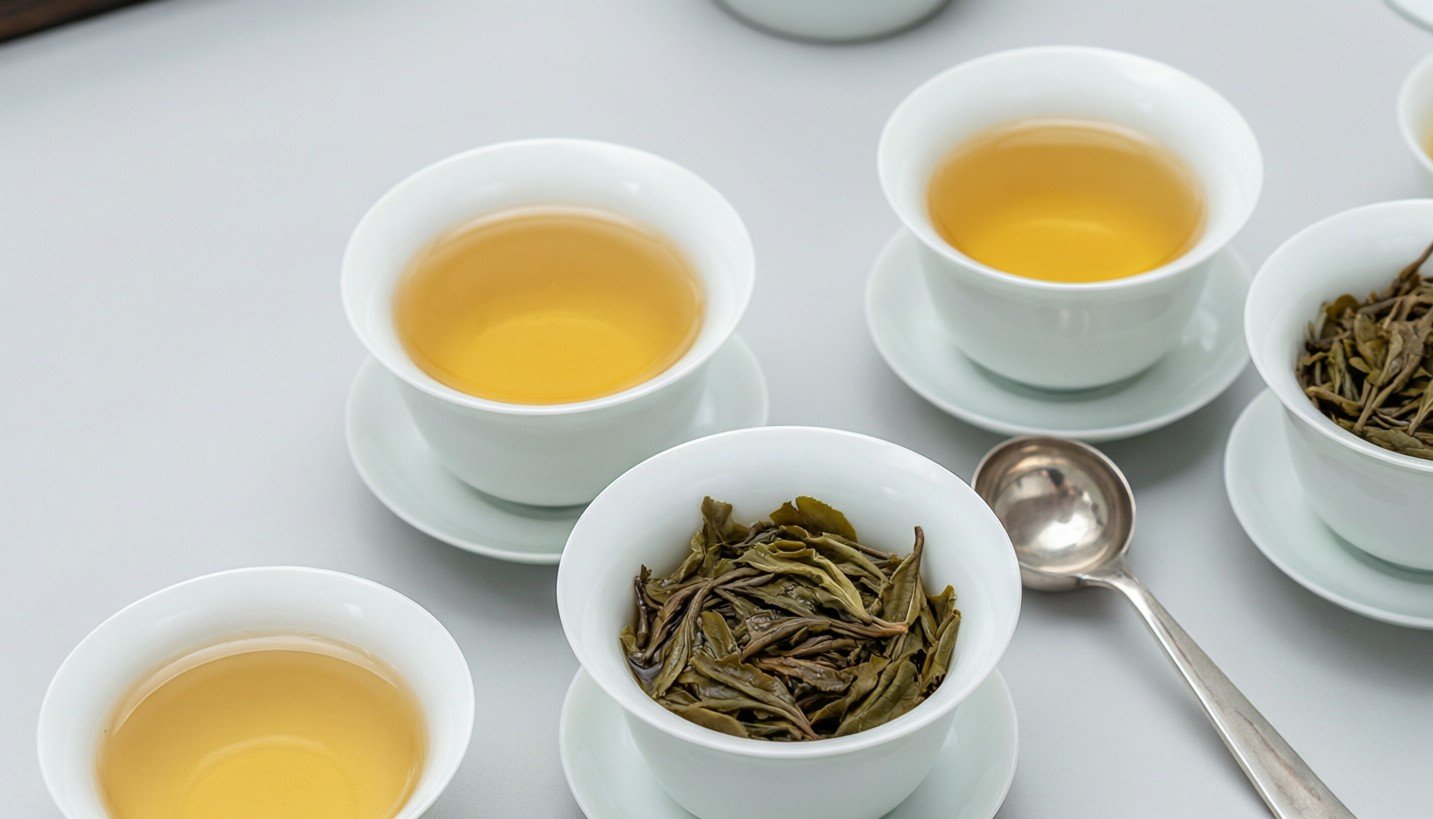
Physical evaluation remains important. Use a standard cupping or tasting protocol, record liquor color, aroma, taste, and leaf condition, and keep reference samples from the approved batch. A supplier that cannot provide a retained sample or batch record is a risk signal, not a convenience issue.
Mid-article inquiry: If you are building a shortlist of verified tea factories and need help matching your specification to the right region or compliance standard, our China tea sourcing team can provide supplier profiles, certification checks, and sample coordination. Contact us at xuansc2144@gmail.com with your target category, volume, and destination market.
Step 4: Negotiate Commercial Terms and Contracts
Price should always be attached to a defined basis. Use Incoterms 2020 rules to make responsibility and cost transfer explicit; EXW, FOB and CIF are the most common in tea imports [8]. A lower FOB price is not automatically better if it shifts inland transport, export inspection, or loading risk back to the buyer.
The contract should cover at least:
- product specification and accepted tolerance
- packing material and carton marks
- shipment date and partial shipment rules
- inspection rights and sample retention
- defect standards and remedies for non-conforming lots
- payment terms tied to documents or inspection milestones
- governing law and dispute resolution
Negotiate on total landed cost rather than unit price alone. Freight, insurance, port charges, customs brokerage, and destination testing all sit between the supplier's invoice and your warehouse.
Step 5: Manage Logistics, Import Clearance and Quality Assurance
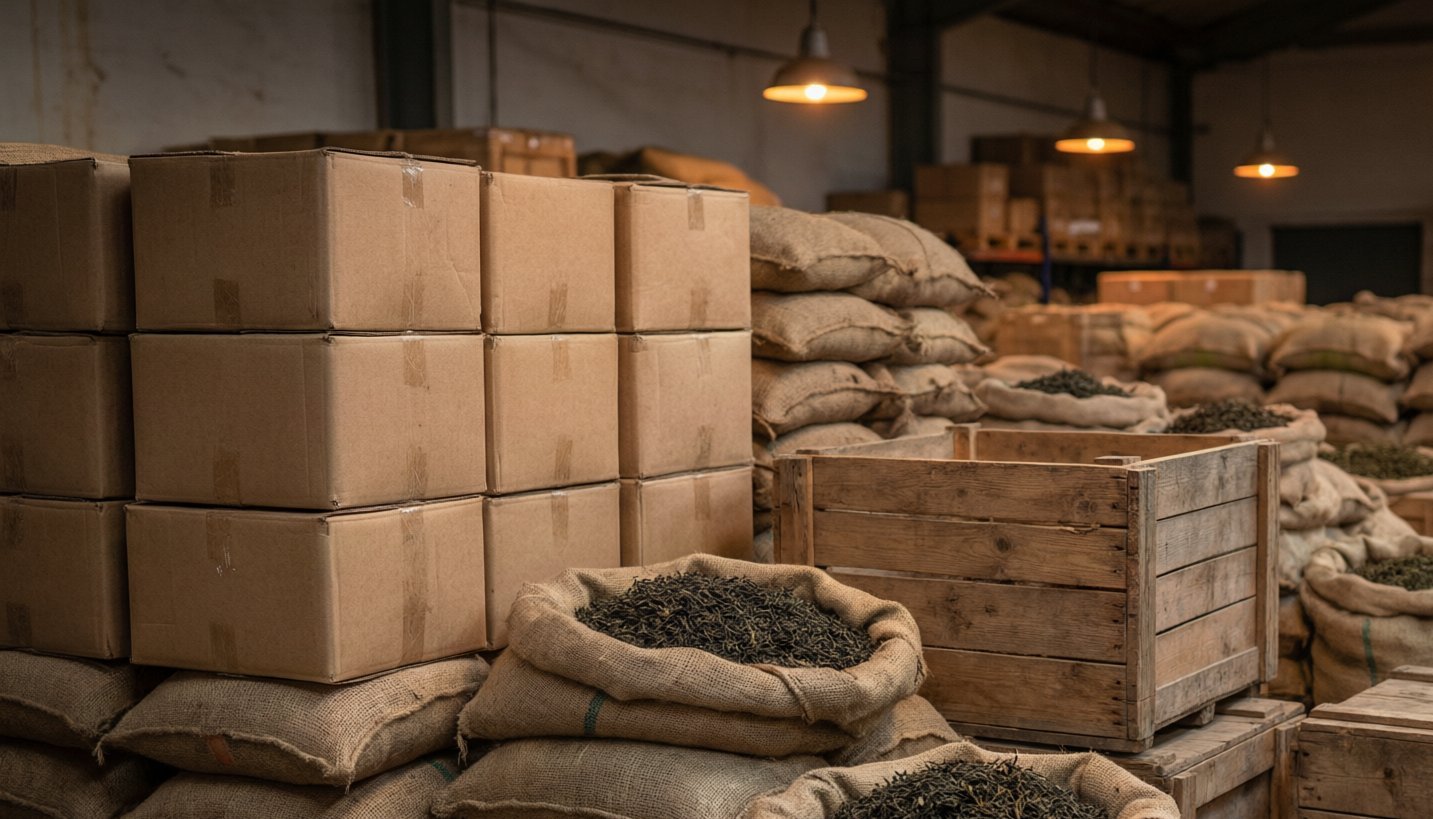
For Chinese exports, typical documentation includes the commercial invoice, packing list, certificate of origin, and health or inspection documents required by both the exporting and importing authorities. Chinese customs requirements for food export documentation should be confirmed before shipment [9]. Destination-side clearance then depends on the importer's own filings, which may include prior notice or customs entry data in the United States [7].
Build a closed loop for quality:
- approve a pre-shipment sample and keep it as the reference
- inspect container loading or use a third-party loading supervision report
- retain sub-samples from every lot
- test landed samples before releasing the shipment to customers
- log complaints by supplier, lot, and defect type
This loop converts a single purchase into a repeatable sourcing system. Over time, the data also shows which suppliers hold quality across seasons and which only pass on small trial orders.
Work with a China tea sourcing team. We help wholesale buyers define product specifications, verify factory documentation and certifications, coordinate samples, and manage communication with Chinese tea suppliers. Send your target category, volume, destination market, and certification requirements to xuansc2144@gmail.com, and we will reply with a structured sourcing plan and supplier shortlist.
Frequently Asked Questions
Do I need to visit the factory in person?
No. Remote verification can work if you combine documentation review, video calls, a current independent audit report, and third-party testing or loading supervision. For large or repeat orders, a factory visit or a hired inspection service reduces risk further.
What is a realistic first order size?
There is no universal minimum. Many factories prefer larger commodity orders, while specialty producers may accept small trial lots. Agree on the lot size, packaging format, and price in writing before payment, and compare quotes only when the grade and incoterm are identical.
How do I avoid fake or misleading origin claims?
Request the production address, food production license scope, batch traceability record, and a retained sample. Test reports should name the sampled lot, not the supplier generically. Physical cupping or third-party inspection adds another layer of protection.
Which certifications matter for my market?
It depends on the destination and sales channel. ISO 22000 food safety management is widely used in factory qualification [3]. The European Union's pesticide residue limits [6] and U.S. FDA prior notice and importer obligations [7] are regulatory, not optional. Retailer-specific standards may be additional.
How long does direct sourcing take?
Timeline varies by product type, sampling rounds, packaging, and destination clearance. Buyers should plan for sampling and testing before contracting, plus ocean freight and destination clearance after shipment. Air freight is faster but usually suits only small, high-value lots.
References
[1] International Tea Committee. Annual Bulletin of Statistics. London: International Tea Committee, 2024.
[2] Standardization Administration of China. GB/T 30766-2014, Classification of Tea. Beijing: China Standards Press, 2014.
[3] International Organization for Standardization. ISO 22000:2018, Food Safety Management Systems — Requirements for Any Organization in the Food Chain. Geneva: ISO, 2018.
[4] Codex Alimentarius Commission. Recommended International Code of Practice: General Principles of Food Hygiene, CXC 1-1969. Rome: FAO/WHO.
[5] International Organization for Standardization. ISO 3720:2011, Black Tea — Definition and Basic Requirements. Geneva: ISO, 2011.
[6] European Commission. Regulation (EC) No 396/2005 on Maximum Residue Levels of Pesticides in or on Food and Feed. Official Journal of the European Union.
[7] U.S. Food and Drug Administration. Prior Notice of Imported Food: Final Rule. Code of Federal Regulations, 21 CFR Part 1.
[8] International Chamber of Commerce. Incoterms 2020: ICC Rules for the Use of Domestic and International Trade Terms. Paris: ICC, 2019.
[9] General Administration of Customs of the People's Republic of China. Guidance on Food Export Documentation and Inspection Requirements. Beijing: GACC.
No author description available.

白玉京