How Wild Aged White Tea Changes with Age: A Tasting Guide
Wild aged white tea does not simply become “older white tea.” With careful storage, its leaf character, aroma, sweetness, and mouthfeel move through recognizable stages. A sharp, grassy first-year tea can transform into a mellow, honeyed, almost medicinal infusion by year seven or eight. This guide explains what actually changes, what to taste for at each stage, and how to evaluate a lot before buying.
What Actually Changes During Aging
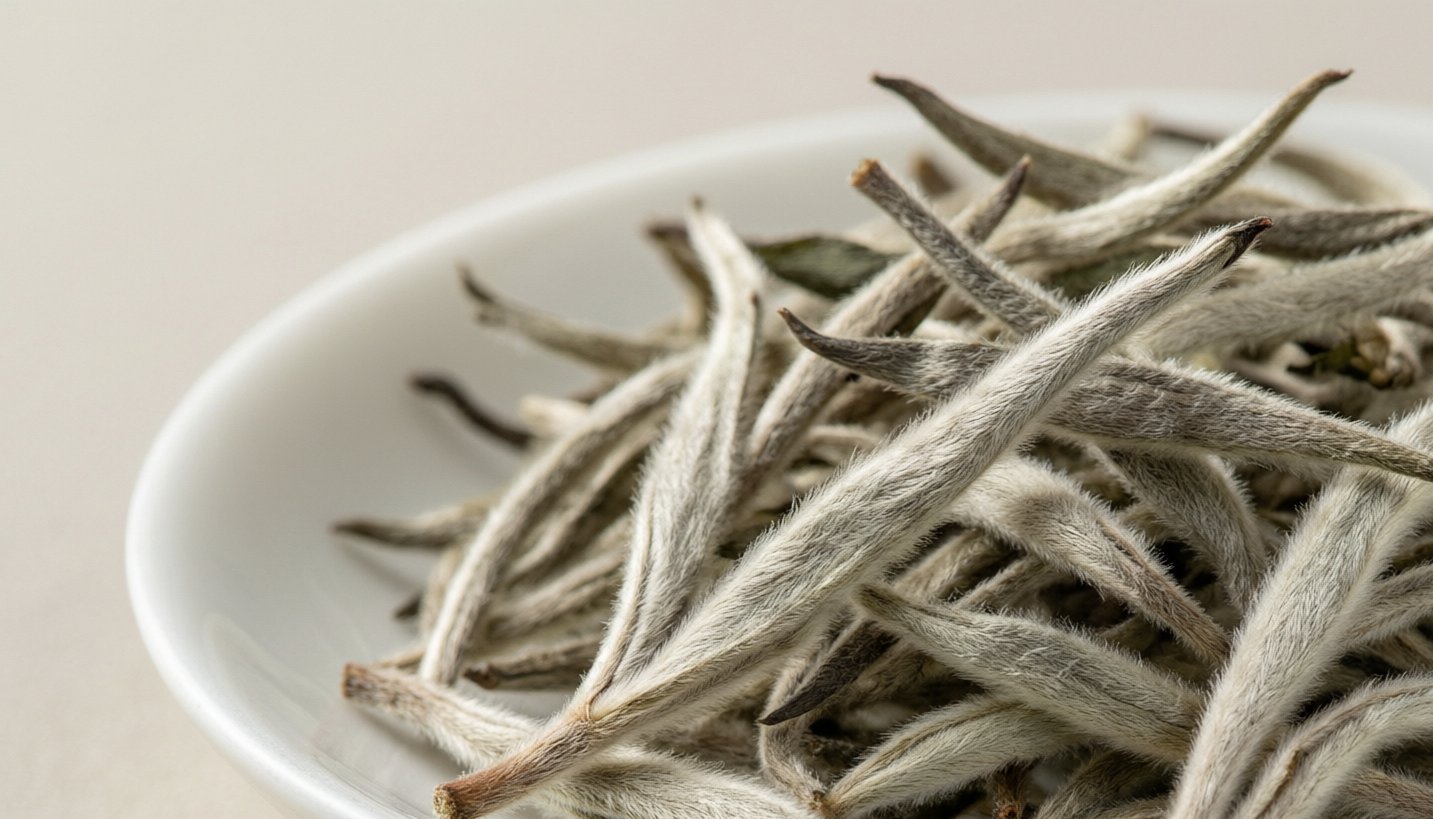
The changes begin in the leaf and continue slowly in the cup. In young wild white tea, the dominant notes are often fresh hay, melon rind, wildflower, and a slight green snap. Over time, the leaf loses brightness and gains a darker, warmer appearance. This is not a defect; it is the visible result of polyphenol transformation, chlorophyll breakdown, and gradual oxidation.
Three chemical shifts matter most for flavor. First, fresh, grassy compounds soften as the tea moves away from its spring-harvest character. Second, sweetness-bearing compounds become more available on the palate. Third, the texture thickens, especially in teas stored with some humidity. Public research on white tea metabolomics describes a distinct chemical profile compared with green and black tea, and that profile continues to shift during storage [1].
It is useful to think of wild aged white tea as a moving target. A lot sampled at year two will not taste the same at year four. For buyers, this means the value of a lot depends less on a single tasting note and more on the direction the tea is heading.
The Tasting Arc: Three Benchmarks
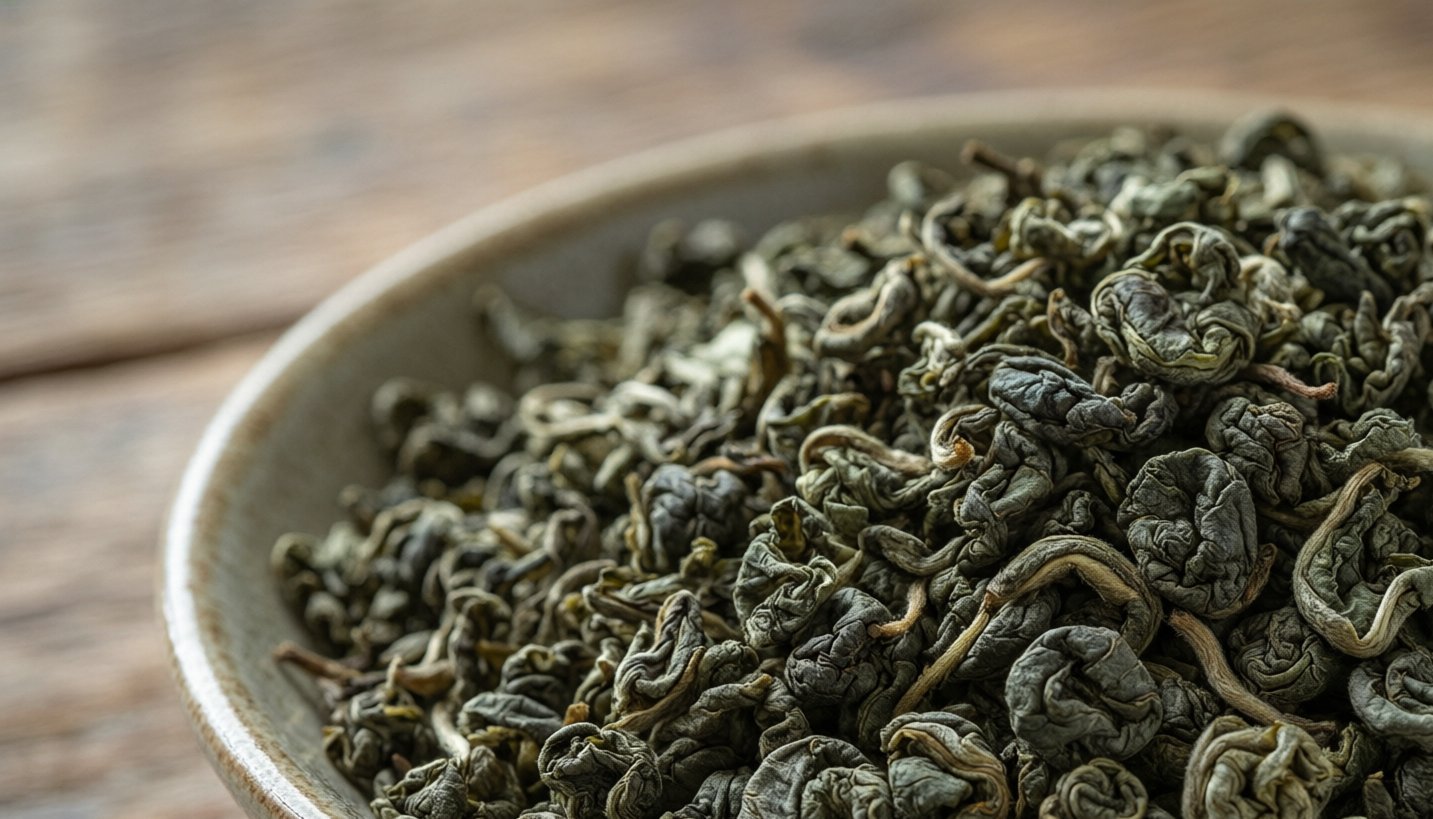
Experienced tasters tend to evaluate wild aged white tea at three rough stages. These are not strict industry grades, but they help calibrate expectations.
One to three years — the settling phase. The tea still shows some freshness, but the edge has softened. Look for dried wildflower, light honey, orange blossom, and a faint grain sweetness. The aftertaste is cleaner than a new tea, but the body is still relatively light. If storage was too dry, the tea may taste tight and papery; if too humid, a sour note can appear early.
Four to six years — the honeyed phase. This is where many buyers notice the most dramatic change. The aroma deepens into date, dried longan, beeswax, and warm straw. The liquor turns golden amber, and the mouthfeel becomes syrupy without being heavy. A good wild lot will taste sweet up front, then return with a cooled mineral finish. This is usually the most reliable window for wholesale tasting because the tea is distinctive but still has energy.
Seven years and beyond — the mellow phase. The tea darkens further and becomes softer, darker, and more medicinal. Common notes include aged citrus peel, jujube, incense, old books, and brown sugar. Acidity should be integrated, not sharp. The best lots feel calm, deep, and long rather than loud. At this stage, storage quality separates collectible tea from tired tea more than any other factor.
How to Taste Wild Aged White Tea Properly
Use a professional cupping approach rather than a casual teapot brew. The goal is to expose both strengths and faults.
For cupping, use 3 grams of leaf per 150 milliliters of water at 95–100°C. Rinse quickly, then steep for three minutes. In a second round, push the leaves with a five-minute steep. This longer extraction reveals bitterness, sourness, or mustiness that a short brew can hide.
Evaluate in this order: dry leaf, warmed leaf, liquor color, aroma, mouthfeel, and finish. First check the dry leaf for even color and intact structure. Then smell the warm leaves: aged white tea should smell sweet and calm, never like damp cardboard. When the liquor pours, good aged white tea shows a clear amber or copper tone, not muddiness.
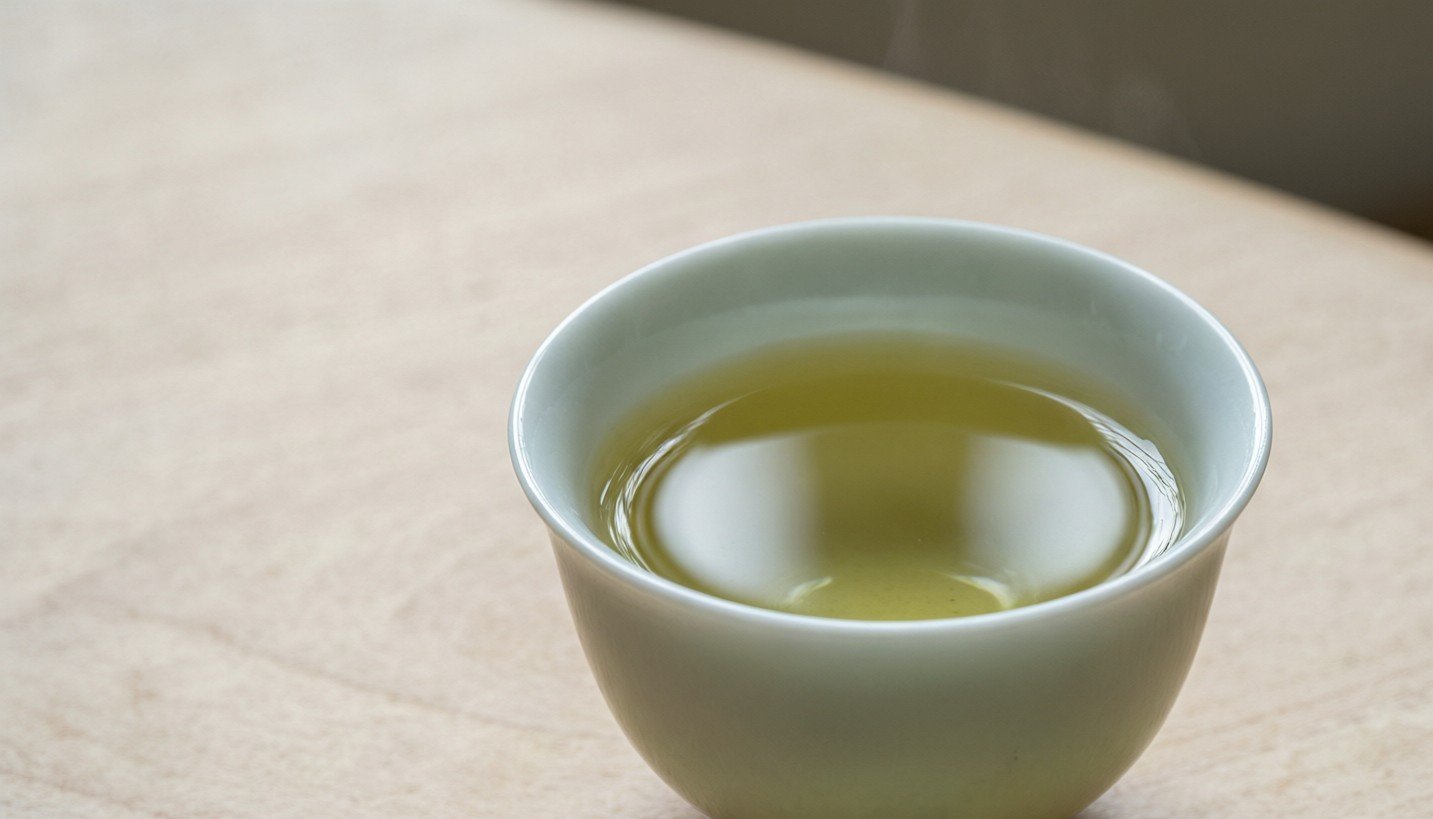
On the palate, look for three things. First, sweetness should arrive early and naturally. Second, the body should coat the tongue without turning rough. Third, the finish should persist for at least several seconds with a cool, mineral lift. A tea that smells sweet but tastes flat is often tired. A tea that tastes sweet but disappears immediately may have a thinner raw material base.
If you are comparing supplier samples, ask for the same leaf grade and broad harvest window across vintages. For example, a 2019 wild Shoumei from Fuding and a 2024 lot from the same area make a much more useful comparison than different grades and regions. Cupping them blind is the fastest way to learn how age, not marketing language, is changing the cup.
Storage Variables That Change the Cup
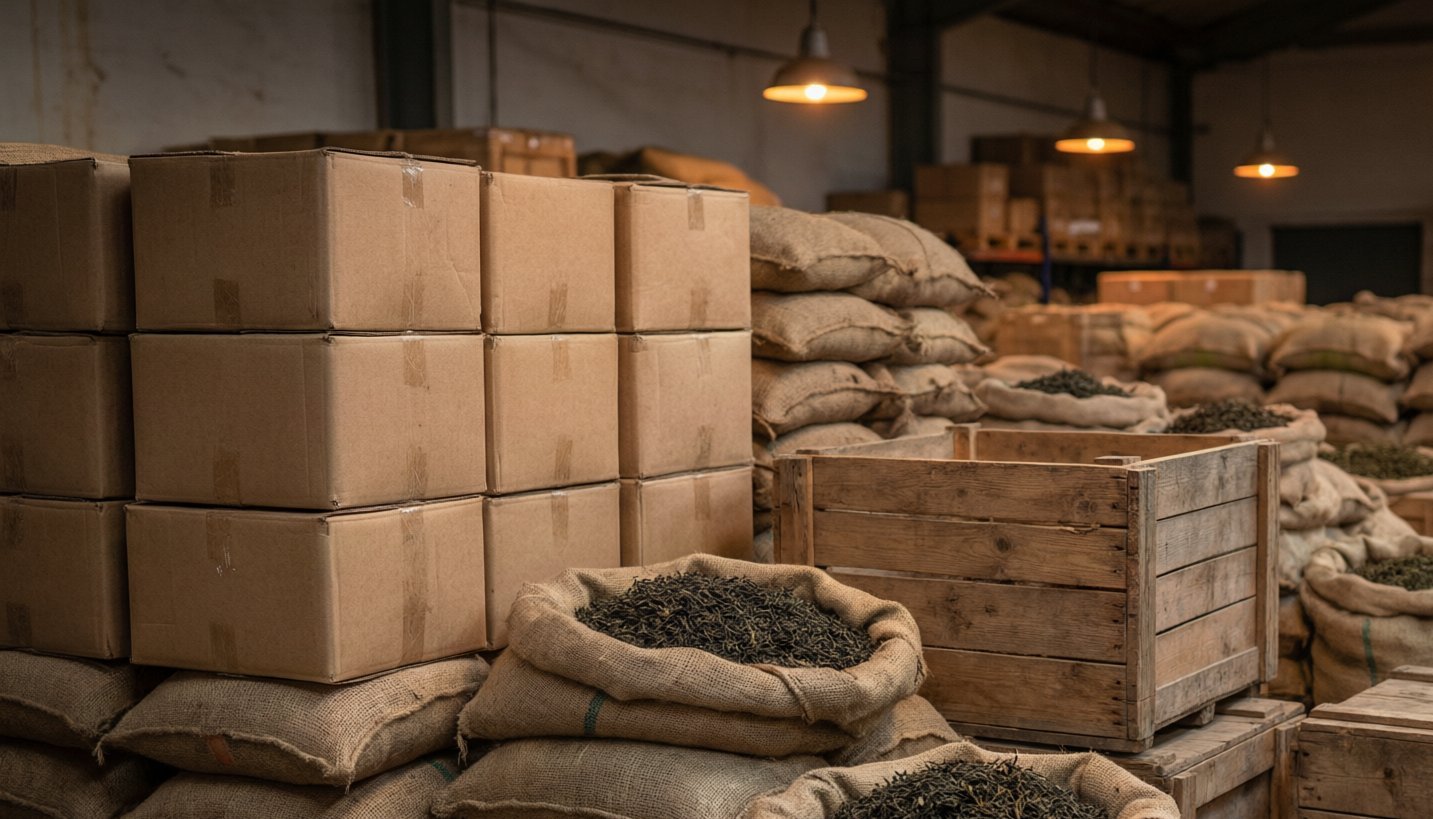
Storage is part of the tea. Two cakes from the same batch can taste very different after five years if one sits in a dry northern warehouse and the other in a humid southern one.
Dry storage tends to preserve fragrance and produce a cleaner, brighter-aged character. The tea may develop more slowly, but it often keeps crisp edges. Humid storage accelerates browning and can create a thicker, darker, more earthy profile. When handled well, humid-aged tea is prized for its softness. When handled poorly, it becomes sour, musty, or thin.
Temperature swings are another variable. If temperature moves too quickly, moisture can condense inside the packaging and encourage off-notes. The safest containers are shaded, stable, and lightly ventilated without exposing the tea directly to airflow. Frequent small samples are better than one large bag left open, because every opening resets the storage environment.
You do not need perfect storage to buy good tea, but you do need to taste for the wrong kind of age. If age brings depth, sweetness, and calm, it is working. If age brings flatness, sourness, or a wet-paper finish, it is not.
Source Wild Aged White Tea with Confidence
When buying wild aged white tea, ask for three details before price: the original leaf grade, the storage location and container style, and a dated cupping sample. These three facts explain most flavor differences between two lots that look similar on paper.
Our team at Chinese tea suppliers works with producers in Fuding, Zhenghe, and nearby white tea areas, and we regularly compare aged lots for importers and private-label buyers. If you want a second opinion on a lot, or need help building a vintage set with a clear tasting arc, send your target profile, volume, and sample requirements to xuansc2144@gmail.com.
FAQ
Is wild aged white tea the same as old white tea?
Not exactly. Old white tea simply refers to age. Wild aged white tea starts from semi-wild or wild-harvested leaf material, which often has smaller buds, thicker leaves, and a more complex baseline character. The same aging process usually produces a deeper, more mineral result from wild material than from plantation leaf.
How many years should white tea age before it tastes different?
The first noticeable shift often appears after two to three years, when the fresh green notes soften and honey notes emerge. The biggest change in body and sweetness typically appears between four and six years. After seven years, the tea becomes darker, softer, and more medicinal.
Does aged white tea contain more caffeine?
No meaningful change. Caffeine is relatively stable during aging, so aged white tea does not become stronger in caffeine as it darkens. The darker color and heavier body are from oxidation and transformation of other leaf compounds, not from increased caffeine.
Should I flake the cake all at once or as I go?
Flake as you go and keep the rest sealed. Breaking an entire cake creates many small surfaces that interact with air rapidly, which can flatten the aroma. If you need a large sample for cupping, flake only what you will use within a few weeks.
What storage mistakes ruin wild aged white tea?
The main risks are direct sunlight, strong airflow, temperature swings, and high humidity without proper airflow. Cheap plastic bags also trap moisture. Tea should be stored away from spices, cleaning products, and anything with a strong smell, because aged white tea picks up odors easily.
References
[1] W. Dai et al., “Characterization of white tea metabolome: comparison against green and black tea by a nontargeted metabolomics approach,” Food Research International, vol. 96, pp. 40–48, 2017.
[2] GB/T 22291-2017, White tea, Standardization Administration of China, 2017.
No author description available.

白玉京