The Complete Guide to Tea Business Succession: Ownership Transfer, Valuation, and Continuity
Most succession conversations in the tea trade begin too late. A founder plans to retire, a family member steps forward, a partner buys out the other, or a competitor makes an approach—and only then do the owners discover how much of the business lives in one person’s relationships, memory, and name on permits. Tea business succession is not simply a share transfer. It is a structured handover of supplier trust, harvest calendars, quality benchmarks, customer expectations, warehouse procedures, and regulatory filings. Get the order wrong, and a profitable sourcing operation can lose key factory relationships before the new owner makes the first payment.
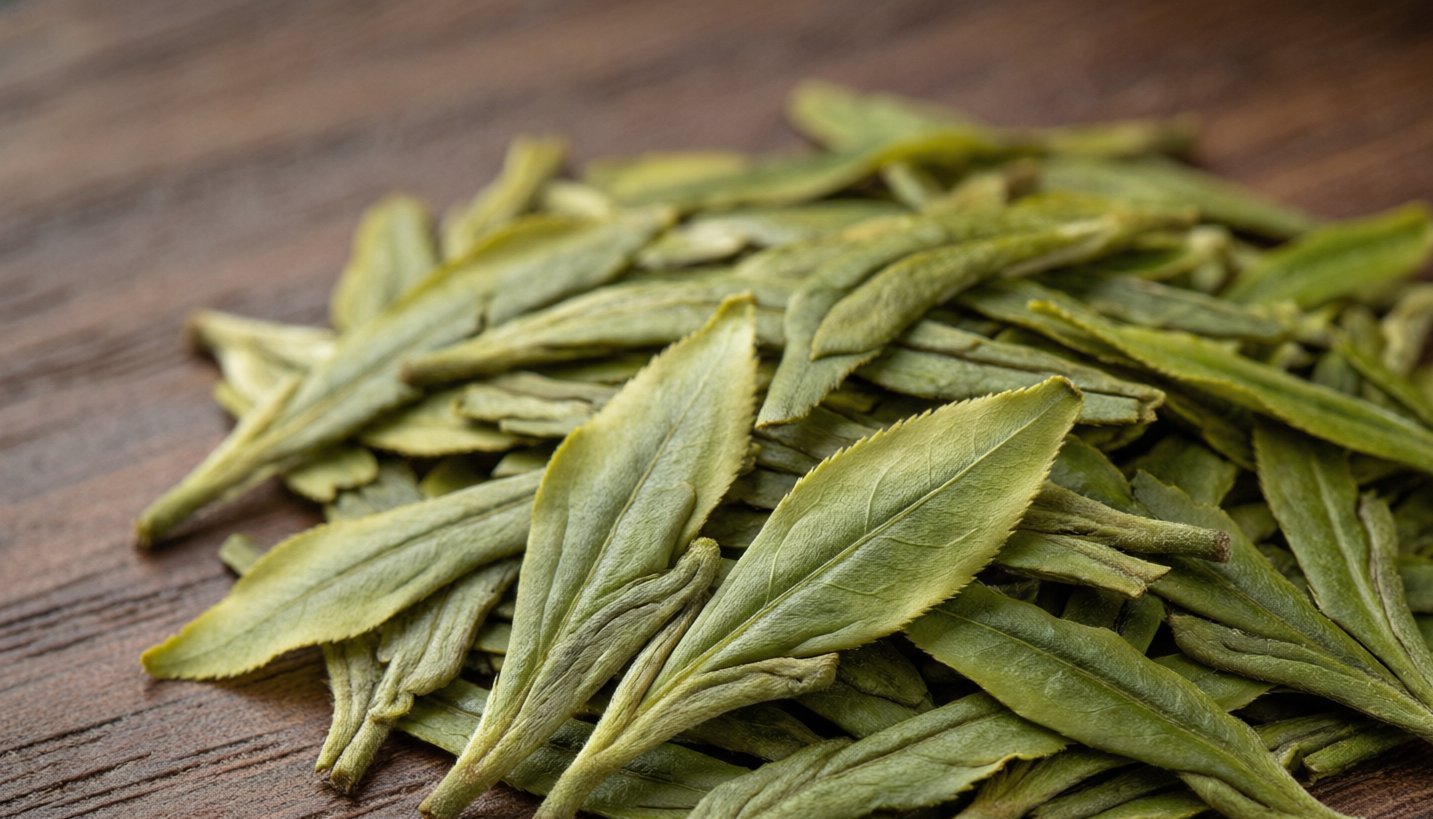
The Tea Succession Problem Most Importers Ignore
A tea importing or wholesale business depends on assets that do not appear cleanly on a balance sheet. The buyer assigns value to a company because it has access to spring harvest stock, a reliable logistics chain, cup-quality standards, and factories that answer the phone. Those assets are inseparable from the founder or the senior buyer. Succession planning therefore has to translate personal knowledge into documented systems before the departing person leaves.
The problem is most visible in Chinese tea sourcing. A senior buyer may remember which Wuyi supplier is dependable for mid-grade rock tea, which Fujian white tea lot can tolerate a late shipment, and which factory needs payment terms adjusted during the pre-Qingming rush. If that knowledge is not captured, the incoming owner inherits a contact list but not the decision logic. The commercial result is delayed orders, weaker grading, and a loss of confidence from both suppliers and wholesale accounts.
The regulatory side compounds this. In mainland China, changing an equity holder under the current company law is not simply a private agreement. The transfer must be recorded with the market regulator, and the articles of association, legal representative, and company seal procedures may need to be updated [1]. If the tea business holds import and export filings, customs registrations, or food-related certificates, the successor must update the operating entity records rather than assume the old permits continue automatically [2]. A well-designed plan treats these as steps with deadlines, not as background paperwork after the sale.
Start with a Key-Person Audit
The first stage of succession is not valuation. It is a key-person audit. List every function in the business and mark whether it depends on one individual, a small group, or a documented process.
| Function | Key-person risk | Action |
|---|---|---|
| Supplier selection and grading | High | Record origin-specific rejection criteria and past lot notes |
| Harvest timing and pre-booking | High | Build an annual sourcing calendar shared with the incoming buyer |
| Price negotiation | Medium | Store price history, currency assumptions, and margin targets |
| Quality control | High | Convert cupping shorthand into a repeatable scoring sheet |
| Export documentation | Medium | Create flowcharts for invoice, packing list, health certificate, and certificate of origin |
| Customer relationships | High | Introduce the successor during one full buying season |
| Warehouse and storage | Low to medium | Document temperature, humidity, rotation, and pest inspection routines |
The audit should produce two files. The first is an asset map: contracts, inventory, customer lists, supplier lists, brand marks, digital accounts, and claims history. The second is a knowledge map: the decisions that recur each year and the variables the senior team weighs when making them. This second file is often absent. When a successor is appointed, the knowledge map becomes the training manual. When the business is sold, the same file is evidence that the earnings are not entirely tied to the founder—and therefore the valuation should hold after closing.
How a Tea Sourcing Business Is Valued
Tea businesses are usually valued by one of three methods: an income approach based on maintainable earnings, a market approach based on comparable transactions, or an asset approach based on inventory and machinery [3]. Most going-concern sales use the income approach because the buyer is purchasing a flow of future margin, not a pile of tea.
The largest valuation issue in tea is key-person dependence. If gross profit survives the founder’s departure only if the founder remains as a consultant, then the business is partly a personal goodwill asset. Accounting guidance recognizes that personal goodwill may not transfer [3]. A buyer will discount the price, or insist on an earnout tied to the successor retaining key accounts. The best defense is to begin the handover 12 to 24 months before sale and demonstrate that the business can source, grade, and ship without the departing owner in the daily loop.
Inventory is the second issue. Tea inventory is not uniform. A container of spring green tea has a clearer market window than an aged compressed tea position that may need patient buyers. The valuation should grade inventory by age, moisture risk, and expected sell-through. A buyer should not pay full landed cost for slow-moving stock that will require storage, repacking, or discounting.
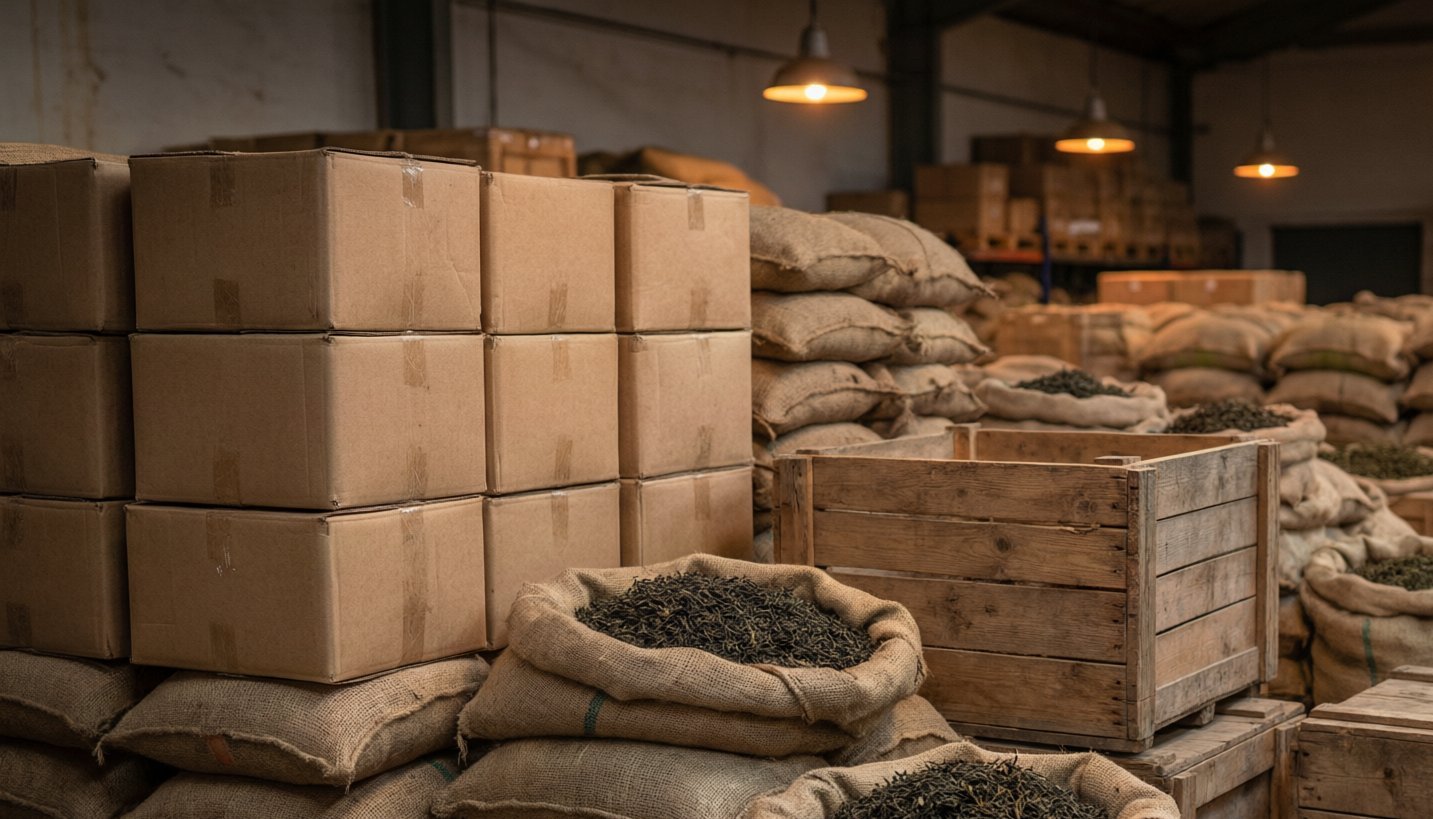
The third issue is customer concentration. If three wholesale accounts generate most of the margin, the buyer will ask what happens if one of them moves. The seller should prepare retention evidence: multi-year purchase history, contract terms where they exist, and a transition introduction plan. The strongest evidence is repeat orders that survived a prior employee change or a new harvest cycle.
Transfer Structures: Family, Buyout, and Third-Party Sale
The right structure depends on whether the successor is a family member, a management team, or an external buyer.
A family succession works best when the successor spends at least one full sourcing year inside the business. The year should begin with a spring season, because spring buying compresses the most important decisions into a short window. After that, the successor should manage a small customer account alone, lead a cupping session, and handle one supplier negotiation with the founder observing. Only then should formal share transfer begin.
A management buyout is common when the senior team knows the suppliers but lacks capital. The deal can use a seller note, deferred payment, or an earnout tied to retained earnings. The seller note should be documented with interest, repayment dates, and default provisions, not left as an informal promise. In China, the underlying equity transfer still follows the statutory registration process [1].
A third-party sale requires a clean data room. Prepare supplier contracts, customer contracts, import records, tax filings, customs registration, food safety certificates, brand registrations, lease agreements, and any outstanding claims. Missing documentation does not make the deal impossible, but it reduces the price. Tea buyers from outside the industry pay more attention to import compliance and food safety than to the founder’s tasting notes.
Legal, Tax, and Certificate Continuity
Tea succession is not only an ownership change. It is a license and permit continuation exercise.
Mainland China equity changes require registration with the State Administration for Market Regulation, and the company must update its articles of association and any other filed particulars [1]. If the tea exporter has a customs declaration filing, the successor must verify whether the entity’s importer or exporter registration remains valid after an equity change [2]. In the United States, the importer of record must have the right to make entry; customs brokers must not use a retired importer’s customs number after the legal relationship ends [2]. In the European Union and other markets, the buyer should verify food business registration, responsible person details, and organic or food safety certificate holder names before the next shipment.
For certification continuity, the rule is simple: an organic certificate, ISO 22000 certificate, HACCP certificate, or buyer-specific audit is issued to a named legal entity and site [4][5]. If the entity changes ownership but remains the same legal person, the certificate may continue, subject to the certifier’s change notification rules. If the successor plans to operate through a new entity, the certificate will not automatically transfer. The safest step is to ask the certification body whether the change is an ownership update or a new application [6]. Waiting until the certificate audit fails is the worst time to discover the answer.
Tax continuity is similarly fact-specific. A share transfer and an asset transfer are taxed differently in many jurisdictions. Sellers should obtain local tax advice before the deal is signed, because the treatment of tea inventory, goodwill, and brand marks can shift the net price significantly. Do not copy a structure from another country. A Hong Kong holding company, a mainland operating entity, a UK importer, and a US customer base each have their own filing and withholding rules.
A 12-Month Handover Timeline
The handover should run long enough to include at least one spring season and one full shipping cycle.
- Months 1–2: Complete the key-person audit and asset map. Identify all permits, contracts, and critical dates.
- Months 3–4: Appoint the successor. Begin customer introductions and supplier notifications.
- Months 5–6: Run joint cupping, purchase planning, and pre-booking for the next harvest. The successor drafts the buy plan; the founder reviews.
- Months 7–8: Execute the spring purchase with the founder present. The successor leads one supplier negotiation and places one purchase order.
- Months 9–10: Transfer the daily quality, logistics, and customer service functions. Record any unresolved claims.
- Months 11–12: Complete the legal and regulatory transfer. Update registrations, seals, bank signatories, email access, and digital accounts. Retain the founder as a short-term consultant if needed, but with a defined end date.

The point of the timeline is not to delay the sale. It is to make the sale correspond to what the buyer is actually purchasing: a working tea business, not a founder’s schedule.
Avoid the Four Succession Killers
The first killer is waiting until after the spring season. Tea revenue and relationships concentrate in a few buying and shipping windows. If the founder postpones succession until after the peak, the successor spends the next year learning past decisions instead of making them. Start before the next harvest, not after it.
The second killer is keeping salary and business undistributed until the last day. Owners should separate personal expenses from company accounts early. A buyer needs clean financials. A family successor needs clarity about whether they are buying the business or being given it, and in either case the tax and legal treatment must be documented.
The third killer is hiding a weak supplier or a slow-moving inventory position. Due diligence will find both. If the seller explains the issue early and prices it honestly, the deal can survive. If the issue appears late, trust collapses and the buyer may walk away or retrade the price.
The fourth killer is assuming the brand belongs to the company. Trademarks, domain names, and social accounts must be listed and transferred. In tea, the brand is often more valuable than the current inventory. If the founder owns the trademark personally and only licenses it to the company, the succession plan must transfer or relicense the mark before closing.
Plan the Handover Before It Plans Itself
A tea business usually has more transferable value than the founder realizes—if the handover begins early enough to prove it. Start with the key-person audit, convert personal knowledge into shared documents, introduce the successor through one full buying season, and then complete the legal, customs, and certificate updates in the correct order.
If you are preparing a tea sourcing or wholesale succession and need to map supplier relationships, inventory by age, or certificate transfer steps, contact our team at xuansc2144@gmail.com for a transition checklist.
FAQ
What is the difference between succession planning and exit planning?
Exit planning is about how the owner leaves and what the sale price will be. Succession planning is about how the business continues after that exit. A tea importer needs both, but succession must start first because the buyer or family successor will pay for continuity, not for a seller’s past performance.
How is a tea trading company valued?
Most going-concern tea companies are valued on maintainable earnings, with adjustments for key-person dependence, inventory age, customer concentration, and working capital. Asset-heavy stock can also be valued separately, but stored tea rarely deserves full landed cost unless there is a clear and near-term sell-through plan [3].
Can a foreign-owned tea business transfer its mainland China entity?
Yes, if the structure allows it. A mainland company can transfer equity under the PRC Company Law, subject to shareholder consents, foreign investment filings where applicable, and registration with the market regulator [1]. The permit and tax consequences differ from an asset sale, so local legal review is essential.
How long does a tea business succession take?
A realistic timeline is 12 to 24 months. The minimum viable transition should include one spring harvest, one shipping cycle, one customer buying season, and enough time to update legal entity and certificate records. Rushing the legal steps does not make the handover faster; it only moves risk into the first year after closing.
Do supplier contracts have to be renegotiated during succession?
Not automatically. If the same legal entity continues, most contracts remain valid. However, factories and buyers should be notified because credit terms, quality expectations, and contact persons change. If the successor operates through a new entity, new contracts, purchase orders, and often new factory audits are required.
What happens to organic and food safety certificates after a transfer?
The answer depends on the certifier and whether the certified legal entity changes. An ownership change within the same entity may only require notification. A new legal entity will usually need its own application or at least a new site inspection [4][5]. Contact the certification body before closing and allow time for their procedures.
Should the founder stay after the transfer?
A short consultancy can protect value, but it should be time-limited and task-based. The most useful role is supplier introductions, harvest decision support, and quality sign-off. The least useful arrangement is an open-ended commitment that prevents the successor from building independent authority with customers and farmers.
References
[1] National People's Congress of the People's Republic of China. Company Law of the People's Republic of China (2023 Revision). 2023.
[2] U.S. Customs and Border Protection. Importer of Record and Trade Entry Requirements. cbp.gov.
[3] United States Internal Revenue Service. Revenue Ruling 59-60: Valuation of Closely Held Stock. irs.gov.
[4] International Organization for Standardization. ISO 22000:2018 Food Safety Management Systems. iso.org.
[5] U.S. Department of Agriculture. National Organic Program: Certification and Compliance. usda.gov.
[6] International Trade Centre. Standards Map: Food Safety and Certification Requirements. intracen.org.
No author description available.

白玉京