Sichuan Dark Tea Quality: How to Judge It in 30 Seconds
Sichuan dark tea is a post-fermented category, not a single flavor. The two compressed formats you will most often see in wholesale channels are Kangzhuan (康砖) and Jinjian (金尖), both traditionally pressed in the Ya'an production area [1][2]. The goal in 30 seconds is not a final quality score—it is a fast reject filter that catches storage damage, uneven fermentation, and grade inflation before you spend time on a full cupping.
The 30-Second Dry Leaf Check
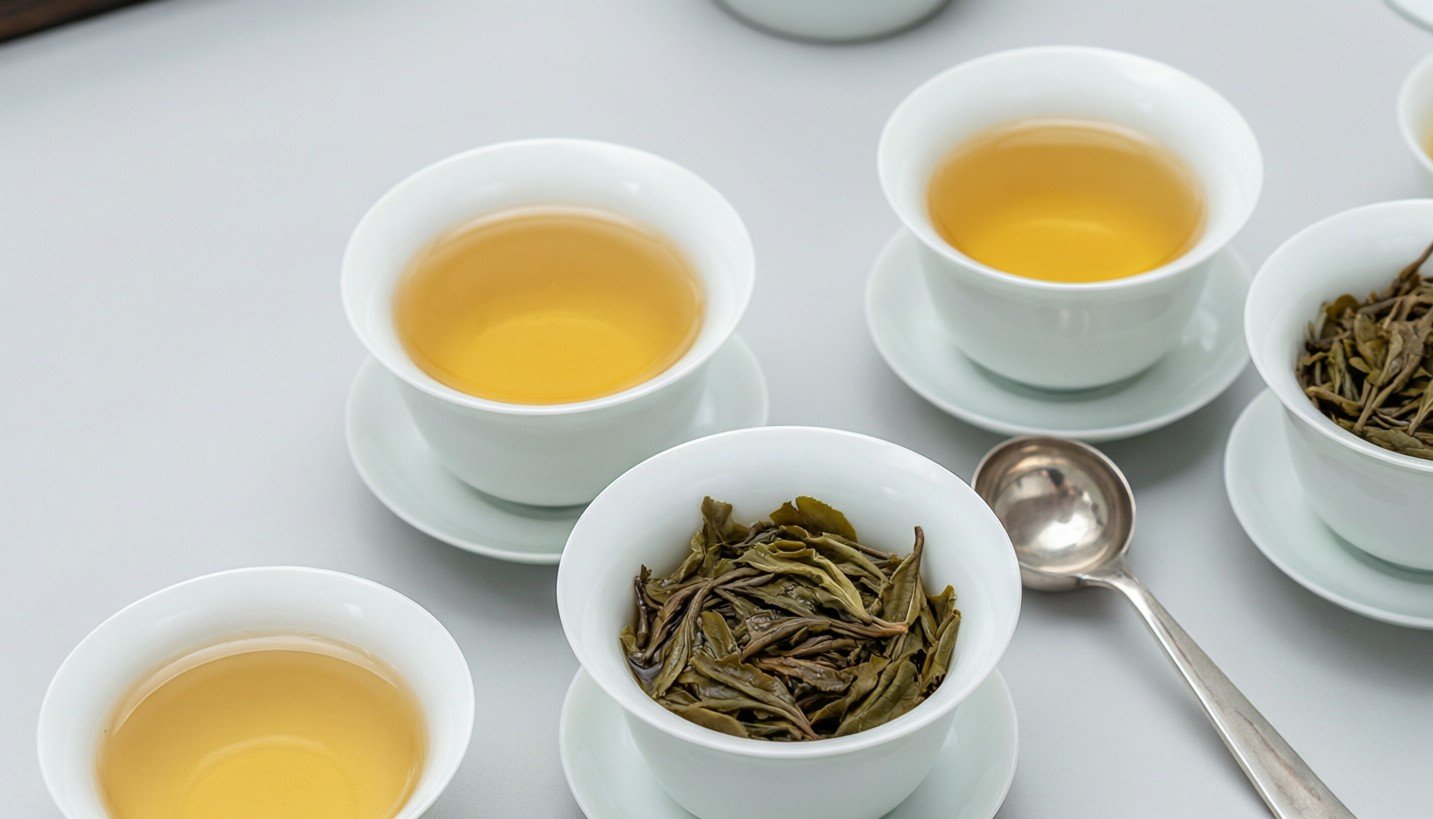
Start with the dry leaf before water touches the tea. Look at the pressed surface, the breaking edge, and the loose material around the sample.
A sound Sichuan dark tea brick or cake should look firmly compressed with regular edges and visible leaf or stem structure. The surface color should be dark brown to black, often with slight natural variation, but not uniformly painted, greasy, or artificially bright [3]. If the piece sheds too much powder or already shows cracks running through the body, handling and storage may have been rough.
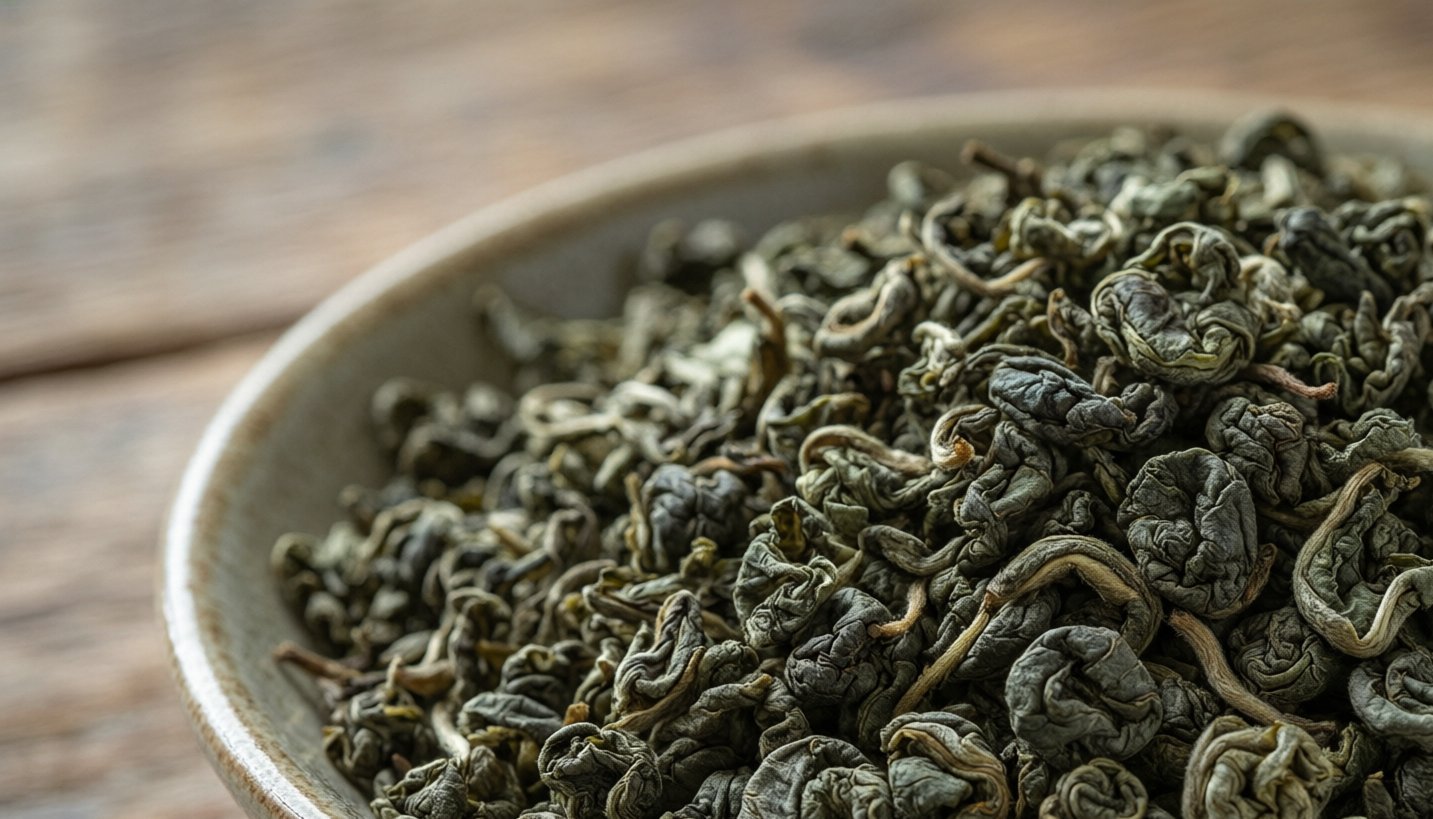
Then smell the dry leaf. A clean sample usually has an earthy, aged, slightly sweet or faintly smoky character. Reject samples that smell sharply sour, musty, fishy, or like a damp basement. A chemical or perfume-like note can also be a sign that an undesirable aroma is being masked.
One caution: golden-yellow grains called "golden flowers" are more associated with Fu brick tea. If a Sichuan dark tea carries heavy golden bloom claims, treat that as a verification point and ask for the fermentation record rather than relying on appearance alone.
The 30-Second Liquor Check
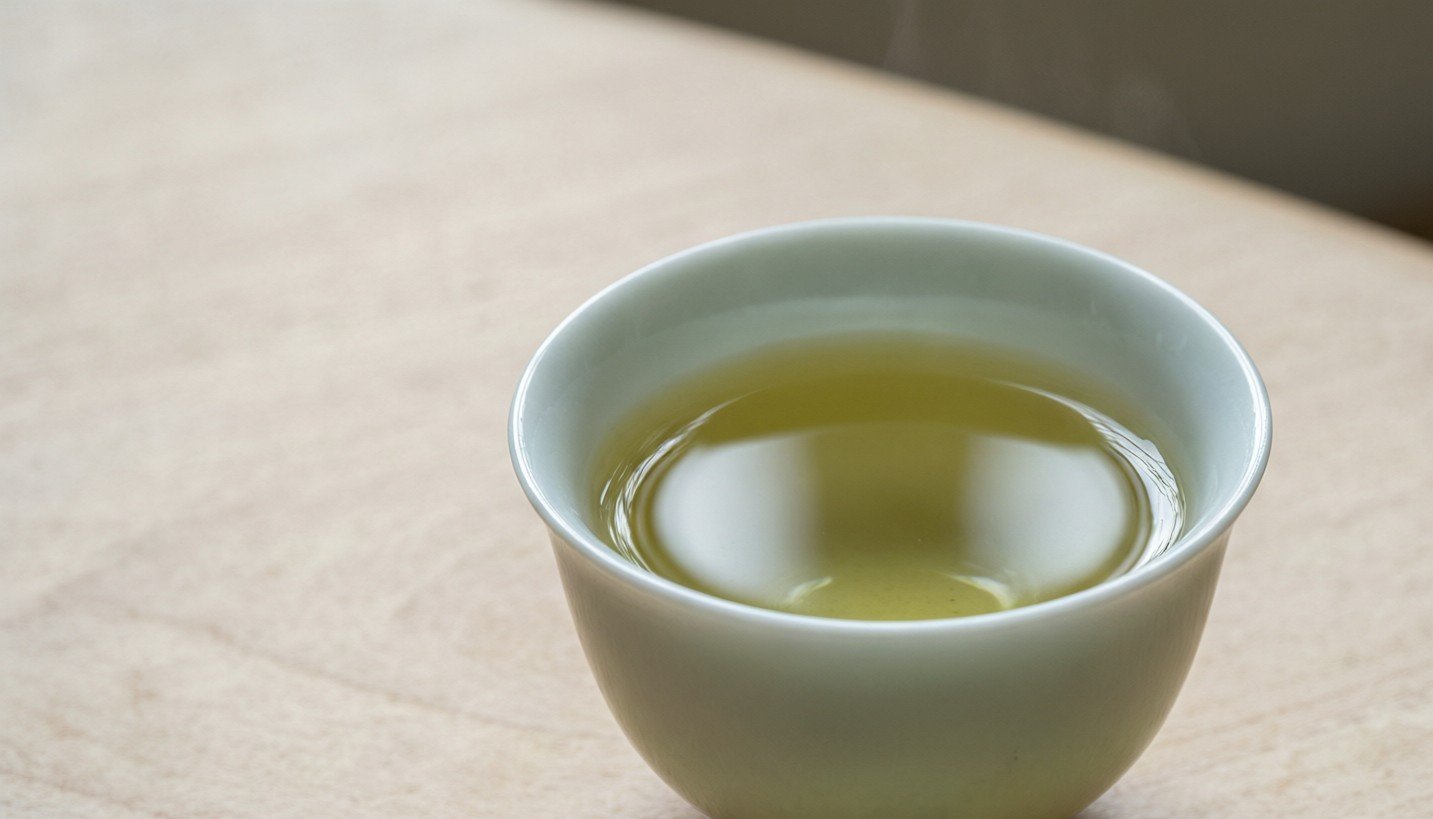
After a short hot-water rinse or first infusion, look at the liquor in a clean white cup [4]. Sichuan dark tea liquor is typically deep red-brown to amber-red, sometimes nearly black at high concentration, but it should be clear at the edge and free of a milky or grey haze.
A little sediment is acceptable in compressed dark tea because leaves release fine particles after pressing. The problem is persistent cloudiness, a black-and-opaque liquor, or a flat grey tone that suggests storage humidity issues or over-fermentation. Give the cup a few seconds to settle before judging clarity.
Smell the wet leaf and liquor together. You want the earthy, aged note to become more open, with possible sweet, woody, or lightly smoky layers. If the hot liquor smells sour, boiled, or musty, that is a stronger negative signal than the dry aroma because heat releases trapped storage faults.
The 30-Second Wet Leaf Check
After the first rinse, spread a small cluster of wet leaves on the lid or a white saucer. The leaves should separate without turning to mush. Evenness matters: most leaves should show a comparable reddish-brown to dark brown tone, with natural stems and some intact pieces.
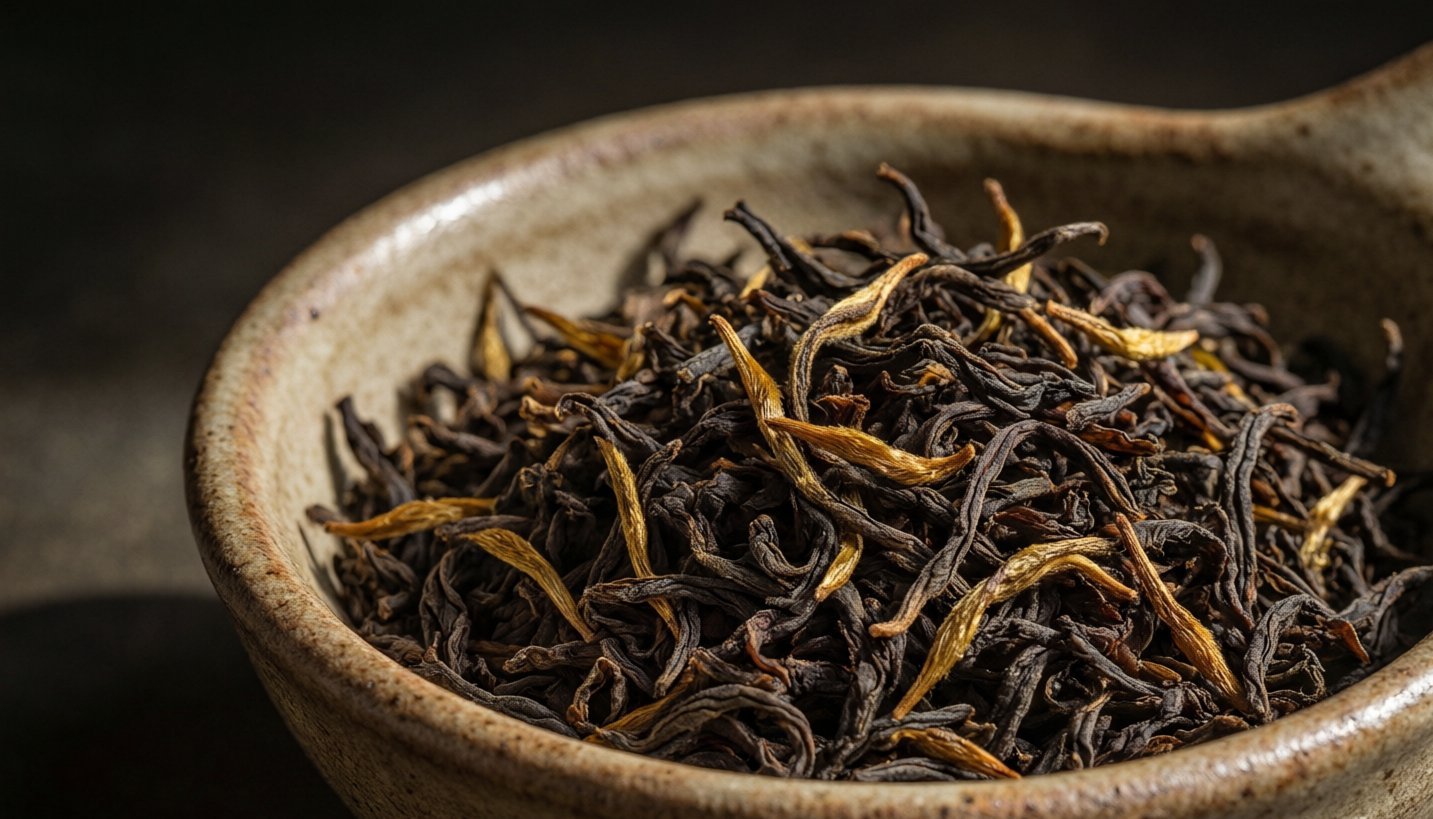
Reject if the wet leaf is heavily blackened, overly soft, or dominated by broken twigs and dust. Scattered bright green or very pale leaves in an otherwise dark pile can indicate uneven pile fermentation or blending of inconsistent batches. A uniform, flexible wet leaf is a quick sign that fermentation was reasonably stable and the tea was not baked too hard to cover flaws.
Wholesale Buyer's Go/No-Go Table
Use this as a receiving-dock or sample-room screen before you commit to a larger cupping.
| Signal | Pass | Reject |
|---|---|---|
| Dry surface | Dark brown to black, regular press, visible leaf structure | Painted, greasy, cracked, or powder-heavy |
| Dry aroma | Earthy, aged, slightly sweet or smoky | Sour, musty, fishy, chemical |
| Liquor color | Deep red-brown to amber-red, clear edge | Black-and-opaque, milky, or flat grey |
| Liquor aroma | Open, woody, sweet, cleanly earthy | Sour, boiled, damp, sharp |
| Wet leaf | Even reddish-brown, flexible, separates cleanly | Blackened, mushy, mostly twigs and dust |
Pass this checklist to warehouse staff so they can screen incoming samples before a full cupping session.
When to Ask for More Than 30 Seconds
The 30-second check is a filter, not a purchasing decision. If the sample passes, spend more time on steep count, mouthfeel, aftertaste, and batch consistency. This is also the moment to ask for a production lot number, storage location, and pesticide or food-safety test reports.
If you are comparing several Sichuan dark tea lots from different suppliers, photograph the dry leaf, liquor, and wet leaf under the same light. This makes rejection notes consistent across samples. For help reviewing supplier samples or building a Sichuan dark tea sourcing shortlist, contact us at xuansc2144@gmail.com.
Need a Dependable Sichuan Dark Tea Supply Line?
As Chinese tea suppliers working directly with Sichuan dark tea producers, we help buyers avoid the most common lot-level failures: uneven fermentation, poor pressing, and storage damage that only appears after landing. If you need Kangzhuan, Jinjian, or blended Sichuan dark tea stock with clear lot traceability, send your target specification and order volume to xuansc2144@gmail.com. We will respond with available grades, packaging formats, and current wholesale pricing.
FAQ
Does Sichuan dark tea always have golden flowers?
No. Golden flowers are a specific fungal bloom associated with certain fermented teas, especially Fu brick tea. Sichuan dark tea styles such as Kangzhuan and Jinjian do not always carry visible golden flowers, and the absence of flowers is not a quality defect.
What is the difference between Kangzhuan and Jinjian?
Both are traditional Sichuan dark tea formats, but Kangzhuan is generally compressed into a rectangular brick and often uses more mature leaf material, while Jinjian tends to be pressed in a smaller, dome-shaped or brick form with a finer leaf grade. Wholesale buyers should judge each format against its own grade standard rather than expecting identical flavor.
Can aged Sichuan dark tea taste better than fresh stock?
Well-stored aged Sichuan dark tea can become smoother and more mellow, with the original coarse or smoky edge softening over time. However, age is not automatically an upgrade—poorly stored age adds sourness, dampness, or flat aroma. Storage conditions matter more than the number of years.
How should wholesale buyers sample Sichuan dark tea?
Request at least three production lots from the same supplier, plus the lot number and pressing date for each. Score the dry leaf, liquor, wet leaf, and aftertaste separately, and compare only samples brewed under the same water temperature and ratio. A single strong sample is less useful than consistent performance across multiple lots.
References
[1] Standardization Administration of China. GB/T 9833.4-2013, Compressed Tea — Kang Brick Tea. Beijing: Standards Press of China; 2013.
[2] Standardization Administration of China. GB/T 9833.5-2013, Compressed Tea — Jinjian Tea. Beijing: Standards Press of China; 2013.
[3] Standardization Administration of China. GB/T 14487-2017, Tea — Terms for Sensory Evaluation. Beijing: Standards Press of China; 2017.
[4] International Organization for Standardization. ISO 3103:1980, Tea — Preparation of Liquor for Use in Sensory Tests. Geneva: ISO; 1980.
No author description available.

白玉京