Tea Franchising Guide: Costs, Models, and 2026 Outlook
Tea franchising sits at the intersection of three very different businesses: a branded retail system, a hospitality operation, and a tea supply chain. The training, territory, and franchise fee are the visible part of the agreement. The quality and cost of the tea behind the counter are often what determine whether a location remains profitable after the opening period. This guide explains how tea franchise models are structured, what to examine before signing, and how sourcing decisions fit into the unit economics.
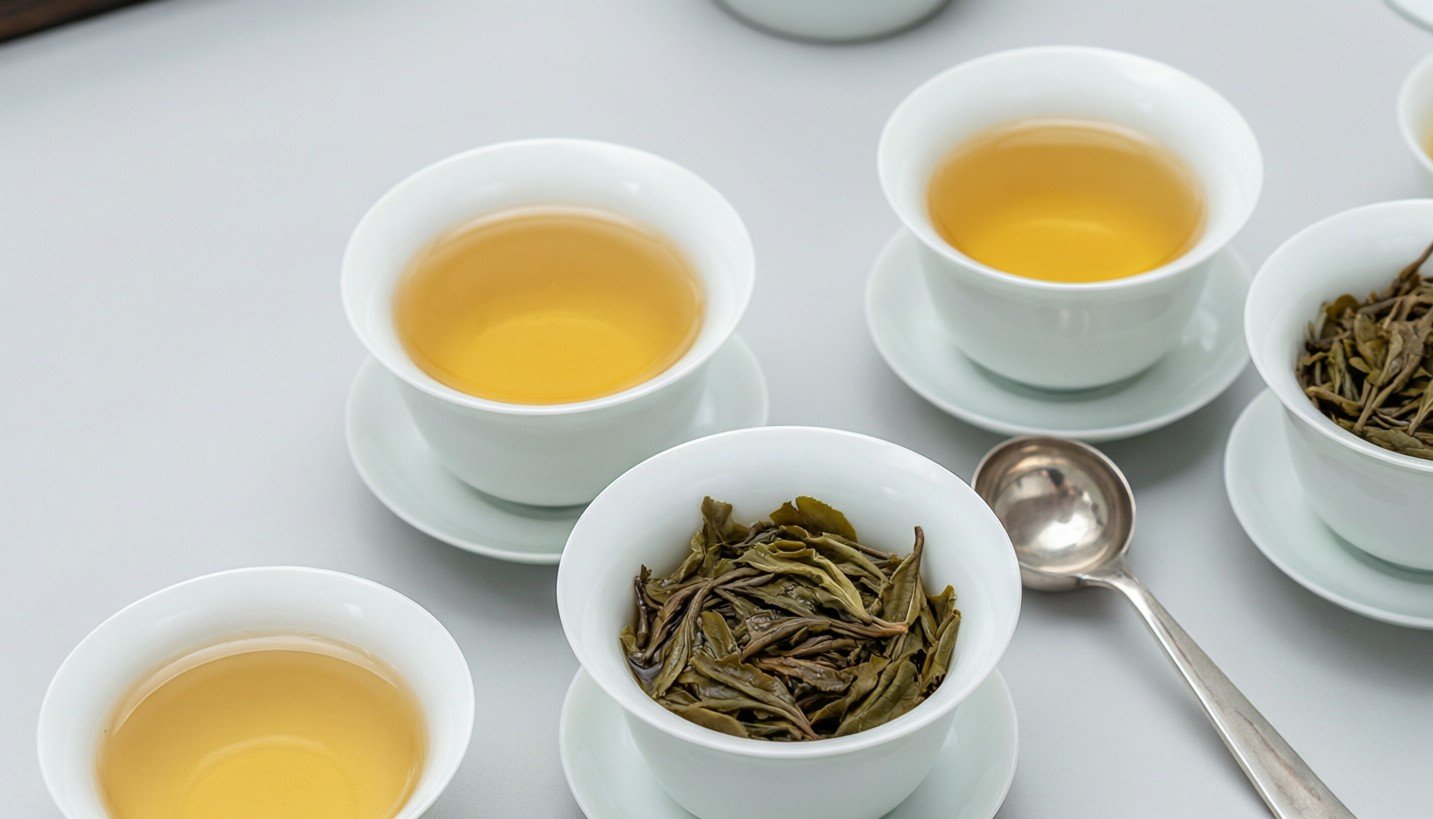
What Tea Franchising Actually Covers
A franchise is a licensing relationship: the franchisee owns and operates a local business using the franchisor’s brand, systems, and supply arrangements [2]. In the United States, the relationship is regulated under the Federal Trade Commission’s Franchise Rule, which requires a Franchise Disclosure Document, or FDD, to be delivered to a prospective franchisee at least 14 calendar days before an agreement is signed or money is paid [1].
Tea franchising is broad. It can mean a small bubble tea counter, a full tearoom, a mall kiosk, a retail tea-and-gift shop, or a master franchise arrangement for an entire region. The common thread is that the local operator does not own the brand and must operate within the franchisor’s standards, product list, and approved sourcing network.
The FDD is one of the most useful due-diligence tools in the process because it organizes information into 23 required disclosure items [1]. Those items include the franchisor’s background, fees, investment estimates, territory rights, training obligations, financial performance representations, franchisee turnover, and audited financial statements. Reading it carefully is more important than relying on a sales presentation or a brochure.
Franchise Models and the Economics You Commit To
Tea franchise formats tend to cluster into four broad models, and the unit economics are not the same across them.
| Model | Common Format | Primary Revenue Drivers | Main Cost Pressure |
|---|---|---|---|
| Counter or kiosk | Mall stall, street-front counter, food-court unit | High transaction volume, speed, beverage margin | Occupancy, labor coverage, traffic dependence |
| Full tearoom or café | Seated service, tea program, light food | Dwell time, higher ticket, repeat visits | Fit-out, staffing depth, training consistency |
| Retail and gifting | Loose-leaf tea wall, gift sets, accessories | Seasonal gifting, margin on packaged tea | Inventory, visual merchandising, working capital |
| Area developer or master franchise | Regional rights, sub-franchising or multi-unit operation | Scale fees, regional growth | Upfront capital, local infrastructure, long payback |

The financial commitment usually has four layers. First, there is a one-time franchise fee for the right to use the system. Second, there is the initial investment, which the FDD estimates in Item 7 and which typically includes leasehold improvements, equipment, signage, training, opening inventory, and working capital [1]. Third, there are recurring fees such as royalties, marketing or technology fund contributions, and sometimes software or training fees. Fourth, there may be required purchases of tea, packaging, and ingredients through approved suppliers.
No single figure applies across all tea franchise systems. A mall kiosk carries a different cost structure from a seated tearoom, and a master franchise is different again. The responsible approach is to work from the franchisor’s Item 7 disclosure, compare it against actual costs in your market, and stress-test it with current franchisees rather than accepting a headline number as the full answer.
How to Vet a Tea Franchise Before Signing
Start with the FDD, but do not stop there. Have a franchise attorney review the agreement and disclosure, and use the document to build a specific list of questions.
First, look at Item 19. Not every franchisor provides a financial performance representation, and one that omits it is not necessarily weaker, but you should understand what performance data is and is not being presented. If figures are provided, confirm whether they reflect company-owned locations, franchise locations, or a selected subset.
Second, use Item 20 to contact current and former franchisees. The most valuable questions are unit-level, not system-level: What did the actual opening cost turn out to be? How long did it take to reach stable sales? Did the approved supply chain remain competitive? Would you open another location?
Third, review the recurring fee structure across Items 5, 6, and 7, and pay attention to required purchases in Item 8 [1]. A low royalty can sometimes sit alongside a high required-supply markup, which shifts the margin from the fee line into the product cost line.
Fourth, examine the contract terms that matter after the first year: territory exclusivity, renewal conditions, transfer rights, default terms, and exit obligations. The U.S. Small Business Administration recommends a similar process for any franchise purchase: investigate the disclosure, talk to existing franchisees, and understand what happens under both success and failure scenarios [3].
Tea Supply Chain: Where Franchise Margins Are Won or Lost
For many tea franchises, the supply chain matters more than the franchise fee. Tea is an agricultural product. Harvest timing, origin, processing method, grade, and storage all affect quality, consistency, and cost. A system with weak supply discipline can look attractive on paper and then struggle with cup quality, seasonal price movement, or stockouts.
Franchisors often require tea and packaging to be purchased through designated suppliers. That arrangement is permitted when it is disclosed, and it can support consistency across locations [1]. The question for a prospective franchisee is whether the required product program is a genuine quality system or a hidden margin center. Ask for sample cost sheets, cupping notes, and at least two seasons of price movement before committing to a proprietary tea requirement.
A direct relationship with a China-based tea supplier can reduce layers in the chain, but it only works if the supplier can provide batch samples, consistent grading, food safety documentation, and reliable export logistics. That is where working with a structured sourcing team matters. If you are comparing franchise supply terms against a direct-sourcing route, our team at Chinese tea suppliers can walk you through the margin model, sample process, and documentation requirements. Email xuansc2144@gmail.com with your target format and volume for a sourcing brief.
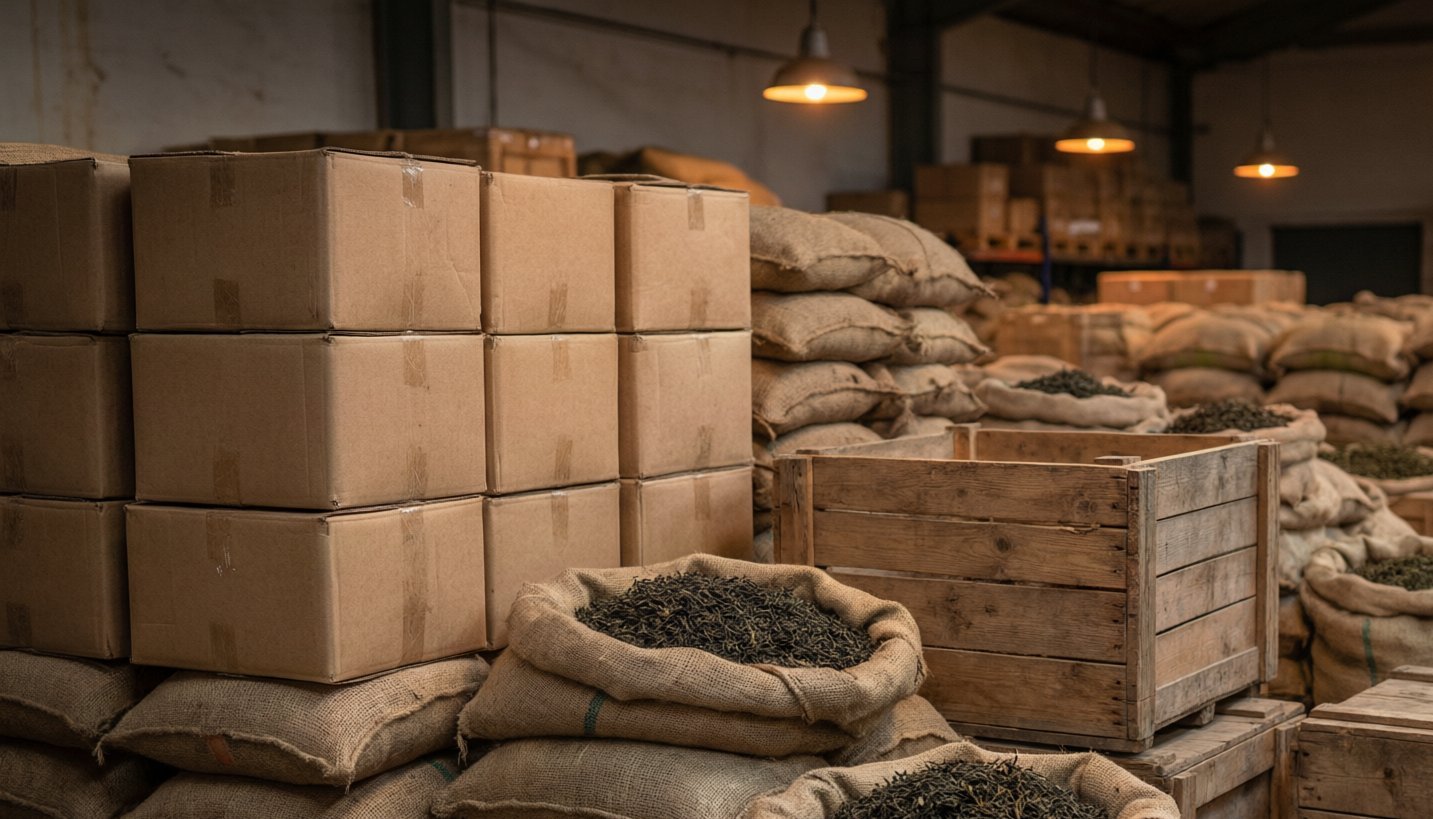
At a minimum, evaluate the supply chain before signing. Confirm who selects the tea, who sets prices, whether you may buy any products locally, how seasonal price changes are handled, and what happens if a required supplier cannot ship on time. These clauses affect daily operations more than most franchise marketing materials suggest.
Operations, Marketing, and the Mistakes That Sink Tea Franchises
Operations discipline is what turns a tea brand promise into repeat visits. Strong systems provide clear training, drink builds, portion standards, equipment maintenance, and opening and closing checklists. Weaker systems leave too much to the individual owner, which leads to inconsistency across locations.
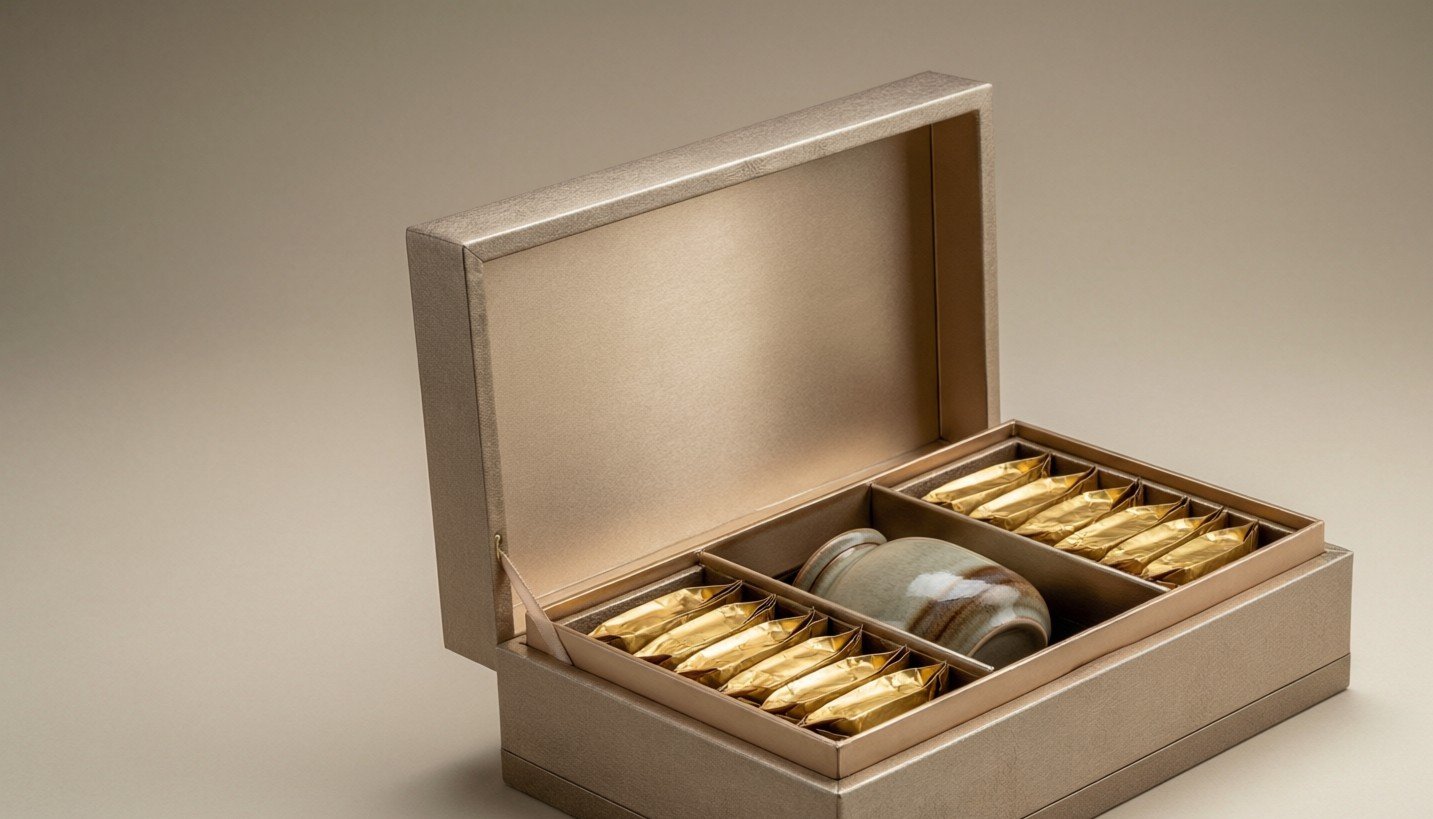
Marketing should be built around the local trade area. Tea franchises in Western markets have diversified beyond the traditional tearoom into grab-and-go kiosks, hybrid retail-café formats, and gifting-driven storefronts, which means the demand drivers vary by model [4]. A gift-led store depends on seasonal packaging and corporate gifting. A counter model depends on speed, visibility, and beverage consistency. A tearoom depends on atmosphere, staff knowledge, and dwell time.
Common mistakes include:
- Choosing a brand because the concept is appealing rather than because the unit economics work in the target location.
- Underestimating labor, especially for tearooms where tea preparation and service require trained staff.
- Signing a long lease before validating the territory, traffic, and local demand.
- Accepting vague supply-chain terms or assuming required tea prices will remain stable.
- Overpaying for a large store when a smaller format would reach the same customers.
- Ignoring renewal, transfer, and default clauses until they become relevant.
- Treating training as a one-time event instead of a continuous operational system.
Next Steps: Building Your Tea Franchise Plan
Before committing, build a one-page plan that covers the format, territory, opening budget, supply chain, staffing model, and target payback period. Review the FDD with counsel, validate the numbers with current franchisees, and compare at least two supply routes for tea and packaging. Then decide whether the franchise system, required products, and royalties leave enough margin after rent, labor, and marketing.
If the supply side of that equation is unresolved, contact Chinese tea suppliers at xuansc2144@gmail.com with your target format, city, and estimated volume. We will respond with a tea sourcing checklist, sample plan, and a comparison of required-supply terms against a direct sourcing route.
FAQ
What is the difference between a tea franchise and a tea license?
A franchise is a broader relationship that usually includes the brand, operating system, training, and ongoing support, and it is regulated by disclosure requirements in many jurisdictions [1]. A license is often narrower and may grant the right to use a name or sell a product without the same operational package. The legal test matters because calling an arrangement a license does not automatically exempt it from franchise laws.
How much does a tea franchise cost?
There is no single answer because formats differ widely. The FDD Item 7 provides the franchisor’s estimated initial investment, but the actual cost depends on the site, leasehold condition, local construction costs, equipment, inventory, and working capital [1]. Review the estimate line by line and compare it with current franchisees rather than treating the headline as fixed.
Do I have to buy tea only from the franchisor?
Not necessarily, but many tea franchisors require certain tea, packaging, or ingredients to be purchased through approved suppliers. These requirements should be disclosed in the FDD [1]. The key is to evaluate the required product program on price, quality, consistency, and flexibility before signing.
What should I check first in a franchise disclosure document?
Review the fee structure in Items 5 through 7, the required purchases in Item 8, any financial performance representation in Item 19, and the franchisee list and turnover information in Item 20. Then have a franchise attorney review the actual agreement and related contracts [1][3].
Is tea franchising the same as opening an independent tea shop?
No. An independent tea shop gives you full control over brand, sourcing, menu, and pricing, but it also leaves you responsible for building every system. A franchise provides a proven or semi-proven system, brand recognition, and training, but it adds ongoing fees, contractual limits, and supply-chain requirements.
How do I compare one tea franchise against another?
Build the same one-page unit model for each. Compare the franchise fee, total initial investment, royalty and marketing fees, required supply costs, territory protection, training quality, franchisee satisfaction, and the franchisor’s financial condition. Then compare the tea itself through structured cupping and cost analysis, not just the marketing story.
References
[1] U.S. Federal Trade Commission, “Franchise Rule 16 C.F.R. Part 436,” https://www.ftc.gov/legal-library/browse/rules/franchise-rule
[2] International Franchise Association, “What Is a Franchise?” https://www.franchise.org/faqs/basics/what-is-a-franchise
[3] U.S. Small Business Administration, “Buy a Franchise,” https://www.sba.gov/business-guide/launch-your-business/buy-franchise
[4] World Tea News, “Tea Retail and Franchise Trends,” https://worldteanews.com
No author description available.

白玉京