How to Brew Ninghong Black Tea Correctly: Temperature, Ratio & Timing
Ninghong black tea, also called Ninghong gongfu, comes from Xiushui County in Jiangxi Province and is one of China’s oldest congou black teas. The dry leaf is typically slender and tightly rolled, dark brown with visible golden tips in higher grades. When brewed well, the cup leans malty and smooth, with dried fruit, cocoa, and a light spicy finish instead of aggressive astringency. Getting that balance is less about special equipment and more about controlling three variables: temperature, ratio, and time.
What Makes Ninghong Black Tea Different
Ninghong belongs to the congou black tea family, the same broad category as many famous Chinese black teas, and is covered by China’s congou black tea standard GB/T 13738.2-2017 [3]. The leaves are generally whole and tightly twisted rather than cut into small grains, so they release flavor more gradually than broken-leaf tea bags. That structure rewards a little more patience in the first minute and punishes rough handling, especially water that is still aggressively boiling or steeping that goes too long.
The target profile is not smoke or punch. Most Ninghong is clean and rounded, with a sweetness that sits behind the malt. If your cup comes out harsh, the problem is usually ratio or temperature, not the tea itself.
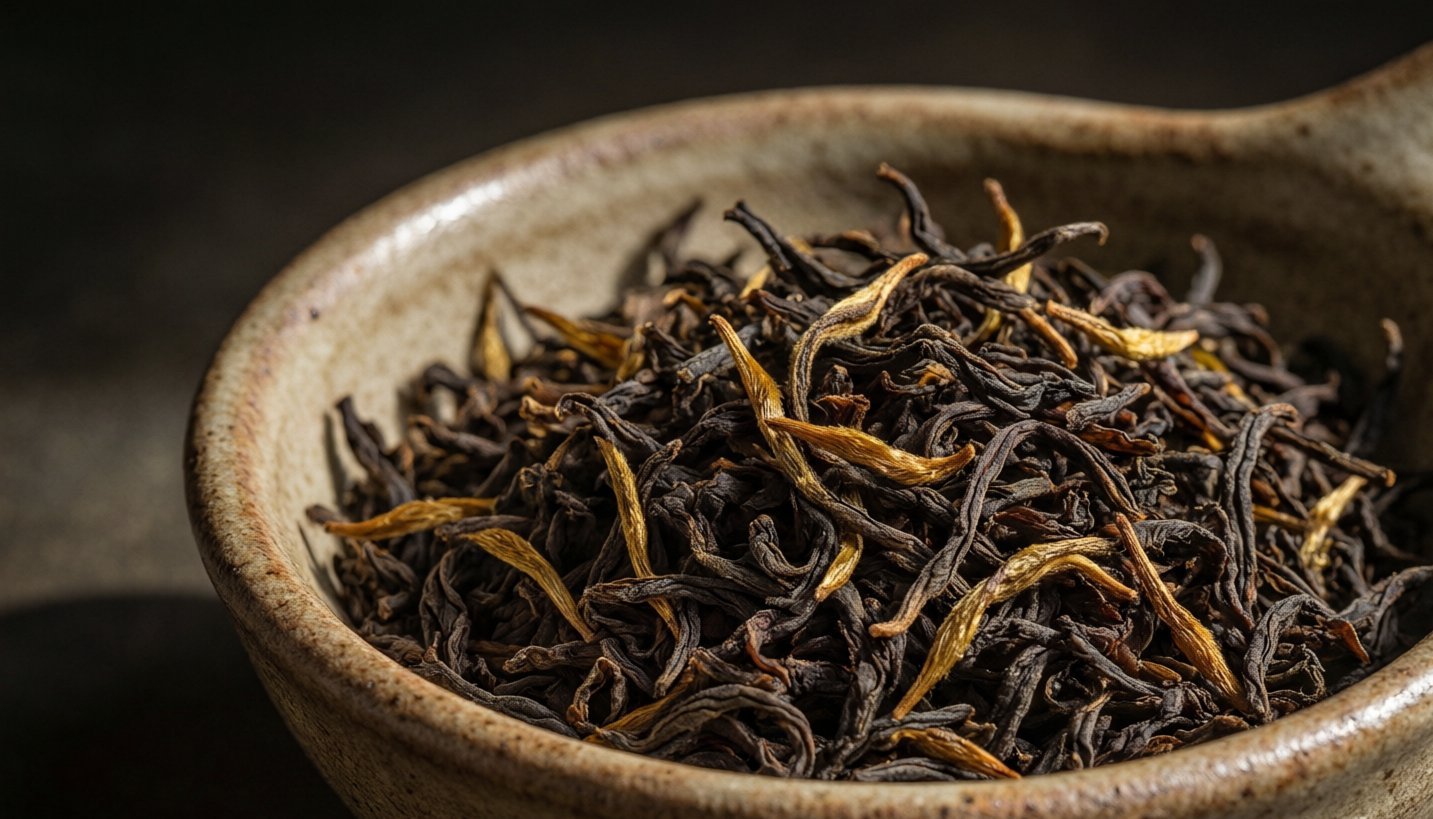
Water, Ratio, and Teaware Basics
The most reliable reference point for black tea brewing is ISO 3103, the international standard for preparing tea liquor for sensory evaluation. It specifies 2 g of tea per 100 ml of water, freshly boiling water, and a 6-minute steep for evaluation purposes [1]. That is a useful baseline because it removes guesswork, but it is designed for consistent testing rather than everyday drinking.
China’s national tea sensory evaluation method GB/T 23776-2018 also uses a controlled sample-to-water relationship for appraisal, with a 3 g sample in 150 ml of boiling water for black tea evaluation [2]. Both standards point to the same principle: measure the leaf. Eyeballing a “spoonful” is the fastest way to make two completely different cups from the same bag.
| Method | Leaf dose | Water temperature | Steep time |
|---|---|---|---|
| ISO sensory baseline [1] | 2 g per 100 ml | 100 °C (212 °F) | 6 min |
| Western teapot | 3 g per 150 ml | Just off the boil | 3–4 min |
| Gongfu brewing | 5 g per 100 ml | Just off the boil | 10–15 s, then longer |
The Western and gongfu rows are practical starting points, not universal rules. Begin there, taste, and adjust in small steps. Use soft, low-mineral water if possible, and warm the teapot or gaiwan before adding leaves.
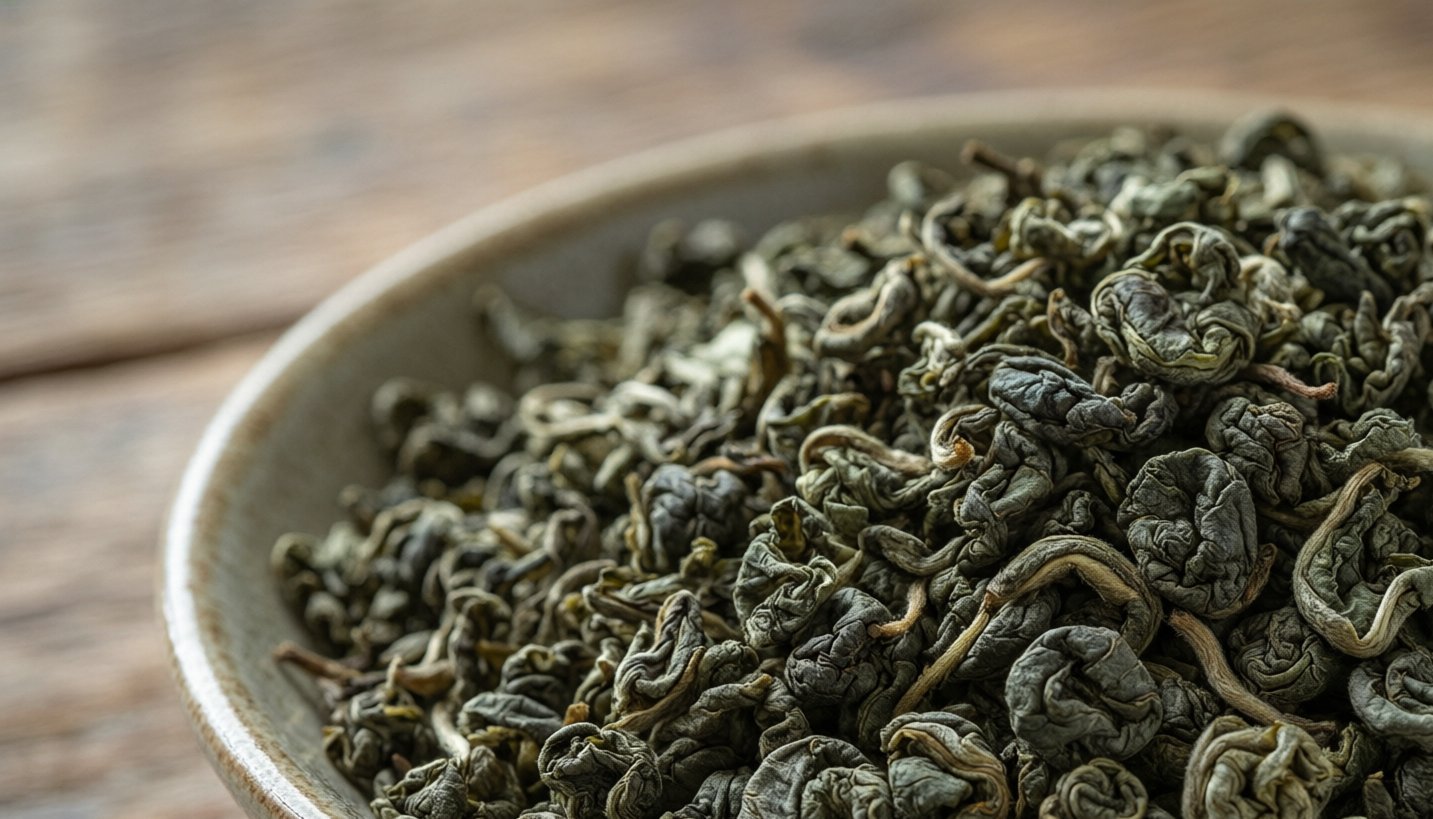
If you are evaluating Ninghong for wholesale, private label, or a retail program, the best decision is to cup a small batch against these parameters before committing to volume. For current harvest specifications and sample sets, contact us at xuansc2144@gmail.com and we can match the tea to your target brewing style and market.
Western-Style Brewing Step by Step
Western-style brewing works well when you want a full pot that can sit for several minutes without constant attention.
- Heat the teapot by rinsing it with hot water, then discard the rinse water.
- Add 3 g of Ninghong leaf for a 150 ml pot, or scale at roughly 2 g per 100 ml if your pot is larger.
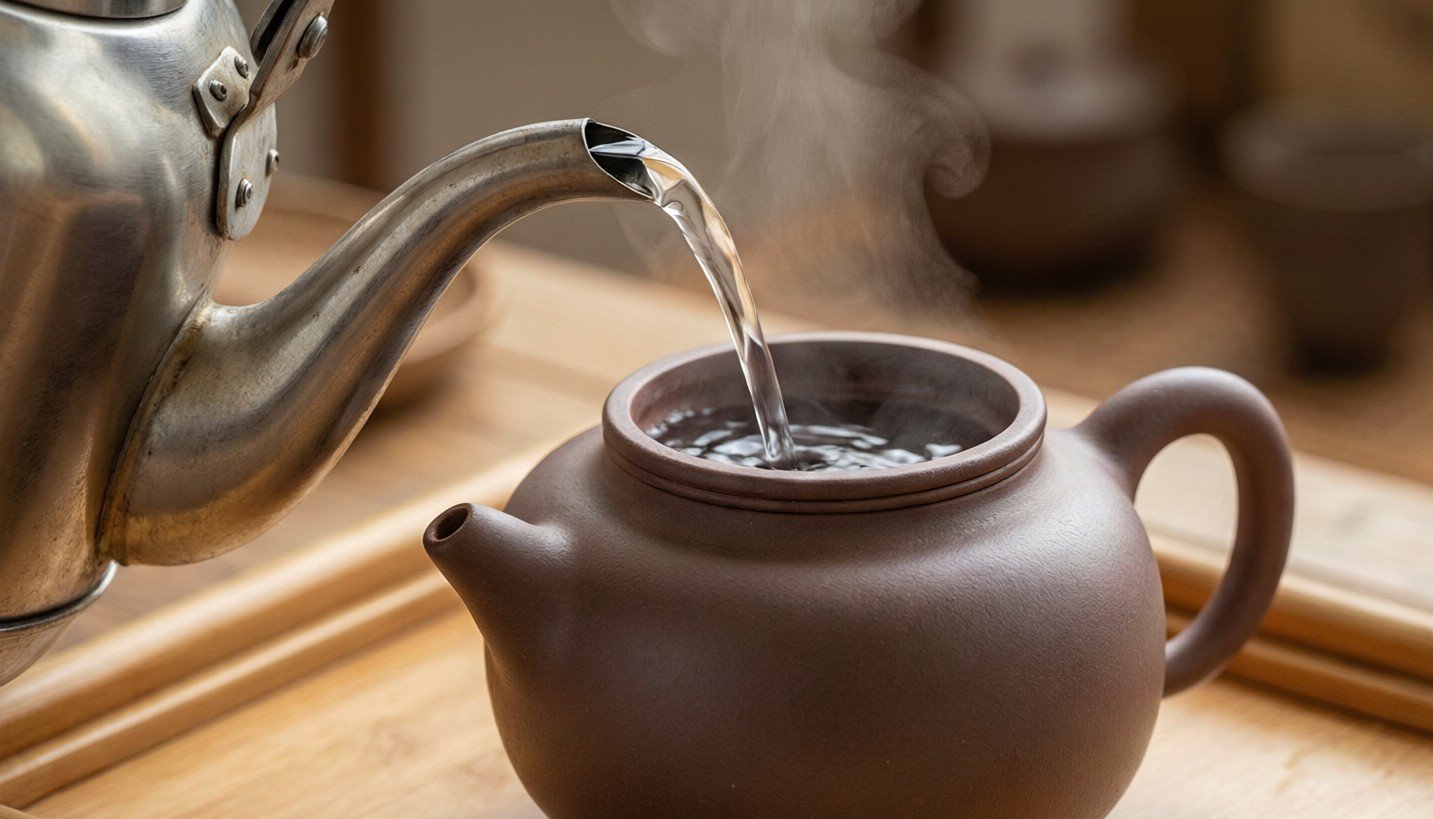
- Bring water to a full boil, then let it settle for 20–30 seconds before pouring. Ninghong does not need the rolling boil that evaluation standards use [1], and a slightly calmer pour often gives a cleaner sweet note.
- Pour water over the leaves, cover, and steep for 3–4 minutes. At the 3-minute mark, pour a small taste. If the cup is too light, let the rest continue; if it is already rounded, decant everything.
- Decant the tea completely. Leaving leaves in water will keep extracting and turn the second half of the pot bitter.
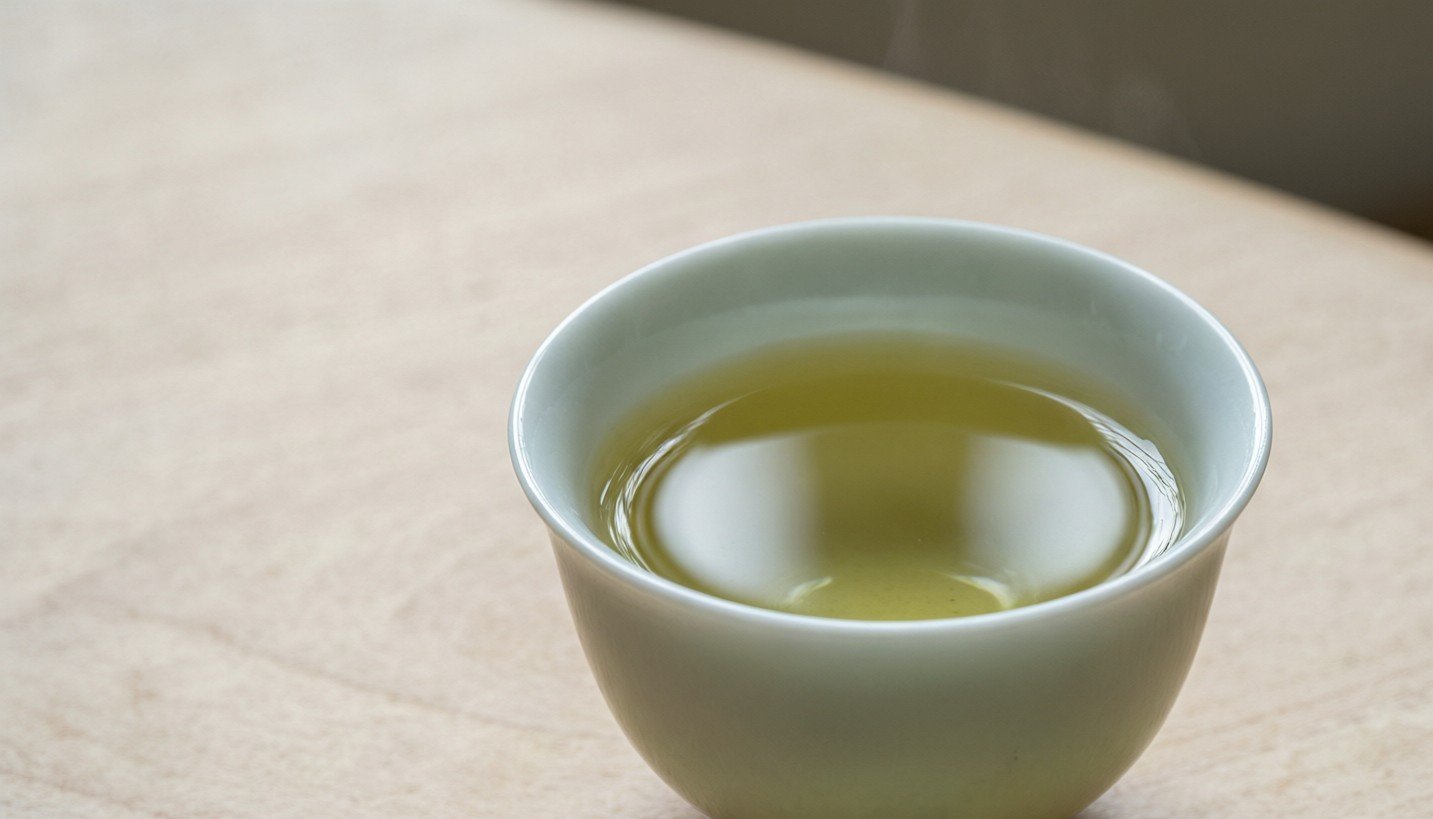
The liquor should be a clear reddish-amber to copper, not murky. If it is pale, add leaf rather than doubling the steep time next round.
Gongfu Brewing for More Depth
Because Ninghong is tightly rolled and whole-leaf, gongfu brewing can open the leaf gradually and show more layers than one long steep.
Use a gaiwan or small teapot of about 100 ml and 5 g of leaf. Rinse the leaf briefly with hot water for 2–3 seconds and discard that rinse, then make the first infusion at 10–15 seconds. Each following infusion can run a little longer: 15–20 seconds, then 25–30 seconds, then longer as the leaf thins out. Keep the water just off the boil for the first infusions.
Pour every infusion fully. The first round is often malty and fragrant, the second and third show more dried fruit and cocoa, and later rounds become softer and more mineral. There is no standard number of infusions, but a well-stored Ninghong commonly holds interest for at least four to six short rounds.
Common Mistakes That Flatten the Cup
The most common failures are easy to fix once you can see them.
- Water too hot while pouring: A hard rolling boil can scald the leaf surface and make the first cup sharp. Let the boil settle.
- Water too cool: Below a proper near-boiling range, Ninghong tastes flat and weak instead of malty.
- Too much leaf: Overpacking shortens the window between rich and bitter. Measure once and adjust from a known baseline.
- Steeping too long: The 6-minute ISO evaluation steep is not a serving recommendation for every palate [1]. Treat it as a reference, then shorten in 30-second steps.
- Hard or chlorinated water: This tea depends on clear water for its sweet finish. Filter first if your tap water tastes sharp.
- Leaving the last pour in the pot: Even a small amount of trapped water keeps extracting and muddies later cups.
The fastest diagnostic is to change one variable at a time. Keep the ratio and water constant, move the steep time in one direction, and taste the difference before changing anything else.
Source Ninghong Black Tea with Brewing Data
If you are buying Ninghong for resale, food service, or private label, ask for more than a grade name. Request the harvest period, leaf size, oxidation level, and a recommended brewing baseline from the supplier. That data helps you train staff, write accurate product pages, and avoid quality disputes later.
For direct sourcing support, current Ninghong specifications, and sample requests, contact us at xuansc2144@gmail.com.
FAQ
What water temperature should I use for Ninghong black tea?
Start just off a full boil, around 100 °C after a short settle, especially for Western-style brewing. If the cup tastes sharp, let the water cool slightly more before the next pot. The ISO evaluation method uses freshly boiling water as the standard reference [1].
How much tea should I use per cup?
A reliable starting point is 2 g per 100 ml of water for a full teapot, following the ISO 3103 ratio [1]. For a 150 ml cup or pot, that is about 3 g. Gongfu-style brewing uses a higher concentration, commonly around 5 g per 100 ml, with much shorter steeps.
Is Ninghong black tea good for gongfu brewing?
Yes. Its whole-leaf, tightly rolled structure opens well in short repeated infusions, and gongfu brewing often shows more of the dried fruit and spice notes than one long Western steep.
Can I add milk to Ninghong black tea?
You can, though many drinkers prefer Ninghong plain because its natural sweetness and dried fruit notes are easily covered by milk. If you do add milk, brew a slightly stronger pot first, since milk softens both body and bitterness.
How many times can I steep Ninghong?
In gongfu brewing, expect at least four to six short rounds from a good batch, with the sweet spot usually in the second and third infusions. In Western brewing, the leaf is generally intended for one or two full pots, with the second pot weaker and shorter.
References
[1] International Organization for Standardization, Tea — Preparation of Liquor for Use in Sensory Tests, ISO 3103:1980. Geneva, Switzerland: ISO, 1980.
[2] Standardization Administration of China, Methodology of Sensory Evaluation of Tea, GB/T 23776-2018. Beijing, China: SAC, 2018.
[3] Standardization Administration of China, Black Tea — Part 2: Congou Black Tea, GB/T 13738.2-2017. Beijing, China: SAC, 2017.
No author description available.

白玉京