Spotting Fake Tieguanyin Black Tea: 5 Red Flags Buyers Must Check
Tieguanyin is best known as a floral oolong from Anxi County in Fujian, but black tea produced from the same Tieguanyin cultivar has quietly become a premium specialty item in wholesale markets. That premium status has made it a target for mislabeled lots: leaves from other provinces, lower-grade autumn material, re-roasted stale oolong, and artificially scented black tea all appear under the Tieguanyin name.
Spotting a fake is not about chasing a single “gotcha” detail. It is about checking whether the lot’s origin, leaf shape, aroma, price, and paperwork all point to the same honest product. Below are five red flags to check before you order a sample.
Five Red Flags That Expose Fake Tieguanyin Black Tea
No single signal proves a lot is fake. The most reliable judgment comes from checking several signals together.
Red Flag 1: Origin claims that do not trace back to Anxi
Authentic Anxi Tieguanyin is a protected geographical indication product. China’s national standard GB/T 19598-2006 limits protected Tieguanyin to specific production conditions in Anxi County [1]. Sellers using phrases such as “Tieguanyin-style black tea,” “Fujian-area flavor,” or “made with Tieguanyin technique” without a traceable Anxi lot number are often blending leaves from other provinces [2].
Ask for the specific town or village, harvest date, and cultivar confirmation before accepting an origin claim. A supplier with genuine Anxi material should be able to tell you more than a generic regional story.
Red Flag 2: Dry-leaf shape and color that look generic
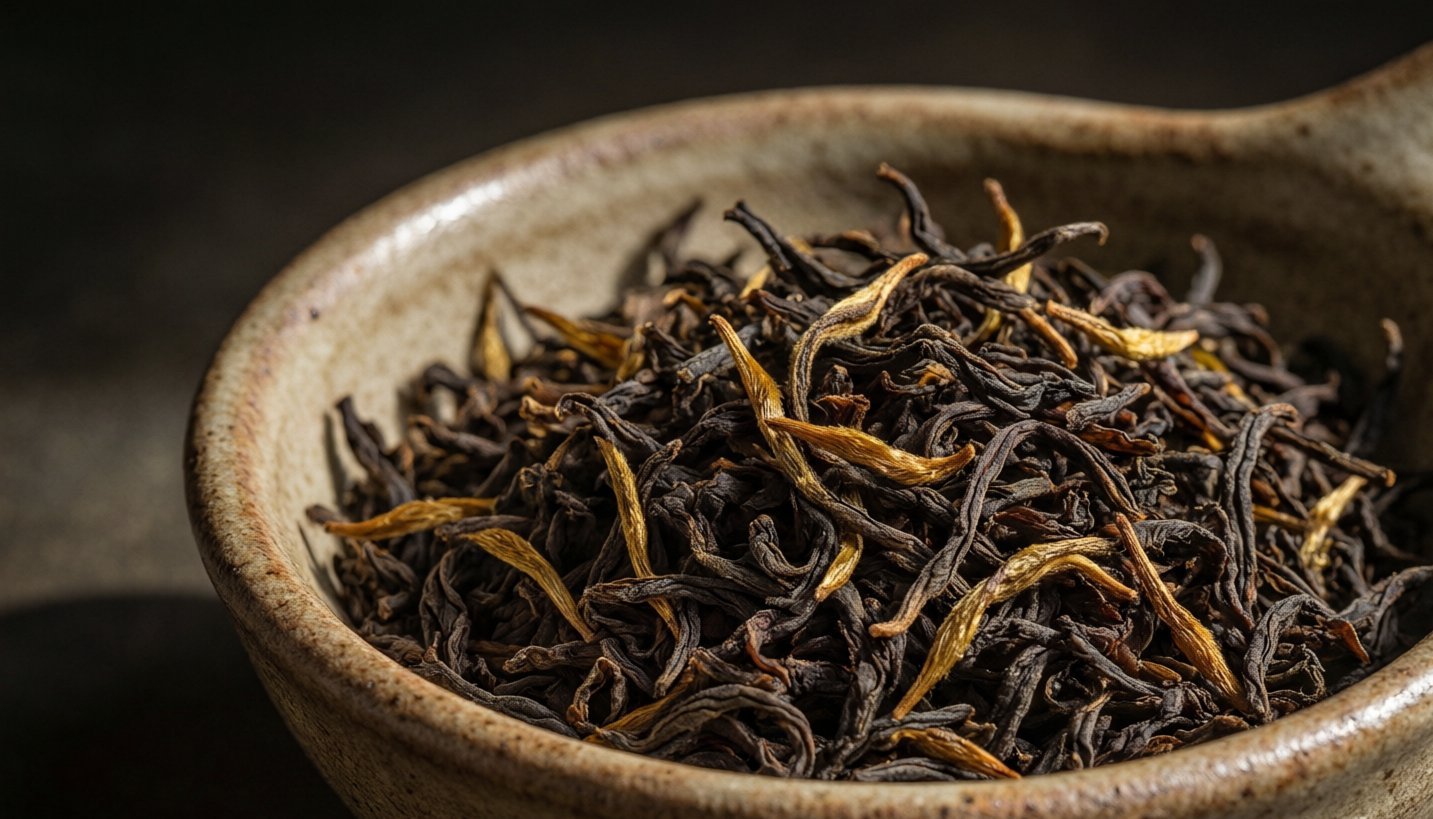
Tieguanyin cultivar black tea is normally produced as a strip-style black tea, not through the CTC process. A genuine lot will show long, slightly twisted or curled leaves with visible color variation—dark brown to black with occasional golden tips—rather than uniform pellets, small granules, or commodity-grade dust [3].
If the dry leaf looks exactly like generic black tea from a different region, or every piece is the same flat matte black, suspect re-grading, blending, or substitution.
Red Flag 3: Aggressive or artificially flavored aroma
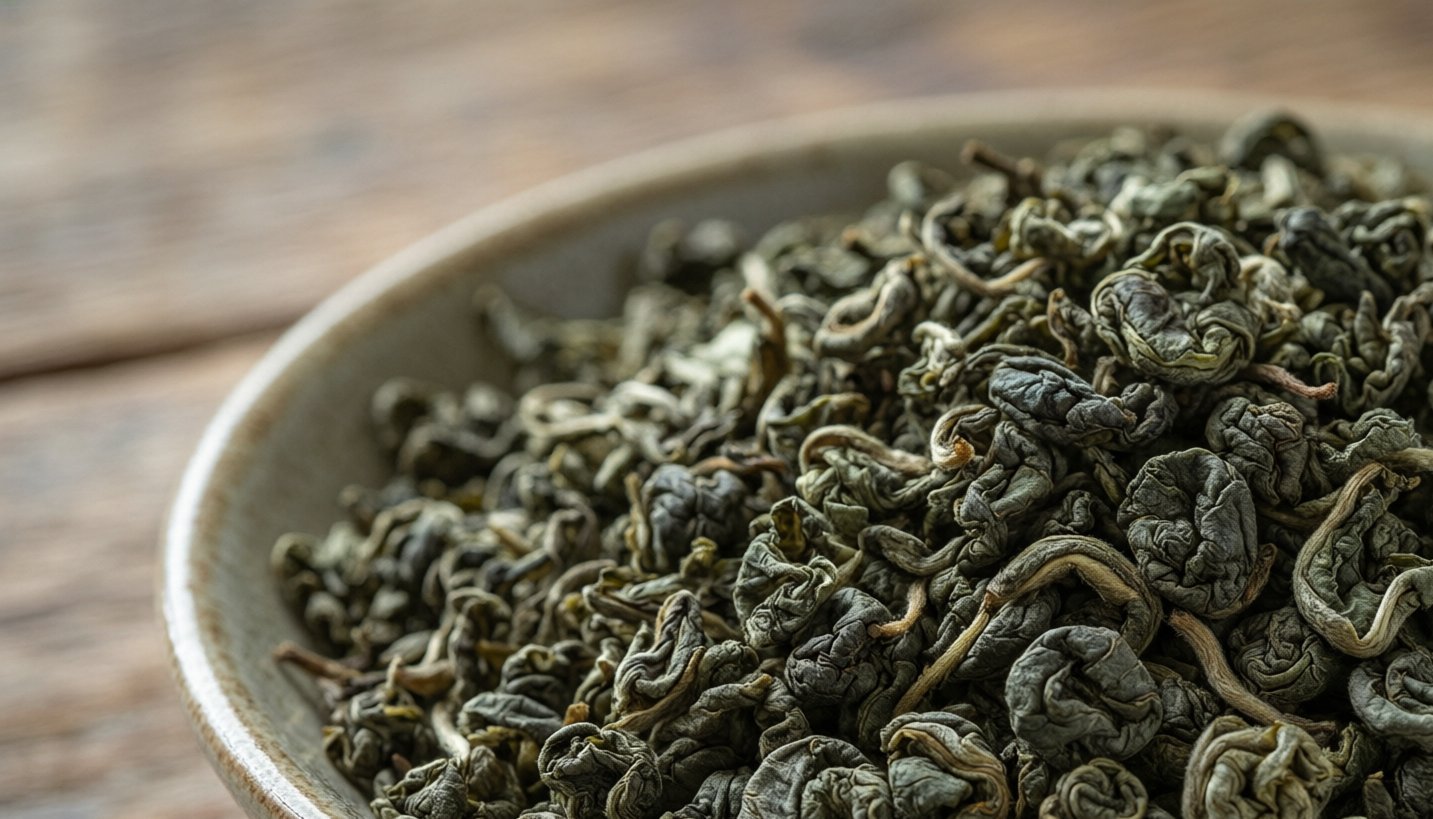
Real Tieguanyin black tea carries a naturally warm fruit-and-honey aroma with a soft floral undertone. Fakes often smell loud and very sweet when dry—like perfume, caramel, or candy—because flavoring has been added to hide stale or low-grade base tea.
Use a two-step smell test: first cold on the dry leaf, then after a hot-water rinse. Artificial scent usually flashes intensely on the dry leaf and then collapses in the cup. Natural Tieguanyin aroma stays more stable across the tasting.
Red Flag 4: Wholesale pricing that ignores production realities
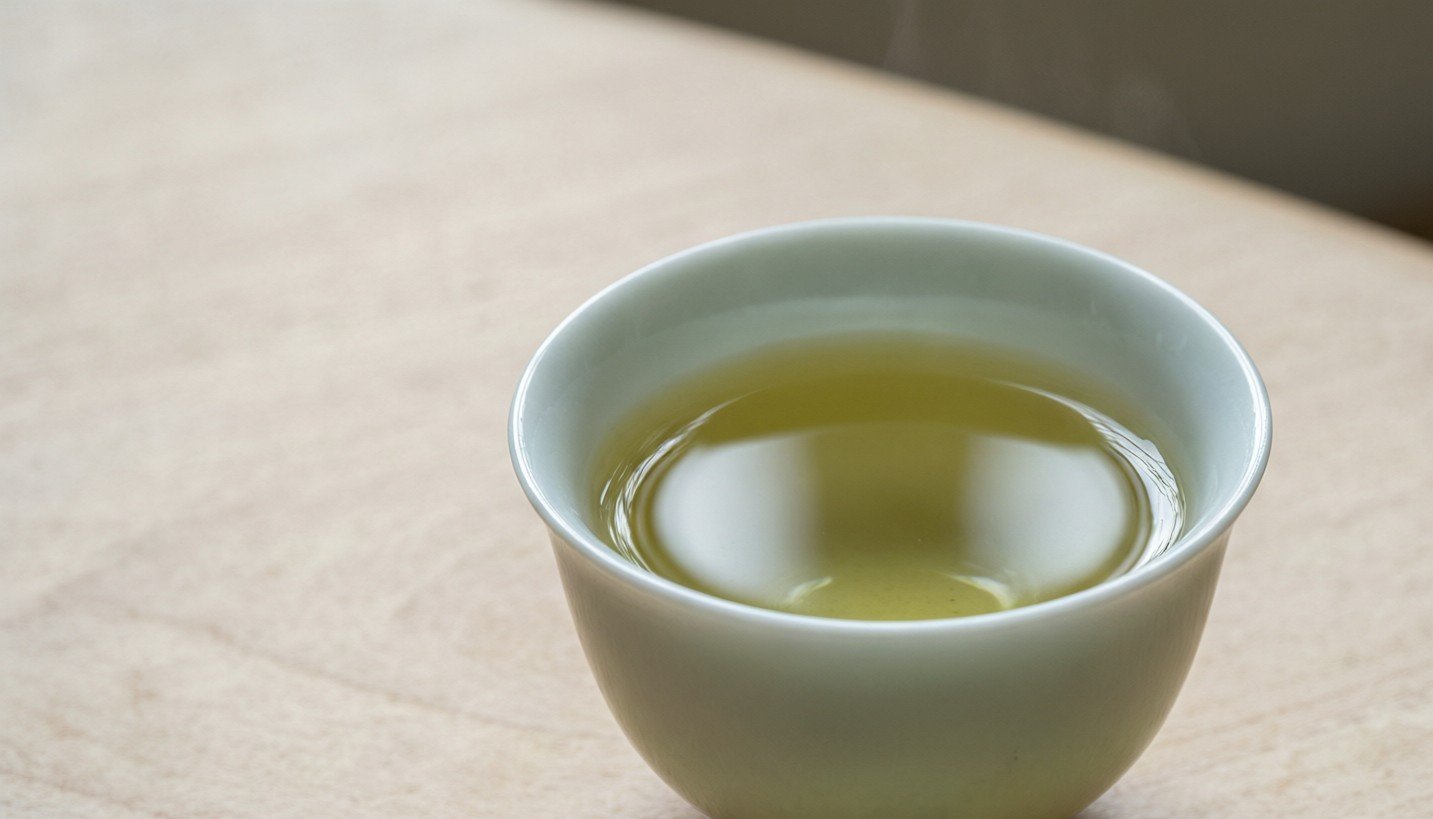
Anxi Tieguanyin material is not the cheapest raw leaf on the market. Local labor, hand-picking during narrow harvest windows, and the lower yield of high-aroma cultivars make genuine Tieguanyin black tea structurally more expensive than generic Fujian black tea.
There is no fixed price threshold, but a lot offered far below the local market for equivalent Anxi black teas usually means the material has been substituted, cut with older leaf, or scented to cover defects. Compare several Anxi supplier quotes and treat extreme outliers as a risk signal rather than a bargain.
Red Flag 5: Missing batch documentation and lab reports
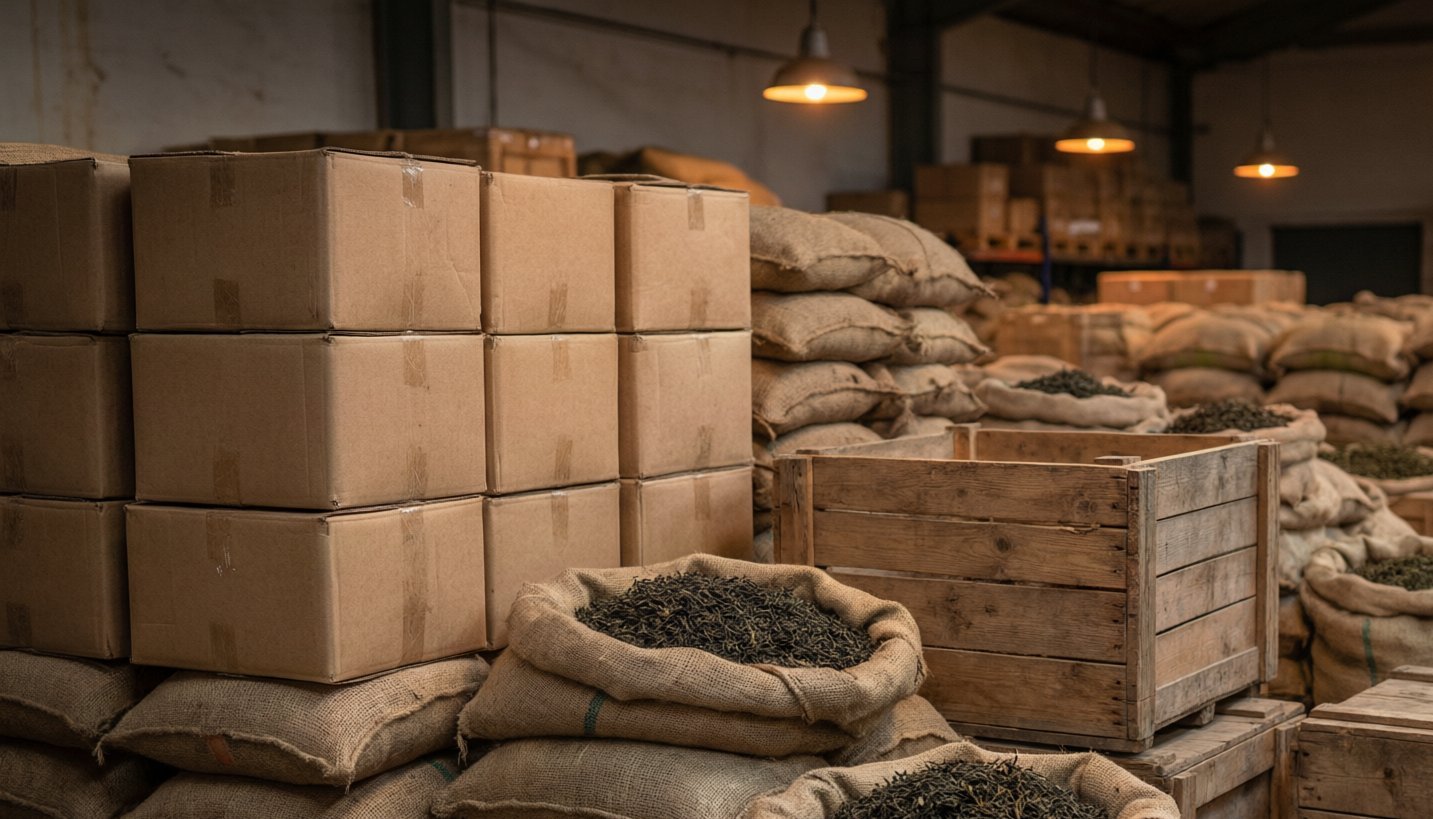
Legitimate wholesale lots should come with batch-level documentation: cultivar, lot number, production date, processing location, and a pesticide or contaminant test report. Chinese black tea standards such as GB/T 13738.2-2017 define quality requirements for Congou black tea [4].
If the seller cannot produce a matching test report, origin certificate, or graded sample record, that is a process failure—not just a paperwork issue. A supplier with nothing to hide can usually show the chain from harvest to packed product.
How to Verify a Tieguanyin Black Tea Lot Before You Buy
Use this sequence before committing to a full order:
- Request origin documents showing Anxi village, harvest season, and Tieguanyin cultivar confirmation.
- Inspect dry leaf against a reference sample for strip shape, twist, and color variation.
- Score the aroma cold, then after a rinse.
- Taste the liquor for body, sweetness, and whether the flavor matches the dry-leaf aroma.
- Ask for the latest pesticide and contaminant lab report with the same lot number.
Use this quick scorecard when comparing offers:
| Red flag | What you may see or hear | What to ask next |
|---|---|---|
| Origin | “Tieguanyin-style” or no town name | Exact village, harvest date, cultivar |
| Dry leaf | Uniform granules, dust, flat black pieces | Reference sample of strip-style Tieguanyin black tea |
| Aroma | Perfume, caramel, candy blast that fades | Aroma test before and after rinse |
| Price | Far below comparable Anxi quotes | Raw leaf source and production batch details |
| Paperwork | No lot number or lab report | Lot-matched test report and origin certificate |
Need a Second Opinion on a Sample?
If you are holding a Tieguanyin black tea sample and are not sure whether it matches the seller’s description, get a second pair of eyes. Send the lot photos, origin claim, and asking price to xuansc2144@gmail.com with the subject line “Tieguanyin black tea check.” Describe your target grade and market, and we will respond with what to verify before you place the order.
Source Verified Tieguanyin Black Tea Directly
Our team sources fixed Anxi production batches and can provide origin certificates, graded samples, and lot-matched lab reports before shipment [1][2][4]. If you need pure Tieguanyin-cultivar black tea in bulk, private-label, or retail-ready packaging, contact sourcing at xuansc2144@gmail.com with your quantity, target specification, and destination. Ask for the current harvest sample set and a documented lot list.
FAQ: Tieguanyin Black Tea Authentication
Is Tieguanyin black tea the same as Tieguanyin oolong?
No. Both can come from the same cultivar, but they are processed differently. Tieguanyin oolong is semi-oxidized, while Tieguanyin black tea is fully oxidized. A fake lot is sometimes old or re-roasted oolong repackaged as black tea.
Can a black tea be labeled Tieguanyin if it comes from outside Anxi?
It should not use the protected Anxi Tieguanyin origin claim if it was produced outside the designated area [1][2]. Blends made from other regions can still be legitimate black tea, but they should be described in a way that does not imply protected Anxi origin.
What is the single most reliable check?
Cross-check origin documents with dry-leaf shape and aroma. Origin paperwork alone can be misleading, and appearance alone can be copied. The strongest signal is when all three match the same lot story.
How should I store Tieguanyin black tea samples before cupping?
Keep samples in sealed, opaque, odor-neutral packaging away from heat, light, and moisture. Black tea is more forgiving than green tea, but poor storage will flatten aroma and make authentication harder.
What documents should a clean wholesale lot include?
A clean lot should include cultivar confirmation, lot number, production date, processing location, an origin certificate, and a lab report covering pesticide residues or contaminants relevant to the destination market.
References
[1] GB/T 19598-2006, Product of geographical indication—Anxi Tieguanyin, Standardization Administration of the People’s Republic of China.
[2] China National Intellectual Property Administration, geographical indication registration database, Anxi Tieguanyin entry.
[3] ISO 3720:2011, Black tea — Definition and basic requirements, International Organization for Standardization.
[4] GB/T 13738.2-2017, Black tea — Part 2: Congou black tea, Standardization Administration of the People’s Republic of China.
No author description available.

白玉京