How to Store Chinese Black Tea: Shelf Life & Storage Tips
Chinese black tea — known in China as red tea, or hong cha — is a fully oxidized tea [3]. It is more forgiving than green tea, but it is not immortal. A well-made Keemun, Dianhong or Jinjunmei can hold its malt, honey, cacao and pine character for one to three years when storage conditions are controlled. What most drinkers call “going bad” is usually flavor loss, not spoilage: the tea turns flat, papery or sour while remaining technically safe to brew.
Wholesale buyers face the same physics at scale. A carton that sits in a hot container or humid warehouse can arrive tired even when the producer packed excellent leaf. The storage rules in this guide follow the same principles used in commercial tea warehousing and align with published tea storage guidance [1].
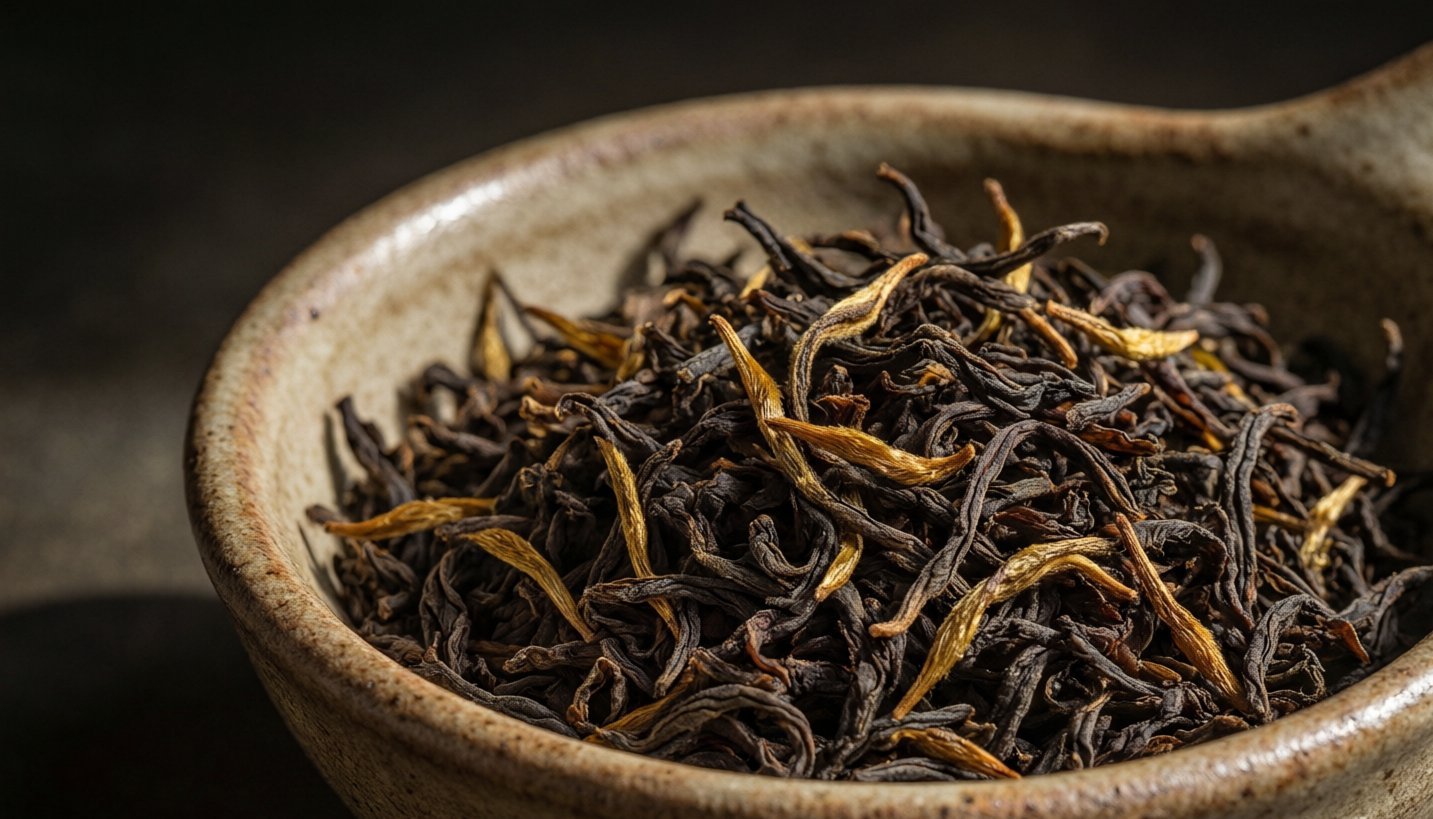
What Makes Chinese Black Tea Lose Flavor
Black tea does not stop changing once it is fired and packed. Three processes continue slowly, and all of them are driven by moisture, heat, oxygen and light.
First, the volatile aroma compounds that define a black tea’s top notes — the floral, fruity, smoky or honeyed edge — evaporate or oxidize. This is why the first cup from a freshly opened bag is usually the most vivid.
Second, the tea’s natural oils and lipids can oxidize further and develop stale, waxy or cardboard notes. Broken grades and CTC teas have more exposed surface area, so this happens faster.
Third, black tea absorbs surrounding odors. If leaves are stored near spices, coffee, cardboard or cleaning products, they will pick up those smells within days. This is one of the most common causes of “off” Chinese black tea.
Light also accelerates color and flavor change. Theaflavins and other pigments that give black tea its red-amber cup fade under direct light, producing a duller liquor and a flatter taste.
How Long Chinese Black Tea Really Keeps
Shelf-life labels on packaged tea are quality dates, not spoilage deadlines [2]. A sealed black tea does not become dangerous on the date printed on the bag; it becomes progressively less expressive.
| Form or format | Practical quality window, sealed at 20–25°C | What changes first |
|---|---|---|
| Loose orthodox black tea (Keemun, Dianhong) | 18–36 months | Floral and honey top notes fade after 12–18 months |
| CTC and broken-grade black tea | 12–24 months | Malty punch flattens; leaf absorbs odors faster |
| Scented or flavored black tea | 6–12 months | Added aroma evaporates or turns waxy |
| Sun-dried black tea / aged hong cha | 3 years or more under controlled aging | Sharp notes soften while body deepens |
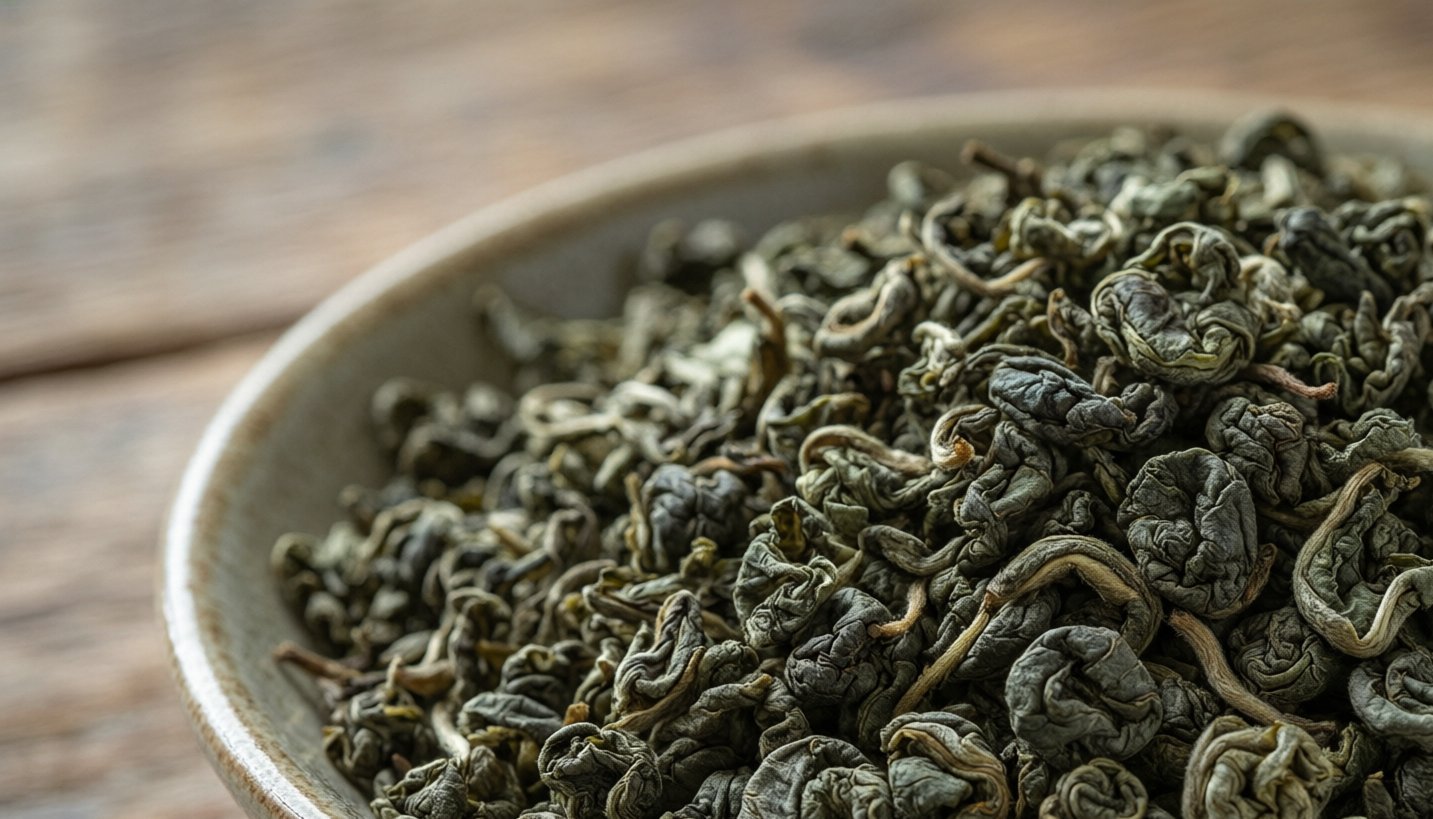
The practical shelf life is only meaningful when the tea is sealed in moisture-resistant packaging and kept cool, dry and dark [1]. For ordinary orthodox Chinese black tea, storage relative humidity below 50% and ambient temperatures near 20–25°C are the working targets. Structure matters more than a date stamp: a PE-lined carton in a dry room will preserve black tea far longer than an open tin in a warm kitchen.
Storage Rules That Keep Black Tea Fresh
The controls are simple but they need to be consistent.
- Use sealed, opaque packaging. Food-grade tins with tight lids, foil-lined bags with zip seals, or resealable pouches with a moisture barrier all work well. Clear glass jars are only acceptable if kept inside a dark cabinet.
- Keep moisture out. Do not scoop tea with a wet spoon, do not steam near the container, and do not leave the bag open above a kettle. A food-grade desiccant can help in humid climates.
- Control temperature. Store tea away from stoves, ovens, radiators and direct sunlight. A stable room-temperature cabinet is better than a shelf that heats and cools every day.
- Avoid refrigerator condensation. For daily drinking, sealed room-temperature storage is the better default. If you refrigerate unopened tea long-term, keep it in airtight packaging and let it return to room temperature before opening so condensation does not form on the leaves.
- Separate strong odors. Keep black tea away from coffee, spices, onions, garlic, cleaning supplies and strongly scented teas.
- Use first in, first out. Do not top off an old batch with new leaf. Label bags with the purchase or production date and rotate stock.
A practical setup follows these steps:
- Transfer the tea to an airtight, food-grade container if the original bag is not resealable.
- Add a clean, food-safe desiccant pack only if your storage area is humid and you open the container rarely.
- Close the container immediately after scooping.
- Place it in a dark, low-odor cabinet at stable room temperature.
- Keep a small cupping tin for daily use so the main stock is not opened repeatedly.
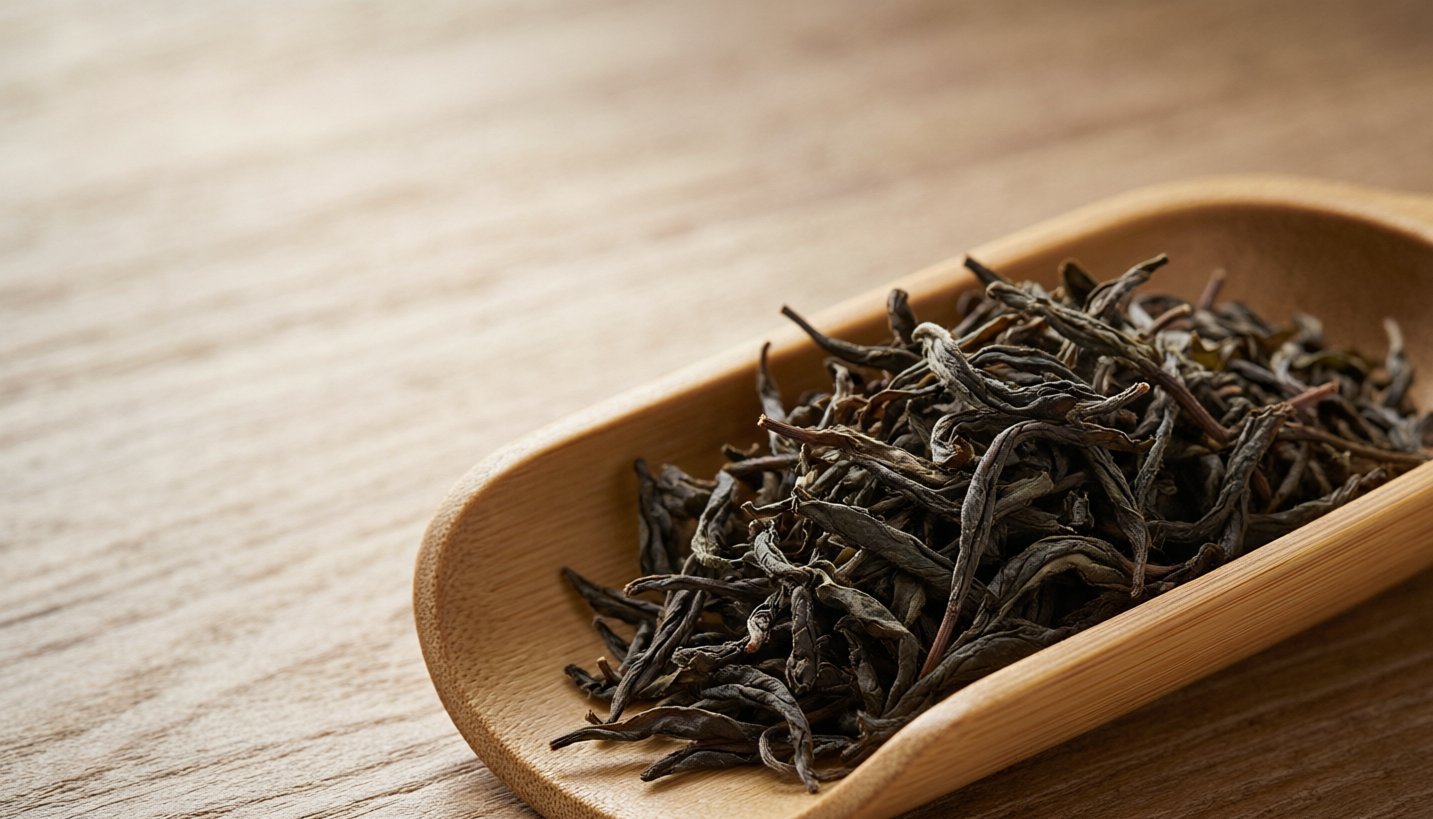
Commercial Storage and Wholesale Handling
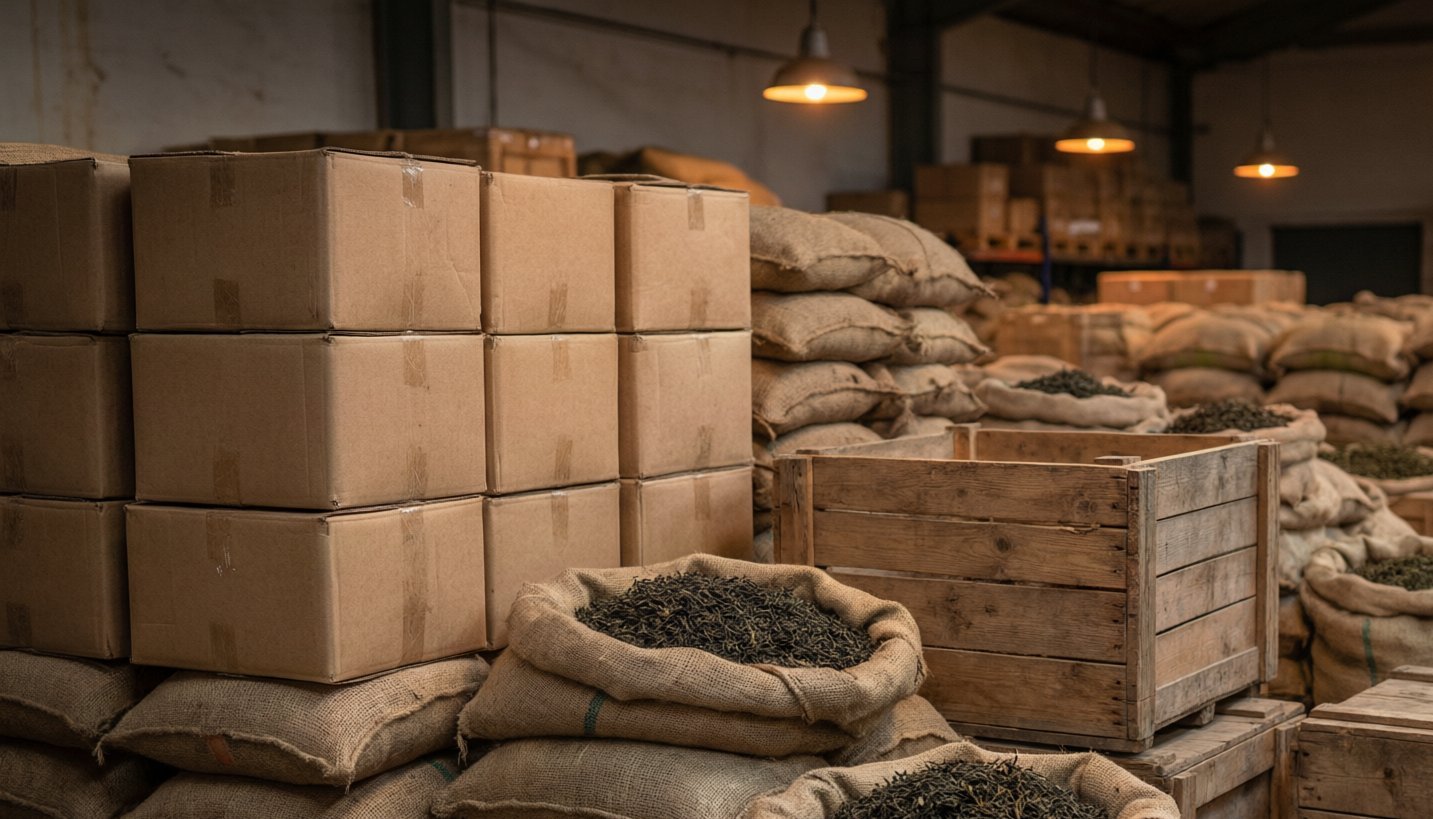
For importers and wholesalers, storage begins before the container is loaded. Chinese black tea should ship in cartons with food-grade inner liners, ideally PE or aluminum composite, and desiccant where the route includes tropical or high-humidity stops.
In a warehouse, cartons belong off the floor on pallets, away from dock doors, hot pipes, windows and walls where condensation collects. Tea should be kept in a separate area from aromatic merchandise. Temperature and humidity should be logged, not assumed; a simple thermo-hygrometer at carton height is usually enough to catch a problem before a full pallet turns flat.
On arrival, inspect cartons for stains, soft spots, crush damage or damp liners. If moisture is suspected, pull samples for cupping rather than accepting the lot on appearance. A buyer moving Dianhong from Yunnan to Rotterdam, for example, gains far more from a moisture-barrier liner and desiccant than from cold-chain shipping; moisture control is usually the difference between a bright lot and a tired one.
If you are specifying a new lot, request storage-forward packing before it ships. Email xuansc2144@gmail.com with your packaging, volume and destination, and the sourcing desk will confirm sealed liners, carton specifications and desiccant loading for the route.
Signs Your Chinese Black Tea Has Turned
Taste and smell tell you more than the date on the label.
- Smell the dry leaf. It should be malty, honeyed, smoky, fruity or woody. Cardboard, dust, sour milk, rancid oil or a wet basement smell indicates age or moisture damage.
- Smell the wet leaf after a rinse. Off notes become louder when hot water hits the leaf. Mold smells musty and sour; natural aging smells woody or sweet.
- Taste the liquor. A tired black tea tastes flat, papery, metallic or harsh without the sweetness that balances astringency. Good black tea should have body and a clean, lingering finish.
- Look at the dry leaf. Clumping, gray-white fuzz, dark oil spots or a dull, powdery surface are warning signs. Normal black tea is fragrant and free-flowing.

Source Chinese Black Tea That Arrives Fresh
Storage is a quality decision, not just a logistics afterthought. At Chinese tea suppliers, we configure storage-forward packaging for importers: sealed moisture-barrier liners, desiccant where needed, and carton handling that protects aroma from the warehouse to your shelf.
Email xuansc2144@gmail.com with your target grade, packaging format, volume and destination. We will confirm the right storage specification for your route before the tea leaves our facility.
FAQ
How long does Chinese black tea last unopened?
Unopened orthodox Chinese black tea typically stays flavorful for 18–36 months in sealed, opaque packaging at cool room temperature. The date on the package is a quality guide, not a safety deadline [1][2].
Should I store Chinese black tea in the refrigerator?
Room-temperature sealed storage is the better default for daily drinking. Refrigeration can support long-term storage only when the tea is in airtight packaging and is allowed to reach room temperature before opening; otherwise condensation drives moisture into the leaves.
Does Chinese black tea improve with age like Pu-erh?
Most Chinese black tea is at its best within the first 12–24 months. A few sun-dried Yunnan black teas can deepen slowly under controlled aging, but ordinary Keemun, Jinjunmei and Dianhong are not investment teas.
Can I use a glass jar if it is airtight?
Airtight glass jars are acceptable only if they are kept in a dark cabinet or concealed from light. Continuous light will fade the leaf color and flatten the aroma faster than a sealed opaque container.
What humidity level is safe for tea storage?
Aim for storage relative humidity below 50% and keep the leaves sealed against ambient moisture [1]. In a damp room, run a dehumidifier and use food-grade desiccant packs in long-term containers.
How can I tell if tea is moldy versus naturally aged?
Mold smells musty, wet or sour, and the leaf may clump or show gray-white fuzz. Natural aging smells woody, sweet or malty, and the dry leaf remains free-flowing. If in doubt, do not brew it.
References
[1] GB/T 30375-2013. Tea storage. National Standard of the People’s Republic of China.
[2] GB 7718-2011. National Food Safety Standard — General Standard for the Labeling of Prepackaged Foods. National Standard of the People’s Republic of China.
[3] ISO 20715:2023. Tea — Classification of tea types. International Organization for Standardization.
No author description available.

白玉京