Storing Enshi Yulu Tea: 7 Storage Mistakes That Kill Flavor
Enshi Yulu is one of China's most delicate green teas. It is steamed rather than pan-fired, finished as slender, downy needle buds, and built around a fresh vegetal-sweet aroma that disappears quickly when storage goes wrong. A premium lot can taste flat, sour, or stale within weeks, not because the tea was poor, but because one daily habit exposed it to air, warmth, light, or moisture. Use these checks whether you store a 50 g sample or a 5 kg wholesale lot.
Why Enshi Yulu Fades Faster Than Other Green Teas
Steamed green teas retain more chlorophyll and amino acids than many pan-fired greens, which gives Enshi Yulu its bright liquor and brothy, chestnut-like sweetness. Those same compounds are reactive. Oxygen, heat, and sunlight break them down into dull, hay-like aromas, while the needle shape creates more surface area for moisture and odor to cling to. In simple terms: the qualities that make this tea special are the qualities that make storage mistakes costly.
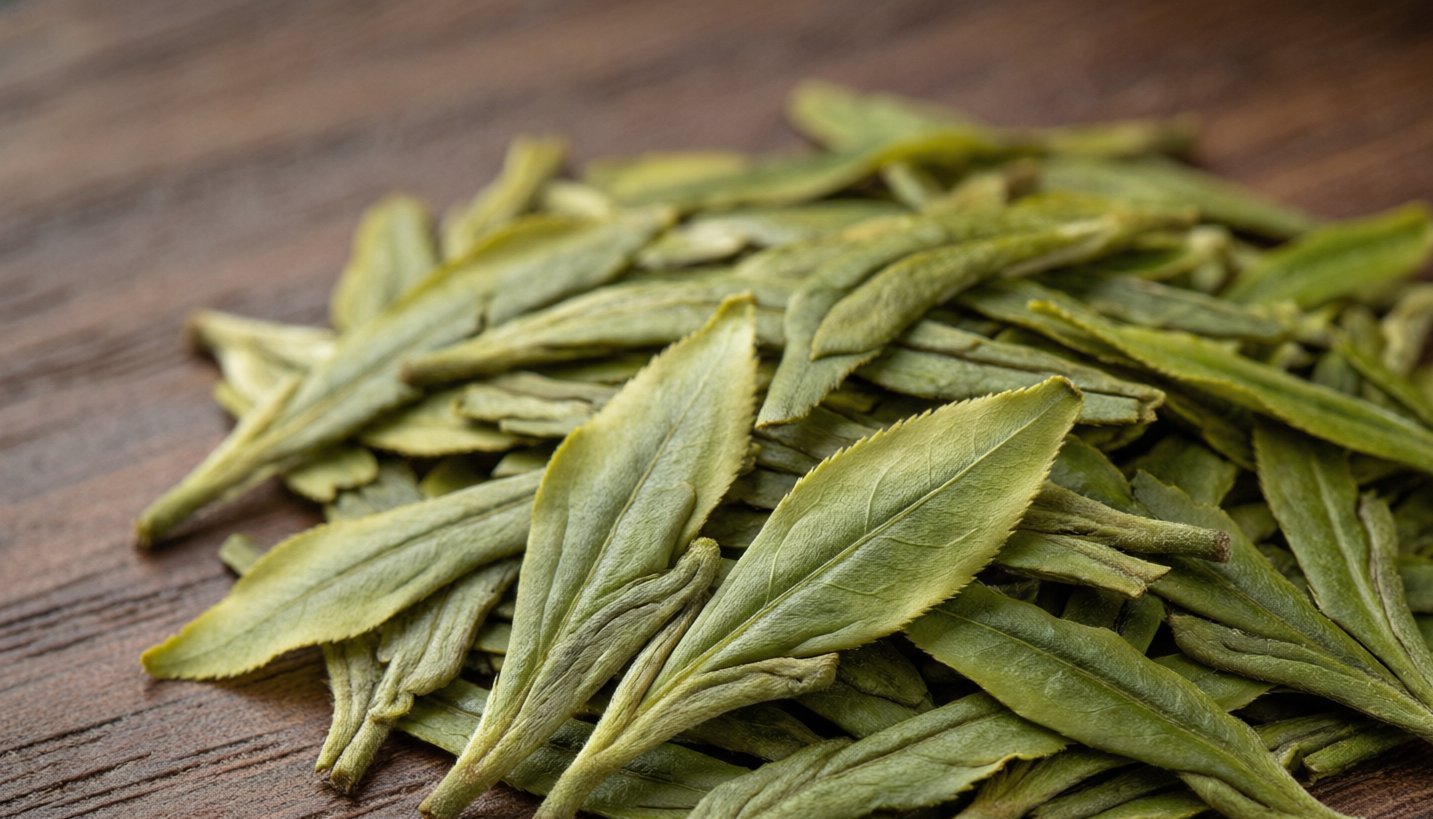
Mistake 1: Using a Clear Glass or Plastic Jar
Light is a storage failure in slow motion. Chlorophyll degrades under visible and ultraviolet light, turning vibrant green leaves yellow-brown and flattening the aroma into dry hay. A clear jar on a counter looks appealing, but it works against the tea every hour the room is lit.
Use an opaque, food-grade tin, ceramic jar with a tight double lid, or a foil-lined pouch kept inside a closed cabinet. Enshi Yulu should not be stored in a container you can see through.
Mistake 2: Keeping It in a Warm Spot
Heat accelerates the oxidation and aroma loss that storage is meant to slow. A jar near a stove, kettle, window, or under cabinet lighting turns a short-term supply stale faster than almost any other mistake. Tea stored above typical room temperature loses freshness in a predictable, measurable way, which is why green tea standards emphasize cool, dry handling [1].
For a daily supply, aim for a stable spot below 20°C (68°F). For longer-held reserve stock, lower temperatures help, but only when paired with the right sealing method in Mistake 3.
Mistake 3: Refrigerating, Then Opening the Same Bag Every Day
Refrigeration can extend green tea freshness, but it fails when the container moves in and out of the cold repeatedly. Each time a chilled package meets warm kitchen air, moisture condenses on the leaves. That moisture triggers softening, clumping, and rapid flavor loss.
The workable pattern is separation. Refrigerate only unopened, long-term reserve packages. When you remove one, let it warm to room temperature for 20–30 minutes before opening. Once opened, keep that portion at room temperature in a small daily-use container rather than returning it to the fridge.
Mistake 4: Forgetting That Dry Tea Is an Odor Sponge
Green tea picks up surrounding odors quickly. Spices, coffee, onions, cleaning products, and even the cardboard note of an old box can transfer into the leaves and read as a musty off-note in the cup. Post-harvest storage guidance for tea repeatedly pairs moisture control with odor isolation because both failures happen at the same time [2].
Keep Enshi Yulu in an odor-neutral container with a reliable seal, and store it away from strong-smelling foods or chemicals. A good tin is not decorative; it is a barrier.
A Quick Wholesale Storage Check
If you import or repack Enshi Yulu, apply the same test to every lot before dispatch: is the packaging opaque, sealed against moisture vapor, and free of any printing or glue smell that could transfer? A sample that tastes clean on arrival but woody or musty six weeks later usually points back to package-level exposure, not the leaf. For storage-ready Enshi Yulu batches or packaging review for your market, email us at xuansc2144@gmail.com with your quantity and destination.
Mistake 5: Buying Too Much for One Open Container
A large jar looks efficient, but every opening exchanges the air inside. The more headspace in the container, the more oxygen and humidity enter the cycle. For a delicate steamed green, a half-empty tin oxidizes far faster than the same tea divided into small, full packages.
Split your purchase into two tracks: a small daily tin holding one to two weeks of tea, and sealed reserve packs that stay closed until needed. This extends the useful life of the whole lot without special equipment.
Mistake 6: Ignoring Moisture and Oxygen
Green tea quality depends on keeping residual moisture low and limiting oxygen exposure. Chinese green tea standards specify moisture limits precisely because a small increase changes how the leaf ages [1][3]. Once moisture rises, aroma compounds degrade and the tea can take on a flat, old-paper character.
For retail and wholesale storage, use resealable foil-laminated bags with the air pressed out, or tins with a tight inner lid. For long-term reserve stock, oxygen absorbers and desiccant packs can help, but they must be food-safe and kept separate from direct leaf contact. Do not store Enshi Yulu in open baskets, loose cellophane bags, or cracked tins.
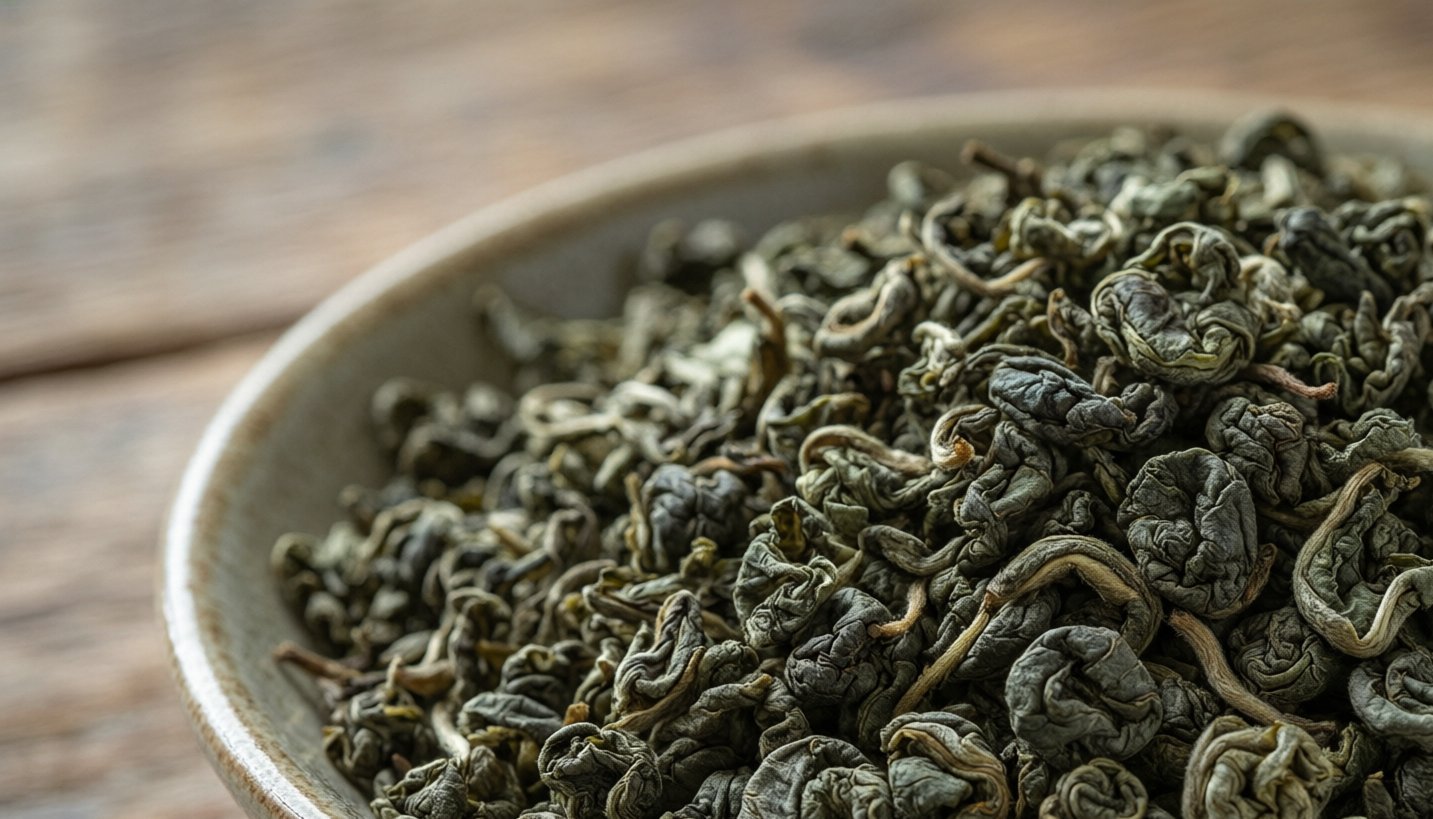
Mistake 7: Mixing Daily Tea and Long-Term Reserve
The most common failure is not one bad container; it is using the same package for both daily access and long-term storage. The daily ritual of opening, scooping, and closing slowly degrades the entire amount, even if the container is otherwise good.
Set up two clearly marked packages. The daily supply can be a small opaque tin refilled from the reserve. The reserve stays sealed, cool, and dark until the daily tin is nearly empty. This one habit protects the aroma of the final 20% of a bag as effectively as the first.
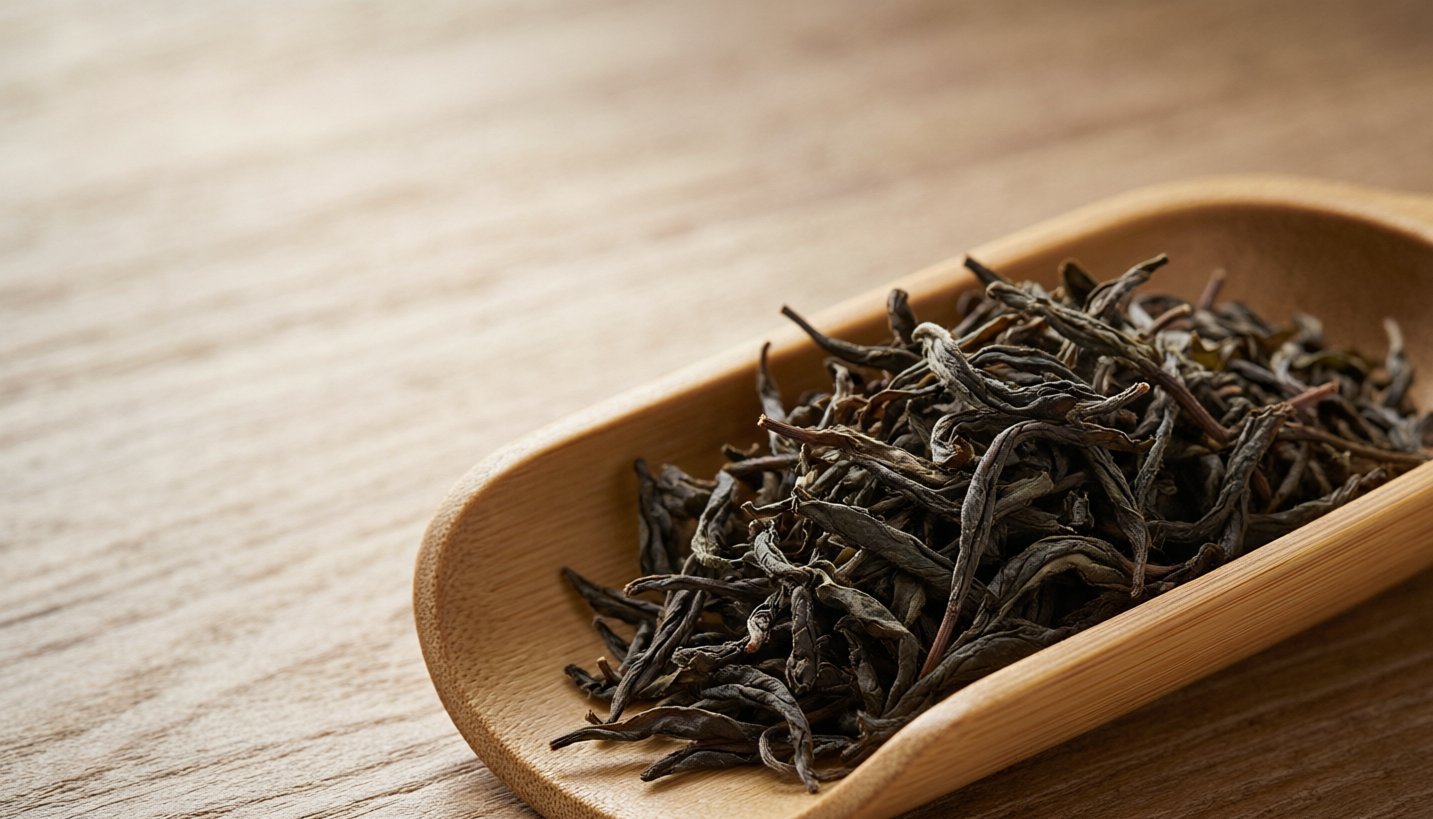
A Simple Storage Setup That Works
For most homes and small shops, the following setup preserves Enshi Yulu well without specialized climate control:
- Daily tin: opaque, food-grade, with an inner lid or snug seal.
- Reserve packs: foil-laminated resealable bags, air pressed out, stored in a cool dark cabinet.
- Temperature: daily supply below 20°C; unopened reserve can be refrigerated.
- Humidity: low and stable; never open a package while it is still cold from the refrigerator.
- Light: zero exposure; store all packages in a closed cabinet, box, or opaque container.

When the leaves keep a uniform deep green color, smell sweet and marine-vegetal with a light chestnut note, and produce a pale jade liquor, the storage is working. When the dry leaf smells flat, gray, or papery, the mistakes above have already begun to take their toll.
Need Storage-Ready Enshi Yulu? We Can Help
As Chinese tea suppliers, we help importers, retailers, and tea shops source Enshi Yulu that arrives fresh and stays that way through the supply chain. If you are planning a green tea order or need packaging and shelf-life guidance, contact us with your requirements.
To get a quote or discuss a sample, email xuansc2144@gmail.com and include:
- Your target quantity or annual volume
- Destination market
- Preferred packaging format
- Shelf-life or storage requirements
- Whether you need Enshi Yulu only or a broader green tea range
Frequently Asked Questions
How long does Enshi Yulu stay fresh?
With correct storage, a sealed reserve pack can keep acceptable flavor for about 12–18 months, but the brightest aroma and sweetest liquor are best within the first 6–12 months after production. Once a daily package is opened, try to finish it within 4–8 weeks for the best cup.
Should I refrigerate or freeze Enshi Yulu?
Refrigeration is useful for sealed, unopened long-term packages, not for a jar you open every day. Freezing is rarely necessary for green tea and adds condensation risk if handled incorrectly. If you freeze, use moisture-proof packaging and let the sealed package reach room temperature before opening.
Can I use the original package for long-term storage?
Only if it is foil-laminated, opaque, and resealable. Paper boxes, clear plastic, and thin cellophane are not suitable for long-term storage. Transfer the tea to an airtight opaque container or heat-sealed foil pouch if the original package does not protect it.
What does spoiled Enshi Yulu taste like?
It usually loses its sweet, brothy freshness first, becoming flat and dry. More advanced spoilage adds hay-like, papery, sour, or musty notes, and the liquor may darken from pale jade to amber. Spoiled tea may not make you sick, but it no longer represents the real flavor of Enshi Yulu.
Is amber liquor always a sign of bad storage?
Not necessarily. Liquor color can vary with harvest, brewing temperature, and steeping time. But for young Enshi Yulu, a clear amber or brown color combined with a flat or hay-like aroma is a strong signal of oxidation or heat exposure rather than normal aging.
References
[1] National Standard of the People's Republic of China. GB/T 14456.1-2017, Green Tea — Part 1: Basic Requirements. Beijing: Standards Press of China.
[2] Food and Agriculture Organization of the United Nations. Post-Harvest Handling and Storage of Green Tea: Recommendations for Smallholders and Processors. Rome: FAO Technical Guidance Series.
[3] Tea Research Association, Tocklai Tea Research Institute. Storage and Packaging of Tea: Recommended Practices for Quality Retention. Jorhat, Assam: Tocklai Advisory Publication.
[4] Chen, Q., Wang, Y., and Lin, Z. "Degradation of Aroma-Active Components in Steamed Green Tea under Different Storage Conditions." Journal of Food Processing and Preservation, vol. 43, no. 8, 2019, pp. 1–9.
No author description available.

白玉京