How to Brew Zhenghe Gongfu Tea the Professional Way
Zhenghe Gongfu is a full-leaf Fujian black tea with a soft, sweet body and a bright amber-to-red liquor. It is built for the gongfu method: a small brewing vessel, a high leaf-to-water ratio, and short, repeated infusions. The goal is not one large cup. The goal is six or more distinct little cups, each slightly different as the leaf opens.
What Zhenghe Gongfu Tea Is — and Why Brewing Differs
Zhenghe Gongfu comes from Zhenghe County in northern Fujian. It is one of the three traditional Fujian Gongfu black teas, alongside Tanyang Gongfu and Bailin Gongfu. The name "Gongfu" refers to skill and careful work, not to the brewing style alone.
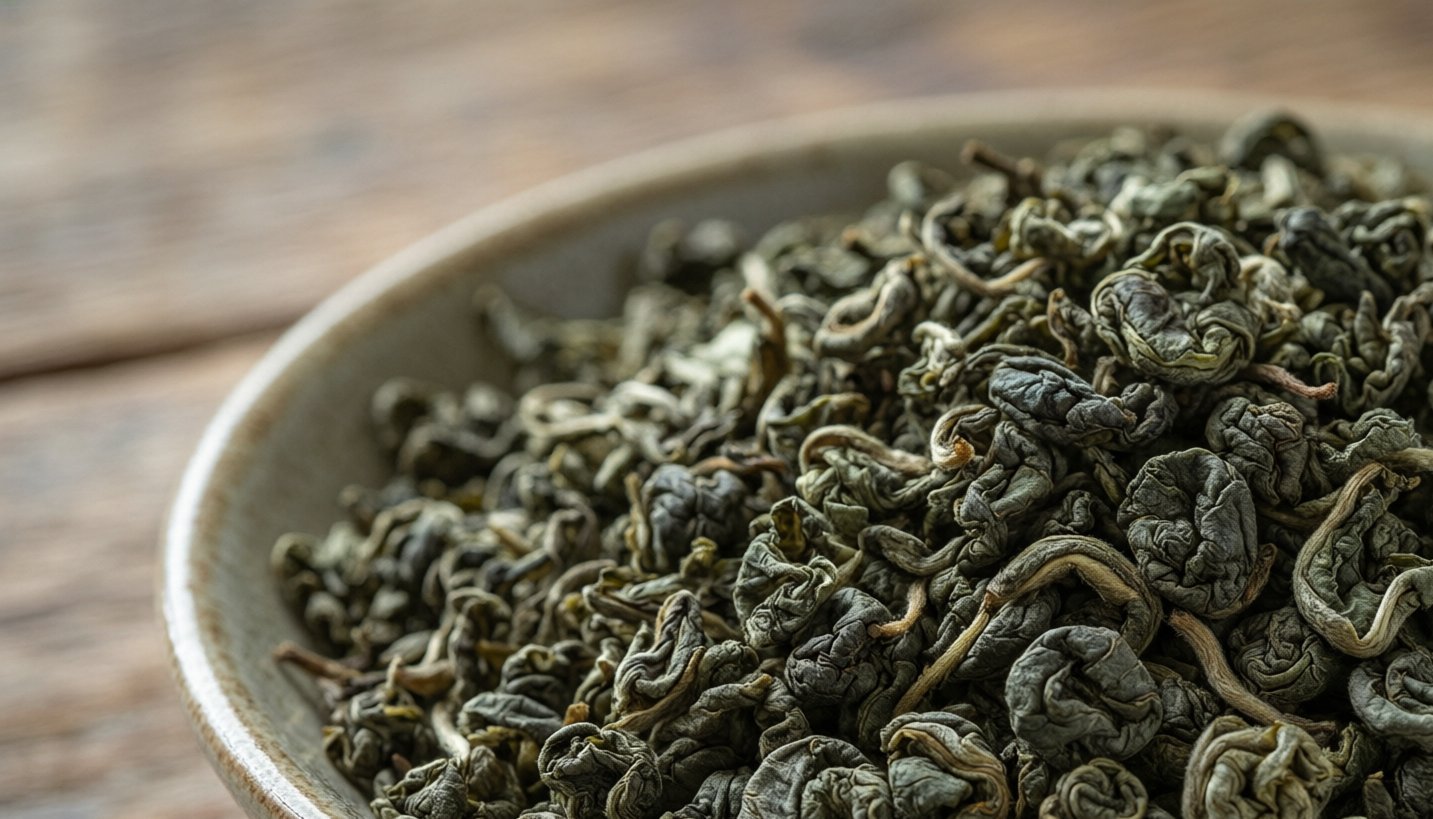
A common point of confusion is that Zhenghe County also produces well-known white teas. Zhenghe Gongfu, however, is a black tea. It is often made from the Zhenghe Dabai cultivar and local Fujian varieties, giving the dry leaf a long, tightly twisted shape and a distinctive honeyed, slightly malty character.
Because the leaves are whole and tightly rolled, they release flavor gradually. That is why gongfu brewing uses much more leaf than Western-style brewing, but much shorter contact times. You are not extracting everything in one steep. You are unfolding the leaf layer by layer.
The Three Numbers That Matter Most
There are three variables to control before anything else: leaf ratio, water temperature, and steep time.
For a gaiwan or small teapot, use about 5 grams of leaf per 100 milliliters of water. That is roughly a 1:20 ratio. If your gaiwan is 120 milliliters, use 6 grams. If it is 150 milliliters, use about 7.5 grams. This may look like too much leaf, but it is correct for the short infusion times.
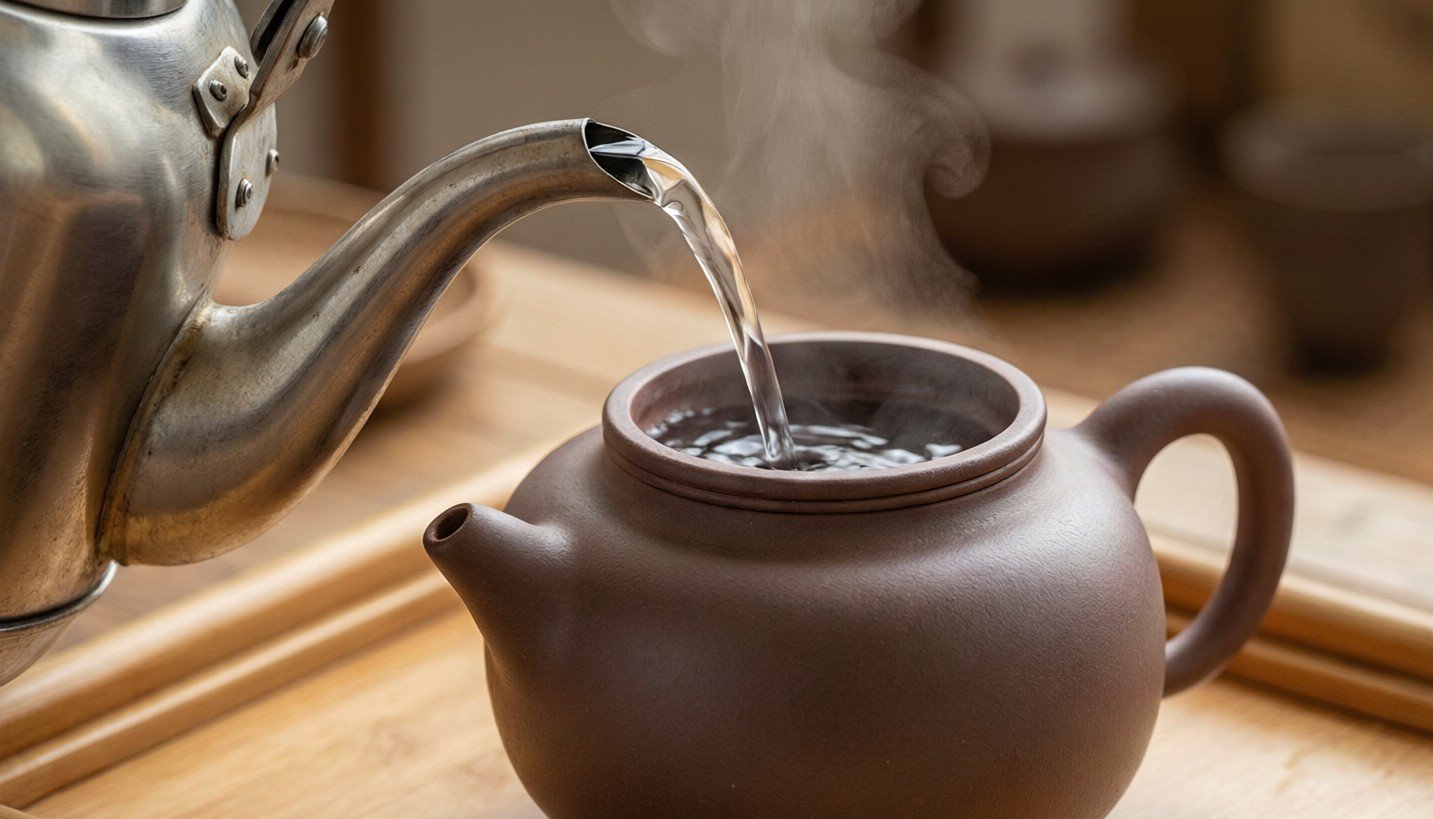
Water temperature should generally sit between 90°C and 95°C (194°F to 203°F). If you have a delicate, high-tip grade, 90°C will protect the sweetness. If your leaf is larger and more rugged, 95°C will open it faster. A full rolling boil at 100°C can flatten the top notes and push the malt into bitterness.
For comparison, the ISO 3103 sensory cupping method calls for about 2 grams per 100 milliliters and a six-minute steep in freshly boiling water [1]. That standard is designed for consistent laboratory tasting, not for enjoyable drinking. Gongfu brewing deliberately inverts the approach: more leaf, cooler water, and very short steeps.
Step-by-Step Gongfu Brewing Method
Start with soft water if you can. Filtered water or low-mineral spring water preserves the tea's sweetness. Hard water can make the liquor taste flat and slightly chalky.
Preheat the gaiwan or teapot. Pour hot water in, let it sit for a few seconds, then pour it out. This keeps the vessel from cooling the first steep too quickly.
Add the dry leaf, then smell the warm leaf before adding water. The heat releases an immediate impression of cocoa, honey, or dried fruit, depending on the batch.
A quick rinse is optional. For tightly rolled leaves, a one- to two-second rinse with the same temperature water wakes the leaf and removes surface dust. Pour the rinse water away. Some drinkers skip the rinse for high-grade black tea to keep every bit of aroma.
For the first infusion, pour water in a steady circle over the leaves and close the lid. Steep for about 5 to 10 seconds, then pour out completely. Do not leave the leaf sitting in water between infusions. A complete pour prevents the next cup from becoming bitter.
If you are evaluating several Zhenghe Gongfu lots to build a consistent brewing guide for customers or staff, start with two grades side by side at the same ratio and temperature. A one-variable comparison will show the difference in sweetness and astringency faster than tasting them on different days. For bulk sample support and lot-level parameters, contact Chinese tea suppliers at xuansc2144@gmail.com.
Timing the Steeps and Reading the Cup
Zhenghe Gongfu changes quickly across infusions. A practical schedule is to start at 5 seconds, then move to 10, 15, 20, and 30 seconds. After the fifth infusion, add roughly 10 to 15 seconds each round. You can also adjust by taste rather than by clock: if the previous cup was weak, add a few seconds; if it was sharp, pull back.
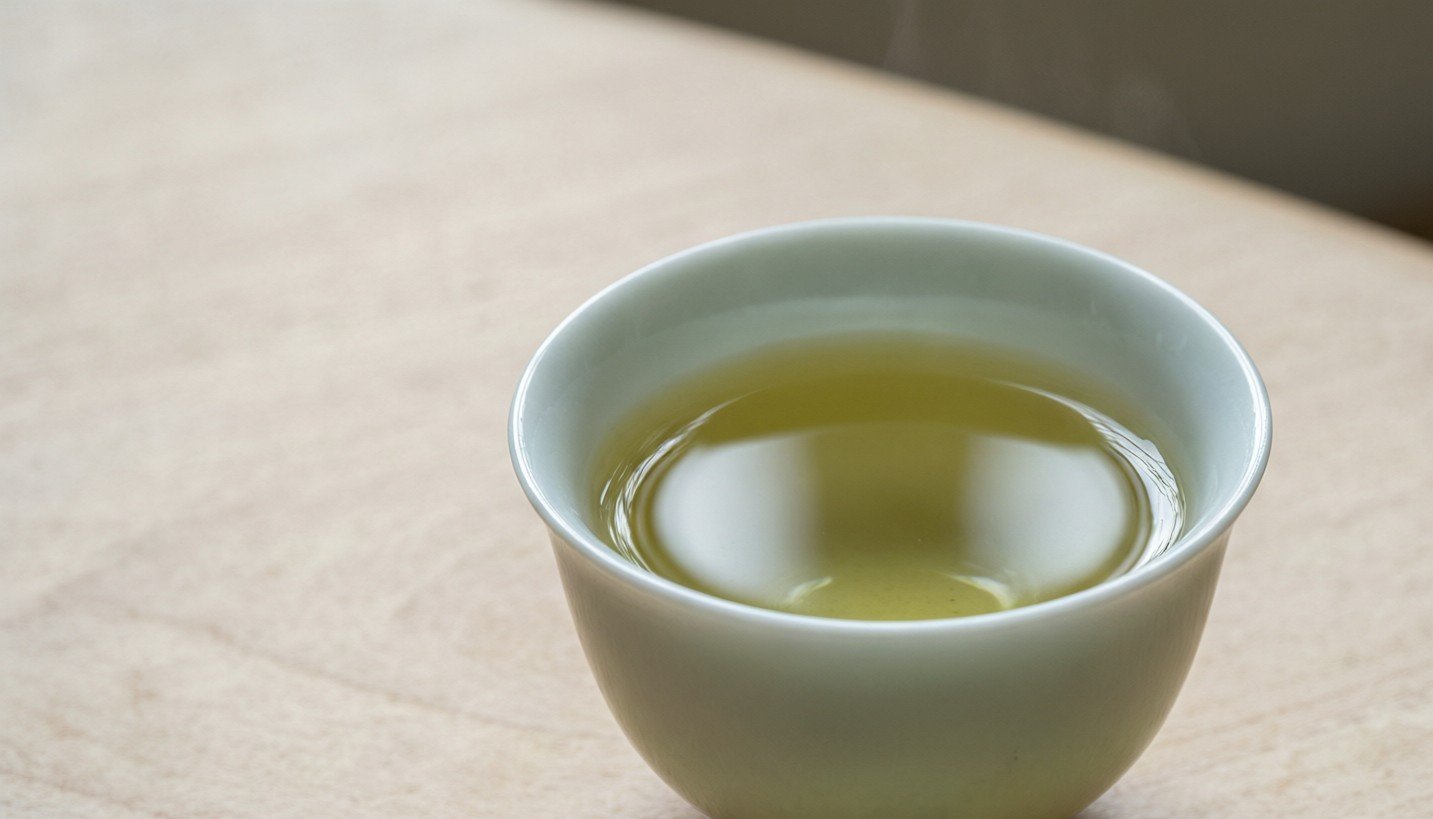
The liquor should move from golden amber in early infusions to a deeper red-orange in the middle, then soften again as the leaf is spent. The best cups are often the second to fourth, when the rolled leaf has fully opened and the sweetness is most balanced.
Adjusting the Method for Your Equipment
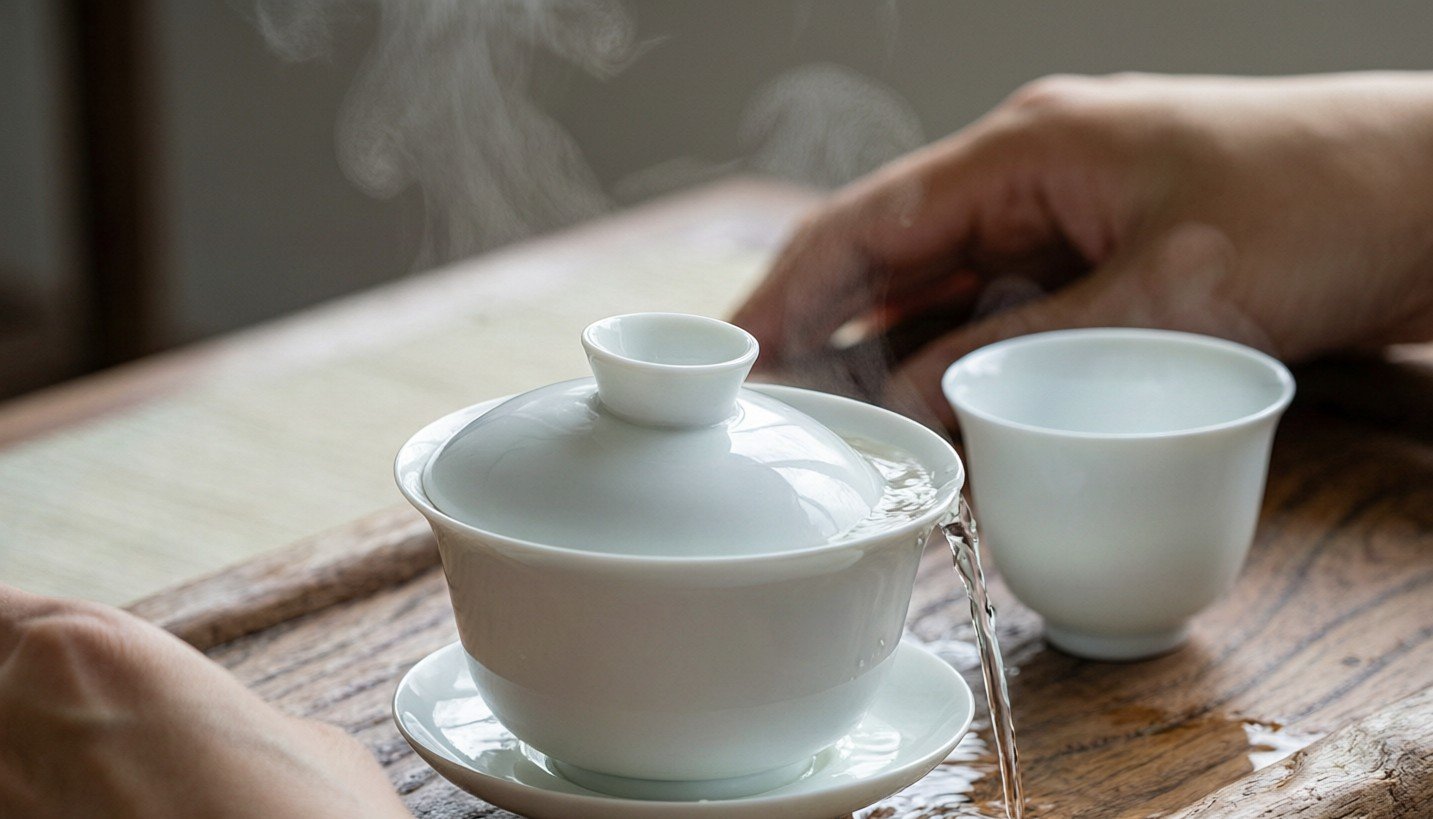
A porcelain gaiwan is the easiest starting point. It is neutral, easy to pour quickly, and shows the color of the liquor. Use a gaiwan of about 100 to 120 milliliters for one person.
A small Yixing or other clay teapot works well once you have tested the tea. Clay can round off a little astringency and hold heat well. Keep one pot dedicated to black tea if you use unglazed clay, because the porous surface absorbs oils and aroma over time.
For a larger western teapot, lower the ratio to around 3 grams per 250 milliliters and steep for 2 to 3 minutes. You will get fewer infusions, but the tea will still be balanced if the water is not fully boiling.
Common Mistakes That Flatten the Cup
Using boiling water is the most common error. It pushes the tea toward a sharp, tannic finish and hides the honeyed character.
Leaving water in the vessel between steeps is another frequent problem. The leaf keeps extracting, making the next pour bitter. Always decant fully.
Over-steeping the first infusion too often turns the session bitter before the leaf has even opened. The first steep should be short, especially for tightly twisted Zhenghe Gongfu.
Finally, do not judge the tea after one cup. The first infusion is only an introduction. A full Gongfu session is how the tea reveals its structure.
Source Zhenghe Gongfu Tea in Bulk
For importers, retailers, and tea program buyers, batch consistency matters as much as brewing parameters. When sourcing Zhenghe Gongfu, request the harvest period, grade, and the cultivar mix before you compare samples. Ask for a small trial lot first, then cup it against the same ratio and temperature you will use in your own serving guide.
For wholesale inquiries, bulk pricing, and direct sourcing support, contact Chinese tea suppliers at xuansc2144@gmail.com. Provide your target volume, packaging preference, and whether you need loose leaf or private-label options, and we will respond with pricing and available lots.
FAQ
Should I rinse Zhenghe Gongfu tea leaves before brewing?
A one- to two-second rinse is fine and helps tightly rolled leaves begin to open. It is optional rather than required. If you rinse, discard the rinse water immediately.
What is the ideal water temperature?
A range of 90°C to 95°C is practical. Use the lower end for delicate grades and the higher end for larger, more robust leaves.
Can I brew Zhenghe Gongfu tea in a regular mug?
Yes. Use about 3 grams per 250 milliliters of water at 90°C to 95°C and steep for 2 to 3 minutes. You will not get as many infusions as with a gaiwan, but the tea will still be balanced.
How many infusions can I get?
A good Zhenghe Gongfu tea commonly gives six to eight infusions in gongfu style. The number depends on leaf quality, ratio, and how quickly you adjust the later steeps.
References
[1] ISO 3103:1980, Tea — Preparation of liquor for use in sensory tests, International Organization for Standardization.
No author description available.

白玉京