Dayi Tuocha Health Benefits: Evidence, Risks, and Brewing
Dayi Tuocha is one of the most recognizable ripe pu-erh products in the world. The question is what its regular consumption can realistically do for health—and what remains marketing inference. The evidence points to a fermented tea with antioxidant polyphenols, modest caffeine, and a complex post-fermentation chemistry that differs from green, white, or black tea. The key is to read the research at the right scale: tea, not medicine.
What Dayi Tuocha Actually Is
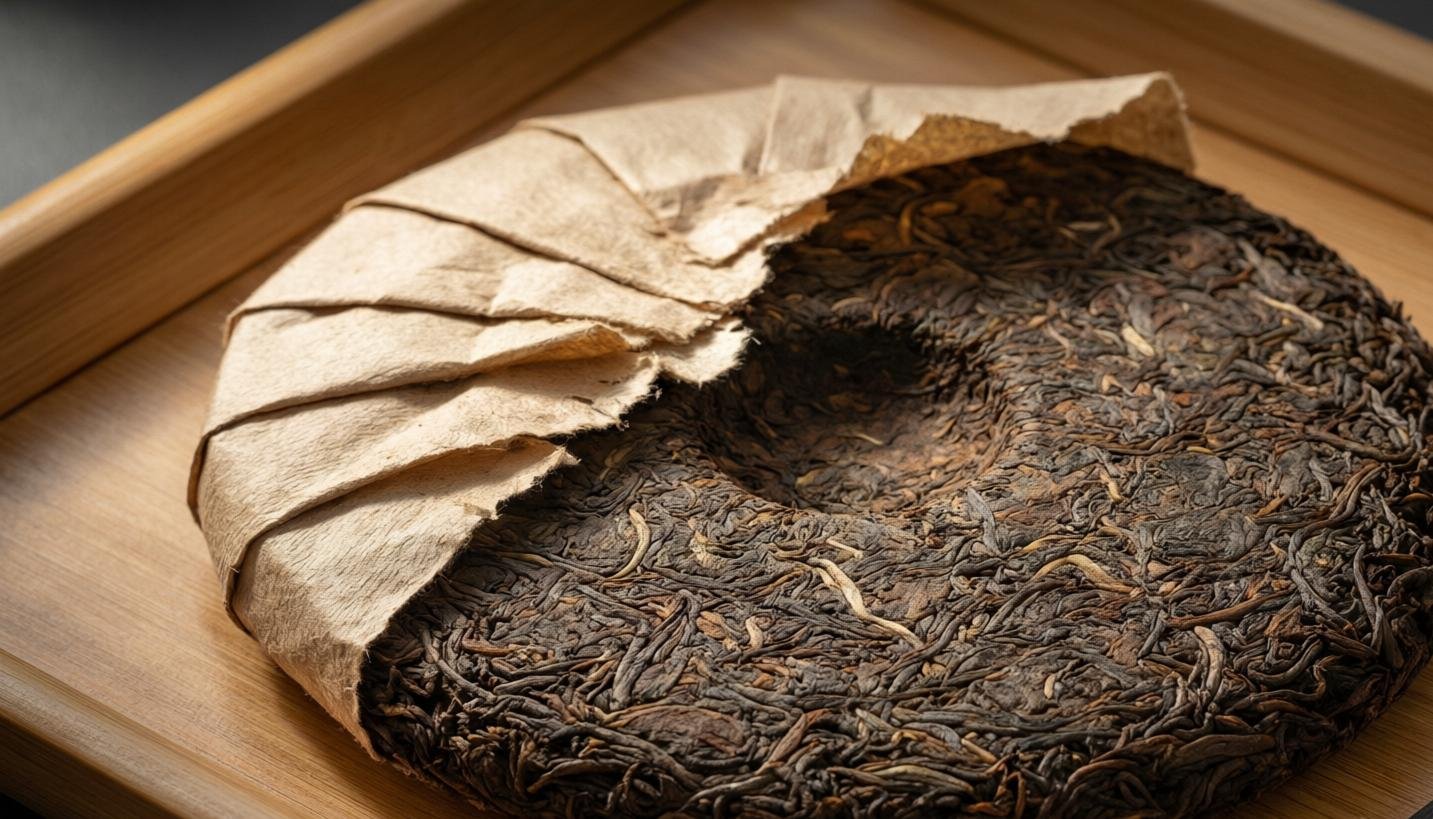
Dayi Tuocha is a compressed ripe pu-erh tea produced by Menghai Tea Factory under the Dayi brand. “Tuocha” refers to the bowl-shaped or bird’s-nest compression, not to a distinct leaf grade or health function. Ripe pu-erh, known as shou pu-erh, undergoes accelerated pile fermentation before pressing. This step changes the tea’s microbial profile, color, and much of its polyphenol chemistry [7].
The distinction matters because most pu-erh health studies examine ripe pu-erh as a category. No peer-reviewed human trial has isolated a specific Dayi-branded Tuocha as a unique intervention. What can be said about Dayi Tuocha follows from what is known about ripe pu-erh tea produced to the same general process standard [7].
What Is Actually in the Cup
A brewed cup of Dayi Tuocha contains water, caffeine, L-theanine, and a mix of tea polyphenols. Green tea is dominated by catechins. Ripe pu-erh, by contrast, contains lower levels of native catechins and higher levels of transformed compounds such as theabrownins, gallic acid, and microbial metabolites [3], [4].
These compounds give ripe pu-erh its dark color, mellow taste, and slightly earthy finish. They also explain why pu-erh cannot be treated as interchangeable with green tea in health claims. The biological activity of a processed tea depends on how fermentation changes the starting leaf chemistry [3].
What the Research Says, and Where It Stops
The strongest human evidence for tea generally supports modest, long-term patterns rather than fast physiological change. Observational and intervention research associates regular tea intake with cardiovascular risk reduction, improved glucose regulation, and small effects on body weight maintenance [1], [2]. These findings are broad and apply to tea drinkers as a group.
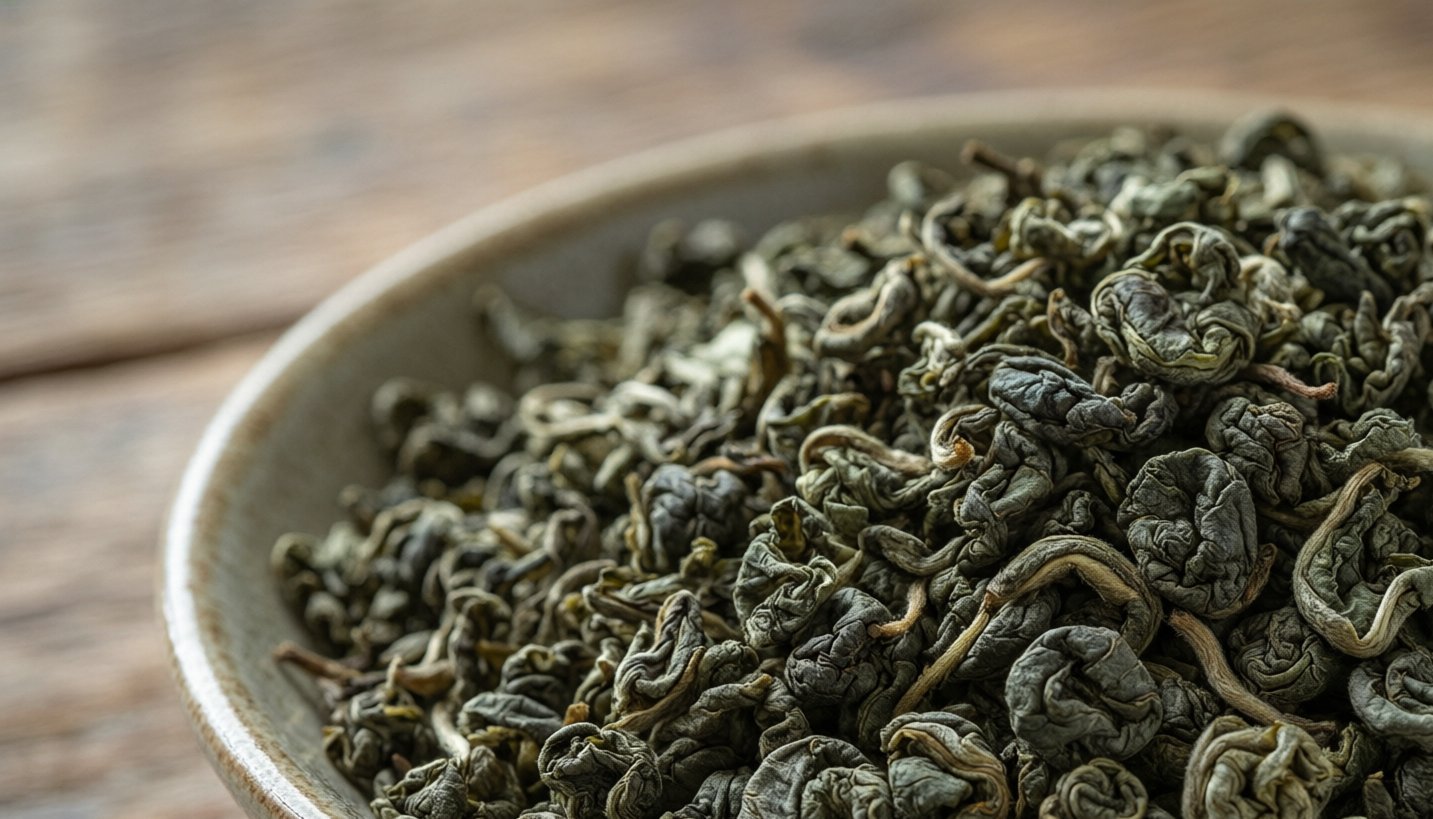
For ripe pu-erh specifically, most direct evidence comes from laboratory and animal studies. A rat study comparing green, oolong, black, and pu-erh leaves found that pu-erh produced meaningful reductions in serum triglycerides and body-weight gain under a high-fat diet [8]. Other work links pu-erh extracts to changes in gut microbiota, reduced hepatic fat accumulation, and improved lipid metabolism in mice and hamsters [3]. These are useful mechanistic signals, but they are not clinical proof in humans.
Human trials using pu-erh tea are limited in number, short in duration, and often small. Some report improved postprandial lipid response or modest body-composition effects; others show no clinically significant change. The doses used in many studies—concentrated extracts or several grams of leaves per day—are higher than a casual cup. Readers should treat pu-erh health claims as provisional, not prescriptive [2], [3].
Dayi Tuocha Compared with Other Teas
Ripe pu-erh is not simply “aged green tea.” Fermentation lowers the grassy, astringent catechin load and increases theabrownins, which appear to contribute to pu-erh’s lipid-lowering activity in animal models [3], [8]. Black tea also undergoes oxidation, but its dominant compounds are theaflavins and thearubigins; pu-erh’s pathway is microbial and enzymatic, producing a different profile [3].
Caffeine content sits in a moderate range. A normal steeping of compressed ripe pu-erh typically delivers caffeine comparable to black tea, though the exact amount depends on leaf-to-water ratio, water temperature, and steep count. If caffeine is a concern, more leaf and longer steeps will raise the dose more than the tea’s category alone [5], [6].
Risks, Caffeine, and Who Should Take Care
For most healthy adults, moderate tea consumption is safe. EFSA guidance treats up to 200 mg of caffeine per single occasion and up to 400 mg per day as a safe range for adults [5]. Dayi Tuocha is unlikely to approach those limits with normal brewing, but repeated long gongfu sessions can accumulate caffeine.
Pregnant women should stay below 200 mg of caffeine per day, and people with iron-deficiency anemia may benefit from drinking tea between meals rather than with iron-rich food [5], [6]. Anyone taking medication should not use concentrated tea extracts or very high intake as a substitute for professional advice. Tea consumption affects drug absorption in some cases, and high-dose polyphenol extracts can interact with certain medications [2], [3].
Storage and authenticity also matter for safety. Ripe pu-erh is a fermented product. Poorly stored or improperly processed teas can develop off-flavors, excess moisture, or contamination. Buying sealed, lot-coded Dayi Tuocha from reliable suppliers is a practical risk-reduction step, not a health guarantee [7].
How to Brew Dayi Tuocha for a Clean Cup
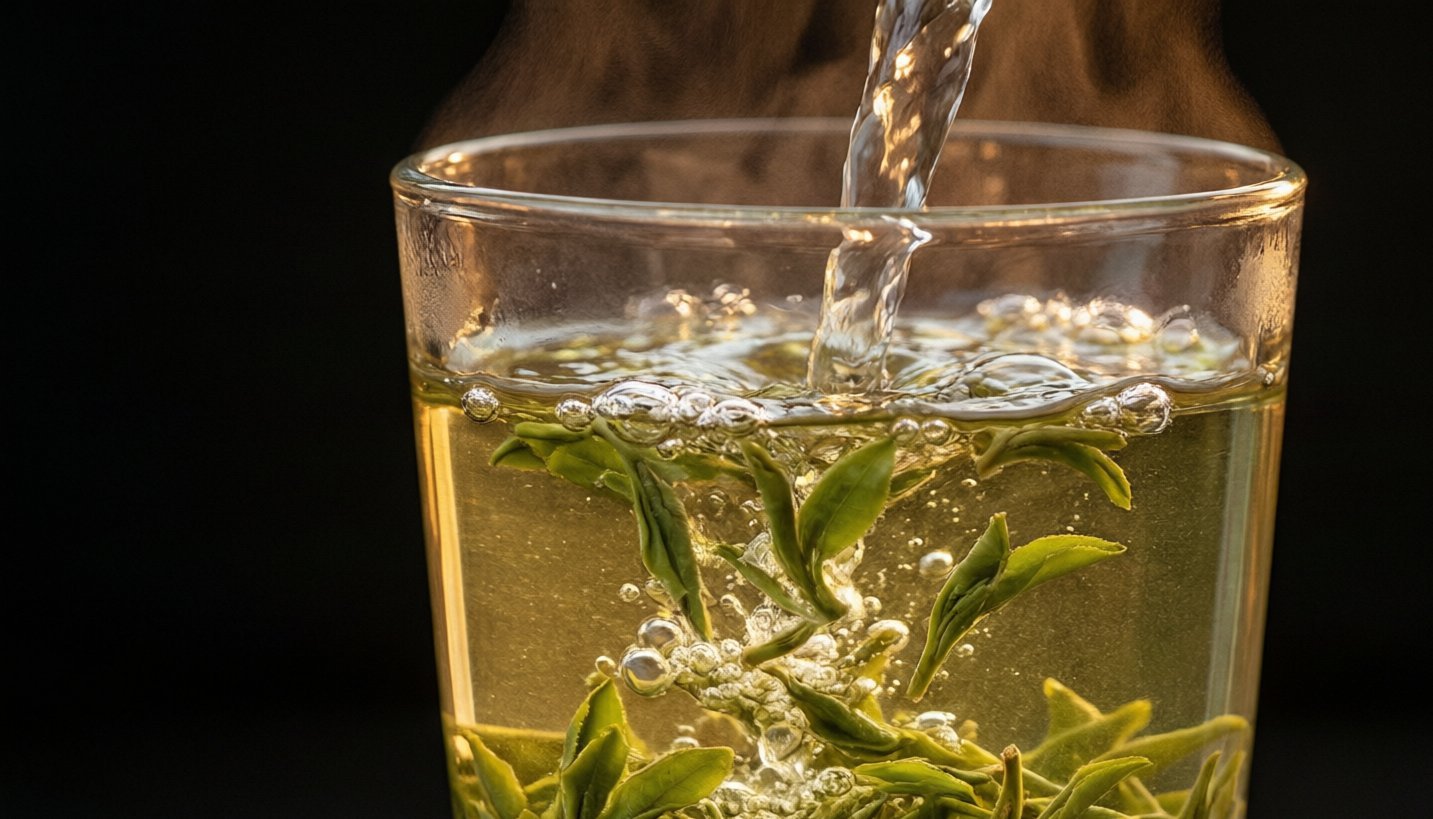
Brewing method changes both enjoyment and the compounds extracted. A standard gongfu approach works well:
- Use 5–7 g of tea per 100–120 ml of water.
- Rinse once with boiling water for 5–10 seconds, then discard the rinse.
- Steep for 10–20 seconds at 95–100°C, increasing time with later infusions.
- Stop the session when the liquor turns thin or harsh.
Shorter steeps reduce bitterness and allow the same leaves to be reused many times. If you are watching caffeine intake, a shorter rinse and fewer infusions matter more than choosing a different tea. Store the tuo in a sealed, odor-free container away from heat and humidity [7].
Sourcing Checkpoint
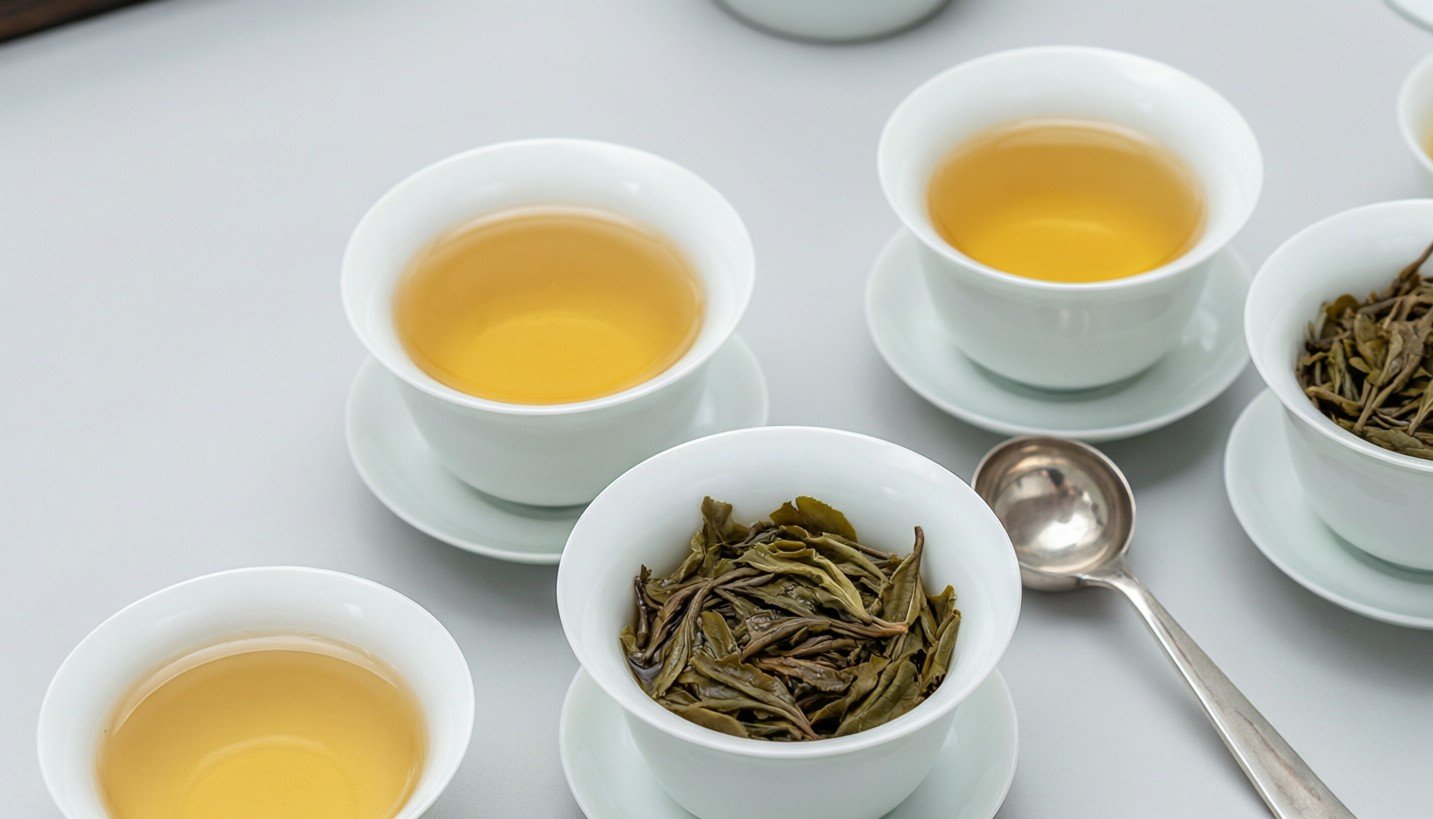
If you are evaluating Dayi Tuocha for retail or wholesale, request the batch number, production date, and storage record alongside the sample. A clean, legible outer wrapper and consistent compression are useful first checks, but they do not replace a cupping and a third-party test report. Contact xuansc2144@gmail.com for sample guidance and current factory-backed options.
Source Dayi Tuocha for Your Market
We work with Chinese tea suppliers to match Dayi-style ripe pu-erh Tuocha to your target market, format, and compliance requirements. Send your intended volume, destination market, and packing preference to xuansc2144@gmail.com and we will respond with batch-specific sampling options.
Frequently Asked Questions
Is Dayi Tuocha a weight-loss tea?
It is primarily a fermented tea, not a weight-loss product. Some animal studies show that ripe pu-erh extracts can reduce body-weight gain under a high-fat diet, but the human evidence is too limited to support a therapeutic claim [3], [8].
Does Dayi Tuocha contain probiotics?
Brewed tea is not a reliable probiotic supplement. Fermentation involves microbes, but boiling water kills most live organisms. Any gut-related effects are more likely indirect, through polyphenols and microbial metabolites [3].
How much caffeine is in Dayi Tuocha?
The amount depends on leaf weight and steeping time, but a normal cup is generally in the black-tea range. If you are caffeine-sensitive, use fewer leaves, shorter infusions, and avoid late-day sessions [5], [6].
Is aged Dayi Tuocha healthier than young Tuocha?
Aging changes taste and chemical profile, but there is no strong clinical evidence that prolonged storage makes tea measurably healthier. Storage conditions affect quality and safety more than age alone [3], [7].
Can I drink Dayi Tuocha every day?
Most healthy adults can include it in a daily tea rotation. Monitor caffeine, stomach comfort, and any medication timing, and keep intake moderate rather than treating it as an extract [5], [2].
Is Dayi Tuocha safe during pregnancy?
Moderate tea intake can fit within the 200 mg daily caffeine guidance for pregnancy, but the safest approach is to confirm with a healthcare provider and monitor total caffeine from all sources [5].
References
[1] C. S. Yang and J.-K. Lin, “Mechanisms of cancer prevention by tea constituents,” J. Nutr., vol. 133, no. 10, pp. 3261S–3267S, 2003.
[2] N. Khan and H. Mukhtar, “Tea and health: studies in humans,” Curr. Pharm. Des., vol. 19, no. 34, pp. 6141–6147, 2013.
[3] L. Zhang, C.-T. Ho, J. Zhou, J. S. Santos, L. Armstrong, and D. Granato, “Chemistry and biological activities of processed Camellia sinensis teas: A comprehensive review,” Compr. Rev. Food Sci. Food Saf., vol. 18, no. 5, pp. 1474–1495, 2019.
[4] H. N. Graham, “Green tea composition, consumption, and polyphenol chemistry,” Prev. Med., vol. 21, no. 3, pp. 334–350, 1992.
[5] EFSA Panel on Dietetic Products, Nutrition and Allergies, “Scientific Opinion on the safety of caffeine,” EFSA J., vol. 13, no. 5, p. 4102, 2015.
[6] U.S. Food and Drug Administration, “Spilling the beans: How much caffeine is too much?” FDA, 2023. [Online]. Available: https://www.fda.gov/consumers/consumer-updates/spilling-beans-how-much-caffeine-too-much
[7] Standardization Administration of China, “Product of geographical indication—Pu’er tea,” GB/T 22111-2008, 2008.
[8] K.-L. Kuo, M.-S. Weng, C.-T. Chiang, Y.-J. Tsai, S.-Y. Lin-Shiau, and J.-K. Lin, “Comparative studies on the hypolipidemic and growth suppressive effects of oolong, black, pu-erh, and green tea leaves in rats,” J. Agric. Food Chem., vol. 53, no. 2, pp. 480–489, 2005.
No author description available.

白玉京