Mengku Pu-erh Pricing: What Wholesale Buyers Really Pay
Understanding Mengku Pu-erh pricing begins with geography, not marketing language. Mengku is a tea-producing town in Shuangjiang County, Lincang, Yunnan. For wholesale buyers, loose maocha from the broader Mengku area can sit near commodity pricing, while old-tree material from named villages such as Bingdao can reach hundreds or thousands of dollars per kilogram. That gap is not hype; it reflects limited output, tree age, harvest precision, and drying and storage conditions, but it also invites mislabeling and inflated claims.
Pu-erh from this region falls under the Chinese geographical indication standard GB/T 22111-2008, which defines Pu-erh tea as a Yunnan large-leaf sun-dried tea product with specific processing and origin conditions [1]. In international classification, Pu-erh is grouped with post-fermented tea types rather than green or black tea [2]. Those definitions matter commercially because they set the minimum technical boundaries a lot should meet before a buyer accepts a premium.
Where Mengku Sits in the Pu-erh Market
Mengku is not a single garden; it is a large producing town with multiple villages, elevations, and tea-tree populations. The region is associated with the Mengku broad-leaf cultivar, which is often described as having thick, lipid-rich leaves, strong durability in aging, and a recognizable bittersweet backbone. Within the broader Lincang production zone, Mengku material generally carries a firmer, more structured profile than many southwestern Yunnan blends, and that reputation supports a price floor above ordinary commodity maocha.
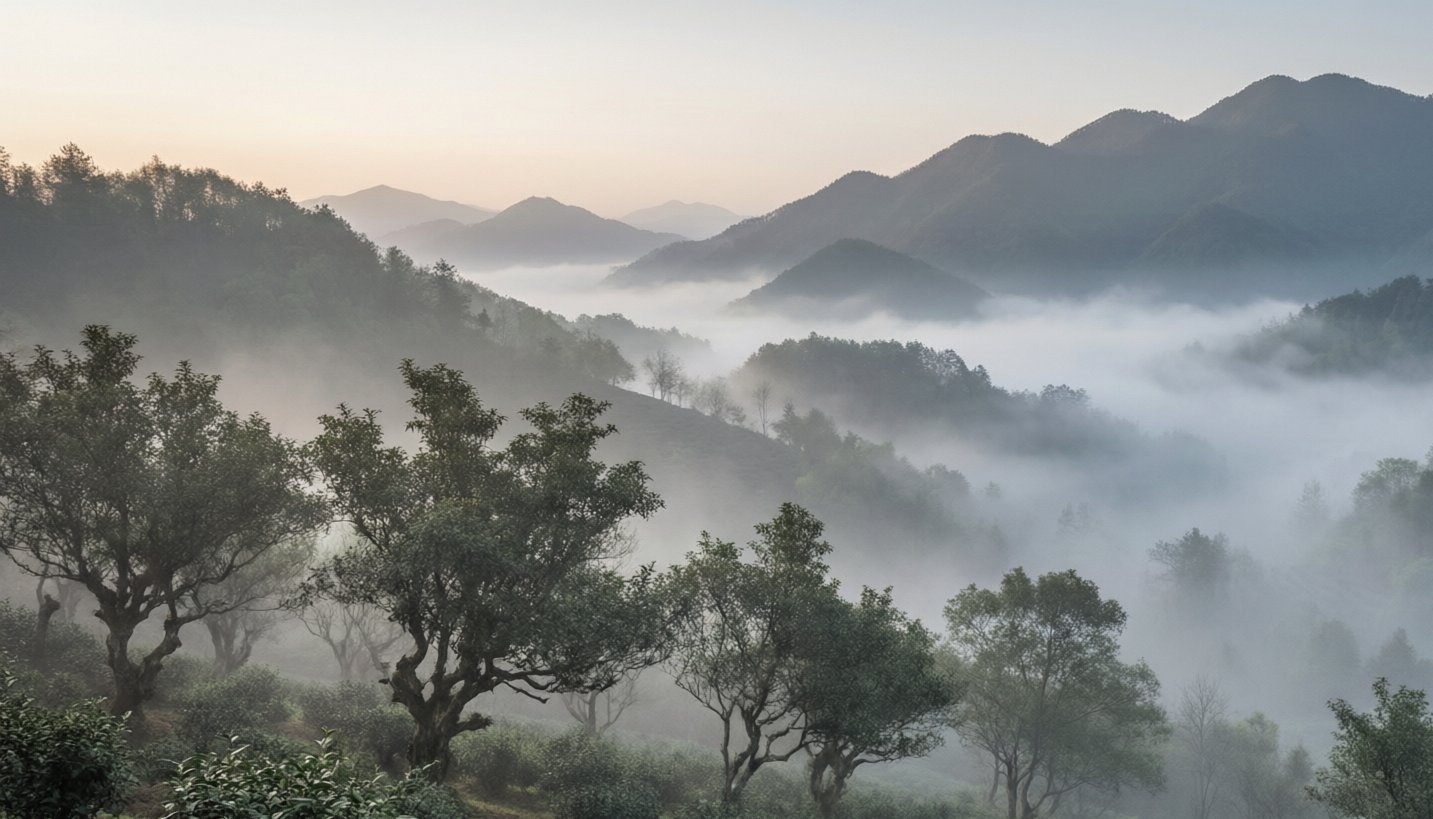
The most visible price driver is village specificity. Bingdao, located within Mengku, has become one of China's most heavily promoted Pu-erh origins. Single-origin Bingdao old-tree maocha can trade many times higher than blended Mengku plantation-grade material. Other Mengku villages, such as Dahu Sai, Xiaohu Sai, and Dongguo, also carry premiums, though usually below Bingdao. Buyers who only ask for "Mengku Pu-erh" without a village, tree-age, and harvest-year specification will receive a wide and often confusing spread of quotes.
The Price Chain: From Maocha to Finished Cake
Wholesale Pu-erh pricing is usually built from maocha, the loose, sun-dried leaf before compression. A finished cake price is essentially maocha cost plus processing loss, pressing, wrapping, inspection, storage, financing, and supplier margin. Even small changes at the maocha stage compound by the time the product reaches a 357-gram cake or a full tong of seven cakes.
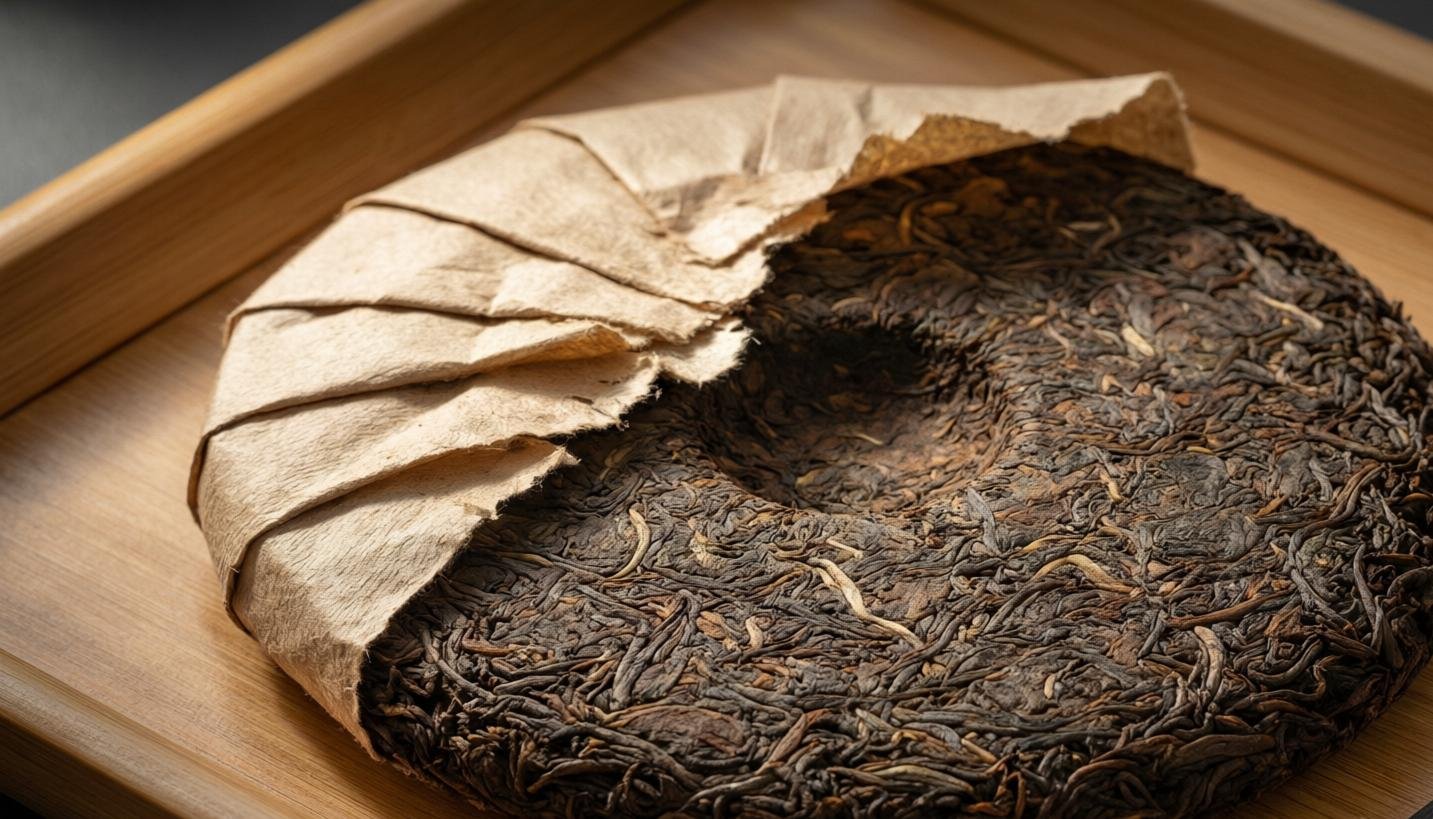
The cost chain typically follows this order:
- Fresh leaf price during spring or autumn harvest
- Withering, pan-firing, rolling, and sun-drying into maocha
- Sorting by grade, stem, broken leaf, and sometimes tree-age claim
- Blending or keeping single-origin lots separate
- Steam-pressing into cakes, bricks, or tuo
- Wrapping, batching, and warehouse time
- Export packaging, documentation, and freight
A buyer should ask for the maocha-to-cake conversion instead of accepting a single mystery number. If a supplier cannot explain whether a quote is loose or pressed, FOB or EXW, spring or autumn, 100 g or 357 g, the quote is not comparable to another.
Indicative Wholesale Price Bands
The table below is a market-reading aid, not a fixed offer. Prices shift with season, volume, moisture content, lot size, reputation, and the supplier's position in the chain. Use these bands to separate normal quotes from outliers, then verify the material.
| Buying tier | Typical material description | Common wholesale observation |
|---|---|---|
| Plantation blend | Tai di cha, machine-assisted picking, blended Mengku broad-leaf | Low single-digit to mid-teens USD per kg loose |
| Old plantation / arbor blend | Qiao mu material, often spring, blended or semi-single origin | Mid-teens to roughly USD 80 per kg |
| Regional old-tree | Gu shu from named Mengku villages outside Bingdao, small batch | USD 80 to 300 per kg, depending on village and grade |
| Famous old-tree micro-lot | Bingdao or equivalent top-tier, hand-picked, limited volume | USD 300 to over 1,000 per kg; exceptional lots higher |
Finished cakes add pressing, wrapping, and margin on top of these loose-leaf bands. A 357-gram cake should not be compared gram-for-gram with maocha pricing without accounting for conversion loss and packaging.
The Real Price Drivers
Several factors move Mengku prices far more than brand design or wrapper age alone.
First is tree age and plant population. Plantation tea comes from densely planted bushes that yield more leaf per hectare. Old-tree tea, sometimes called gu shu, comes from older, more scattered trees with lower per-tree output. Lower yield and more difficult picking raise cost, but tree age alone does not guarantee quality. Buyers should request leaf appearance, liquor depth, and durability rather than relying only on an "old tree" label.
Second is harvest season. Spring material, especially before the rainy season begins, is more expensive than autumn or summer leaf. Spring leaf tends to be denser, more aromatic, and slower to fade across infusions. A quote that does not name the harvest season is not precise enough for bulk purchasing.
Third is the processing finish. Sun-drying must be even; residual moisture must be low enough to avoid mold and high enough to allow slow aging. Pressing density, cake shape, and wrapper protection affect warehouse behavior. Under GB/T 23776-2018, tea sensory evaluation follows controlled grading, appearance, liquor color, aroma, taste, and infused leaf [3]. Professional buyers apply the same method to samples before negotiating price.
Fourth is storage history. Kunming natural storage, drier warehouse environments, and Guangdong-style storage produce different aroma and mouthfeel profiles within the same tea type. A young cake with clean dry storage may command a premium over a poorly stored older cake. Conversely, buyers who prefer aged character may pay more for controlled wetter storage, provided there is no off odor or mold.
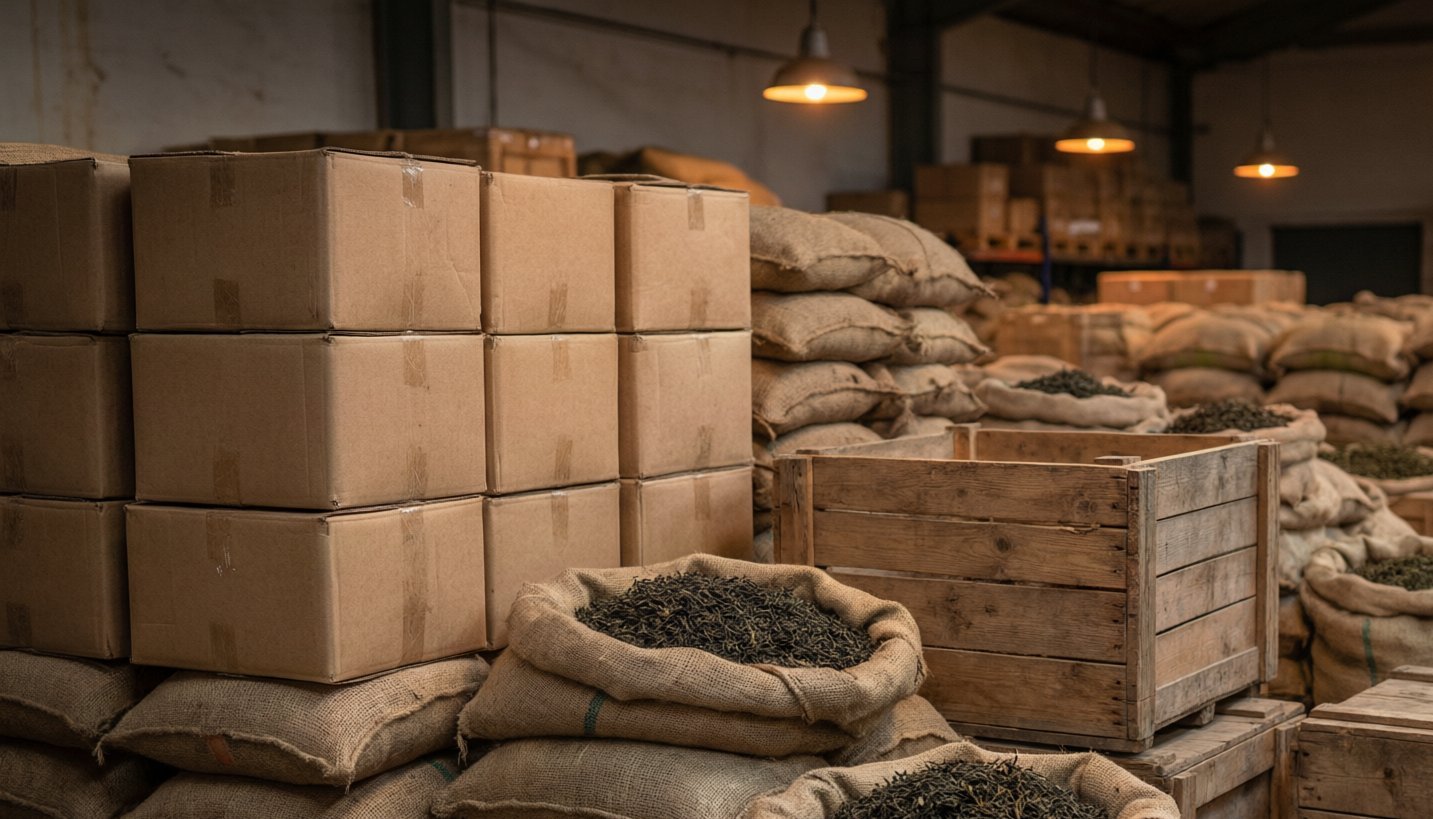
Fifth is authentication cost. Genuine Bingdao and top old-tree lots are small, so suppliers who invest in batch documentation, pesticide testing, and origin verification must recover those costs. A quote far below the market band often means the authentication work was not done, or the origin claim is loose.
Buying at Wholesale Without Overpaying
Request quotes in comparable units: USD per kg, FOB or EXW, spring or autumn, loose or pressed, and the exact cake size. A supplier that provides a full specification sheet is easier to audit than one that offers only a wrapper photo.
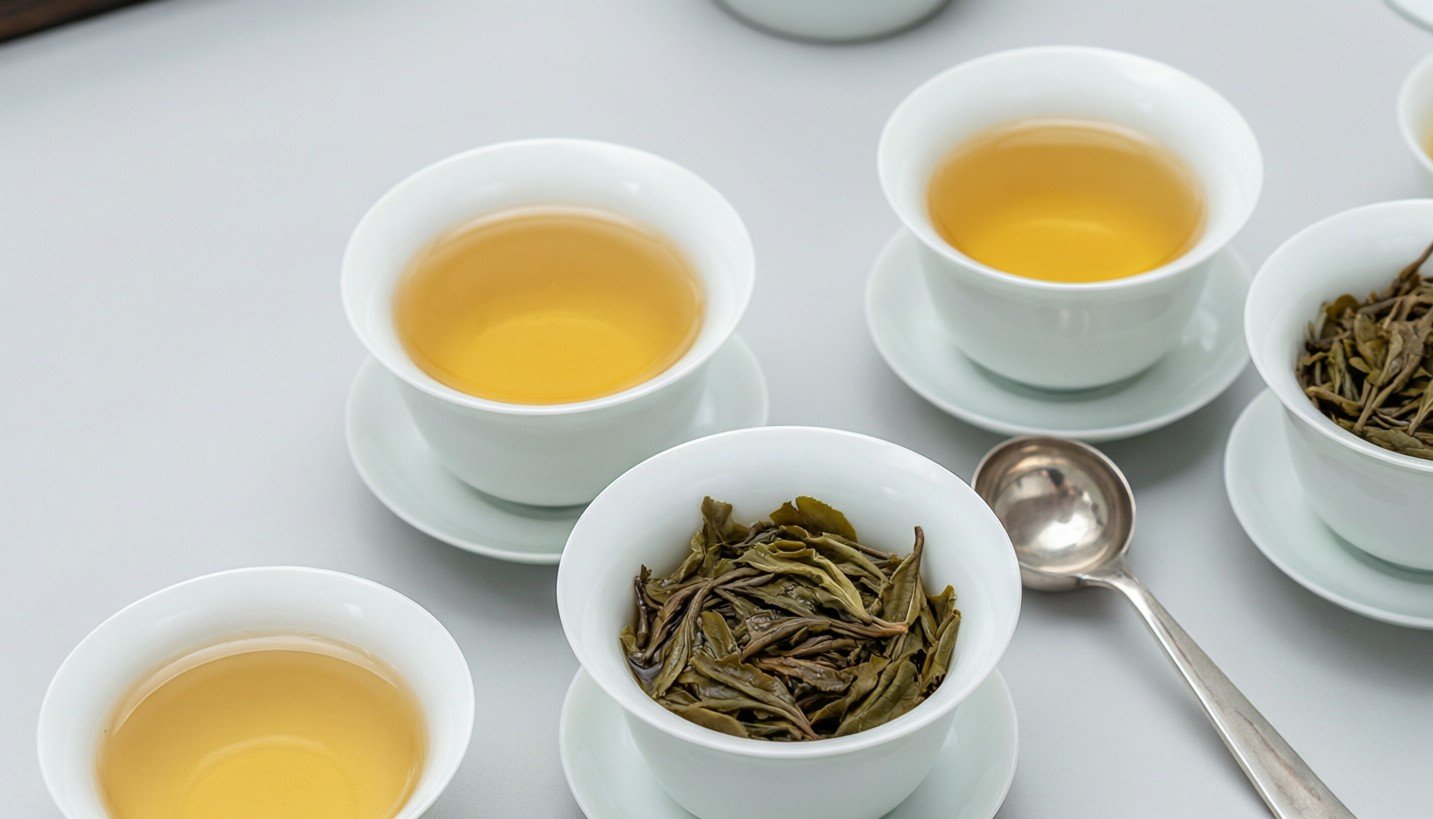
Ask for a cupping sample before volume commitment. Judge the sample by the same method used in professional sensory evaluation [3]: dry leaf uniformity, aroma cleanliness, liquor clarity, taste structure, and how many infusions the leaf holds. If the sample is impressive but the production lot is weak, the supplier may have selected a non-representative sample.
Buyers should also request basic testing for moisture, pesticide residues, and, for aged claims, visual mold inspection. This is normal due diligence for import and retail programs, not an unreasonable demand.
A final practical point: specify your minimum order quantity early. A buyer asking for 10 kg of Bingdao old-tree will receive either a rejection or a repackaged blend, because genuine micro-lots may not exist in that volume. Matching the bid to the available lot size is part of realistic pricing.
Common Pricing Traps
One trap is the generic "old tree" claim. The term has no single legal definition in all Chinese tea trading contexts, so it can be applied loosely to older arbor or even mixed plantation material. Without tree-age documentation or sensory confirmation, buyers should treat the term as a signal to verify, not as proof of value.
Another trap is humid storage passed off as age. Wet-stored cakes can look old quickly, but the aroma may be muddy, the texture thin, and the aftertaste short. A low price on an "aged" Mengku cake can simply reflect storage damage.
Wrapper counterfeiting is also common for famous villages. If the wrapper says Bingdao but the supplier cannot name the micro-area, season, batch, or cupping profile, the premium is not justified. The standard GB/T 22111-2008 gives geographic and processing boundaries, but it does not by itself verify a specific village claim [1]. Verification still requires documentation, sampling, and sometimes third-party testing.
Need current Mengku wholesale pricing? Contact Chinese tea suppliers at xuansc2144@gmail.com with your target volume, village or grade, harvest year, and destination port. That allows a supplier to match real lots and shipping terms instead of guessing from a general price list.
Frequently Asked Questions
Is Mengku Pu-erh always more expensive than other Lincang Pu-erh?
Not necessarily. Commodity-grade Mengku blends can be affordable and compare with other Lincang blends. The premium concentrates in named villages, old-tree lots, spring harvests, and authenticated micro-batches.
What does "old tree" actually mean in Mengku pricing?
It generally refers to tea from older, more scattered trees rather than densely planted tea bushes, but the term is not consistently regulated in commercial language. It should be verified through leaf character, liquor durability, and supplier documentation rather than accepted at face value.
Why are Bingdao Mengku cakes so much pricier?
Bingdao has limited old-tree output, strong demand from domestic collectors, and high marketing recognition. Low supply and concentrated demand push maocha prices well above the regional average. That premium does not automatically transfer to every lot labeled Bingdao, especially blended or plantation material.
How can importers verify a Mengku claim before paying a premium?
Ask for the village or micro-area, tree-age basis, harvest season, processing date, moisture testing, and a representative sample. Cup the sample against a neutral standard and compare the quote to the broader band for the claimed grade. If any part of the story cannot be documented, renegotiate or pass.
Does older Mengku Pu-erh always cost more?
Only when the storage history is clean and the aging has improved aroma and texture. Poorly stored age can reduce value, and a young, well-processed cake from a strong vintage can outperform a damaged older cake. Age is not a substitute for storage quality.
References
[1] GB/T 22111-2008, Product of geographical indication—Pu'er tea, General Administration of Quality Supervision, Inspection and Quarantine of the People's Republic of China & Standardization Administration of China, 2008.
[2] ISO 20715:2019, Tea — Classification of tea types, International Organization for Standardization.
[3] GB/T 23776-2018, Methodology of sensory evaluation of tea, Standardization Administration of China, 2018.
No author description available.

白玉京