Shuixian White Tea: What Actually Sets It Apart
Shuixian white tea sits in a useful grey area for buyers. It is marketed as white tea, but the leaf comes from the Shuixian cultivar more often associated with Wuyi oolong. The result is not a pale copy of Fuding white tea; it is a different product with heavier leaf texture, a more mineral finish and a slower-moving sweetness. Understanding that difference early prevents expensive mismatches between what a sample promises and what a container delivers.
If you are evaluating white tea for a retail line or wholesale order, ask suppliers to benchmark Shuixian against a standard Fuding or Zhenghe sample in the same tasting session. The differences below show what to focus on.
What "Shuixian White Tea" Actually Refers To
Shuixian means "Narcissus" and is one of Fujian's workhorse cultivars. In oolong production, especially in the Wuyi and Jian'ou area, it produces full-bodied, mineral, often woody teas. When the same leaf is processed with white-tea logic, the leaf is withered and dried without the kill-green step[1]. That keeps oxidation lower than oolong but preserves Shuixian's thicker leaf character.
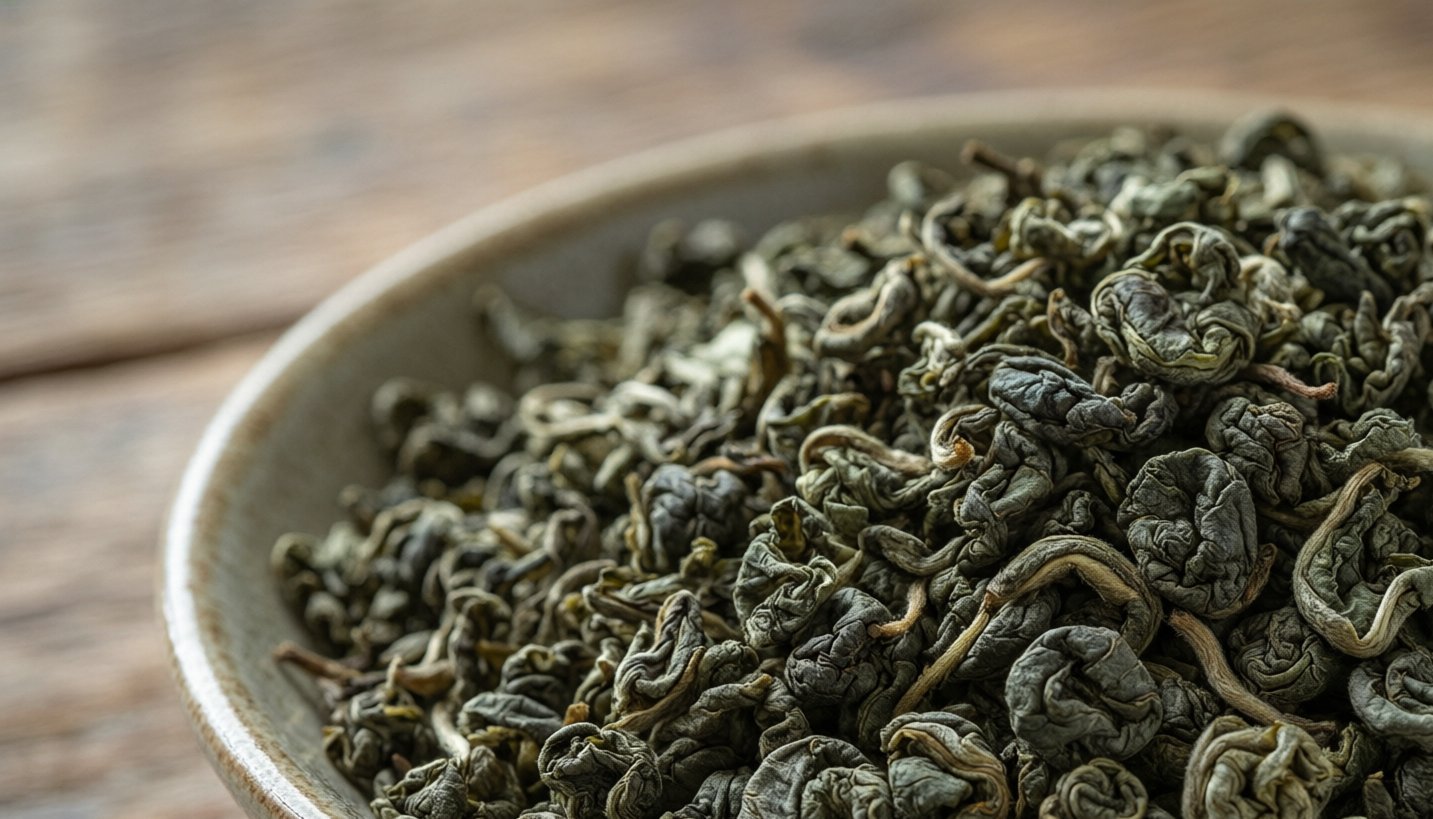
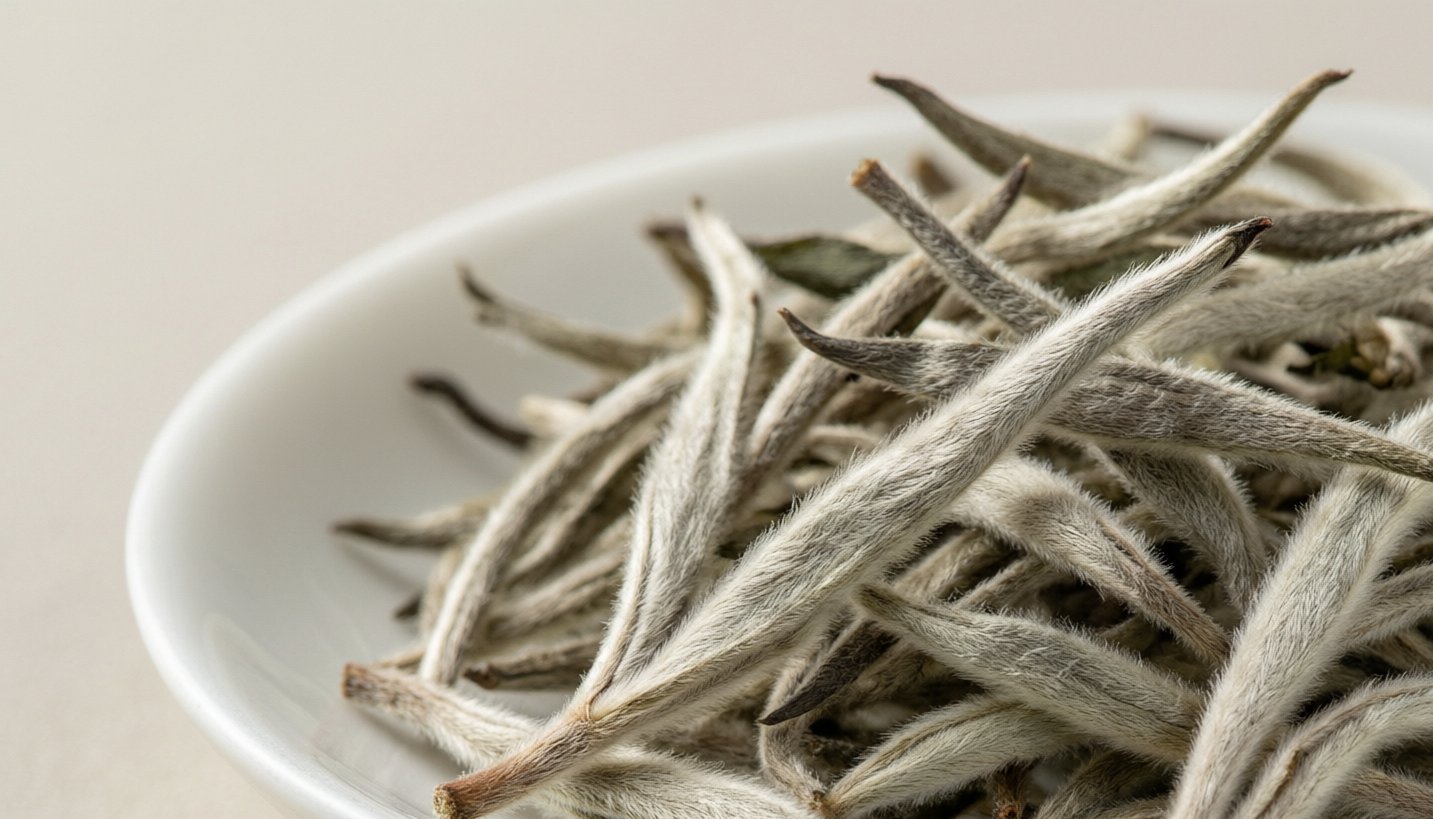
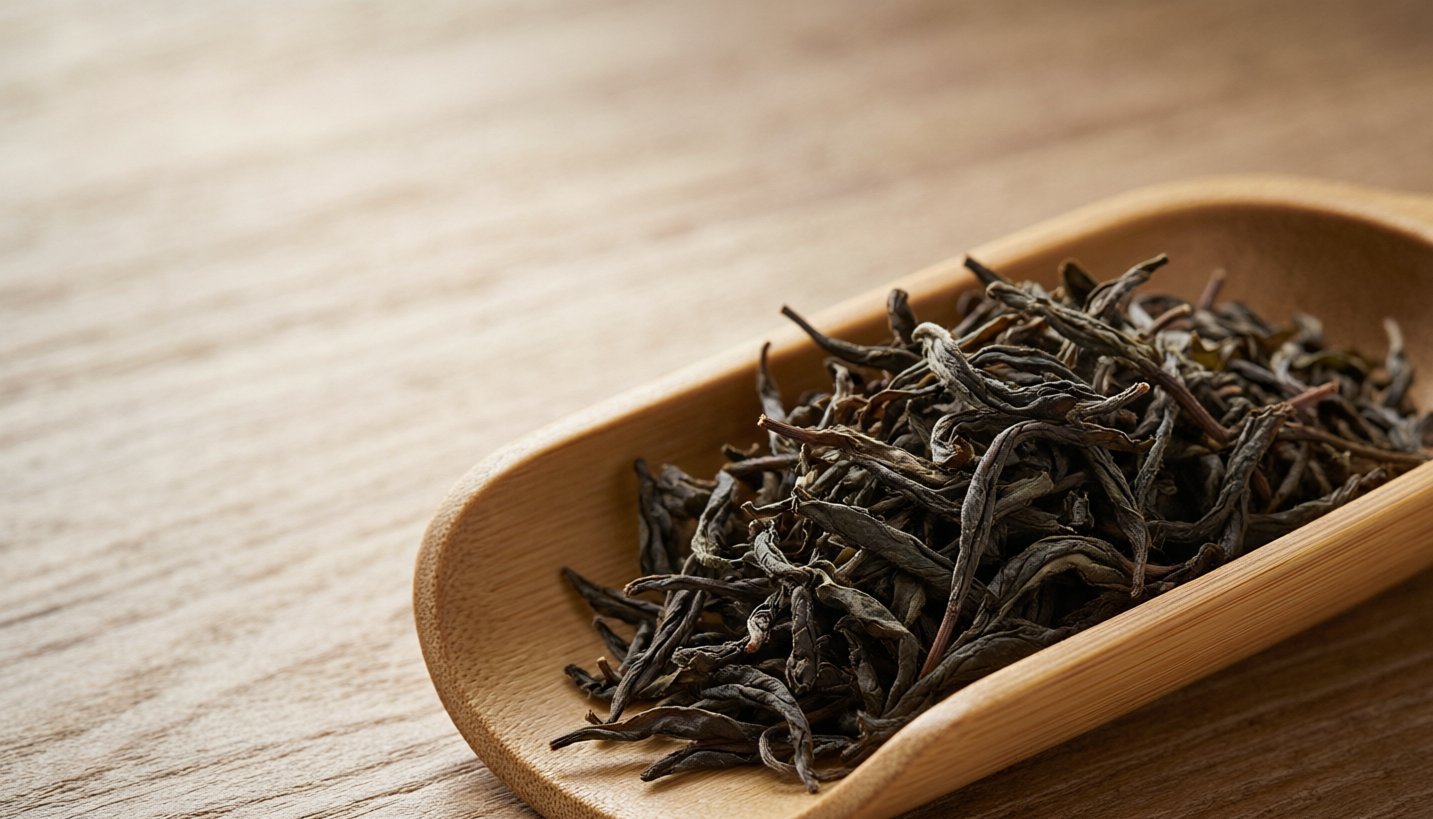
The cultivar matters. Shuixian leaves are typically large, broad and thick. They lose moisture more slowly during withering than smaller, more tender Fuding Dabai buds. This changes the finished tea's appearance, aroma and aftertaste. Buyers should not expect a bud-heavy, silver-needle look; most Shuixian white tea is made from opened leaves and stems, closer to a Shoumei or Gongmei visual style but with deeper leaf color.
How the Cup Feels Different
Fuding white tea is often described as honeyed, soft and floral, with a light body. Shuixian white tea usually runs darker and broader. The mineral note is more persistent, sometimes described as wet stone or sweet hay. Sweetness comes later, often after the sip, instead of arriving at the front of the tongue. Body is medium to full, and the finish can carry a mild cooling sensation in properly withered lots.
This does not make Shuixian better. It makes it more suited to buyers who want a white tea that can stand up to food, blend work, cold brewing or customers who find standard Bai Mu Dan too light. It is also less forgiving when poorly withered: off lots show sharper grassiness, a sour undercurrent or a flat watery finish.

Shuixian White Tea vs. Fuding White Tea
A quick comparison:
| Attribute | Shuixian White Tea | Fuding White Tea |
|---|---|---|
| Starting cultivar | Shuixian, large broad leaves | Fuding Dabai, bud and small leaf sets |
| Typical look | Darker green-brown leaf, more stems | Silver buds or pale green mixed leaf |
| Aroma | Mineral, hay, dried herb, subtle sweet | Honey, melon, fresh floral |
| Body | Medium to full | Light to medium |
| Sweetness | Late, lingering | Early, softer |
| Best fit | Drinkers wanting structure, aging trials | Drinkers wanting classic delicate white tea |
This table is a starting point. Harvest date, withering quality and storage matter more than the cultivar name. A clean early-spring Shuixian lot can taste brighter than a rough Fuding lot picked late.
Quality Signals Buyers Should Check
When cupping Shuixian white tea, pay more attention to clarity than to color. The liquor should be bright, not murky. The dry leaf should smell dry and clean, with no sour or stale note. Wetted leaf should be soft and intact, not crumbly or overly brittle.
Mouthfeel is another useful filter. Well-withered Shuixian white tea has a slippery, almost broth-like texture. If the tea is thin, sharp or rough on the tongue, treat it as a process problem, not a cultivar trait. Ask for information on withering time, drying method and storage environment. These details often separate a stable wholesale lot from one that will drift after shipping.
Sourcing Shuixian White Tea for Your Business
Because "Shuixian white tea" is still a smaller, less standardized category than Fuding white tea, the safest purchasing path is to taste before you order. Ask the supplier for a current-harvest sample, the production area, harvest window and a clear photo of the dry leaf before committing to volume. Request a second sample from a later harvest month if you plan to order across seasons.
For help comparing lots or building a private-label white tea range, contact Chinese tea suppliers at xuansc2144@gmail.com. A short cupping note with your target market helps us match the right style.
Brewing Parameters That Work
Shuixian white tea is forgiving, but it rewards a slight adjustment from standard white-tea brewing. Use water that has just stopped boiling, and keep the first infusion short. Because the leaves are thick, a quick rinse or very short opening steep helps open the leaf without pulling too much early bitterness. Later infusions can be extended gradually.
For cold brewing, use clean cold water and a long extraction time. The result is less sweet than cold-brewed Fuding white tea but more structured, with a cooling mineral aftertaste.
Storage and Shelf Life
Store Shuixian white tea the way you would any white tea: cool, dry, odor-free and away from direct light. Seal opened lots tightly. Whole Shuixian white tea that starts dry and clean generally holds stable flavor better than broken or heavily exposed leaf. If your warehouse has humidity swings, use dedicated tea storage zones rather than general dry-goods shelving.
If you plan to age white tea, treat Shuixian as a structural play rather than a delicate one. Its thicker leaf and mineral base often become rounder with careful warm-humid storage, but poorly stored lots simply flatten or sour.
Source Shuixian White Tea with Confidence
Whether you are filling a café menu, building a consumer retail line or testing an aged-white-tea program, Shuixian white tea offers a useful point of difference from generic Fuding white tea. The key is alignment: match the style to the use, and verify quality through a cupping session before negotiating volume.
For current availability, harvest details and wholesale terms, contact Chinese tea suppliers at xuansc2144@gmail.com. Mention your target market, order volume and preferred leaf grade.
Frequently Asked Questions
Is Shuixian white tea a true white tea?
Yes. It is processed by withering and drying without kill-green, which places it in the white tea category under tea classification practice[1][2]. The difference is the starting cultivar, not the processing family.
Is Shuixian white tea better than Fuding white tea?
Not categorically. It is more structured, mineral and full-bodied, while Fuding white tea is typically more floral, light and early-sweet. "Better" depends on the customer, the use case and the specific lot.
How can I tell a good Shuixian white tea lot from a bad one?
Focus on dry-leaf cleanliness, bright liquor, soft wetted leaf and a slippery mouthfeel. A rough, thin or sour cup usually points to withering or storage problems.
Does Shuixian white tea age well?
It can age well because of its thicker leaf and mineral base, provided the starting material is clean and storage is controlled. Aging results vary more by condition than by cultivar alone.
What should I ask a supplier before buying?
Ask for production area, harvest window, withering and drying method, storage environment, and a current cupping sample. A side-by-side sample against Fuding white tea is the most useful benchmark.
References
[1] Standardization Administration of China. GB/T 22291-2017, White tea. General Administration of Quality Supervision, Inspection and Quarantine of the PRC, 2017.
[2] International Organization for Standardization. ISO 20715:2023, Tea — Classification of tea types. ISO, 2023.
No author description available.

白玉京