Laobanzhang Pu-erh Aging: How Flavor and Value Change Over Time
Laobanzhang is a small Bulang Mountain village in Menghai County, Xishuangbanna, Yunnan, and its raw pu-erh cakes are among the most expensive and most counterfeited teas in China. The reason goes beyond scarcity: the large-leaf assamica material from this area carries a distinctive bitterness, dense body, and fast hui gan that, with clean aging, can develop into a deep, medicinal, long-finishing tea.
This guide walks through what actually changes as Laobanzhang ages, how to taste those changes, and how to source aged lots without paying for a wrapper story.
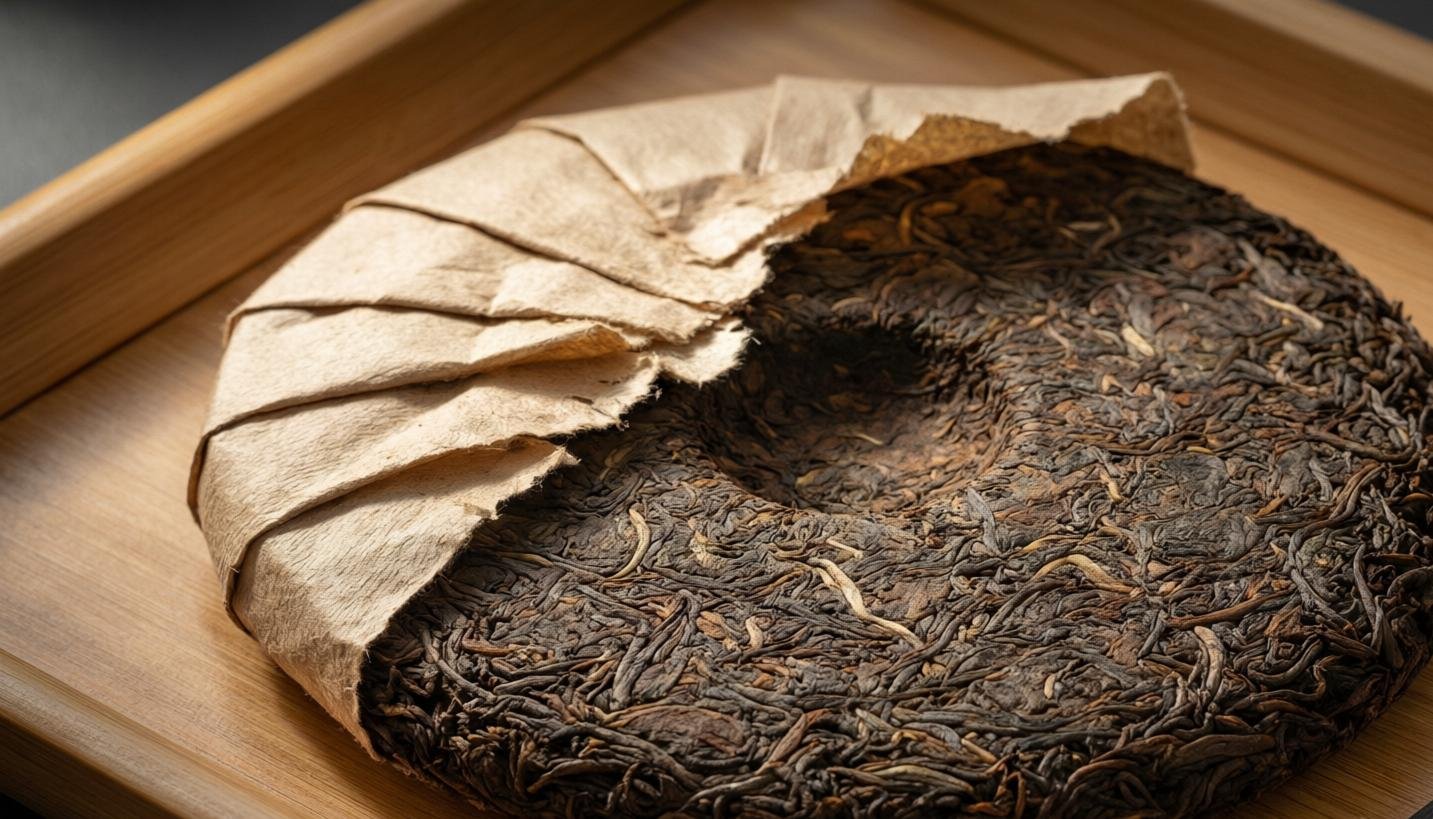
Why Laobanzhang Aging Is Different from Other Pu-erh
Pu-erh tea is defined by the Chinese geographical indication standard GB/T 22111-2008 as a product made from Yunnan large-leaf sun-dried maocha in designated processing regions. Laobanzhang itself is not a protected denomination under that standard, so the village name on a wrapper should be treated as a provenance claim rather than a regulated grade [1].
Aging changes the material at the chemical level. During storage, catechins and other astringent polyphenols gradually oxidize and transform, while gallic acid and theabrownins accumulate [2][3][4]. That is why a well-aged Laobanzhang stops tasting aggressively bitter and starts tasting smooth, dark, and rounded. The underlying leaf strength does not disappear; it becomes less frontal and more structural.
Laobanzhang tends to age into a different type of depth than softer pu-erh terroirs. A young Laobanzhang that is almost punishing on the tongue can, after years of clean storage, produce a powerful throat resonance and a long, cooling aftertaste that softer Bulang or Nannuo material rarely matches.
The Age-by-Age Tasting Profile
The stages below are a practical tasting guide, not a guarantee. Storage speed changes every one of them.
| Stage | Liquor Color | Aroma | Body and Finish | Main Risks |
|---|---|---|---|---|
| 0–3 years | Yellow-green, bright | Floral, grass, orchard fruit | Tight, very bitter, fast hui gan | Aggressive astringency can hide flaws |
| 4–8 years | Amber to golden | Honey, camphor, dry wood | Rounder, bitterness softening | Too-dry storage leaves green notes intact |
| 9–15 years | Red-brown, clear | Aged wood, plum, medicinal | Smooth, throat resonance, long finish | Wet storage can turn it soupy or sour |
| 20+ years | Dark red-brown | Date, old books, aged camphor | Deep, quiet, long cha qi | Rarity and fake age claims increase |
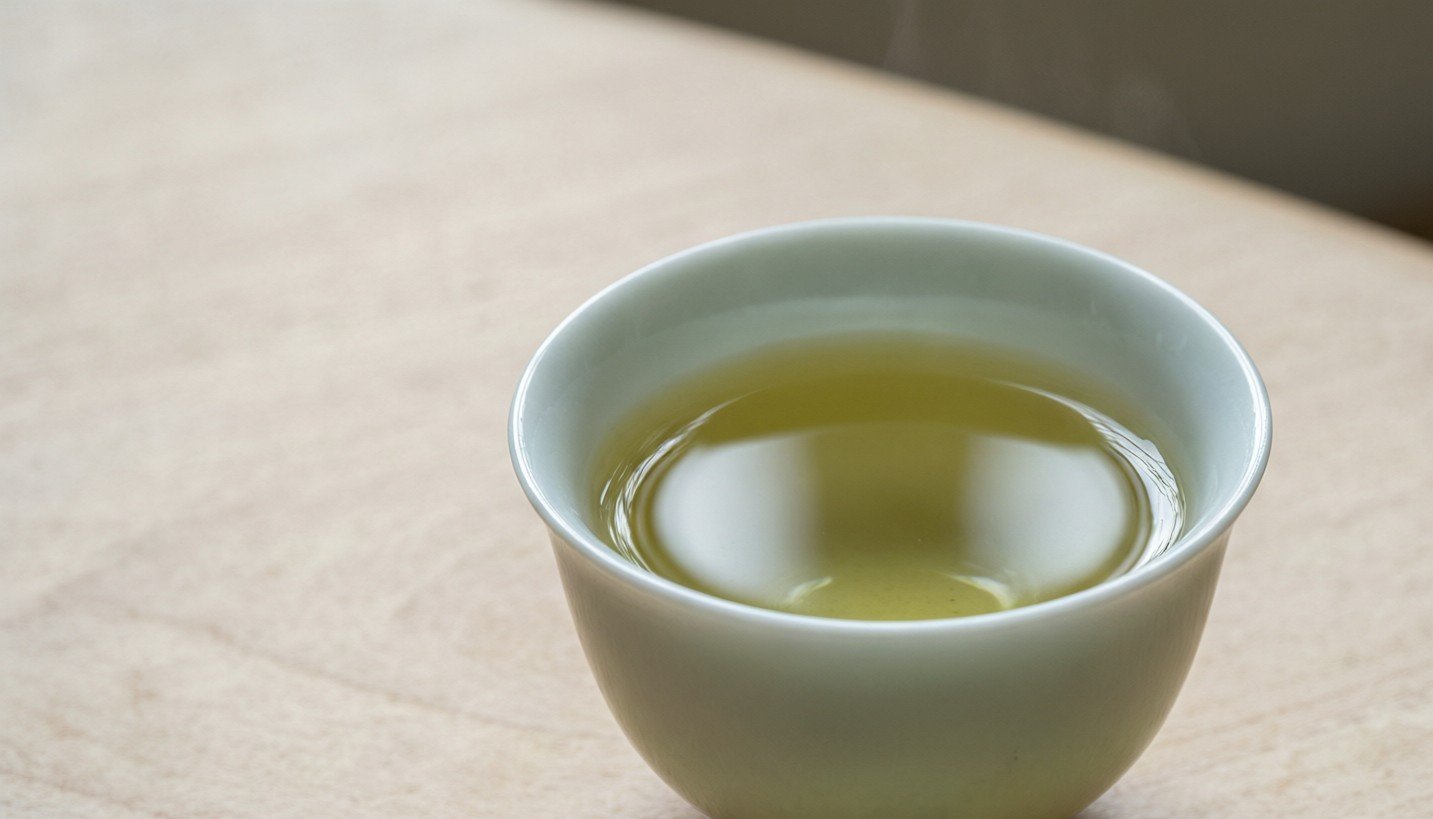
A five-year-old cake from a dry warehouse may still taste closer to year two. The same lot from natural Guangzhou storage may look and taste several years further along. This is why buyers should judge the leaf in the cup, not the year printed on the wrapper.
If you are tasting through these stages to select a lot for an import program, do not decide from photos alone. Request 20–50 g cupping samples, ask for the storage city and a basic humidity history, and cup one young cake side by side with one aged cake. Email xuansc2144@gmail.com with your target age range, order quantity, and destination market if you want help arranging comparative samples.
Storage Conditions That Push Aging Forward—or Ruin It
Clean aging depends on moderate humidity, controlled temperature, slow airflow, and proper compression. Many commercial pu-erh warehouses operate within a moderate humidity band; sustained dampness raises mold and off-aroma risk.
Traditional wetter storage, common in Hong Kong and parts of Guangdong, accelerates color change and reduces bitterness faster. The trade-off is that poor wet storage can thin the body, flatten the finish, and leave a sour or musty note. Dry Kunming-style storage preserves aroma and energy but slows the transformation dramatically.
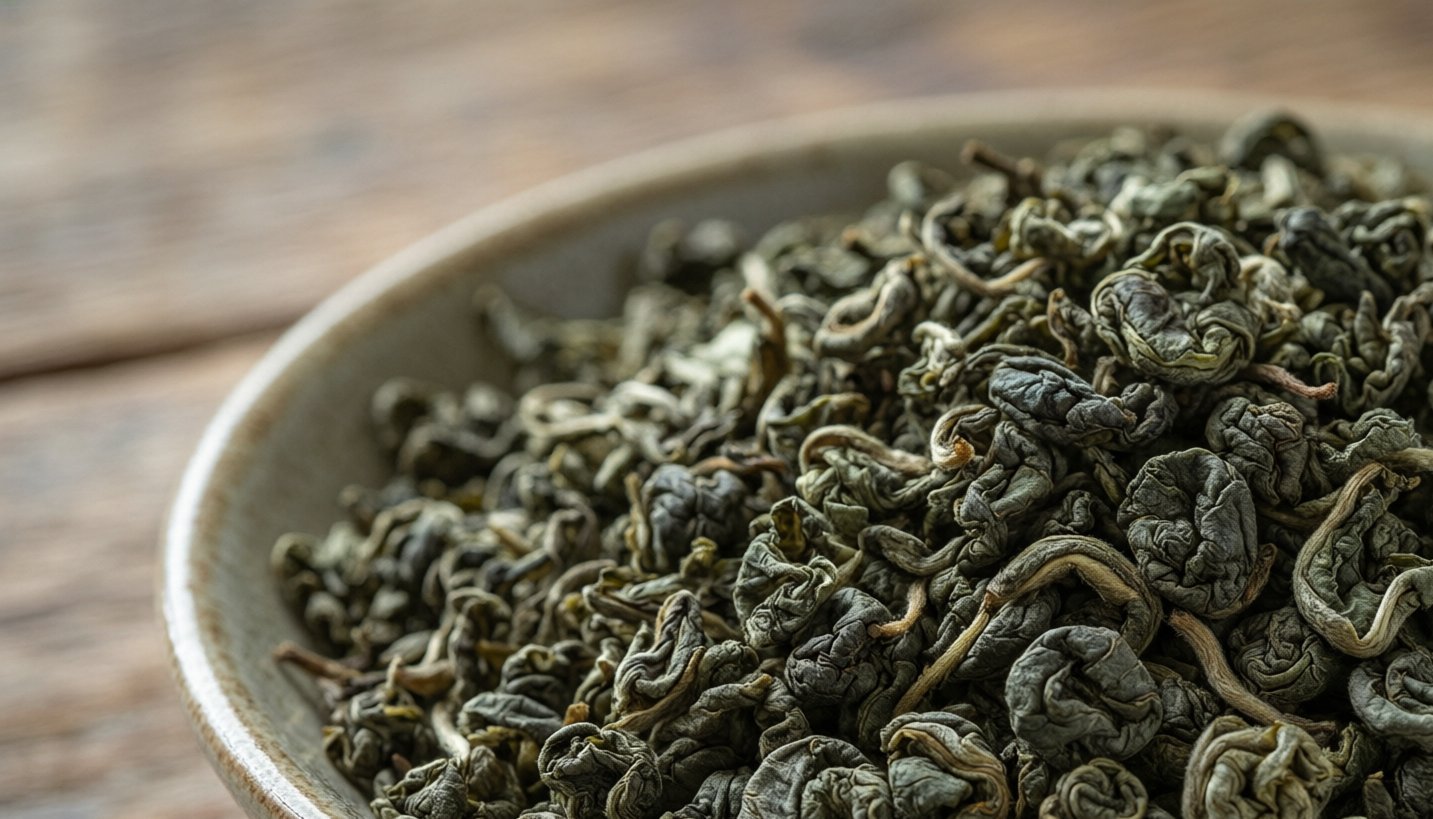
For Laobanzhang, the best results usually come from clean, moderate storage that preserves the tea's natural strength while allowing bitterness to settle. Before buying, inspect the wrapper for stains, smell the cake for must or sourness, and check the inner ticket and compression edges for signs of re-wrapping or moisture damage.
How to Cup Aged Laobanzhang Like a Buyer
A repeatable cupping method matters more than a single long steep. Use a consistent leaf-to-water ratio and short steeps so the tea reveals its structure over multiple infusions. Many cuppers work around 5 g per 100 mL at just-off-boil, but the key is consistency across samples.
Evaluate in this order:
- Liquor clarity and color — Is it bright rather than murky?
- Aroma after the rinse — Look for depth, not just woodiness.
- First steep — Bitterness should feel structural, not harsh or chemical.
- Hui gan — Does sweetness return quickly in the throat after the bitterness?
- Later steeps — Does the tea hold body or collapse into flat colored water?
- Empty-cup aroma — Strong aged fragrance is a positive marker.
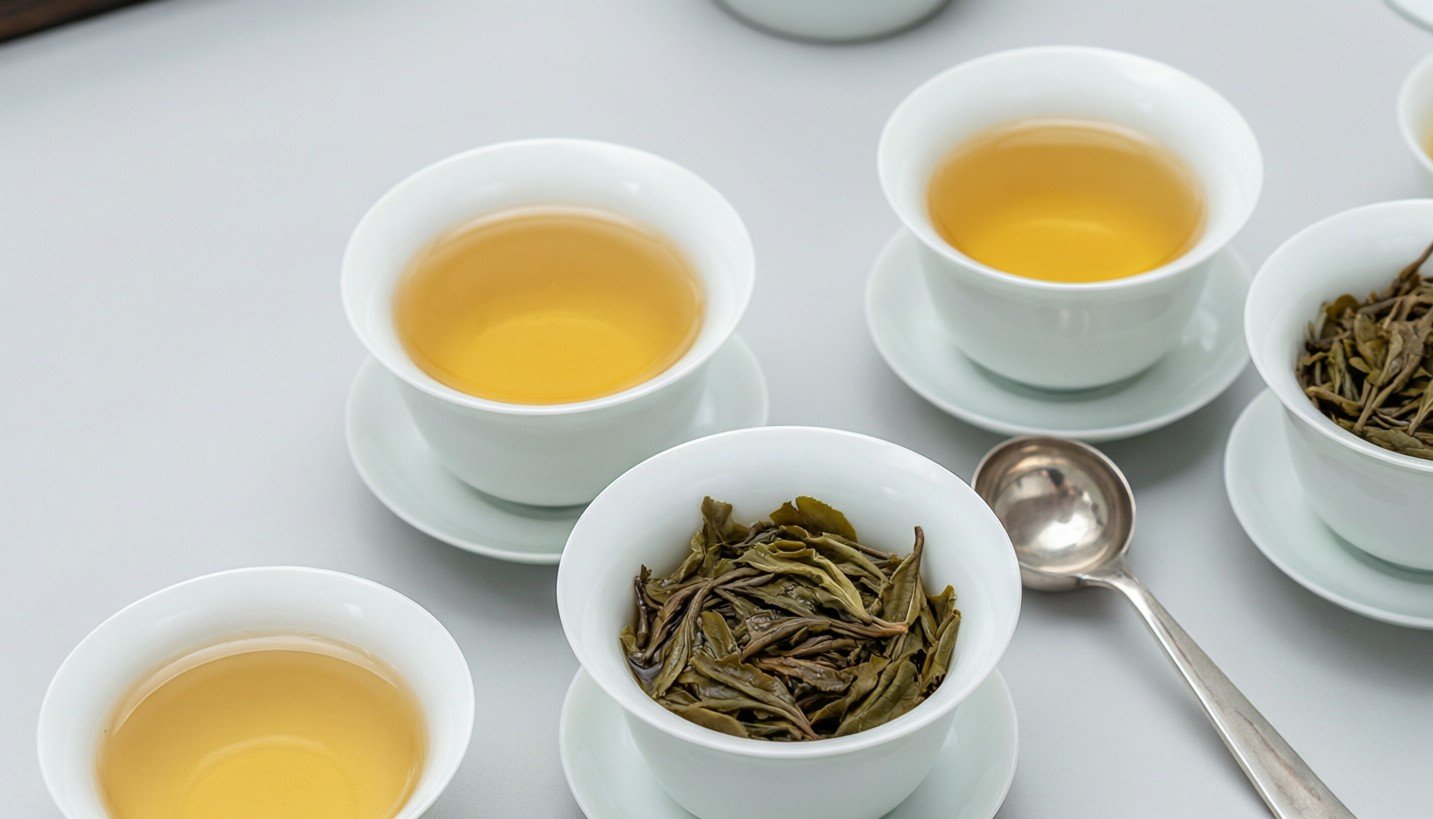
A genuine aged Laobanzhang rarely drinks softly at every stage. It should still show the tea's underlying force, but that force should be integrated rather than raw.
Source Aged Laobanzhang Pu-erh with Clear Documentation
Aged Laobanzhang is a high-risk purchase, even for experienced buyers. The difference between a good lot and a misleading wrapper is documentation.
What to request from a supplier:
- Storage city and warehouse type, with approximate humidity history
- Production year, lot number, and any re-pressing date
- Wrapper, inner ticket, and tong packaging photos
- 20–50 g cupping sample before full-lot confirmation
- Pesticide residue and heavy metal test reports for your destination market
- The supplier's own cupping notes, not only the seller's story
Send these requirements to xuansc2144@gmail.com with your target age range, volume, and destination market. Include whether you want dry-stored or traditionally stored lots, and we will arrange side-by-side cuppings before you commit to a full purchase.
FAQ
How long does it take for Laobanzhang pu-erh to taste noticeably older?
Most tasters notice meaningful change after three to five years if storage is clean and moderately humid. The tea usually reaches a settled, aged character between eight and fifteen years, depending on storage speed and compression.
Does all Laobanzhang improve with age?
No. Weak material, poor processing, or humid, contaminated storage can all make a cake worse with time. Age is only worth paying for when the base leaf, production quality, and storage history are sound.
What is the difference between dry-stored and wet-stored Laobanzhang?
Dry-stored cakes tend to keep more floral top notes and bitterness for longer. Wet-stored cakes darken faster and lose bitterness sooner, but can develop sour, musty, or thin profiles if storage was not controlled.
How can buyers spot fake aged Laobanzhang?
Check for over-darkened edges with a pale center, unnatural wrapper aging, missing or mismatched inner tickets, and a harsh rather than structural bitterness. Placing a small sample through repeated short steeps also reveals whether the tea holds depth or falls apart.
What should you ask a supplier before buying aged Laobanzhang?
Ask for the storage city, approximate humidity history, production year, lot number, compression date, full packaging photos, and a cupping sample. Request pesticide and heavy metal reports if the tea is intended for export.
References
[1] General Administration of Quality Supervision, Inspection and Quarantine of China. GB/T 22111-2008: Product of Geographical Indication—Pu'er Tea. National Standard of the People's Republic of China, 2008.
[2] Lv, H.-P., Zhang, Y.-J., Lin, Z., & Liang, Y.-R. "Processing and chemical constituents of Pu-erh tea: A review." Food Research International, 2013, 53(2), 608–618.
[3] Zhang, L., Li, N., Ma, Z.-Z., & Tu, P.-F. "Comparison of the chemical constituents of aged pu-erh tea, ripened pu-erh tea, and other teas using HPLC-DAD-ESI-MS." Journal of Agricultural and Food Chemistry, 2011, 59(16), 8754–8760.
[4] Ku, K.M., Kim, J., Park, H.-J., Liu, K.-H., & Lee, C.H. "Application of metabolomics in the analysis of manufacturing type of pu-erh tea and composition changes during post-fermentation." Journal of Agricultural and Food Chemistry, 2010, 58(1), 345–352.
No author description available.

白玉京