How to Store Biluochun Black Tea for Lasting Freshness
Biluochun is better known as a delicate green tea, but the black-tea version has a following of its own: tightly curled leaves, a rounded malt base, and the honey, cocoa, and stone-fruit notes that make premium black teas worth buying. Those aromatics are also the first things to disappear when storage goes wrong.
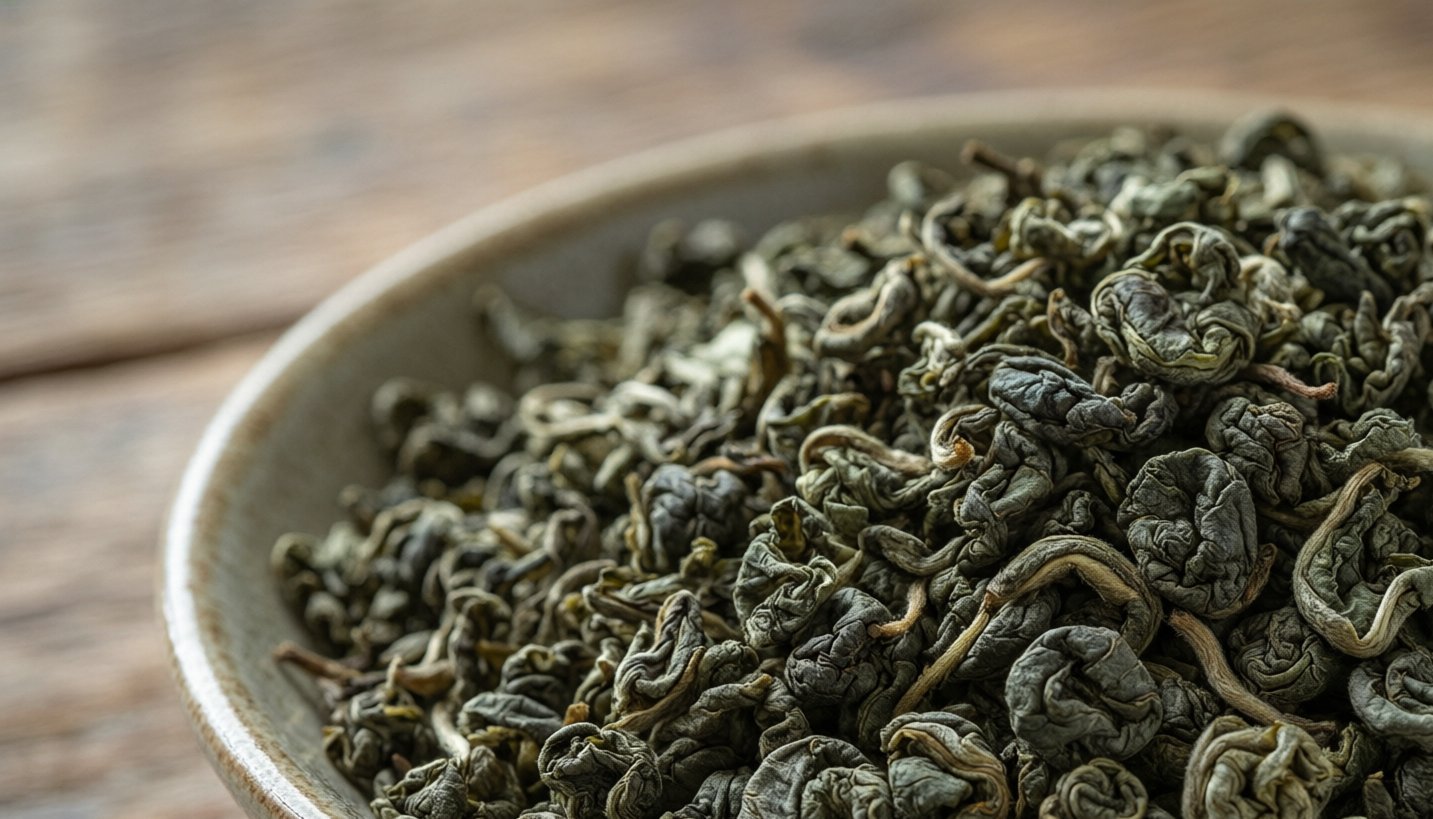
The good news is that black tea is more forgiving than green tea. It is fully oxidized, so it does not fade as quickly, but it still has three vulnerabilities: it is hygroscopic, it is porous, and its aroma compounds are sensitive to oxygen, light, and heat.
Why Biluochun Black Tea Loses Its Freshness
Most freshness loss in Biluochun black tea is not spoilage in the food-safety sense. It is aroma fading and moisture damage. Exposure to air strips top notes first; then the body becomes flat. Moisture is the more serious risk because once leaves absorb enough water, they can mold even without visible signs.
The leaf structure works against you here. Black tea leaves are dried to a low moisture content for stability, but that dryness makes them eager to pull moisture from the air and to trap nearby odors. The tighter the Biluochun curl, the more surface area is available for those reactions.
The Four Enemies of Tea Freshness
Storage advice for tea is consistent across Chinese and international guidance, and the same rules apply to tightly curled black teas [1].
| Factor | What It Does | Protection |
|---|---|---|
| Moisture | Softens leaves, encourages mold and off flavors | Keep relative humidity low; use sealed packaging and desiccants |
| Oxygen | Blunts aroma and accelerates chemical aging | Minimize headspace and seal immediately |
| Light and UV | Fades leaf color and degrades volatile aromas | Store in opaque packs or dark cupboards |
| Heat and odor | Speed all reactions and allow flavor transfer | Keep below about 25°C (77°F) and away from spices, coffee, and cleaning products |
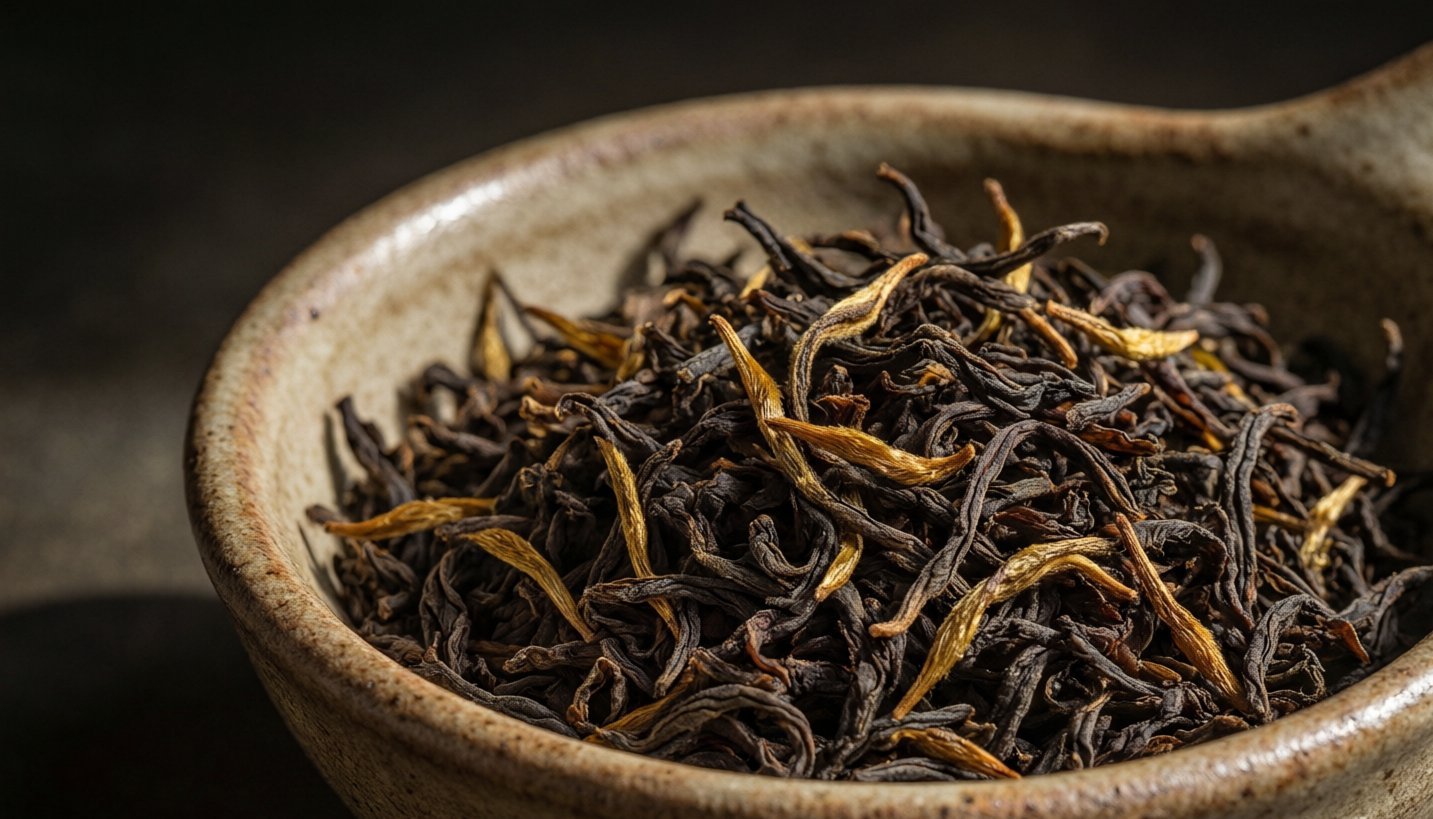
Dryness matters more than almost any other storage variable. Airtight packaging cannot fix wet tea, and a cool cupboard cannot prevent odor transfer if the container is not sealed. Source the right packaging first, then choose a stable storage spot.
Best Storage Containers for Biluochun Black Tea
The container should do three jobs: block oxygen, resist moisture, and block light. The format matters less than those functions.
| Container | Verdict | Notes |
|---|---|---|
| Foil-lined resealable pouch | Best for daily use | Blocks light and oxygen; press out air before sealing |
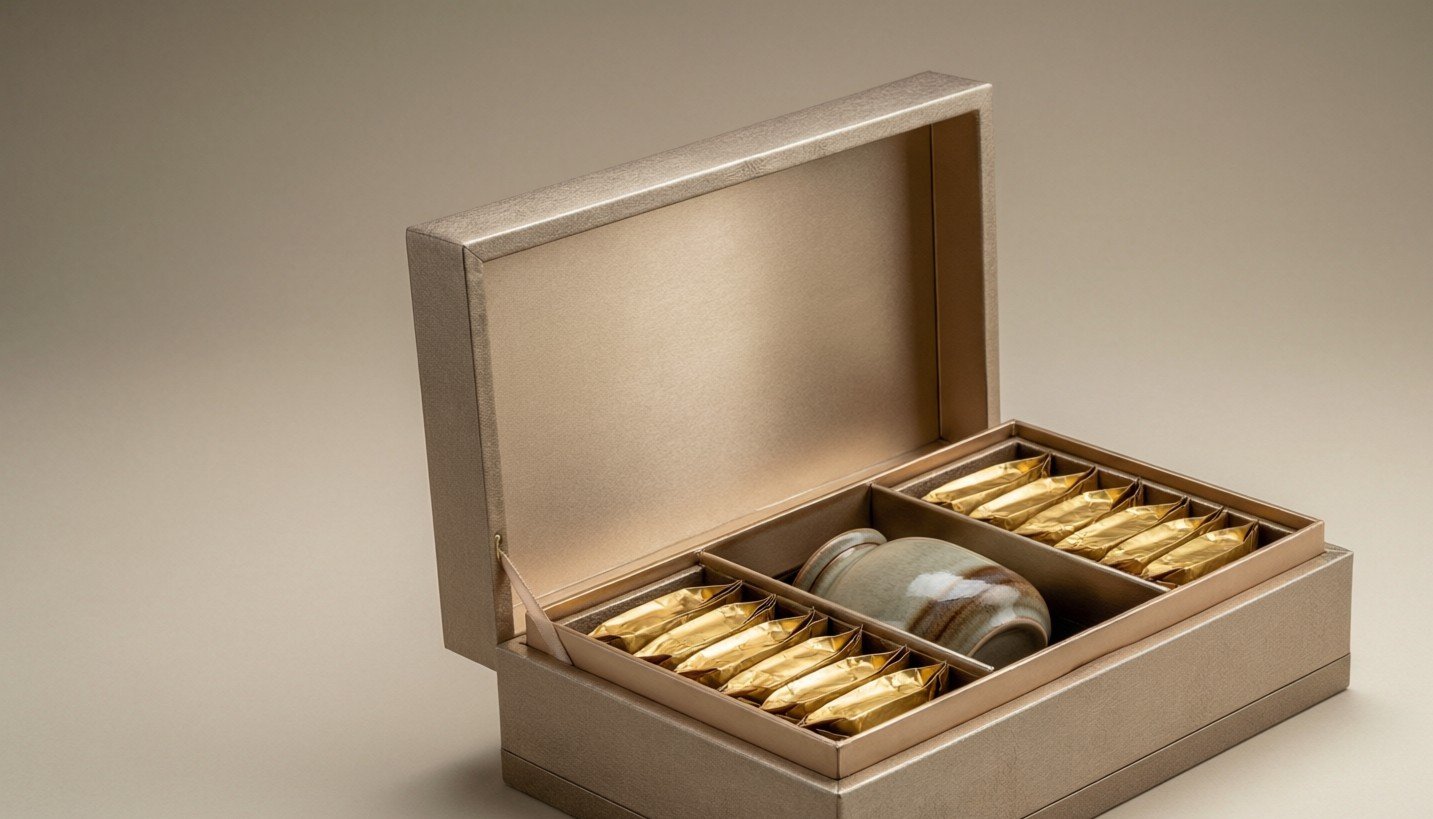
| Double-lid ceramic or porcelain jar | Excellent long-term option | Keep in a dark, dry cabinet |
| Tea tin with tight inner lid | Good if stored in a dark cabinet | Use for smaller amounts |
| Opaque glass jar with gasket | Acceptable | Keep in darkness; clear glass only works if fully shielded from light |
| Untreated wood, paper, or open baskets | Not recommended | Too porous for long-term freshness |
For daily use, keep a small amount in a working container and refill it from a master bag. Every refill exposes the master stock to air, so fewer transfers means better aroma retention.
A Practical Storage Routine
- Check the tea on arrival. Dry Biluochun black tea should feel dry and slightly brittle; damp tea is an immediate claim or return issue.
- Split the lot. Keep a master supply sealed and decant only two to four weeks' worth into a daily container.
- Remove air. After scooping, press out excess air and reseal the pouch or jar immediately.
- Store low and dark. A pantry shelf, cupboard, or dry drawer away from the stove, refrigerator exhaust, window, and water pipes is ideal.
- Do not refrigerate unless you can guarantee zero condensation. For black tea, refrigerator storage usually causes more moisture problems than it solves.
Wholesale note: if you are buying Biluochun black tea in bulk, ask for foil-lined bulk packaging and moisture performance before shipping. For sourcing and storage specifications, contact xuansc2144@gmail.com.
Signs Your Biluochun Black Tea Has Turned
Judge freshness by aroma before brewing. Fresh Biluochun black tea smells sweet, malty, and clean; stale tea smells flat, papery, or faintly sour. If the leaves feel limp rather than crisp, moisture has entered.
Brewed tea shows the same decline. A good cup has depth and a honey-cocoa finish; a stale cup tastes thin, cardboard-like, or dusty, even with proper brewing [2]. Any visible mold, white fuzz, or musty smell is a hard stop: do not drink it.

For buyers, this is also a quality-control point. If samples show flat aroma or damp leaf, do not accept the lot; the problem will only worsen in your warehouse.
Source Storage-Ready Biluochun Black Tea
Proper storage starts before the tea reaches your shelf. At Chinese tea suppliers, we pack Biluochun black tea in moisture-resistant formats and provide crop-year, origin, and storage details so you know how the tea was handled.
If you need bulk Biluochun black tea for retail, private label, or wholesale distribution, email xuansc2144@gmail.com to request samples, packaging options, and current pricing.
Frequently Asked Questions About Storing Biluochun Black Tea
Can I store Biluochun black tea in the refrigerator?
Only if you use a truly sealed, condensation-proof container and allow it to come to room temperature before opening. For most storage situations, a cool, dark pantry is safer because repeated temperature changes introduce moisture [1].
How long does Biluochun black tea stay fresh?
Unopened and stored in airtight, light-blocking packaging, it usually retains good flavor for one to two years. Once opened, plan to use it within a few months for the best aroma. The decline is gradual, so check aroma rather than relying only on a calendar date [1].
Does Biluochun black tea improve with age?
No. Unlike raw pu-erh or certain dark teas, Biluochun black tea is made for fresh drinking. It is not designed for deliberate aging, and over time it generally loses brightness and sweetness rather than gaining the desired aged character [2].
Can I use a clear glass jar?
Yes, if the jar lives inside a dark cupboard or pantry. Clear glass alone exposes tea to light, which accelerates aroma loss. Opaque containers or dark storage are the better default.
What should I do if my tea has already absorbed moisture?
If the leaf is only slightly soft with no mold or sourness, spread it in a thin layer in a dry, shaded room and monitor it, but this is only a short-term rescue. If there is any mustiness, clumping, or visible mold, discard the tea.
References
[1] China National Standards. GB/T 30375—2013, General rules for tea storage.
[2] China National Standards. GB/T 14456.1—2017, Black tea — Part 1: Basic requirements.
No author description available.

白玉京