Wholesale Tea Invoice Line Items Explained: What Importers Should Check Before Paying
A wholesale tea invoice is more than a request for payment. It is the paper trail that defines exactly what was sold, under which delivery terms, and who carries risk from the factory floor to the port, the vessel, and the destination warehouse. For importers, every line is a potential cost that may not have appeared on the original proforma invoice. This guide decodes each section and the questions to ask before you remit funds.
Why Tea Invoices Read Differently from Standard B2B Invoices
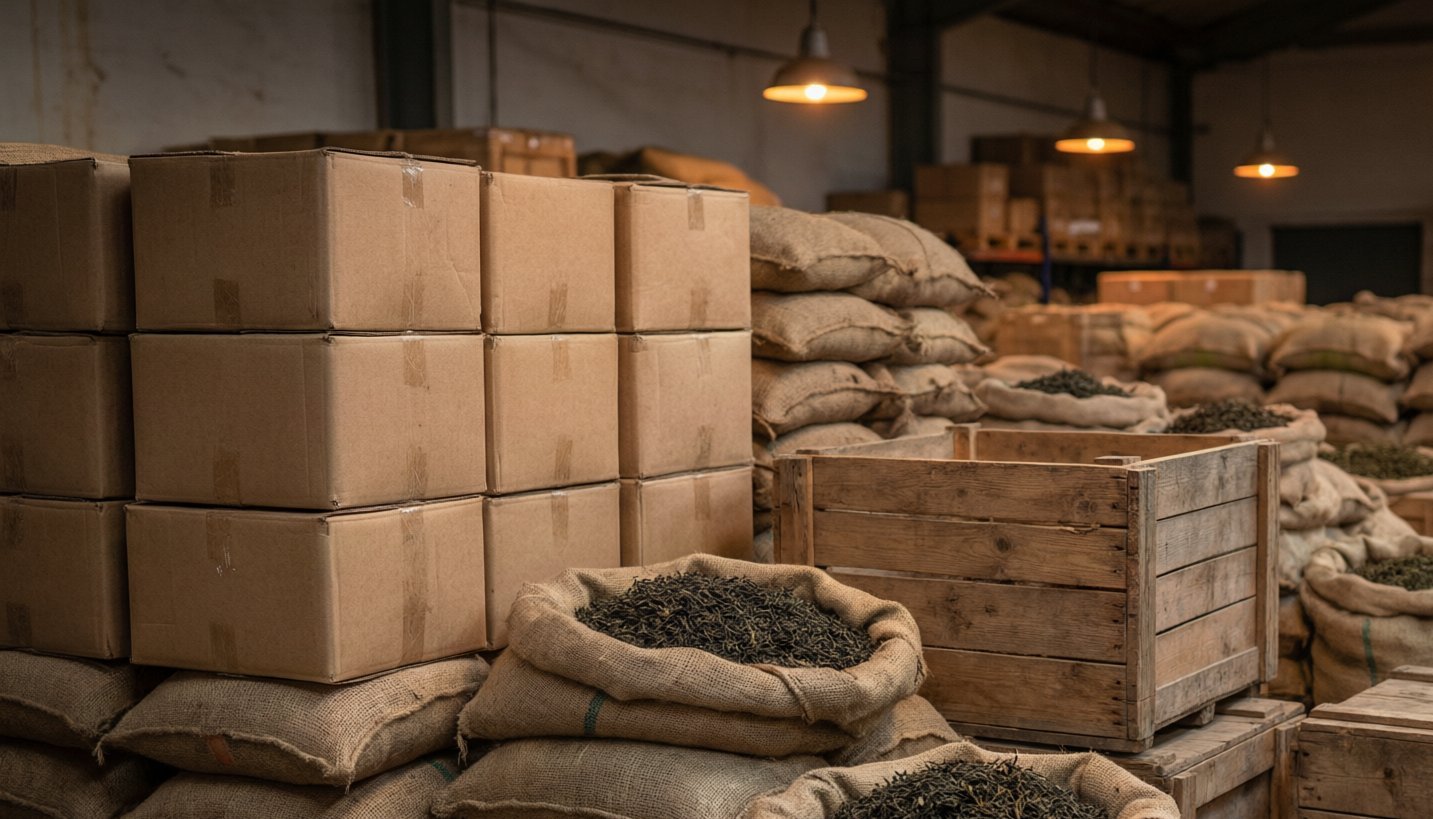
Tea is not a commodity like steel coil or plastic resin. A single shipment can contain multiple grades, harvest periods, processing styles, and packaging formats. A green tea lot picked before Qingming is a different commercial product from a summer-harvest lot of the same cultivar, even if both carry the same product name. That difference must be visible on the invoice.
A standard commercial invoice records seller, buyer, goods, quantity, price, and terms. A proper wholesale tea invoice adds traceability: lot number, production batch, harvest year, grade, processing method, factory name, and sometimes the inspection certificate number. If those fields are missing, the invoice is weaker as a legal record.
Under [1], Incoterms define which party pays for carriage, insurance, port handling, and import clearance. On tea invoices, the Incoterms line is one of the most frequently misunderstood fields. FOB Ningbo and CIF Rotterdam may look similar to a new buyer, but they allocate cost and risk very differently.
Line-by-Line Anatomy of a Wholesale Tea Invoice
The table below groups the fields into the product lines, the commercial terms, and the extra charges that often appear below the product total.
| Invoice section | Typical line items | What to check |
|---|---|---|
| Document reference | Invoice number, date, proforma reference, PO number | The invoice number should match the proforma and your purchase order. |
| Parties and accounts | Seller legal name, address, bank beneficiary name, SWIFT code | The beneficiary name must match the contract party, not a third-party account. |
| Delivery terms | Incoterms rule, named place, port of loading, destination | Confirm whether freight, insurance, and destination charges are included. |
| Product description | Tea type, cultivar, grade, harvest, lot number, processing style | The description should match the signed sample and the proforma exactly. |
| Classification | HS code, country of origin | Tea generally falls under HS heading 0902; the exact subheading varies by fermentation and packaging under [2]. |
| Quantity and unit | Net weight, number of cartons, tea cakes, bags, or pallets | Check whether weight is net tea weight or gross packaged weight. |
| Unit price and currency | Price per kg, per cake, or per carton; currency code | A price quoted as "25" without a unit or currency is a dispute waiting to happen. |
| Line totals | Unit price × quantity, total per product line | Recalculate every extension; rounding errors can add up on large orders. |
| Discounts and rebates | Trade discount, volume discount, early-payment rebate | The discount should be subtracted before tax and before freight is added. |
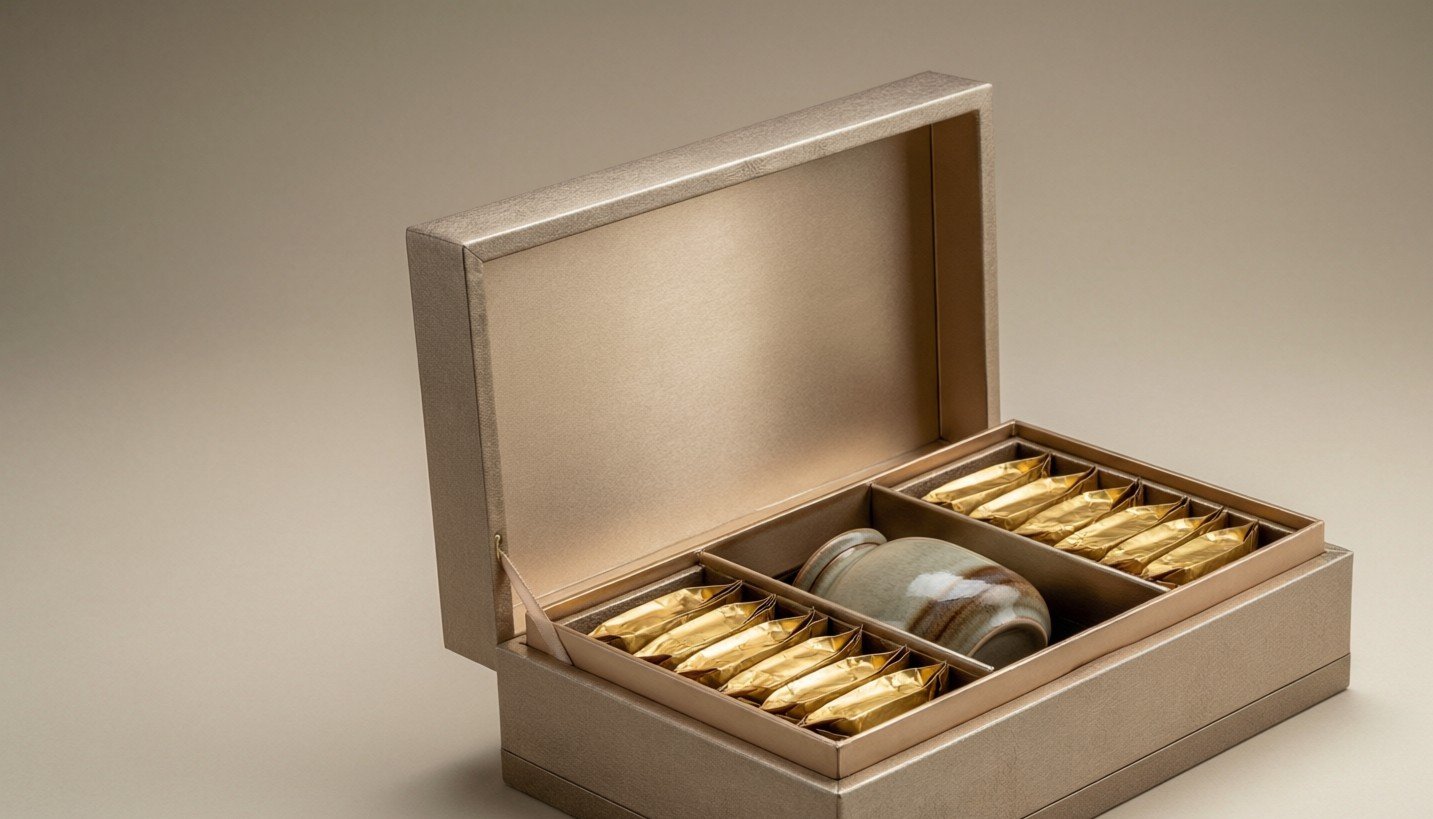
| Packaging | Cartons, foil bags, gift boxes, pallets, export packing | Packaging is often charged separately and can be the hidden margin in a quote. |
| Domestic and port charges | Factory-to-port freight, loading, customs declaration, terminal handling | Under many Incoterms rules, these may be the seller's cost, not a buyer charge. |
| Inspection and certification | Pre-shipment inspection, EU MRL testing, organic or ISO certificates | Confirm whether the certificate is included or billed as an extra line. |
| Payment instructions | Payment terms, bank details, partial payment schedule | Ensure the total due matches the sum of all lines above. |
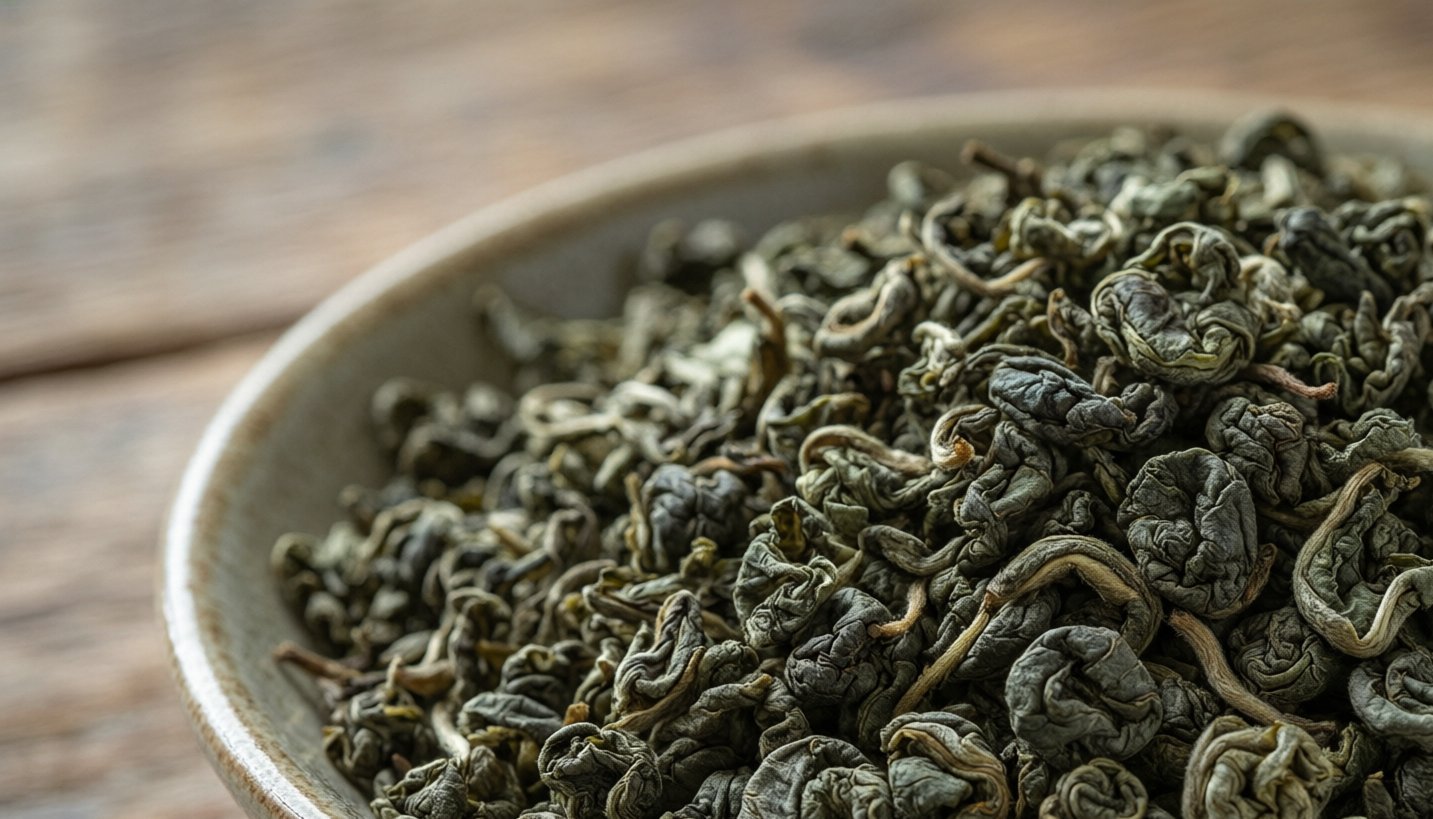
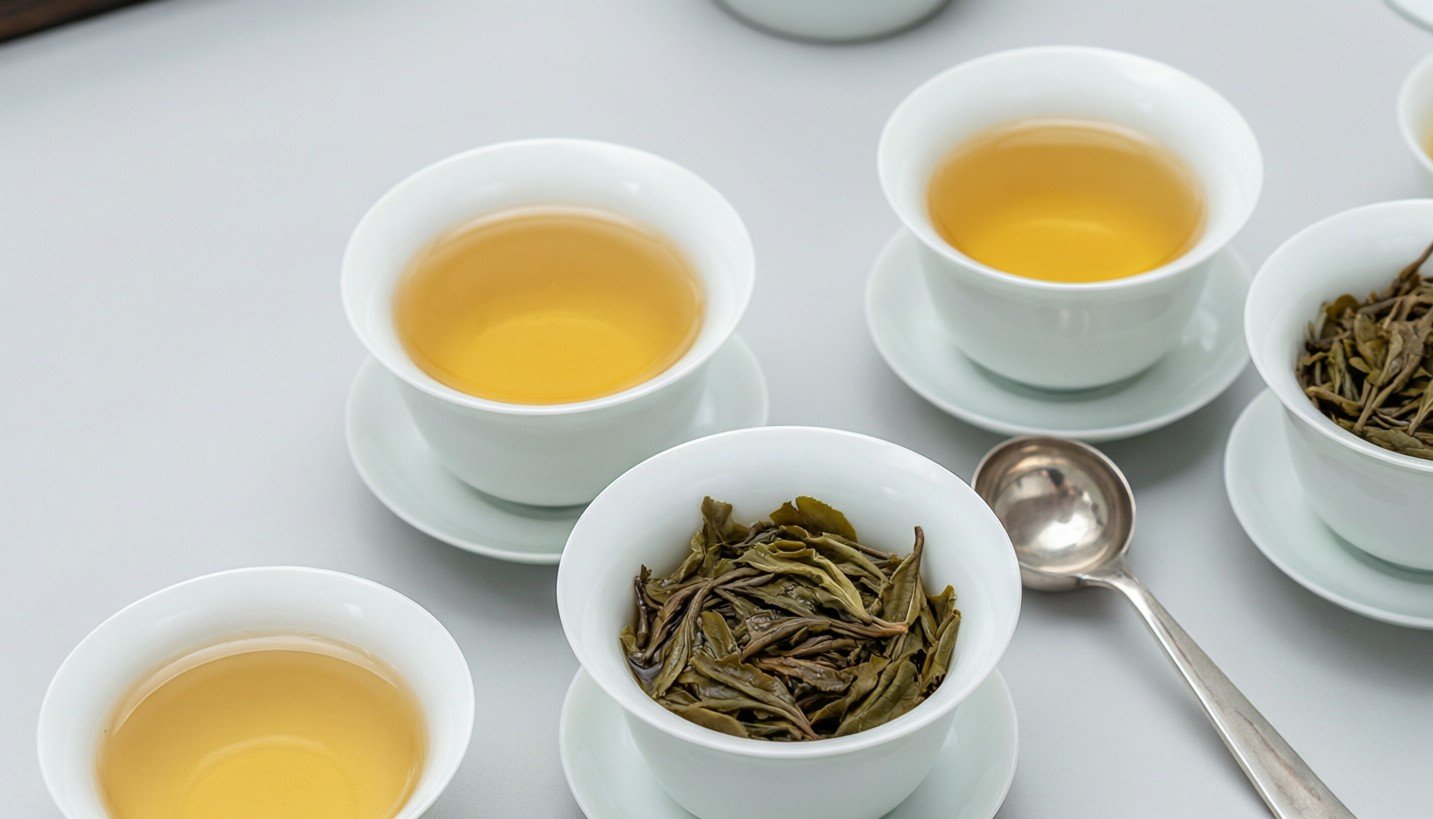
The product description is the most important section for tea specifically. A line that reads only "Oolong tea, 200 kg" is not sufficient. A defensible invoice line reads "Tieguanyin oolong, autumn harvest, light roast, Grade A, lot TGY-A-2025-10, 200 kg net." The more specific the line, the easier it is to reject wrong leaf on arrival.
Tea-Specific Charges That Often Hide Below the Product Lines
Many tea invoices place the product total at the top and then list supplementary charges below. Some of those charges are legitimate; others are padding.
Common legitimate additions include export cartons with food-grade inner liners, palletizing, fumigation or heat treatment for wooden pallets, and pre-shipment testing for pesticide residues. These costs exist because tea is food. A buyer who insists on zero packaging or inspection charges may simply find them buried in the unit price instead.
Questionable additions include vague "handling fees," "documentation fees," or "port service charges" that are not tied to a receipt or a named service. Under Incoterms rules cited in [1], some of these costs may already belong to the seller. If a supplier charges an export documentation fee on an FOB shipment, ask whether the same fee was included in the original FOB price.
A useful discipline is to request a cost breakdown annex. This is a separate page that maps each invoice line to a physical cost: carton, pallet, inspection, domestic trucking, bank transfer, and insurance. Suppliers who cannot produce this breakdown are often rounding up their margin.
Payment Terms, Currency, and Exchange-Rate Risk
Payment terms on a tea invoice are rarely neutral. The invoice may state 30 percent deposit against the proforma and 70 percent before shipment, or it may show 100 percent against a final invoice after inspection. The timing of payment changes who holds cash and who carries order risk.
The currency line matters twice. First, the tea price may be quoted in RMB, USD, or EUR. Second, the invoice may be issued in one currency while your bank settles in another. If the invoice does not state a fixed conversion rate or a fixed currency amount, you are carrying the exchange-rate risk between quotation and payment.
For importers who pay in USD to a Chinese supplier pricing in RMB, the supplier may build a buffer into the rate. Ask whether the invoice uses the spot rate on invoice date, the contract rate, or a supplier-fixed rate. The answer should be written on the invoice or in the contract annex.
Red Flags to Check Before You Pay
A few invoice patterns repeat across bad tea transactions.
First, the beneficiary account does not match the seller. Legitimate suppliers usually receive payment into the same legal entity named on the contract and the invoice. A request to pay a different account should be verified by phone or video call.
Second, the product description changed between proforma and invoice. "Premium Tieguanyin" becomes "Tieguanyin tea" or a lot number disappears. The invoice, not the email chain, is the document that controls what you can reject later.
Third, freight or inspection charges appear on an invoice for a delivery term that already includes them. CIF, for example, includes cost, insurance, and freight to the named destination port under [1]. A separate freight line on a CIF invoice is double-charging unless it is explicitly for destination-side handling beyond the named place.
Fourth, the invoice total is materially higher than the proforma without a written change order. Small differences can be legitimate, but every difference should be visible and explained.
Before you pay: have the supplier confirm each charge in writing. If any line cannot be traced to a physical cost, treat it as negotiable. For a fast check against standard tea trade practice, request a supplier invoice review through the contact section at the end of this article.
Need a Supplier Review Before You Pay?
Email your current wholesale tea invoice or proforma, with sensitive bank details removed, and our sourcing team will check the line items, fees, payment terms, and product description against common tea trade practice.
Contact: xuansc2144@gmail.com
We work with buyers who import from China and understand where unexpected charges tend to appear. A short review before payment can prevent a much larger dispute after shipment.
Frequently Asked Questions
What does Incoterms mean on a tea invoice?
Incoterms are contract rules published by the International Chamber of Commerce that define whether the buyer or seller pays for freight, insurance, port handling, and import clearance [1]. On a tea invoice, the Incoterms rule and the named place tell you where responsibility for cost and risk transfers from the supplier to you.
Why is the final invoice total higher than the proforma invoice?
A proforma invoice is a preliminary offer. The final commercial invoice can be higher because of confirmed freight charges, packaging upgrades, inspection fees, currency movement, or a change in the order quantity. The final invoice should still match the contract and any written change orders.
Are inspection and certification fees normal on a tea invoice?
Yes. Pre-shipment inspection, pesticide residue testing, and food safety certification are standard parts of tea exports, especially for the European Union and the United States. The key is to know before ordering whether these fees are included in the unit price or charged as separate lines.
How do I verify that the tea matches the invoice description?
Request the lot number and harvest details before shipment, and compare them to the signed approval sample and the pre-shipment inspection report. On arrival, check the outer carton markings, net weight, and lot code against the invoice. Photograph any mismatch before accepting the goods.
Should I pay against a proforma or a final invoice?
Most tea transactions use a deposit against the proforma and a balance payment against the final commercial invoice. The final invoice should contain the actual shipped quantity, final packaging, and final charges. Paying the balance against a proforma alone leaves you with weaker documentation if the shipment changes.
References
[1] International Chamber of Commerce, Incoterms® 2020: ICC rules for the use of domestic and international trade terms, ICC Publication No. 723E, 2019.
[2] World Customs Organization, Harmonized Commodity Description and Coding System, 2022 Edition, Brussels, 2021.
No author description available.

白玉京