What Truly Makes Ziyang Maojian Tea Different? An Honest Breakdown
Most buyers first meet Ziyang Maojian through the word “selenium.” That is a useful clue, but it only explains part of why this southern Shaanxi green tea does not taste like a generic Maojian from another province. The difference starts with where it grows, carries through how it is picked and fired, and ends with what you should verify before you commit to a wholesale lot.
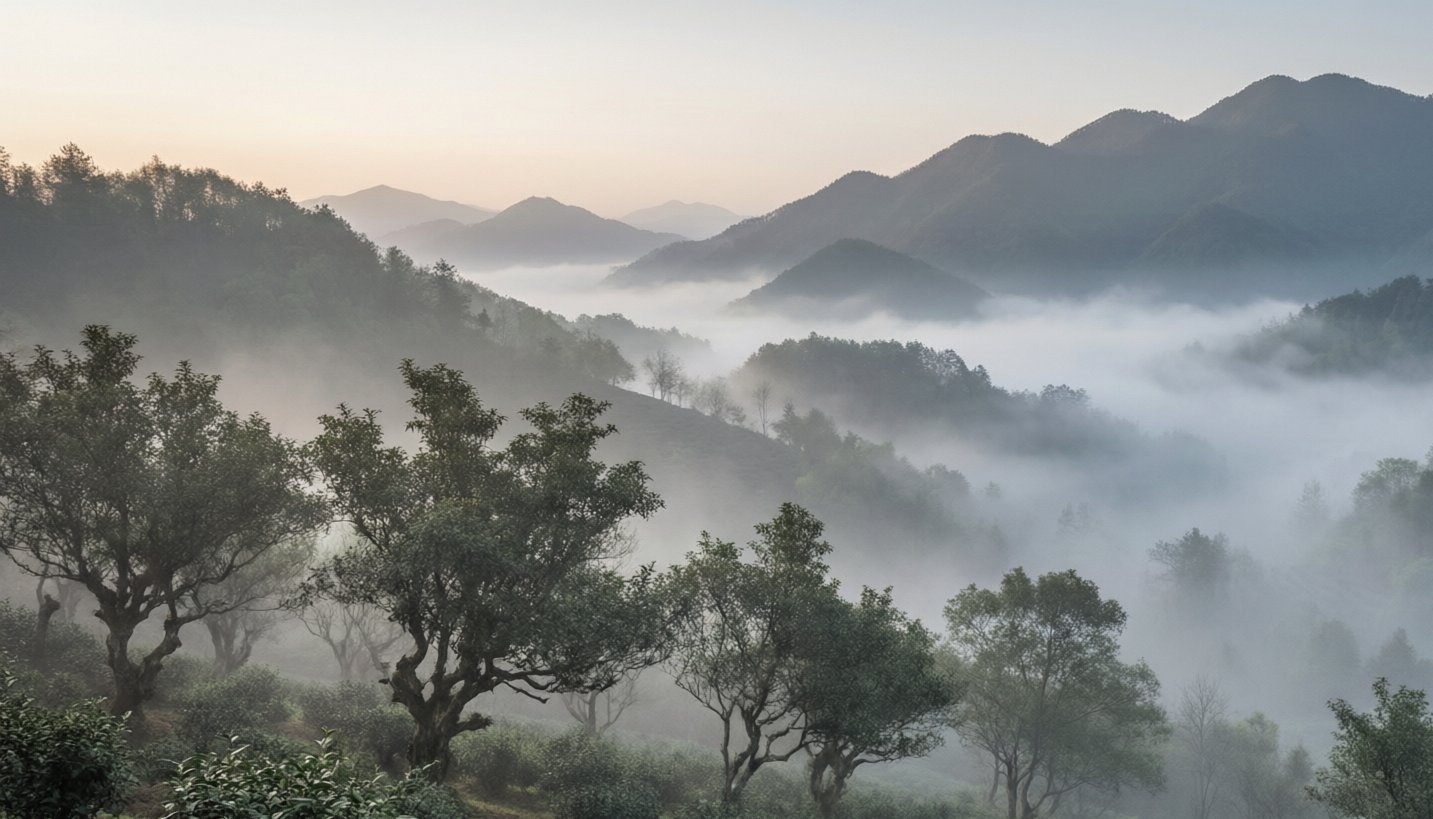
Where Ziyang Maojian Is Grown — and Why the Terroir Matters
Ziyang Maojian is produced in Ziyang County, Ankang City, in southern Shaanxi Province, close to the Sichuan and Chongqing borders. The county sits within the Qinba mountain system along the Han River, with tea gardens spread across middle-elevation slopes rather than flat plains [1]. This geography matters for three reasons: cool nighttime temperatures slow bud development and help preserve aroma precursors; frequent mountain fog raises humidity and reduces harsh sun stress; and the region’s mineral-rich soils, including natural selenium-bearing deposits, feed directly into the leaf.
Most tea areas market either altitude or tradition. Ziyang combines a continental mountain climate with a relatively high-mineral substrate. In practice, that tends to produce a cup that is sweet and clean rather than sharply grassy or aggressively astringent — the quality many buyers say separates it from more commercial green-tea lots.
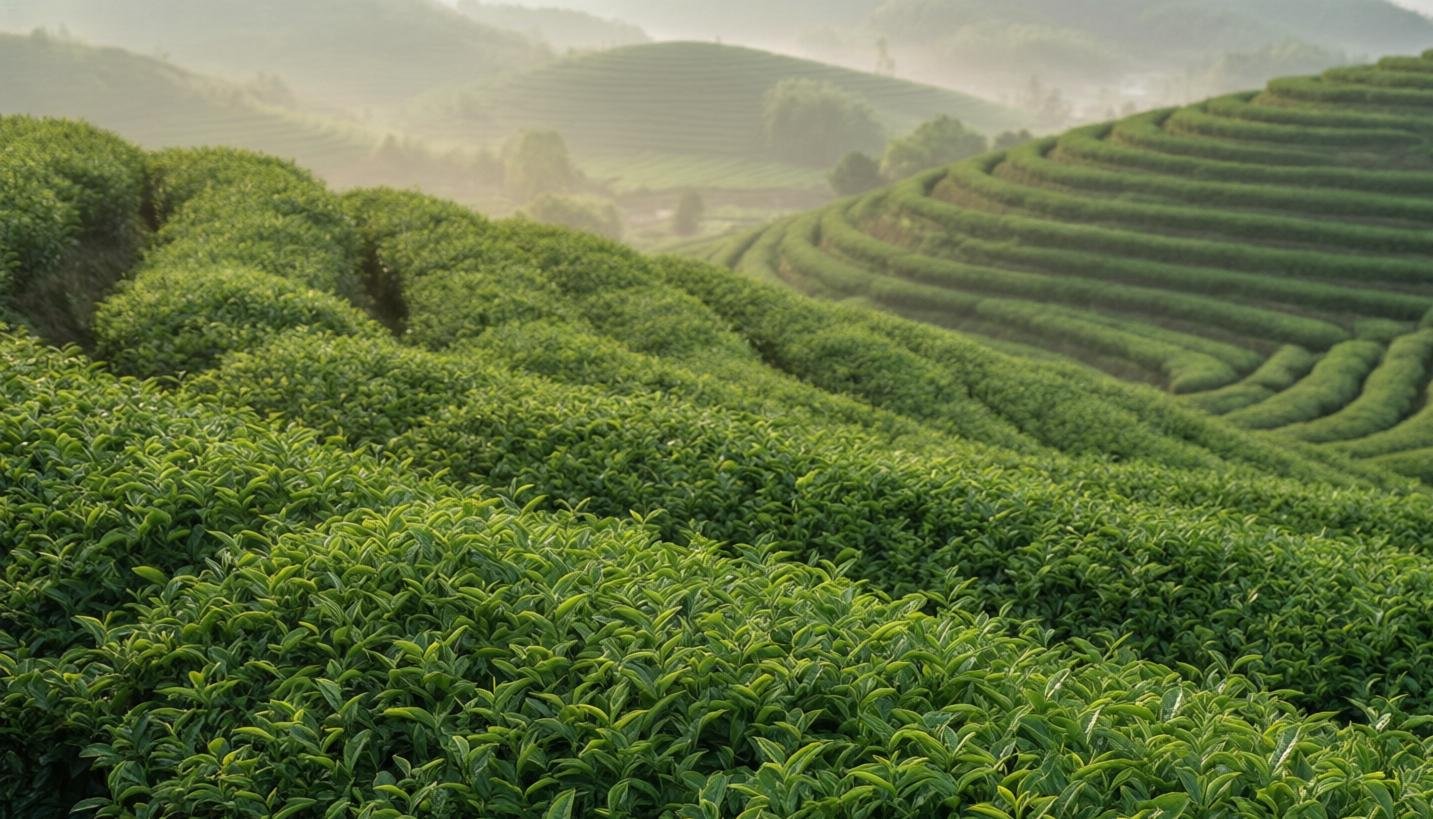
What “Maojian” Actually Means in Processing Terms
Maojian translates loosely to “hairy tip,” a reference to the fine white down on young tea buds. In green-tea production, the name signals a plucking and shaping style rather than a single cultivar. Typical Ziyang Maojian uses tender spring shoots — often a single bud or one bud with one young leaf — which are fixed, shaped into a tight, slightly curled form, and dried to lock in a rounded chestnut-and-vegetal aroma [2]. The result is a leaf that appears dark-green to grey-green with visible silver tips, rather than the flat, pale leaves of some pan-fired green teas.
Because Maojian leaves are relatively compact, they release flavor more gradually than fully open leaves. The best lots taste bright at the first infusion, soften in the middle, and finish sweet rather than metallic.
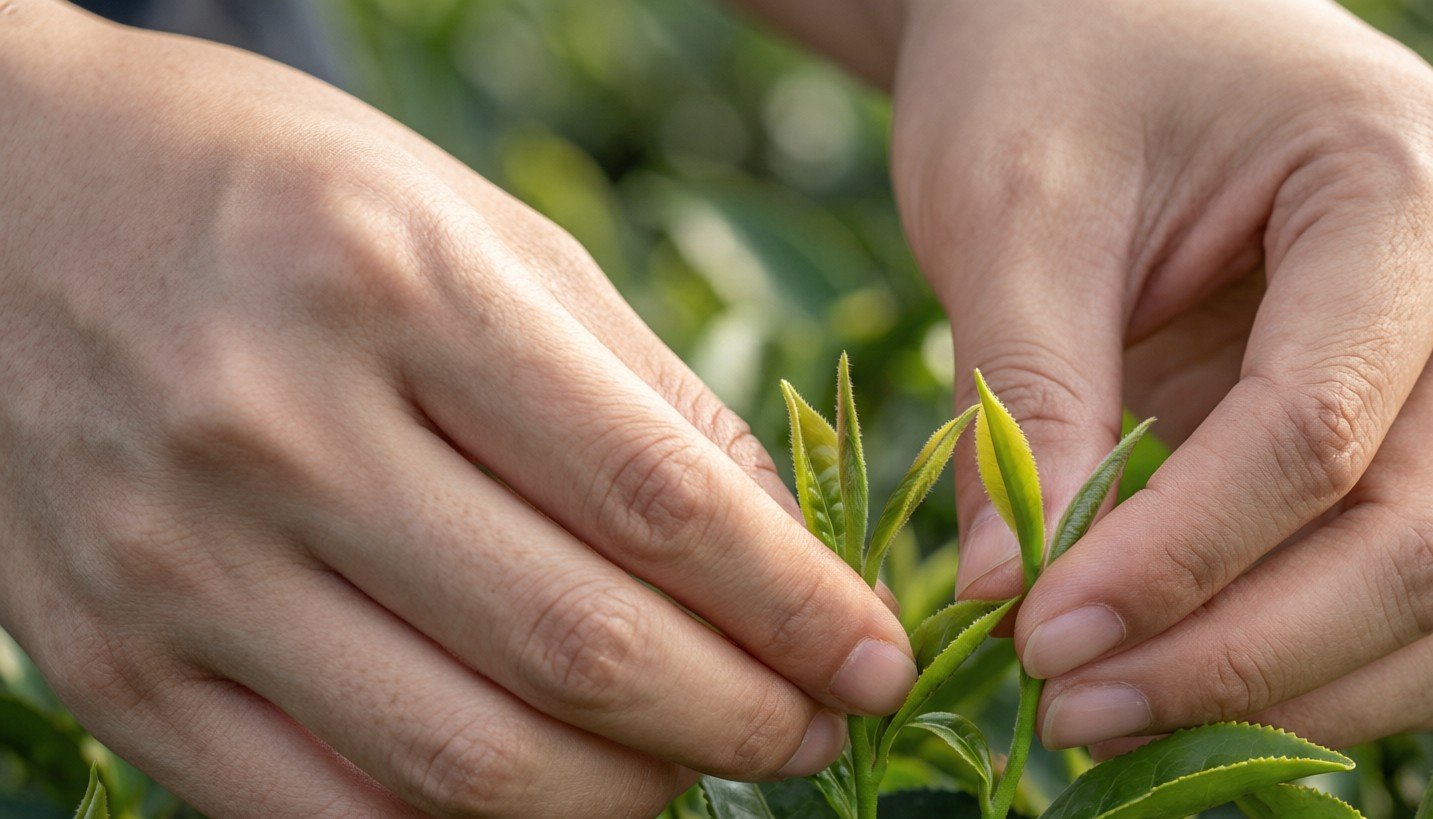
The Selenium Factor: Real Difference or Marketing Shortcut?
Ziyang is frequently positioned as a selenium-rich tea origin. Selenium is an essential trace element for human nutrition [3], and several studies have examined its role in antioxidant systems and thyroid function [4]. Some tea plants grown in the area naturally accumulate selenium in leaf tissue.
However, selenium concentration varies by garden, soil, harvest date, plucking standard, and processing temperature. Not every batch labeled “selenium-rich” carries the same meaningful level, and the claim should be verified rather than assumed. If your market requires selenium content on the label, ask for a current batch-level lab report covering the exact lot you are buying.
Sellers and buyers should therefore treat selenium as a verification point — not an automatic guarantee of quality or value.
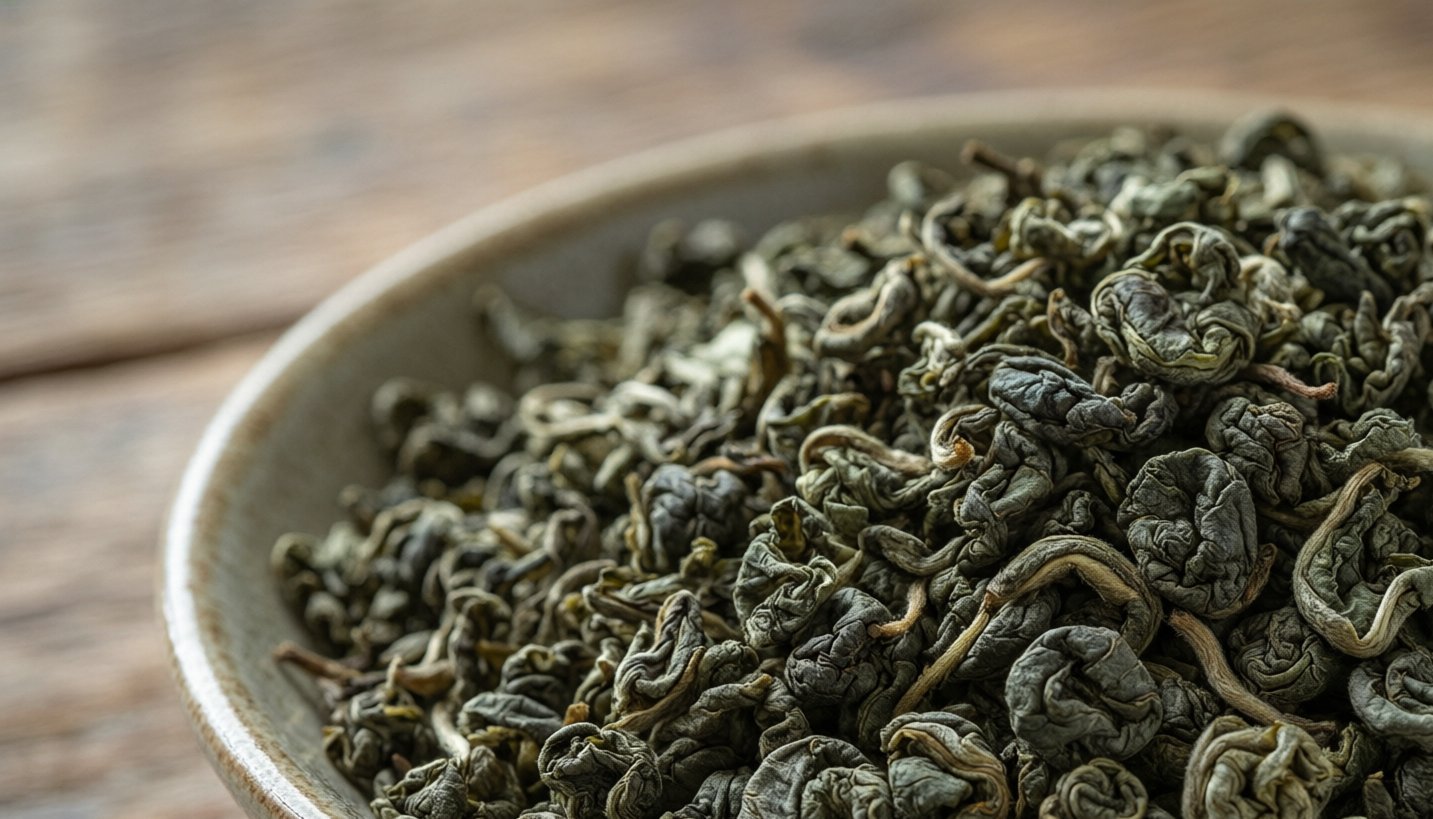
Flavor and Quality: What Ziyang Maojian Should Taste Like
This is a green tea built around sweetness and weight rather than aggressive vegetal sharpness. A well-made spring lot typically shows:
- Dry leaf: tightly curled, dark green to grey-green, with silver down tips
- Warm aroma: chestnut, fresh bean, and a faint mineral or light floral note
- Liquor: pale jade to bright greenish-yellow
- Taste: smooth, sweet aftertaste, low bitterness when brewed correctly
- Finish: clean, slightly cool, and long rather than drying
The grade affects both look and cup. A single-bud or one-bud-one-leaf lot tends to be softer and more aromatic, while a later-picked one-bud-two-leaves lot offers more body and a slightly stronger edge. This is why professional buyers cup three or four grades side by side before choosing a specification.

Ziyang Maojian vs. Other Maojian Teas
| Factor | Ziyang Maojian | Xinyang Maojian | Duyun Maojian |
|---|---|---|---|
| Origin | Southern Shaanxi, Qinba mountains | Henan, Dabie mountains | Guizhou, high-mountain areas |
| Signature cue | Mineral-sweet, softer chestnut finish | Sharper, more floral and brisk | Bright, vegetal, high-fresh lift |
| Typical body | Medium, rounded | Light to medium, lively | Medium, clean |
| Main positioning point | Selenium-rich soil, regional character | Aroma intensity and tradition | High-mountain freshness |
These are general tendencies rather than rigid rules — cultivar, harvest date, and firing can all shift the cup. But the comparison usually helps importers understand why Ziyang Maojian does not simply taste like “another Maojian.”
Sourcing Ziyang Maojian: A Practical Wholesale Checklist
If you are evaluating lots, use this short due-diligence list:
- Confirm the origin is Ziyang County, not a generic “Shaanxi green tea.”
- Ask for the plucking date and plucking standard.
- Request current pesticide and heavy-metal test reports, plus a selenium assay if that claim will appear on your label.
- Check moisture content, stem-to-leaf ratio, and broken-leaf percentage.
- Request a sealed reference sample and cup it against your target specification.
- Agree on packaging: nitrogen-flushed foil for high-grade lots, cartons or bulk formats for commodity grades.
A practical way to compare lots is to request a spring single-bud sample, a one-bud-one-leaf sample, and a later one-bud-two-leaves sample from the same garden. Cupping all three makes it easier to spot whether the premium grade is truly finer — or simply more expensive.
If you are evaluating Ziyang Maojian for wholesale, send your target grade, volume, destination market, and whether selenium content must appear on the label. The sourcing team can be reached directly at xuansc2144@gmail.com — include “Ziyang Maojian inquiry” in the subject line and we will respond with current lot options.
Source Ziyang Maojian Directly From a Reliable Chinese Supplier
Working with Chinese tea suppliers gives you a clearer path to origin-verified Ziyang Maojian, batch-level testing, and export-ready packaging. For current availability and a sample set, contact xuansc2144@gmail.com with your requirements. A useful inquiry should include origin confirmation, target grade, annual volume, packaging format, and destination market.
Frequently Asked Questions
Is Ziyang Maojian naturally high in selenium?
That depends on the garden, soil, season, and batch. Ziyang sits within a selenium-rich geological area, but actual leaf selenium levels vary. Ask for a batch-level lab report before making a selenium claim on packaging or marketing materials.
How should Ziyang Maojian be brewed?
Use water around 80–85°C (176–185°F), about 3 grams of leaf for 150 ml of water, and keep early infusions short — roughly 20 to 30 seconds. Glass, porcelain, or a gaiwan all work well. Lower water temperature helps preserve the tea’s sweet, chestnut-like finish.
What is the difference between Ziyang Maojian and Ziyang black tea?
They come from the same general origin, but processing separates them. Ziyang Maojian is a green tea with minimal oxidation and a fresh, nutty profile. Ziyang black tea is fully oxidized, producing a darker, maltier, more honeyed cup.
How can I verify Ziyang Maojian authenticity?
Ask for regional origin or geographical indication documentation, batch lot records, and current quality/selenium test reports. The most reliable check is still to cup a physical sample before committing to volume.
References
[1] Ankang Municipal People’s Government. Ziyang Selenium-Rich Tea Regional Profile. 2023.
[2] Tea Research Institute, Chinese Academy of Agricultural Sciences. Green Tea Processing Styles and Quality Evaluation. 2020.
[3] National Institutes of Health. Selenium: Fact Sheet for Health Professionals. 2021. https://ods.od.nih.gov/factsheets/Selenium-HealthProfessional/
[4] Rayman MP. Selenium and human health. The Lancet. 2012;379(9822):1256–1268. https://doi.org/10.1016/S0140-6736(11)61452-9
No author description available.

白玉京