What Hunan Dark Tea Really Is: Key Differences From Pu-erh
Most Western buyers lump Hunan dark tea into the same mental bucket as Pu-erh, and that is exactly where sourcing mistakes begin. Hunan dark tea is a post-fermented tea with its own raw-material base, its own microbial character, and its own pressing traditions. Calling it “black tea” adds another layer of confusion, because Chinese red tea is what English speakers know as black tea. This guide explains where Hunan dark tea actually fits, how it differs from Pu-erh and other hei cha, and what to check before you buy.

Where Hunan Dark Tea Fits in the Tea Family
Before comparing regions, it helps to fix one language problem. In Chinese tea classification, red tea is what Western buyers call black tea; hei cha, or dark tea, is a separate post-fermented category [2]. Hunan dark tea is one of China’s major hei cha traditions, centered in Anhua County and the wider Yiyang area, with forms ranging from loose san jian grades to compressed logs and bricks. If you have only bought Pu-erh, the first shift is simple: not every dark tea is Pu-erh, and not every post-fermented tea behaves the same way in storage or in the cup.
The Hunan Dark Tea Family at a Glance
Hunan dark tea is not a single product. It is a family of formats built around the same basic processing and aging logic.
| Format | Shape | Fermentation Character | Buyer Notes |
|---|---|---|---|
| San Jian: Tian Jian, Gong Jian, Sheng Jian | Loose or lightly compressed | Pile-fermented with clean, rounded character | Good category introduction; grades reflect leaf refinement |
| Fu Zhuan, or Fu Brick | Rectangular brick | Controlled golden-flower fermentation | Look for even distribution of yellow-brown flowers; surface mold is a defect |
| Hei Zhuan and Hua Zhuan | Compressed bricks | Pressed styles with woody, herbal profile | Steady, often lower-cost dark tea options |
| Qian Liang, Bai Liang, Shi Liang | Cylindrical logs | Bamboo-basket compression with slow internal aging | Larger format suited to aging and portioning |
These formats can carry very different price and quality expectations, even though they all fall under the Hunan dark tea umbrella.
Hunan Dark Tea vs Pu-erh: The Core Differences
The fastest way to understand Hunan dark tea is to put it beside Pu-erh, because buyers constantly confuse them.
| Factor | Hunan Dark Tea | Yunnan Pu-erh |
|---|---|---|
| Core origin | Anhua and Yiyang area, Hunan | Pu-erh, Lincang, Xishuangbanna, and surrounding Yunnan regions |
| Leaf base | Small-to-medium leaf cultivars | Large-leaf assamica varieties |
| Fermentation path | Pile fermentation, with some formats later flowered | Sheng ages slowly over years; shou uses accelerated wet-piling |
| Main shapes | Bricks, logs, loose san jian | Cakes, bricks, tuos, loose leaf |
| Typical aged aroma | Pine smoke, herbs, aged wood, golden-flower sweetness | Young sheng floral and bitter; aged sheng camphor and dried fruit; shou woody and earthy-sweet |
| Aging direction | Rounds out smoky bite into woody, medicinal sweetness | Deepens body and develops layered retro-nasal complexity |
Neither category is a substitute for the other. The material, microclimate, pressing method, and aging behavior all pull in different directions.
How It Differs From Other Hei Cha
Pu-erh is only one reference point. China has several dark tea traditions, and Hunan dark tea should be positioned against them.
- Liu Bao from Guangxi is historically basket-packed and often develops a betel-nut or aged rice note after storage. Its leaf base and regional microbes give it a distinct identity.
- Sichuan dark tea includes Ya’an-area border tea styles that are often stem-rich and pressed for practical transport.
- Hubei Qing Zhuan tends toward a firmer smoke profile and traditional slab compression.
Hunan’s signature is the Anhua leaf base combined with two traditions buyers notice quickly: the golden-flower fermentation of fu brick and the large cylindrical pressing of qian liang tea.
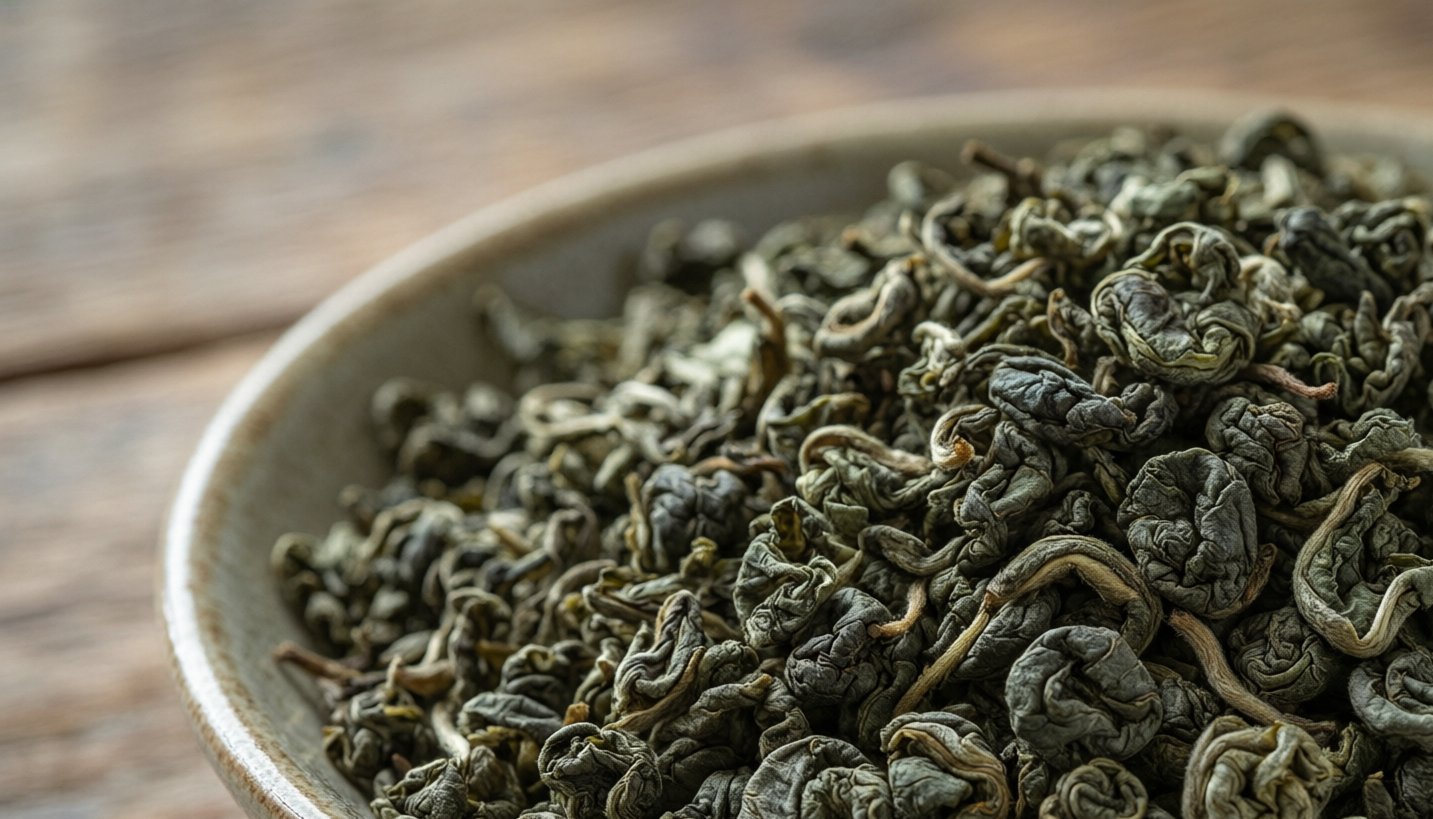
Processing: Fermentation Is Not a Failure
The word “fermentation” makes some buyers nervous, as if the tea has gone bad. In Hunan dark tea, fermentation is a controlled production stage.
- Fixation stops initial leaf oxidation and locks the material into a dark-tea path.
- Rolling shapes the leaf and prepares it for even treatment.
- Pile fermentation uses moisture and heat to encourage microbial activity that transforms the leaf.
- Drying stabilizes the material; some styles are dried with a pine-fire platform for a smoky edge.
- Pressing and aging give the tea its final shape and allow it to mellow.
Fu brick takes this further. Under controlled conditions, the brick develops a population of Eurotium cristatum, commonly called golden flowers [1]. This is deliberate inoculation and management, not random spoilage.
Myths That Change What You Buy
Several assumptions push buyers into the wrong lot.
- “All dark tea is Pu-erh.” Wrong. Hunan dark tea has different origin rules, cultivars, and pressing traditions.
- “Golden flowers are mold.” Wrong. Eurotium cristatum is a controlled fermentation marker in correct fu brick.
- “Stronger earthy flavor means better age.” Not necessarily. Drain-stink or sour sharpness is a fault, not proof of age.
- “Hunan dark tea is just cheap Pu-erh.” It is a separate category with premium aged and large-format products of its own.
Correcting these assumptions before buying reduces the chance of paying for a story instead of the tea.
Buying Checklist for Importers and Wholesale Buyers
When evaluating Hunan dark tea, the physical sample tells you more than the label.
- Confirm the specific origin, not just “Hunan.”
- Match the format to your market: loose san jian for accessible retail, fu brick for a functional and visual story, qian liang for aging or portioned gifting.
- Inspect fu brick golden flowers for even color; reject white, green, or fluffy surface growth.
- Check compression quality on logs and bricks. Even compression helps long-term storage.
- Smell the tea before brewing. The nose should be clean, not sharply sour, fishy, or musty.
- Cup a sample the way your customer will brew it, not only in a producer’s preferred method.
For example, a buyer entering dark tea for the first time often starts with fu brick because the golden-flower story is easy to explain to Western consumers, then adds aged qian liang once the customer base understands the category.
Before You Lock a Lot, Ask the Supplier the Right Questions
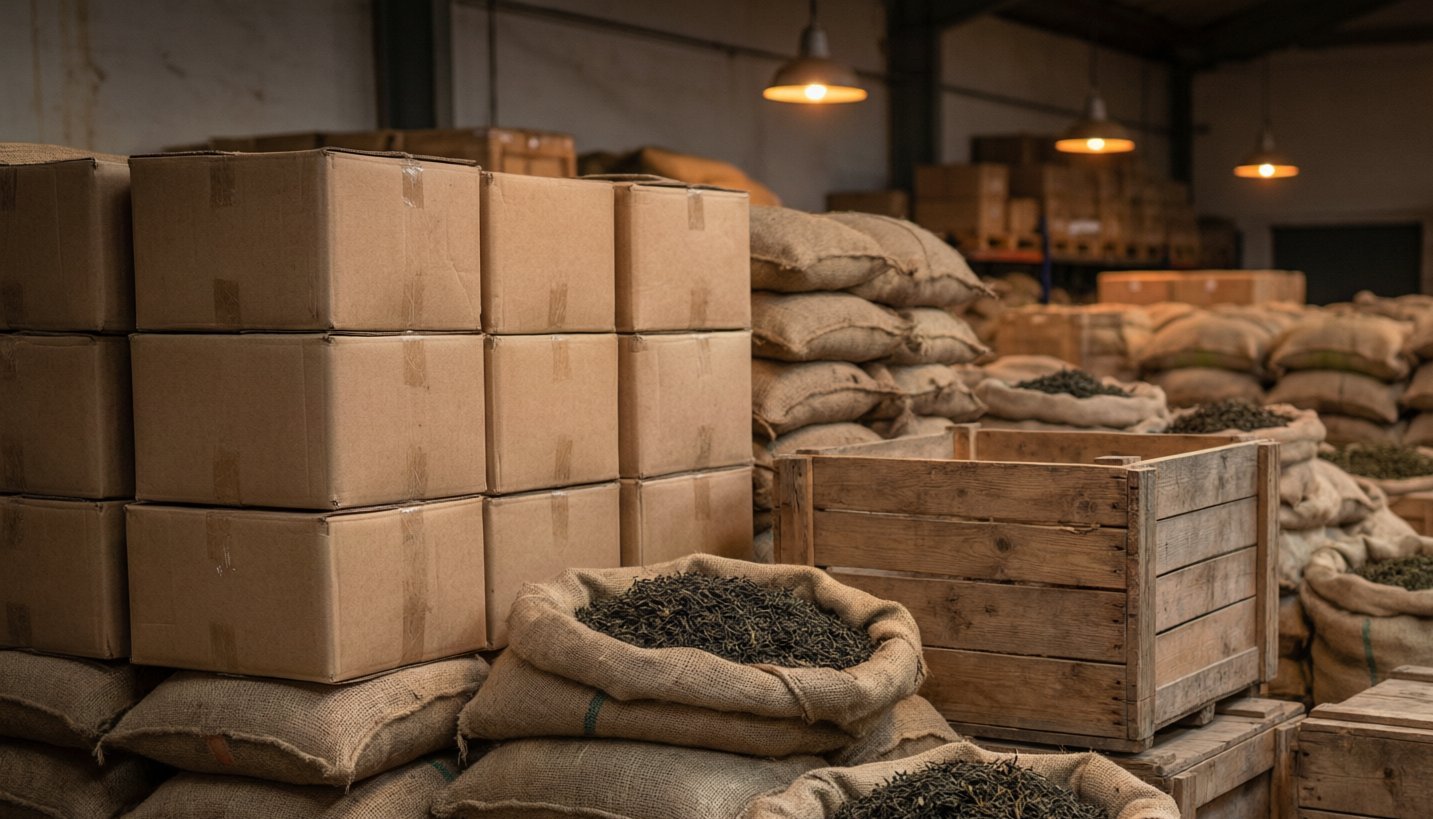
Dark tea defects are easier to hide in a compressed format than in a clear green-tea leaf. A reliable Hunan dark tea supplier should be able to tell you the specific grade, production area, storage environment, and whether the lot has rested after fermentation. We supply Chinese tea buyers with Anhua dark tea in bulk, private-label, and aged formats. Contact us at 427728483@qq.com with your target format, volume, and market; we will recommend only lots that fit your positioning instead of pushing whatever is already in the warehouse.
Brewing Hunan Dark Tea Without Masking It
Use near-boiling water for most Hunan dark tea, especially compressed pieces. A short rinse wakes up the surface, then start with brief infusions and lengthen them as the leaves open. In a gaiwan, a slightly higher leaf-to-water ratio than green tea works because these teas are built for repeated steeps.
For older qian liang or hei zhuan, break along the leaf layer to limit dust. If a compressed tea tastes sharply bitter, reduce the leaf load or shorten the steep before blaming the lot. A clean Hunan dark tea should taste smooth fairly early in the session, with smoke and wood notes that settle rather than dominate.
Source Hunan Dark Tea With the Right Level of Specificity
Whether you are building a specialty retail line, a private-label Chinese tea brand, or a bulk foodservice program, the most useful supplier conversation starts with the format, grade, aging, and storage history you need. Contact Chinese tea suppliers at 427728483@qq.com and tell us your market, volume, and packaging plan. We will walk you through current Anhua dark tea options, arrange samples, and provide the harvest and storage details you need before you commit.
FAQ
Is Hunan dark tea the same as black tea?
No. In Chinese tea classification, black tea is called red tea. Hunan dark tea is a post-fermented hei cha, made through a different processing path with microbial fermentation after fixation.
What makes fu brick different from other Hunan dark tea?
Fu brick is a compressed brick that develops golden flowers, colonies of Eurotium cristatum, during controlled fermentation [1]. This gives the tea a distinctive sweet, slightly fungal nose that other Hunan dark tea formats do not usually carry.
Does Hunan dark tea improve with age?
Most Hunan dark tea is designed to mellow with time. The smoke and rough edges soften, and the tea becomes rounder and more woody-sweet. Clean storage still matters more than age alone.
Are golden flowers safe?
Yes. In proper fu brick, golden flowers are a controlled fermentation marker. The warning sign is surface mold that is white, green, fluffy, or sharply musty rather than the evenly distributed yellow-brown population expected in fu brick.
Can you brew Hunan dark tea like Pu-erh?
Mostly yes. Near-boiling water, a short rinse, and repeated short infusions work well for both. The main difference is format: large logs and bricks require careful breaking, while loose san jian behaves more like loose Pu-erh.
How should I store Hunan dark tea?
Store it like other dark tea: cool, dry-but-not-dessicated, ventilated, and away from strong odors. Avoid sealing an actively aging piece in oxygen-proof packaging, because it still needs moderate air exchange.
References
[1] National Standard of the People’s Republic of China, GB/T 9833.3, Fu Brick Tea.
[2] ISO 20715:2023, Tea — Classification of Tea Types, International Organization for Standardization.
No author description available.

白玉京