Duyun Maojian Tea Pricing: Why This Guizhou Green Tea Costs More
Duyun Maojian is a high-elevation green tea from Duyun, Guizhou, in southwestern China. It is known for its tight, slightly curled leaves, visible silvery down, and a clean, nutty-vegetal cup with a soft aftertaste. For importers and wholesale buyers, however, the more useful way to understand this tea is through its pricing structure: a narrow spring picking window, strict leaf standards, manual processing, and formal origin protection all push cost up before the tea ever leaves the producing area.
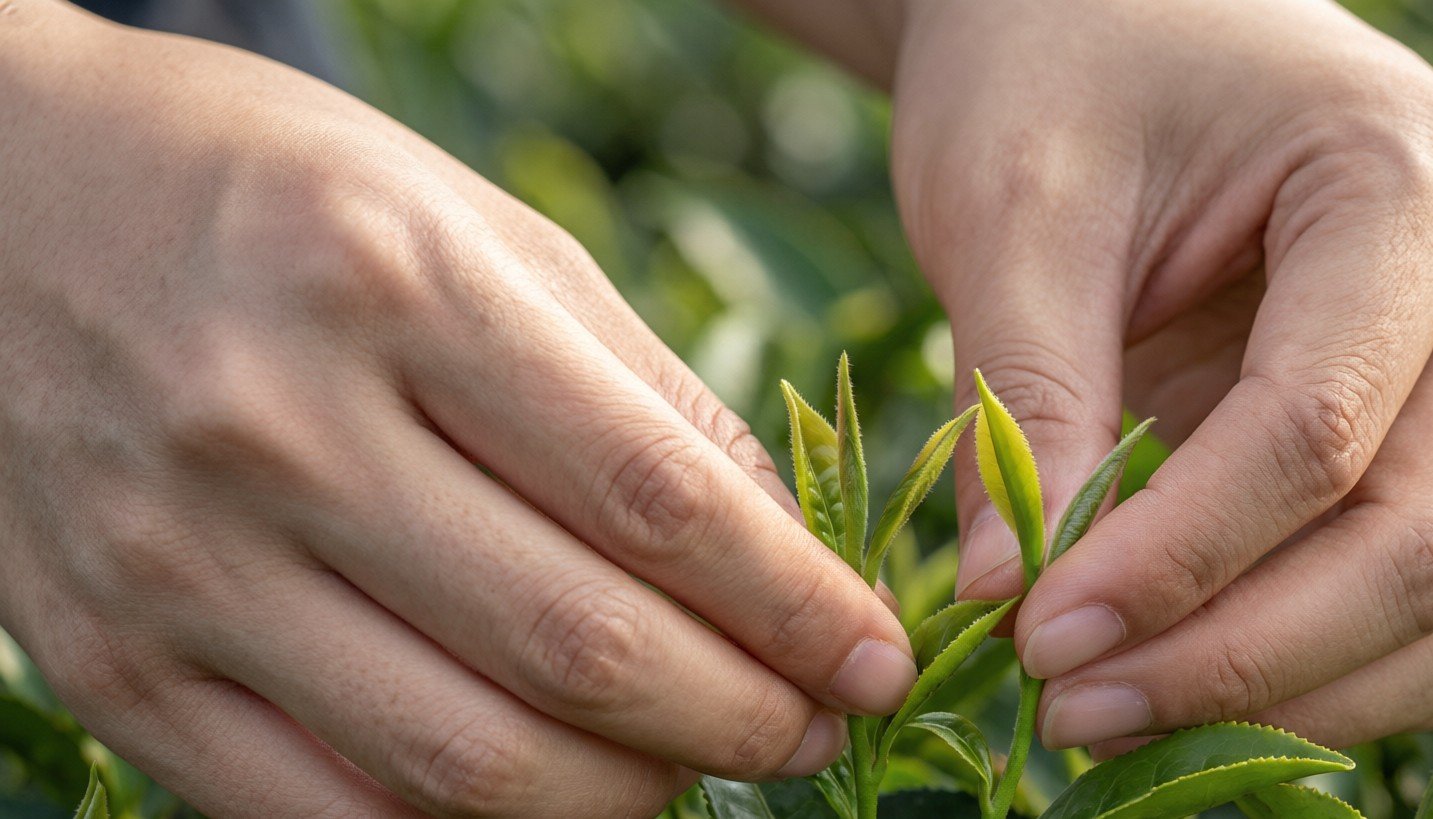
What Duyun Maojian Tea Actually Is
Duyun Maojian is a protected-origin green tea made in the Duyun area of Qiannan Buyi and Miao Autonomous Prefecture in Guizhou Province. The name is literal: “Duyun” refers to the place, while “maojian” points to the fine, downy tips of the young buds and leaves. Authentic examples are processed into thin, slightly curled strips with a silver-green appearance and strong bud presence.
Because Duyun Maojian is geographically specific and governed by defined quality rules, it is graded rather than sold as a single house style. The geographical indication specification describes the picking standard, leaf shape, and physical appearance required for protected product [1]. This matters for pricing because “Maojian” by itself is not a controlled term. Top grades are often one bud or one bud with one leaf, while lower grades include more mature leaf and are substantially less expensive.
A Narrow Harvest Window and a Small Production Base
The most expensive Duyun Maojian material comes from early spring growth, usually the first flush before or around Qingming. Cool high-mountain temperatures slow the growth of the buds, which concentrates amino acids and reduces harsh astringency. But that same slow growth limits the amount of leaf that becomes ready during the most valuable part of the season.
Duyun's tea gardens are largely hilly or mountainous, so mechanical harvesting is less practical on the best slopes. The choicest lots are therefore picked by hand over a short period. Later flushes are more abundant and less costly, but they cannot match the early-spring aroma, texture, or sweetness. A supplier should be able to state the harvest window. When a seller cannot identify it, the tea is often a blend of spring and late-season material rather than a defined lot.
Handmade Processing That Cannot Be Fully Mechanized
The price of Duyun Maojian continues to build after harvest. Its signature shape is not decorative; it comes from repeated firing, rolling, and shaping by hand. The leaves are withered, then pan-fired to stop oxidation, then carefully rolled and twisted into their tight, slightly curled form before drying [1]. Each step affects the final aroma, the color of the dry leaf, and the tea’s ability to hold up over multiple infusions.
Machines can approximate the shape, but high-end material is usually finished by experienced makers who adjust heat and pressure by feel. That is labor-intensive work in a product with a limited seasonal window. It is also why two lots with the same nominal leaf grade can be priced differently: sorting cleanliness, firing precision, and handling skill all show up in the cup.
Grading, Origin Protection, and Market Demand
Duyun Maojian has formal origin protection in China, which restricts the protected name to tea produced within the defined area and made to the required specification [2]. That protection helps buyers avoid the worst substitution, but it also limits the volume that can legitimately be sold as Duyun Maojian.
Inside the appellation, there is still a wide quality ladder. Higher grades use more buds, earlier picking, and cleaner sorting. Premium Duyun Maojian also competes with well-known green teas such as Longjing and Biluochun for spring gifting and high-end retail accounts. Strong domestic demand absorbs much of the best material before export, which keeps authentic first-flush lots scarce in wholesale channels.
This does not mean every Duyun Maojian must be expensive. It means a buyer should understand which part of the ladder is being offered: core or extended production area, early or later flush, and bud-heavy or leaf-heavy grade.
How to Read Duyun Maojian Pricing as a Wholesale Buyer
The best way to compare offers is to put them on the same specification. Ask for these details:
- Harvest date — early spring commands a premium; late spring and summer lots are lower cost.
- Leaf standard — one bud, one bud and one leaf, or coarser grades. Request a photo and dry-leaf close-up.
- Production area — core Duyun gardens versus wider Guizhou green tea sold under a similar description.
- Processing method — fully handmade, semi-handmade, or machine-finished. Hand-finished lots usually show a cleaner, longer finish.
- Sensory report — fresh chestnut, bean, or light floral notes with low bitterness, clear liquor, and a sweet aftertaste.
| Variable | What to ask | Why it matters |
|---|---|---|
| Harvest | Exact picking date or spring flush | Timing is the largest price driver |
| Leaf grade | Bud-to-leaf ratio and sorting standard | Determines raw material class |
| Origin | Core or extended Duyun production zone | Controls authenticity and supply |
| Processing | Manual shaping versus machine finishing | Explains the labor share of price |
If you are comparing Duyun Maojian lots for the first time, write to us at 427728483@qq.com with your target grade, order volume, and destination port. We will respond with current harvest availability, cupping notes, and a sample plan for the grade you actually need.
Source Duyun Maojian Tea Directly
For importers, the practical goal is not always to find the cheapest lot. It is to find the correct grade for the intended retail channel or product format. A bud-heavy first flush works well for premium loose-leaf retail and gifting, while a clean late-spring grade can serve high-quality tea bags, foodservice, or blending.
Send your specification by email to 427728483@qq.com. Include:
- Grade and leaf standard
- Volume and packaging format
- Harvest window or price target
- Destination port and required documents
We work as a Chinese tea supplier and can align the lot, grade, and harvest timing before sampling begins.
Frequently Asked Questions
Is Duyun Maojian always expensive?
No. The most expensive examples are early-spring, bud-heavy, handmade lots. Later flushes, coarser leaf grades, and machine-finished teas are available at more moderate wholesale prices. The key is to specify the grade instead of assuming all Duyun Maojian carries the same premium.
What grade should a first-time wholesale buyer choose?
Many first-time buyers start with a clean one-bud-one-leaf spring lot. It offers the recognizable Duyun Maojian character without the extreme cost of pure-bud pre-Qingming tea. If the end use is blending or foodservice, a clean late-spring leaf grade may be sufficient.
How can I verify authentic Duyun Maojian?
Ask for the production area, harvest date, and the supplier’s inspection or cupping report. Genuine protected-origin product should be traceable to Duyun, not merely labeled “Maojian” or “Guizhou green tea.” Request a physical sample and compare leaf shape, down coverage, liquor clarity, and aftertaste before committing to a larger order.
Does Duyun Maojian improve with age?
It is a green tea and does not follow the aging pattern of fermented teas. Fresh stock from the current or previous harvest year is preferable. Over time, aroma and brightness fade, so inventory rotation matters more than holding for appreciation.
References
- National Standard of the People's Republic of China. GB/T 19460-2008, Product of geographical indication—Duyun Maojian tea.
- China National Intellectual Property Administration. Protected geographical indication product: Duyun Maojian tea.
No author description available.

白玉京