Sun Moon Lake Black Tea Pricing: What Buyers Really Pay in 2026
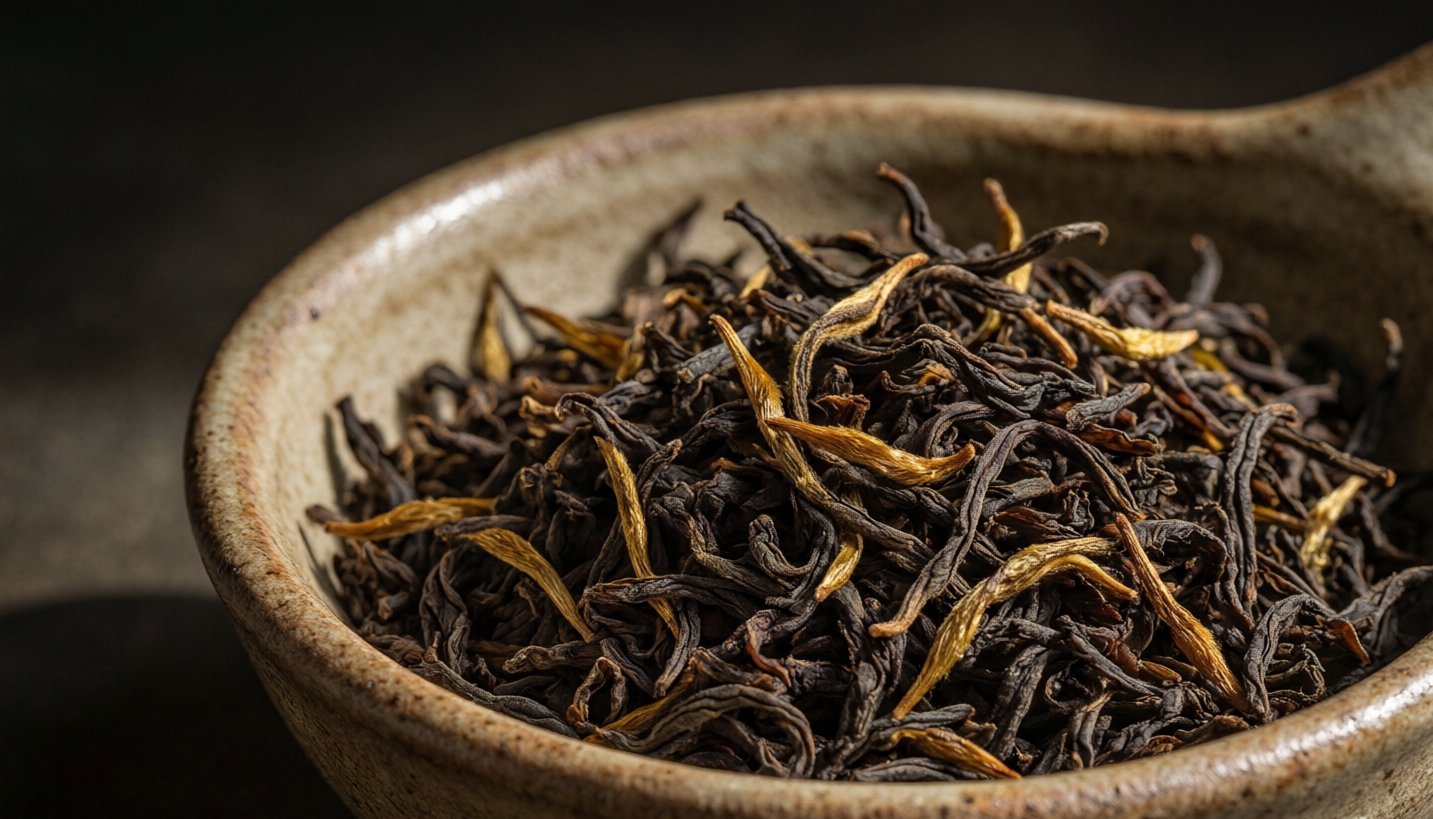
If you are sourcing Sun Moon Lake black tea, the first quote you receive is rarely the price you should anchor to. This small region around Nantou County produces everything from workhorse black tea for milk tea and RTD products to some of Taiwan’s most expensive specialty lots. The best-known name is Taiwan Tea No. 18, usually called Ruby Red 18 or Hong Yu, a hybrid released by Taiwan’s Tea Research and Extension Station and prized for its mint, cinnamon, and camphor notes [1].
1. Why Sun Moon Lake Black Tea Prices Cover Such a Wide Range
Two very different products can both legitimately be sold as “Sun Moon Lake black tea.” One is large-batch machine-harvest tea for blended applications; the other is hand-picked, single-estate Ruby Red 18 for specialty retail. The price spread between them is not weak negotiation. It is mostly a difference in raw leaf cost, plucking standard, sorting precision, and processing control.
Taiwan tea production is relatively small by global standards, and black tea accounts for a modest share of the island’s total output compared with oolong and green tea. Production remains concentrated around Sun Moon Lake and a limited group of factories, which means high-quality lots do not flood the market during ordinary demand swings [2].
That is why a serious buyer should compare quotes by specification, not by the phrase “Sun Moon Lake black tea” alone.
2. What Buyers Actually Pay: 2026 Price Bands
The following bands reflect the quote ranges our sourcing team commonly sees for FOB Taiwan lots. They are not retail prices and do not include freight, duty, inspection, repacking, or destination warehousing.
| Grade / lot type | Typical plucking standard | FOB Taiwan quote range (USD/kg) | Best fit |
|---|---|---|---|
| Machine-harvest blend, broken leaf | Mechanical, mixed cultivar | 18–35 | RTD, milk tea, teabag programs |
| Standard Ruby Red 18, OP/BOP cut | Machine or mixed fine plucking | 35–70 | Hotels, loose-leaf foodservice |
| Hand-picked Ruby Red 18, main harvest | Bud + two leaves | 70–140 | Specialty retail, private label |
| Single-estate, higher-altitude, or organic | Bud + two leaves, selective | 120–260 | High-end tea shops, signature lines |
| Competition-grade or award-winning lots | Strict bud set, repeated hand sorting | 200–500+ | Gift boxes, limited releases |
Leaf-grade terms vary by factory, so ask the supplier to define the plucking standard and cut against a clear written specification. A useful reference point is ISO 3720, which sets basic requirements for black tea quality and helps you reject lots with obvious stalk, fiber, or foreign-matter problems before they leave the factory [3].
3. Cost Drivers Hidden in a Quote
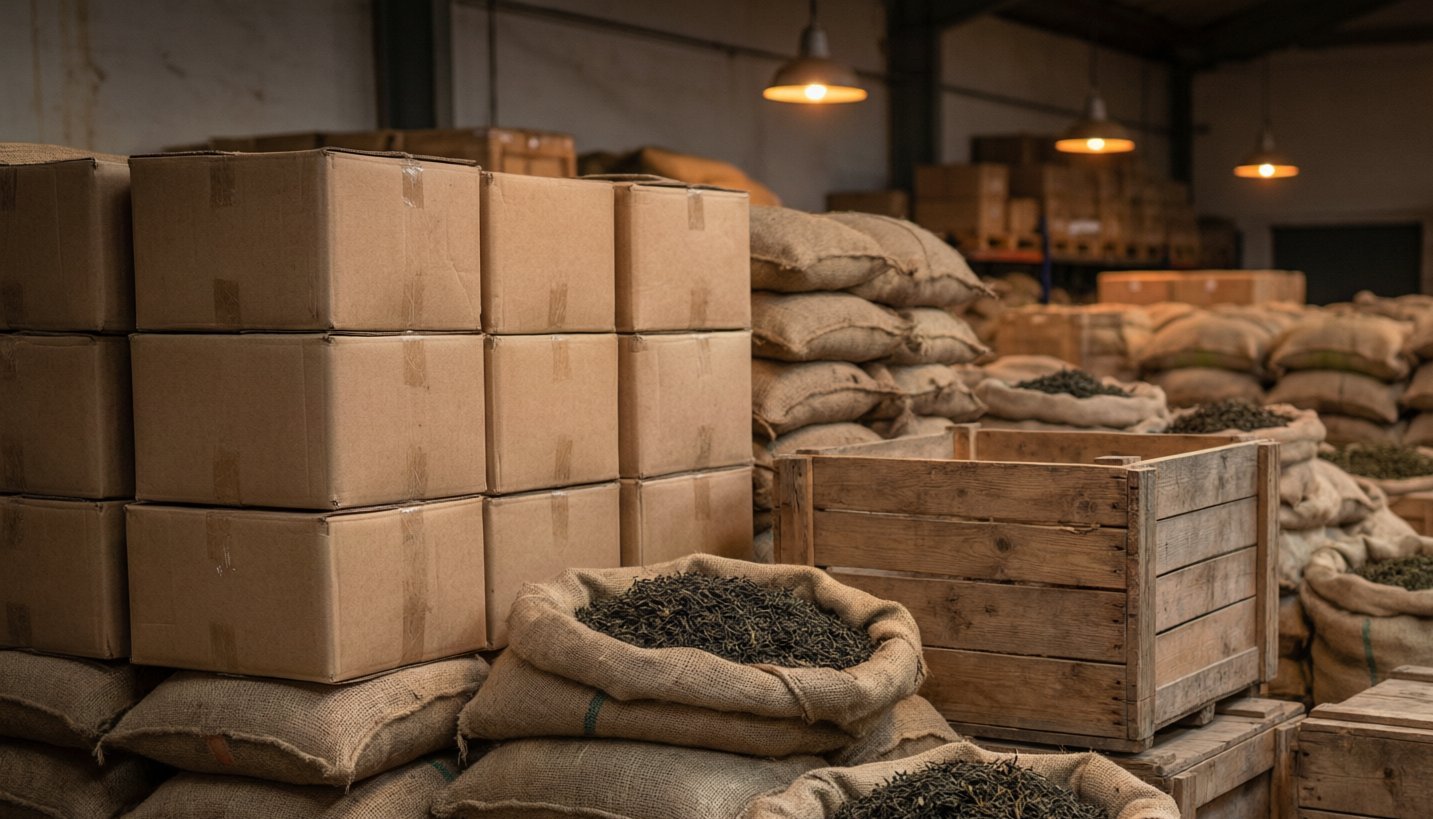
A lower price may simply be a different product, not a better deal. The main cost drivers to ask about are:
- Cultivar identity: Authentic Ruby Red 18 commands more than generic Sun Moon Lake Assam-type tea.
- Plucking and sorting: Hand-picked, bud-set lots cost more than mixed leaf with stem and broken pieces.
- Harvest window: Main-flush leaf is often more delicate and expensive than late-summer leaf.
- Elevation and garden management: Higher, well-managed plots tend to yield smaller volume but more concentrated flavor.
- Moisture and defect control: Re-dried, clean lots reduce spoilage claims but add handling cost.
- Certification and testing: Organic certification, EU MRL pesticide tests, and heavy-metal reports add documentation cost.
- Packaging and order size: Bulk cartons cost less per kg than retail-ready tins, pouches, or sachets.
- Currency movement: Taiwan dollar swings can shift FOB quotes by several percentage points between order and shipment.
Taiwan’s tea sector is positioned as a premium origin relative to large commodity exporters, and export reporting consistently frames Taiwanese teas as value-added products rather than bulk substitutes [4]. That matters when you benchmark Sun Moon Lake against cheaper black teas from other origins.
Get an apples-to-apples quote
Send the same specification to every supplier: cultivar, harvest date or season, plucking standard, leaf grade, moisture limit, packaging, target quantity, and destination port. If you want a price-comparison template for Ruby Red 18 or a house Sun Moon Lake blend, email 427728483@qq.com with your target quantity and destination. Our sourcing desk will line up FOB and landed-cost comparisons in the same format.
4. Why Harvest Timing Moves the Quote
Sun Moon Lake black tea pricing follows the production calendar more than most buyers expect. Spring plucks after winter dormancy tend to be more aromatic and cleaner in finish, so early lots often carry a premium. Summer and early-autumn leaf can still make very good black tea, especially for fuller-bodied or milk-tea applications, and it often comes at a more efficient price.
Global tea market reports show that seasonal supply and weather events continue to create short-term price pressure across origins, including Taiwan [5]. For importers, that means two things: pre-ordering before the main spring flush can secure better lot selection, and waiting until late in the cycle can produce lower prices but fewer choices.
For 2026, request the factory’s harvest calendar when you request a quote. Ask whether the lot is spring, summer, or blended across harvests. Blends can be consistent, but they should not be priced like single-season leaf.
5. How to Compare Supplier Quotes Without Overpaying
Most overpaying happens when buyers compare only the FOB number. A precise comparison should use landed cost per kg, not the price on the proforma invoice. To do that, collect the same details from every supplier:
- Exact cultivar, lot number, and harvest date
- Moisture content and defect tolerance
- Leaf grade and cut specification
- Pesticide-residue and heavy-metal test reports
- Packaging format and carton dimensions
- Incoterms, port of loading, and freight mode
- Certificate of origin, phytosanitary certificate, and invoice terms
Once those are aligned, calculate delivered cost per kg at your warehouse. That is the only number worth comparing.
Also request a physical cupping set before committing to a full container. Two lots can have identical paperwork and very different cup character. A consistent cupping record over multiple production dates gives you more protection than a single impressive sample.
6. Buy Sun Moon Lake Black Tea with Confidence
The right price is not the lowest quote. It is the quote with a spec intact: confirmed cultivar, clean leaf, stable moisture, honest lot dating, test reports that match your market’s food-safety requirements, and packaging that survives transport.
If you are evaluating Ruby Red 18 lots, house Sun Moon Lake blends, or private-label black tea from Taiwan, make the comparison with real landed numbers. For a set of comparable FOB and CIF quotes, email 427728483@qq.com with the subject line “Sun Moon Lake pricing,” and include your target quantity, destination port, and preferred packaging format. A clear spec saves more money than aggressive price negotiation.
FAQ
What is a realistic wholesale price for Ruby Red No. 18?
Most functional wholesale lots settle between about USD 70 and USD 140 per kg FOB Taiwan for hand-picked main-harvest leaf. Machine-harvest or blended lots can sit far below that, while single-estate, organic, or competition-grade lots can exceed USD 200 per kg. The spread is normal because the leaf standard differs sharply.
Why are prices for “Sun Moon Lake black tea” sometimes so different?
The name is not a grade. One lot may be machine-harvest mixed-cultivar tea for teabags, while another may be hand-picked Ruby Red 18 from a named estate. Cultivar, plucking, sorting, elevation, harvest date, and testing all move the price before packaging is considered.
Is higher elevation always worth paying for?
Not automatically. Higher-elevation leaf often has a more refined aroma and lighter astringency, but it also produces less volume. If you are making milk tea or RTD products, a well-made lower-elevation summer lot can offer better value and a more robust body.
What should I ask for before I compare two quotes?
Ask for the cultivar, lot number, harvest date, plucking standard, moisture limit, leaf grade, defect tolerance, pesticide-residue and heavy-metal reports, packaging format, Incoterms, and a cupping sample. Convert both offers into landed cost per kg before deciding.
Does organic certification add a lot to the price?
It can add a meaningful premium because organic management reduces yield and testing adds documentation cost. The premium is easier to justify in specialty retail than in high-volume commodity programs. Ask what the certification actually covers and request the certificate number.
When is the best time to buy for the best price-to-quality ratio?
For the best selection, buy or pre-order around the spring flush before the main production window tightens. For the lowest cost, late-season and larger blended lots are usually less expensive, but the available leaf standard may be broader and less delicate.
Do prices include shipping, packaging, and customs?
Usually not. FOB quotes cover the goods loaded at the origin port. Ocean or air freight, insurance, import duty, customs clearance, and destination warehousing are typically separate. Always ask whether a quote is FOB, CIF, DAP, or another Incoterm.
References
- Taiwan Tea Research and Extension Station. Breeding and characteristics of Taiwan Tea No. 18 ‘Hong Yu’. Nantou County, Taiwan.
- Council of Agriculture, Executive Yuan, Taiwan. Tea production statistics, 2024. Taipei, Taiwan.
- ISO. ISO 3720:2011 Black tea — Definition and basic requirements. Geneva, Switzerland.
- Taiwan External Trade Development Council. Taiwan tea sector export brief, 2024. Taipei, Taiwan.
- FAO Intergovernmental Group on Tea. Tea market studies: production, consumption and trade outlook. Rome, 2024.
No author description available.

白玉京