Storing Bingdao Raw Pu-erh: Avoid These Flavor-Killing Mistakes
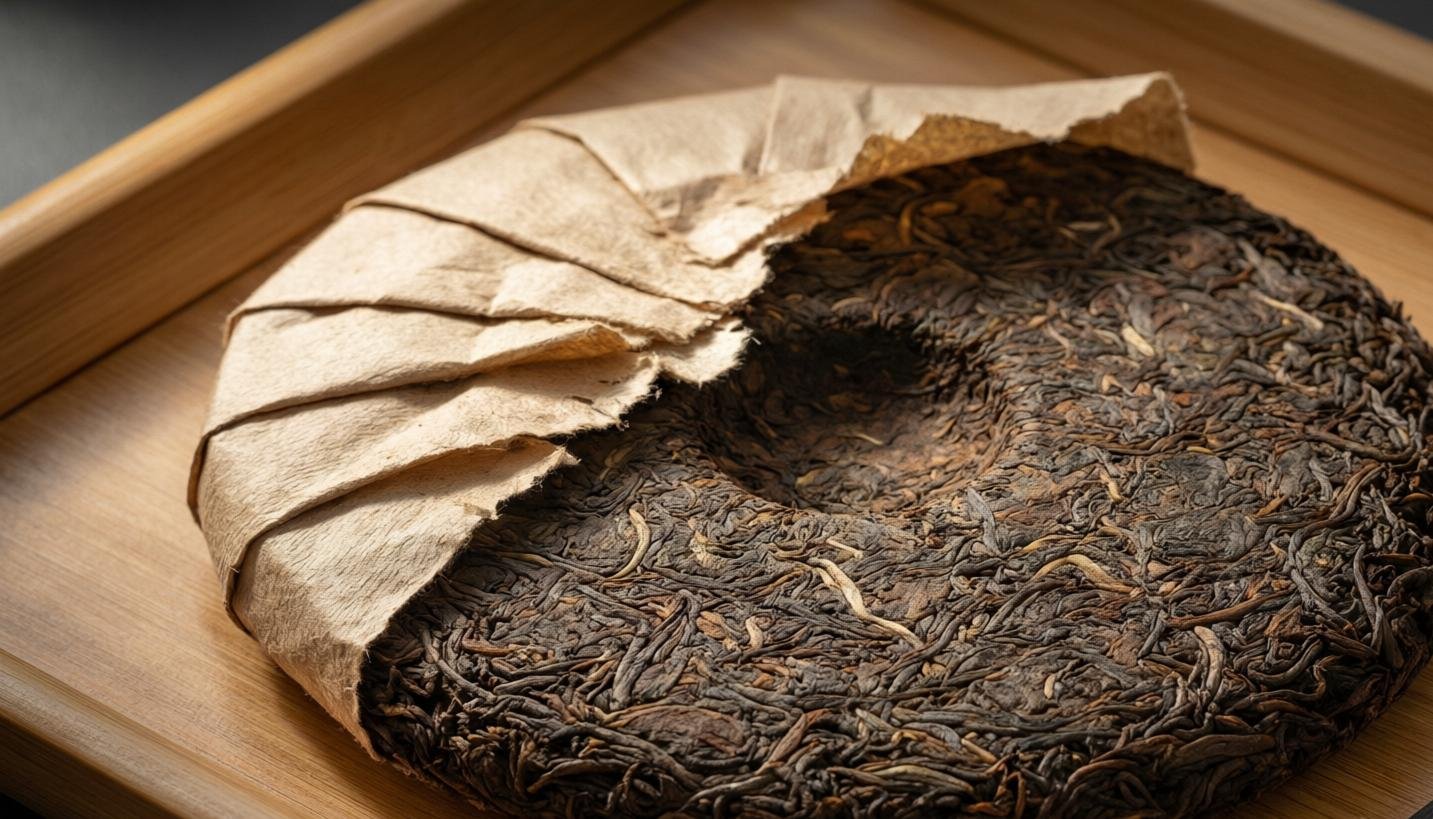
Bingdao raw pu-erh is a premium Sheng tea from the Bingdao village area in Lincang, Yunnan. Buyers often focus on harvest year, mountain area, and leaf grade — then spend far less attention on what happens after purchase. That is usually where the damage begins. Raw pu-erh is not a finished, static product. It is a living tea that changes slowly through enzymatic and microbial activity. Store it the wrong way, and the sweet, cooling Bingdao character turns flat, sour, or musty.
The good news is that proper storage is simple. It does not require a purpose-built tea cellar, but it does require understanding which mistakes ruin the flavor and how to avoid them.
Why Bingdao Raw Pu-erh Is Not a Normal Tea to Store
Bingdao raw pu-erh is different from green tea, black tea, or even most loose-leaf teas. Green tea is best consumed quickly and protected from oxygen. Raw pu-erh, by contrast, is intended to age. Its fresh, slightly astringent, aromatic profile slowly rounds out over years when humidity, temperature, airflow, and cleanliness are kept within a workable range.
What makes Bingdao especially unforgiving is its high aromatic clarity. The tea is known for a cool, sugar-cane sweet finish and a soft but dense body. Off-odors and excessive humidity do not simply fade into the background; they sit directly on top of those delicate notes. A single mistake can flatten the exact quality that makes Bingdao worth buying.
The purpose of storage is not to preserve the tea exactly as it was on day one. It is to guide its change so the flavor improves rather than degrades.
Mistake 1: Wrapping the Cake in Airtight Plastic
Many people assume that sealing tea is the safest option. For raw pu-erh, this is one of the strongest ways to stop healthy aging.
Raw pu-erh needs a small amount of air exchange. If the cake is sealed in airtight plastic with no ventilation, trapped moisture can encourage mold growth, and the tea can develop a sour or plastic-like character. The wrapper the cake came in is usually fine, but shrink-wrapping or vacuum-sealing should be avoided for long-term storage.
Use breathable wrappers such as cotton paper, unbleached paper, or fabric. Keep the cake in a clean, odor-free container that is not fully sealed.
Mistake 2: Cold Storage or Refrigeration
Refrigerating tea works for Japanese green tea and other fresh teas that need to slow oxidation. Bingdao raw pu-erh is not that kind of tea.
The refrigerator introduces two problems. First, it usually has high humidity and mixed food odors. Second, the cold slows the microbial and enzymatic activity that raw pu-erh relies on for aging. Once the cake is removed from the fridge, condensation can form and introduce moisture unevenly into the cake.
Normal household room temperature is generally safer than cold storage for Bingdao raw pu-erh. The goal is stability, not refrigeration.
Mistake 3: Letting Humidity Swing Uncontrolled
Humidity is the strongest factor in raw pu-erh aging, and it is also the easiest to get wrong.
If the air is too dry for a long period, the tea can become thin, flat, and weak. If the air is too wet, the tea can develop a damp, sour, or fishy note, and worst case, visible mold. Many collectors target a relative humidity range around 60–70% for natural aging, but the more important point is stability. Big swings between very dry winters and very wet summers stress the cake and produce uneven aging.
Use a humidity monitor rather than guessing. In dry climates, a sealed storage setup with gentle passive humidity can help. In humid climates, ventilation and slight dehumidification are often more important. Inspect the cakes regularly for off-odors, dark damp spots, or white surface bloom, which should not be assumed to be harmless without close inspection.
Mistake 4: Storing in Direct Light or Among Household Odors
Light and smell are silent flavor killers. A cake left near a sunny window or under bright shop lighting will heat unevenly and gradually lose its aromatic top notes. The tea can take on a tired, dried-out character.
Household odors are even more damaging. Raw pu-erh absorbs smells from kitchens, cleaning products, perfume, incense, and even cardboard boxes from musty warehouses. Once those odors are absorbed, they are difficult to remove.
Store Bingdao cakes away from direct light and strong smells. A dedicated shelf, a clean cabinet, or a non-aromatic storage container is enough for most buyers.
If you are sourcing Bingdao raw pu-erh, ask your Chinese tea supplier how the cakes were stored before shipment — warehouse condition matters as much as your own storage. Contact Chinese tea suppliers at 427728483@qq.com to discuss cake condition, storage records, and bulk sourcing options.
Mistake 5: Breaking Up the Whole Cake Before You Need It
It is convenient to break an entire cake into loose leaf once it arrives. For long-term flavor, this is rarely a good idea.
A whole cake ages more evenly than loose fragments. The surface of the cake is exposed to air, but the inner leaves remain protected. Once broken apart, every piece sits individually in storage and dries out or absorbs humidity faster. The tea can lose cohesion and age in a less predictable way.
Break off only what you plan to drink in the near term. Leave the rest of the cake intact until you need it. If you must store broken pieces, keep them together in a breathable pouch rather than scattered loosely.
Mistake 6: Storing Bingdao Like a Ripe Pu-erh
Raw Sheng pu-erh and ripe Shou pu-erh are both post-fermented teas, but their storage goals are different.
Ripe pu-erh is already heavily fermented. It is often more tolerant of some humidity variation and is frequently stored with the aim of clearing residual pile-fermentation character. Raw pu-erh is still in the early stages of its aging curve. Its fresh, floral, cooling qualities need protection in the first several years. Applying a ripe pu-erh storage approach — especially very humid and warm conditions — can push a young Bingdao cake toward a dull, stewed, or overly funky profile much too early.
Keep young Bingdao raw pu-erh in moderate, stable conditions. Do not try to rush the aging process.
Mistake 7: Ignoring Seasonality and Airflow
Raw pu-erh responds to the calendar. In hot, humid months, the tea absorbs moisture. In cold, dry months, it releases some moisture. These natural changes are normal, but they need management.
A sealed room with no airflow in summer can trap humidity and produce off-odors. A dry indoor heater in winter can strip the cake too quickly. Small adjustments — opening a window on a dry day, moving cakes away from a heater, using a fan in humid weather — make a large difference over a year.
The best approach is to monitor, adjust gently, and avoid reacting too aggressively. Bingdao raw pu-erh is patient. Storage should be patient too.
A Practical Bingdao Storage Plan
For most buyers, the following plan is enough:
- Keep the cake in its breathable wrapper.
- Store it in a clean, odor-free container or cabinet.
- Place it away from direct light, heat sources, and household cooking smells.
- Monitor relative humidity and aim for moderate, stable conditions.
- In dry climates, add gentle humidity with food-safe, fragrance-free humidification if needed.
- In humid climates, improve airflow and consider slight dehumidification.
- Inspect the cake every few weeks for dampness, odor, or visible changes.
- Break off only what you plan to drink soon.
A well-stored Bingdao raw pu-erh cake should slowly soften, add depth, and keep its sweet, cooling Bingdao signature. If the tea starts to smell sour, plastic-like, or musty, do not ignore it — adjust the environment before the flavor is permanently damaged.
Talk to a Chinese Tea Supplier About Bingdao Raw Pu-erh
Whether you are buying a single cake or sourcing Bingdao raw pu-erh in bulk, storage history is part of the purchase. Ask for the production year, pressing date, and warehouse conditions before the tea reached you.
For sourcing, cake condition checks, storage guidance, and wholesale inquiries, contact Chinese tea suppliers at 427728483@qq.com.
Frequently Asked Questions
How long can Bingdao raw pu-erh be stored?
Bingdao raw pu-erh can be stored for many years under suitable conditions. It does not have a strict expiry date, but its flavor changes continuously. The goal is to store it so those changes are positive rather than damaging.
Does Bingdao raw pu-erh need darkness?
Yes. Direct or strong light should be avoided because it can heat the cake unevenly and degrade its aromatic top notes over time. A clean cabinet, shelf, or breathable storage box away from bright light works well.
Can I store Bingdao raw pu-erh in the kitchen?
The kitchen is generally not ideal because of cooking odors, heat fluctuations, and often higher humidity. If you must keep tea in the kitchen, place it in a dedicated, tightly organized cabinet away from the stove, dishwasher, and spice shelf.
Is a little white fuzz on the cake normal?
White surface fuzz should not be automatically assumed to be harmless. It may be mold, and even if it looks dry, it can produce off-flavors. Inspect the cake carefully and store it in a drier, better-ventilated environment if needed.
Should I air out Bingdao raw pu-erh before drinking?
Light airing can help disperse any closed-in storage odor, but long-term unwrapped exposure can dry the cake and attract household smells. A short airing in a clean, low-odor space is enough for most situations.
Does Bingdao raw pu-erh need humidity to age?
It does not need constant high humidity, but moderate humidity supports gradual aging. Stable conditions are more important than chasing an exact number. Use a monitor and adjust gently rather than forcing humidity.
Can I store different pu-erh cakes together?
Yes, but only if they are clean, dry, and free of strong smells. Keep heavily odorous teas or heavily humid cakes separate from your Bingdao cakes to avoid cross-contamination.
No author description available.

白玉京