How to Work with a Tea Sourcing Agent in China: Buyer’s Guide
China remains the world's largest tea-producing country and a leading exporter by volume [1]. For overseas buyers, however, the distance from an attractive sample to a compliant, repeatable shipment is where most sourcing programs fail. A tea sourcing agent can close that gap—but only if the engagement is structured, verified, and tied to written standards. This guide covers what an agent actually does, where the value is real, how to vet one, and the contract terms that protect your order.
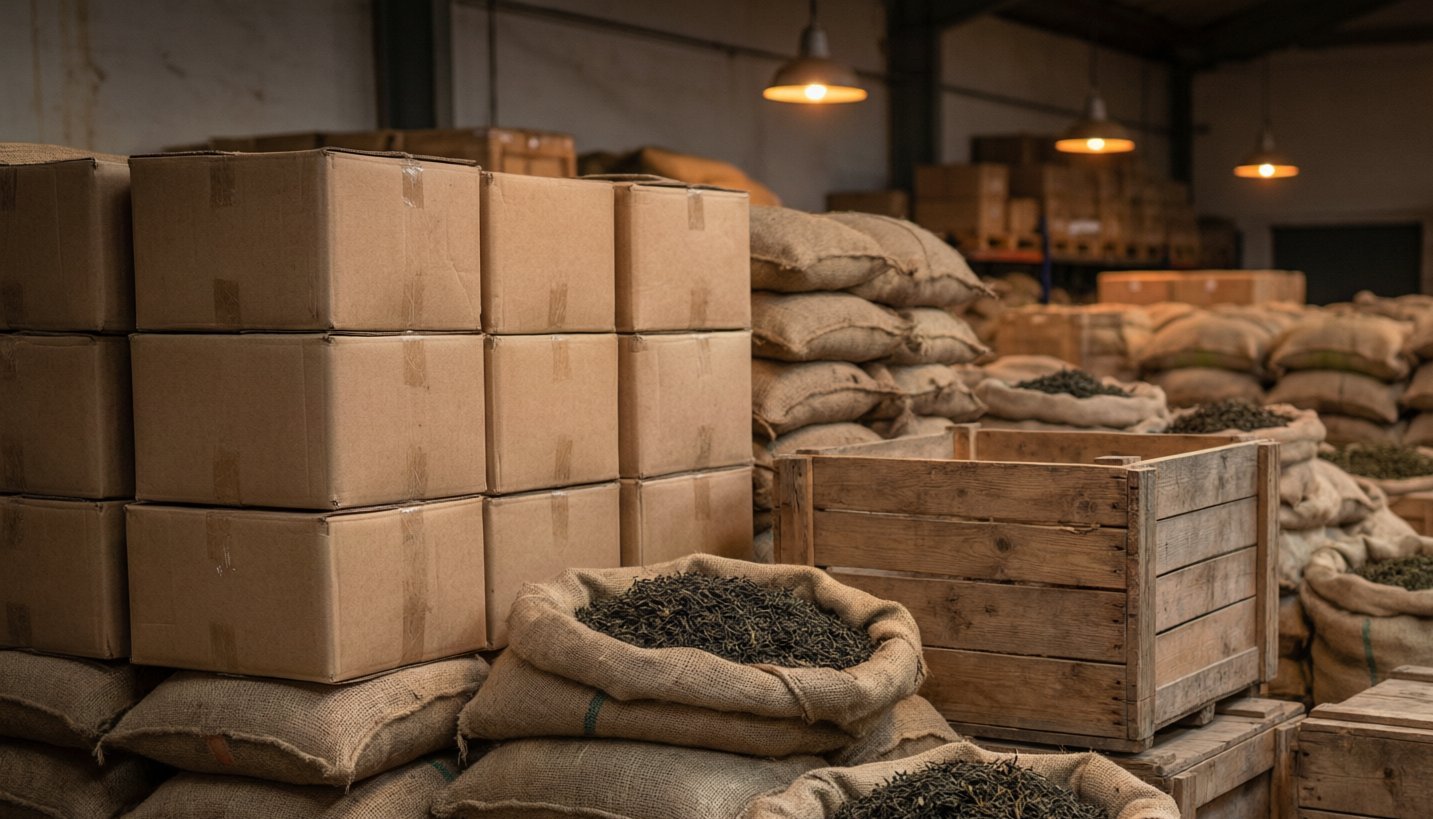
What a Tea Sourcing Agent Actually Does
A competent tea sourcing agent is not simply a translator or a person who forwards WeChat messages. The role spans supplier discovery, sample management, price negotiation, quality control, compliance mapping, and shipment coordination. The most useful agents operate on your side of the table, but their economic incentives need to be written into the agreement rather than assumed.
| Sourcing activity | What a competent agent handles | What the buyer should still verify |
|---|---|---|
| Factory search | Shortlists licensed facilities and walks production lines where possible | Confirm registration, site evidence, and target-market compliance |
| Sample development | Collects, labels, repacks, and ships fresh samples | Cup independently or use a third-party lab |
| Price negotiation | Obtains tiered quotes by grade, lot, and harvest | Ask for a documented cost breakdown per kilogram |
| Quality control | Arranges pre-shipment inspection and holds quality gates | Match the inspection protocol to the contract |
| Logistics and documents | Coordinates packing, export documents, and booking | Retain copies and confirm the agreed INCOTERM |
| Compliance | Maps pesticide, heavy metal, certification, and labeling needs | Require audited lab reports from ISO/IEC 17025-accredited labs |
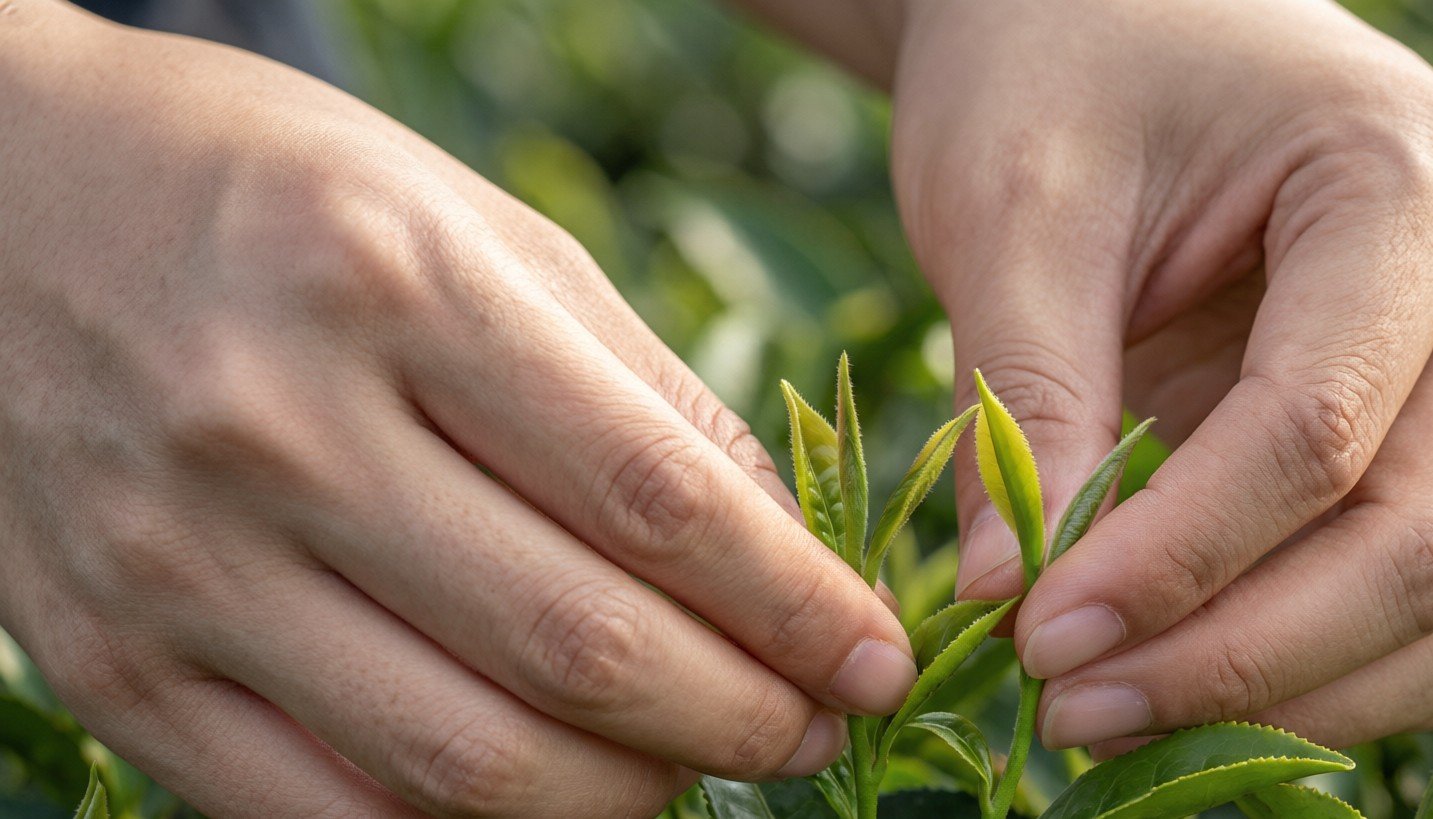
Agent, Trading Company, or Direct Factory: The Choice That Changes Everything
The main sourcing channels in China are not interchangeable.
- Direct factory can produce the sharpest unit price, but scope is limited to that factory's tea types, grades, and production calendar. Minimum orders are often less flexible.
- Trading company carries a broader catalog, but you may be several steps removed from processing decisions, harvest details, and origin evidence.
- Sourcing agent can compare multiple facilities, translate technical requirements, and represent the buyer during negotiation and inspection. The risk is that an agent may have a hidden preference for certain suppliers.
The defining question is whether the agent discloses its fee source. If the agent is paid only by the factory, the agent is effectively a sales channel, not a buyer's representative. A hybrid model can work, but only with full written disclosure.
Where a Sourcing Agent Adds the Most Value
Origin verification. Many teas are sold under place names that do not prove origin. A label such as "Fenghuang Dancong" or "Yiwu" does not automatically mean the leaf came from that village, that harvest, or that cultivar. A good agent asks for garden-level records, season dates, processing batch numbers, and sometimes geotagged field evidence before prices are even discussed.
Price deconstruction. Tea pricing can look opaque because it bundles raw leaf, processing loss, sorting, roasting, packing, inland freight, and documentation. An agent should be able to break those elements apart so you can compare one quote to another on the same basis.
Compliance translation. Export-ready tea must satisfy both Chinese export requirements and the destination market's food-safety rules. China's General Administration of Customs Decree No. 248 and Decree No. 249 govern the registration and administration of overseas food producers and imported/exported food safety [2]. EU buyers must also consider Regulation (EC) No 396/2005 on pesticide maximum residue levels [3], while US buyers must account for FDA importer obligations under food-safety rules [4].
Quality continuity. A single approved lot is not a supply chain. The value of a strong agent is maintaining the same grade, moisture level, roast, and defect tolerance across multiple production batches and seasons.
How to Vet a Tea Sourcing Agent Before You Commit
Use the same discipline you would use for a factory audit.
- Confirm the legal entity. Ask for the business license and match the name to the contract.
- Request factory audit evidence. A serious agent should be able to show photos, videos, site coordinates, and audit notes—not only a supplier name.
- Test with a paid sample assignment. A small paid project reveals response time, document quality, and local reach before a large order is at risk.
- Ask for destination-market references. A buyer shipping to the EU has different requirements from one shipping to the US or Southeast Asia.
- Check how lab testing is handled. The agent should be able to route samples to an ISO/IEC 17025-accredited laboratory and explain the report.
- Watch for red flags. Refusing to name the factory before payment, pushing a single supplier, avoiding on-ground visits, or being unable to explain a product's national standard are all reasons to pause.
A strong agent will also be able to connect your spec to the relevant product standard. Green tea buying, for example, is commonly referenced against Chinese national standards such as GB/T 14456.1 [5], while factories handling multiple food categories should operate under a food-safety management system such as ISO 22000 [6]. Black tea specifications often reference ISO 3720 [7].
If you are comparing agents now, do not pay for a commitment before you receive a documented route-to-supplier plan. Send your target spec, volume, and destination market to 427728483@qq.com and ask for a written factory shortlist with compliance evidence. A verifiable plan should arrive before the first invoice.
Setting the Engagement Terms: Scope, Fees, and KPIs
Fee structure should be settled before sampling begins. The most common models are a commission on order value, a flat retainer, or a fixed project fee. Whatever the model, the agreement should state whether the agent also receives any payment from the factory.
Do not accept "factory price" as a single undefined number. Tie fees and pricing to a documented FOB price with a clear cost breakdown.
| KPI | How to measure it |
|---|---|
| Sample-to-production time | Days from approved sample to shipped order |
| Quality conformance | Percentage of lots passing the agreed inspection protocol |
| Document accuracy | First-time customs clearance rate |
| Pricing transparency | Written cost breakdown available for every major order |
| Supplier diversification | Number of audited factories per product category |
From Sample to Shipment: A Step-by-Step Workflow
A repeatable sourcing process prevents last-minute substitutions.
- Lock the specification. Define tea type, grade, harvest period, processing style, moisture limit, and defect tolerance.
- Fix the compliance list. Identify destination-market MRLs, certification requirements, labeling rules, and import documents.
- Shortlist facilities. A good agent presents three to five realistic options, not one.
- Review audit evidence. Use factory video, site notes, and food-safety certificates before paying for samples.
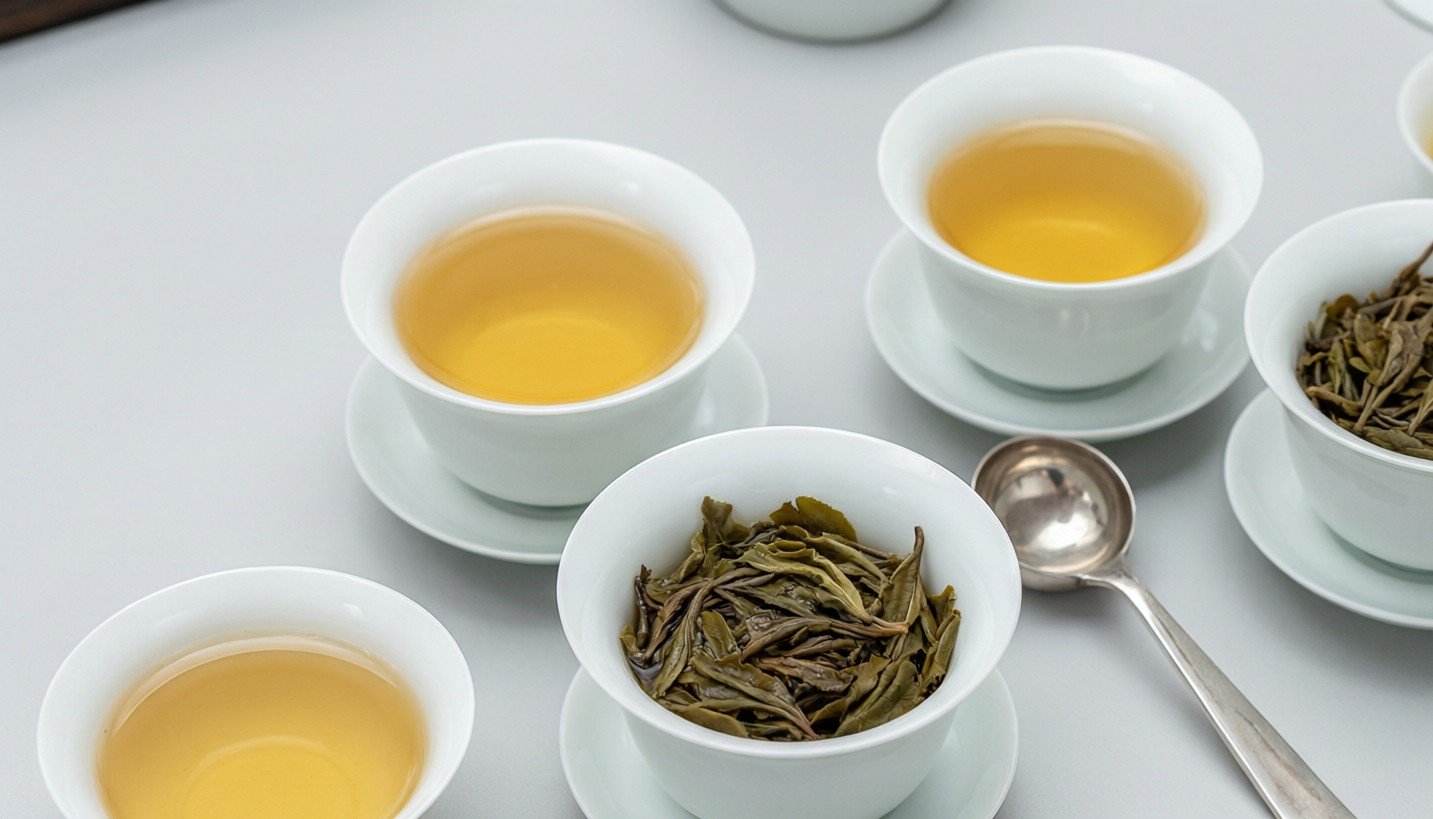
- Cup and test samples. Compare appearance, aroma, liquor, finish, and lab results.
- Negotiate and sign. Write a supply agreement with approved sample, tolerance, inspection, and remedy clauses.
- Approve pre-production sample. Confirm the lot matches the approved profile before mass production.
- Run pre-shipment inspection. Check leaf grade, moisture, foreign matter, packing integrity, and document accuracy.
- Close and review. After delivery, evaluate the landed lot against the approval sample and record variances for the next order.
Common Failure Points and How to Prevent Them
- Label-level sourcing. An agent or supplier may use a famous name without origin evidence. Require garden-level, batch-level, or at least production-region documentation.
- Undocumented fees. Multiple middlemen can appear between invoice and shipment. Ask for a written breakdown and a named beneficiary on payments.
- Quality drift after approval. Prevent this by making the approved sample part of the contract, with defined tolerances for moisture, grade, and foreign matter.
- Side switching. If an agent is paid by both sides but does not disclose it, incentives become unclear. Require disclosure and a buyer-interest clause.
- Person dependency. If the entire program depends on one contact, create a backup channel and keep records in a location you control.
Get a Verifiable Sourcing Plan
If you want to run this workflow against a real order, start with a short, paid assignment rather than a long retainer. Send a request to 427728483@qq.com with the following:
- Target tea type, grade, and harvest
- Destination market and import compliance requirements
- Expected volume and order frequency
- Required certifications and lab tests
- Sampling and inspection budget
A clear response should outline the factory shortlist, sample plan, cost breakdown, and timings before you commit serious volume.
FAQ
What is the difference between a sourcing agent and a trading company?
A sourcing agent represents the buyer in supplier search, negotiation, inspection, and coordination. A trading company buys and resells tea, typically adding its own margin. The difference matters most in pricing transparency, origin information, and whose interests are represented.
How much does a tea sourcing agent cost in China?
Fees are usually structured as a commission on order value, a fixed project fee, or a retainer. Because tea types, volumes, inspection requirements, and supplier access vary widely, there is no single reliable rate. Ask for the exact fee structure and confirm whether the agent also receives any factory-side payment.
How do I know a sourcing agent is not working for the factory?
The clearest safeguard is written disclosure. Ask the agent to state in the agreement whether it receives any payment, rebate, or benefit from the factory. Also require factory audit evidence, multiple supplier options, and destination-market references. If the agent refuses to name the factory or pushes only one source, that is a red flag.
What documents should a sourcing agent provide before shipment?
At minimum, the agent should provide the commercial invoice, packing list, bill of lading, origin information, product test results, and any destination-market certificates. If the tea requires factory registration or food-safety documentation, those records should be supplied before the goods arrive at customs.
Do I need a sourcing agent if I already have a supplier?
Not always. If your existing supplier performs consistently and you have independent inspection in place, you may only need a quality-surveillance visit or freight coordinator. An agent becomes more valuable when you need to compare new origins, qualify backup suppliers, or enter a market with stricter compliance requirements.
References
[1] FAO Intergovernmental Group on Tea. "World tea production and trade: Current and future development." Food and Agriculture Organization of the United Nations. https://www.fao.org/economic/est/est-commodities/tea/en/
[2] General Administration of Customs of the People's Republic of China. "Decree No. 248 — Regulations on the Registration and Administration of Overseas Producers of Imported Food." http://english.customs.gov.cn/
[3] European Parliament and Council. "Regulation (EC) No 396/2005 on maximum residue levels of pesticides in or on food and feed of plant and animal origin." https://eur-lex.europa.eu/
[4] U.S. Food and Drug Administration. "Food Safety Modernization Act (FSMA)." https://www.fda.gov/food/food-safety-modernization-act-fsma
[5] Standardization Administration of China. "GB/T 14456.1-2017 Green tea — Part 1: Basic requirements."
[6] International Organization for Standardization. "ISO 22000:2018 Food safety management systems — Requirements for any organization in the food chain."
[7] International Organization for Standardization. "ISO 3720:2011 Black tea — Definition and basic requirements."
No author description available.

白玉京