How to Store Ripe Pu-erh (Shou) Tea: 7 Rules for Freshness
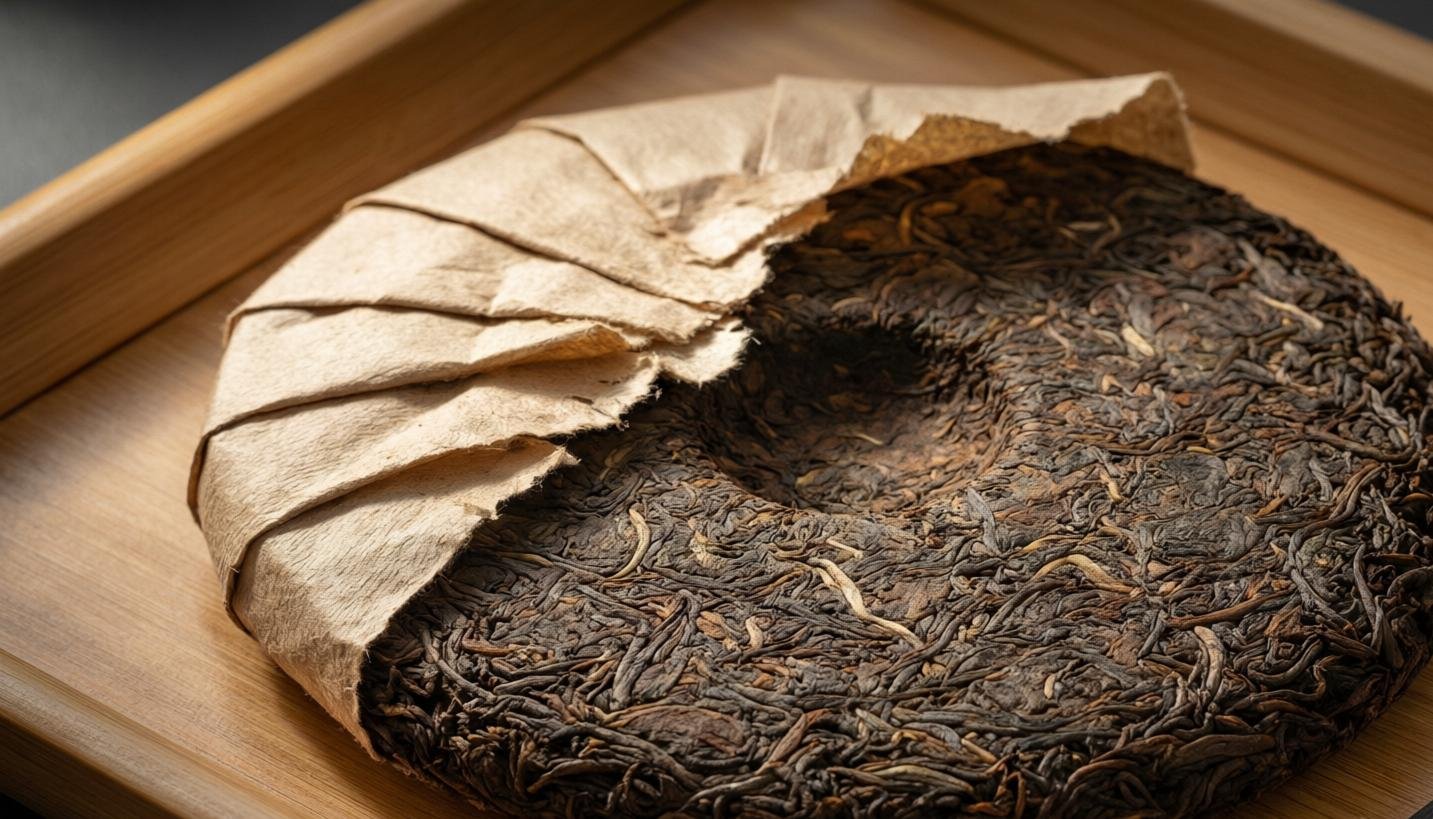
Ripe pu-erh, often labeled “shou” or “shu” pu-erh, is the most forgiving style of pu-erh tea. But forgiving does not mean indestructible. Shou is a post-fermented tea made from Yunnan large-leaf sun-dried green tea that has gone through pile fermentation, a step that darkens the leaf, rounds the flavor, and builds the earthy-sweet character buyers expect [1]. That same fermentation history makes the leaves hygroscopic: they absorb moisture and surrounding odors quickly, and they can turn flat, sour, or musty when stored carelessly.
The goal of storing ripe pu-erh is not to keep it frozen in time. It is to protect the tea’s mature character while allowing it to settle and, if you choose, continue aging slowly. This guide walks through the storage rules that matter, the mistakes that kill flavor, and the difference between daily drinking storage and long-term collection storage.
Why Ripe Pu-erh Storage Is Different
Green tea storage is mostly about slowing oxidation and keeping freshness. Ripe pu-erh storage is about stability. The tea has already passed through a controlled microbial and enzymatic process during pile fermentation, which transforms catechins into theabrownins and other darker, sweeter compounds [3]. After fermentation, the tea is still sensitive to water activity, temperature, and air exchange, but the risk profile changes.
Too much moisture invites mold and off aromas. Too little moisture dries the leaf and stalls the slow mellowing that collectors prize. Heat pushes the tea toward a flat, baked taste. Light degrades the lipids and aromatic compounds. Odors from spices, coffee, cleaning products, or storage rooms transfer into the porous leaf and can be nearly impossible to remove.
A useful way to think about shou storage is that you are managing an open system. You want limited, stable air exchange; enough humidity to keep the leaf supple but not damp; and an environment free of strong temperature swings and odors [2].
The Five Enemies of Ripe Pu-erh
- Moisture: The most common cause of ruined shou. High humidity creates conditions for fungal growth; low humidity strips the tea of its roundness.
- Heat: Sustained heat accelerates chemical reactions and can flatten the deep, sweet notes that make ripe pu-erh attractive.
- Light: Direct sunlight and strong UV exposure degrade color, aroma, and shelf stability.
- Oxygen: Some air exchange helps slow aging, but excessive exposure makes the tea stale and papery.
- Odor: Ripe pu-erh adsorbs odors aggressively. A single box of scented candles nearby can leave the entire batch tasting unnatural.
7 Storage Rules That Keep Shou Fresh
1. Hold Relative Humidity in the 50–70% Range
The most practical target for ripe pu-erh is 50–70% relative humidity, with conditions stable rather than jumping day to day [2]. Below roughly 50%, the leaf dries out and loses its round, thick texture. Above 70%, mold risk climbs quickly, especially if air movement is poor. If you do not have a humidity-controlled storage space, a simple hygrometer inside the storage room or container will tell you whether you need a small humidifier, a dehumidifier, or better airflow.
2. Keep Temperature Moderate and Stable
A stable 15–25°C range works well for long-term shou storage [2]. The key word is stable. Spikes near a radiator, a kitchen appliance, an attic, or a sunny window are more damaging than a slightly imperfect but constant temperature. Do not store shou in a car, garage, or uninsulated warehouse where summer heat and winter cold swing widely. High heat will make the tea taste baked and flat; repeated expansion and contraction of the leaf also weakens structure and increases air exchange.
3. Store in Darkness
Use opaque containers, cabinets, or windowless storage. If you keep cakes on a shelf, make sure the shelf is out of direct sunlight and away from strong artificial light that runs for many hours each day. Dark does not mean sealed; you still want gentle air exchange. But the storage zone should be visually dark.
4. Allow Gentle, Clean Airflow
Ripe pu-erh benefits from mild air circulation, but not a direct draft. A small fan in a large storage room is fine. A constant blast of dry air from an HVAC vent is not. Poor airflow allows moisture pockets to form, especially inside stacked cartons of cakes. If you store boxes, place them on shelves with space between cartons rather than packed tightly against a wall.
5. Isolate Strong Odors Completely
Never store shou near coffee, spices, dried herbs, scented candles, cleaning products, fuel, or strongly aromatic wood. The leaf will absorb those aromas and the resulting brew can taste perfumed, chemical, or simply wrong. If a storage area has even a mild odor, don’t trust the packaging alone. Move the tea to a neutral room or use odor-barrier containers for short-term protection.
6. Match Packaging to Purpose
The right packaging depends on whether you are storing for daily drinking or for long-term collection. For daily use, a clean porcelain, glass, or food-grade tin caddy works well if the tea is dry and you drink it within a few months. Avoid leaving broken-up shou in thin plastic bags. For longer aging, whole cakes in breathable paper wrappers inside an unsealed cardboard box, bamboo tong, or cotton-lined container allow slow, controlled air exchange. If you use a plastic bin, choose one made from clean, food-safe material and do not seal it completely unless you monitor humidity very closely.
7. Inspect Quarterly
Check shou storage at least every three months. Look for visible white, green, or black mold, especially on cake edges and stacked surfaces. Smell a sample leaf for sour, musty, or chemical notes. Check for excessive dryness or brittleness. In humid climates, open cartons briefly to let air move through. In dry climates, check whether the leaf has become too brittle and adjust humidity upward.
| Storage variable | Practical target | Why it matters |
|---|---|---|
| Relative humidity | 50–70% | Keeps leaf supple without triggering mold [2] |
| Temperature | 15–25°C, stable | Slows undesirable reactions and preserves depth |
| Light | Dark or opaque | Protects color, aroma, and lipids |
| Airflow | Gentle, indirect | Prevents moisture pockets without overdrying |
| Odor exposure | Zero | Leaf adsorbs foreign aromas and holds them for years |
| Inspection rhythm | Quarterly | Catches moisture, mold, and dryness before the batch suffers |
Not sure whether your warehouse or retail space is too humid for shou? Send the temperature, humidity, and container type you currently use to 427728483@qq.com. We’ll reply with a simple storage checklist adapted to your climate, packaging, and stock volume.
Daily Drinking vs Long-Term Aging Storage
Ripe pu-erh for daily drinking can be broken into smaller pieces and kept in a clean, dry caddy. Drink it within a reasonable window so frequent opening does not repeatedly disturb the larger collection. Whole cakes that you intend to age should stay intact. Each time you break a cake, you expose more surface area to air and speed up change. That is not necessarily bad, but it changes the long-term trajectory.
For collectors and wholesalers, consistency matters more than cleverness. Store cakes in groups with similar production dates and keep a written record of temperature, humidity, and inspection notes. Buyers increasingly ask for storage history, especially for mid-aged and older shou. A simple log builds trust and helps you spot problems early.
Long-term storage should favor mild, clean air exchange over aggressive humidity or heat “experiments.” Rapid wet-storage methods can produce strong, cellar-like flavors that some drinkers enjoy, but they also carry higher mold and spoilage risk. For most importers, retailers, and home collectors, a stable, moderately dry environment is safer and more predictable [2].
Common Storage Mistakes That Kill Flavor
- Refrigerating shou: Cold storage is not appropriate for ripe pu-erh. Condensation can form, and the tea may absorb odors from food. Room-temperature dark storage is a better fit.
- Sealing cakes in airtight plastic long-term: Without air exchange, trapped moisture can create off aromas and encourage microbial issues. Airtight is fine for short-term shipping protection, not for years of aging.
- Storing mixed teas loosely together: Jasmine, smoked lapsang souchong, or heavily roasted oolongs will cross-contaminate shou quickly. Keep aromatic teas in separate sealed containers.
- Placing cakes by a window: Sunlight will fade the wrapper, heat the cake, and degrade the tea. Use opaque storage.
- Ignoring humidity swings: A space that is 55% humidity in the morning and 85% at night can still cause condensation in the leaf. Stability is as important as the average reading.
- Leaving cakes out in the open indefinitely: The tea will absorb whatever is in the air and gradually flatten. Whole cakes do better inside a breathable carton or storage container.
Sample Ripe Pu-erh That Arrives Storage-Ready
Good storage begins with tea that has not already been damaged before it reaches you. Shou that arrives overly damp, musty, or stored in non-breathable packaging for too long will never recover fully, no matter how perfect your warehouse conditions are.
Whether you need loose-leaf shou, whole cakes, or tuo cha for retail or wholesale, ask for current lot details and moisture-level documentation before ordering. Contact Chinese tea suppliers at 427728483@qq.com to request samples and a storage report for the specific lots you are considering.
Frequently Asked Questions
Does ripe pu-erh improve with age?
Ripe pu-erh can continue to mellow and round out over time, but it is already heavily fermented. The changes are usually less dramatic than raw pu-erh. In many cases, the first two to five years help excess pile-fermentation notes settle. After that, storage conditions decide whether the tea improves, flattens, or develops off notes. A stable 50–70% humidity environment is the practical baseline [2].
Should I refrigerate ripe pu-erh?
No. Refrigerating shou introduces condensation risk and exposes the tea to food odors. Dark, cool, dry room-temperature storage is a better approach.
Can I store different teas together?
Only if they are neutral and sealed separately. Strongly aromatic teas should stay in their own odor-barrier containers. Ripe pu-erh will pick up jasmine, smoke, spice, or roasted aromas quickly.
How do I know if my ripe pu-erh has gone bad?
Look for visible mold that is not just harmless powder dust, and smell for sour, musty, or chemical notes. If a dry leaf smells clean but the brew still tastes off, check the water, brewing vessel, and cup. When in doubt, dispose of any tea with visible mold and do not try to “wash it off.”
Is a sealed bag or open air better for daily drinking?
For daily drinking, a clean, dry caddy is more practical than open air because it reduces odor pickup and moisture swings. For long-term aging, breathable wrappers and cartons allow the slow air exchange shou needs. Sealed plastic is usually a short-term solution, not a yearly storage method.
What is the best container for collecting ripe pu-erh?
There is no single best container, but a common setup is a whole cake in its breathable wrapper inside an unsealed, food-safe cardboard box or cotton-lined container. The container should block light, reduce odor exposure, and still permit gentle air movement. Monitor humidity inside the container every few months.
References
- General Administration of Quality Supervision, Inspection and Quarantine of the People’s Republic of China. GB/T 22111-2008, Product of geographical indication—Pu-erh tea. Beijing, 2008.
- Standardization Administration of China. GB/T 30375-2013, Code of practice for tea storage and transportation. Beijing, 2013.
- Lv, H. P., Zhang, Y. J., Lin, Z., & Liang, Y. R. “Processing and chemical constituents of Pu-erh tea: A review.” Food Research International, 2013.
No author description available.

白玉京