How Raw Pu-erh (Sheng) Tea Changes With Age: A Tasting Guide
Raw pu-erh, or sheng cha, is one of the few teas that is deliberately bought to be drunk years after it was made. A cake pressed this spring will taste noticeably different in five years, and almost unrecognizably different to a newcomer by year fifteen. The question for buyers and serious drinkers is not whether aging changes sheng pu-erh—it is what, exactly, changes, why it happens, and how to taste the difference when comparing lots.
This guide walks through the sensory arc of aged sheng, the storage conditions that steer it, a practical cupping method, and the verification steps that matter when you are sourcing aged tea rather than buying folklore. The goal throughout is the same: replace vague words like "smooth" and "older is better" with changes you can actually identify in the cup.
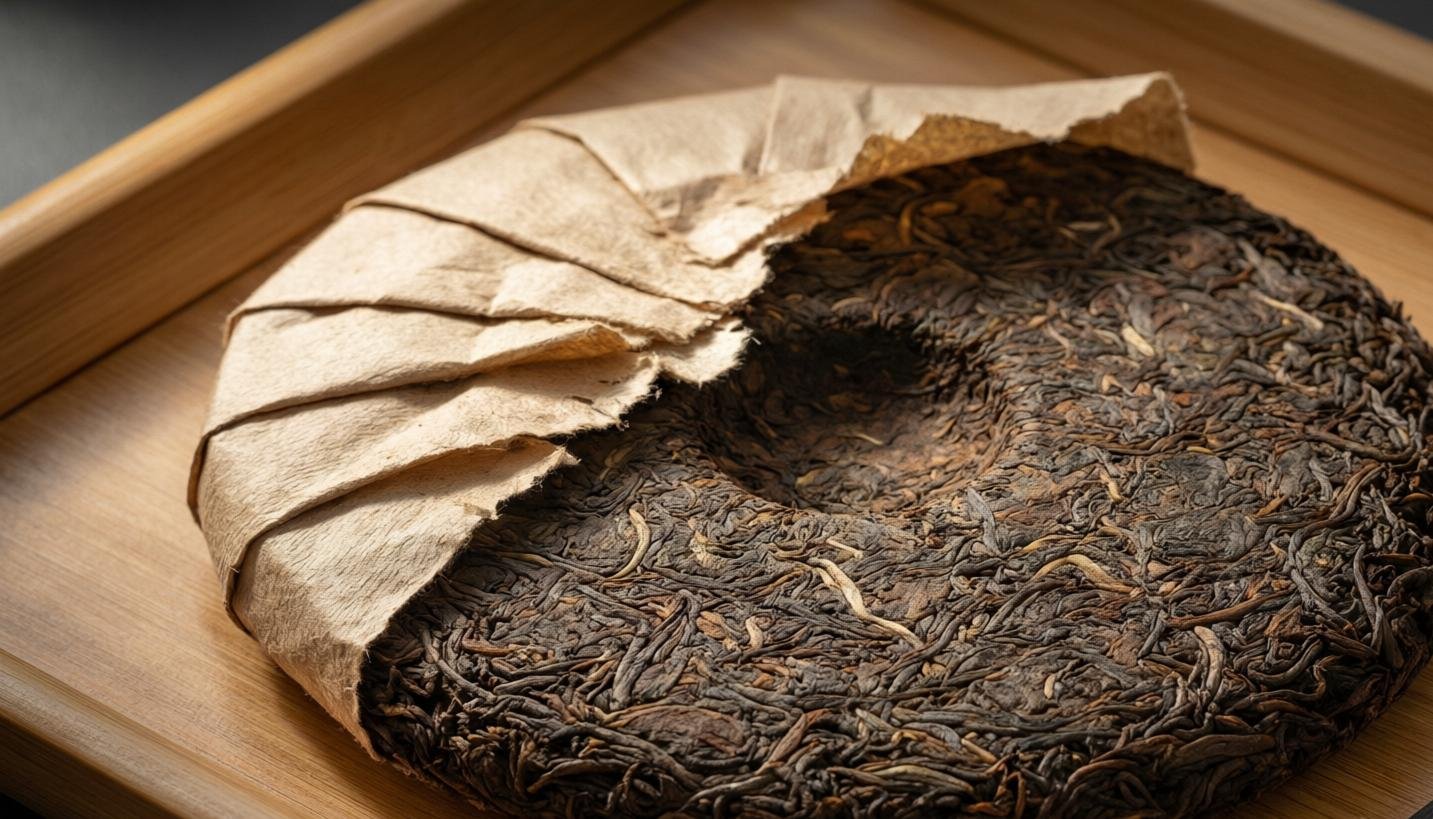
What "Aging" Means for Raw Pu-erh (Sheng) Tea
Sheng pu-erh is produced from Yunnan large-leaf maocha that is fixed, rolled, and sun-dried, then compressed or left loose [1]. Unlike shou (ripe) pu-erh, which is given an accelerated wet-piling fermentation, sheng depends on a slow microbial and enzymatic transformation after processing [3]. Age is therefore a production variable in sheng: the tea you buy at year three is still mid-process, not finished.
Two transformations run in parallel. Residual enzymatic oxidation and non-enzymatic browning gradually round out the aggressive green character of young sheng, and the leaf's polyphenols shift: astringent catechins such as EGCG decline while gallic acid rises, which is one reason aged sheng loses bitterness and gains a dry, winey sweetness [2]. At the same time, fungi and bacteria—Aspergillus species are the most commonly reported—drive fermentation of the leaf's polyphenols and carbohydrates [3].
The standard uses the term "post-fermentation" for exactly this process [1]. In a well-documented lot, "aged pu-erh" is not a marketing label; it describes tea held under conditions that allowed that transformation to proceed.
The Flavor Arc: Sensory Changes Over Time
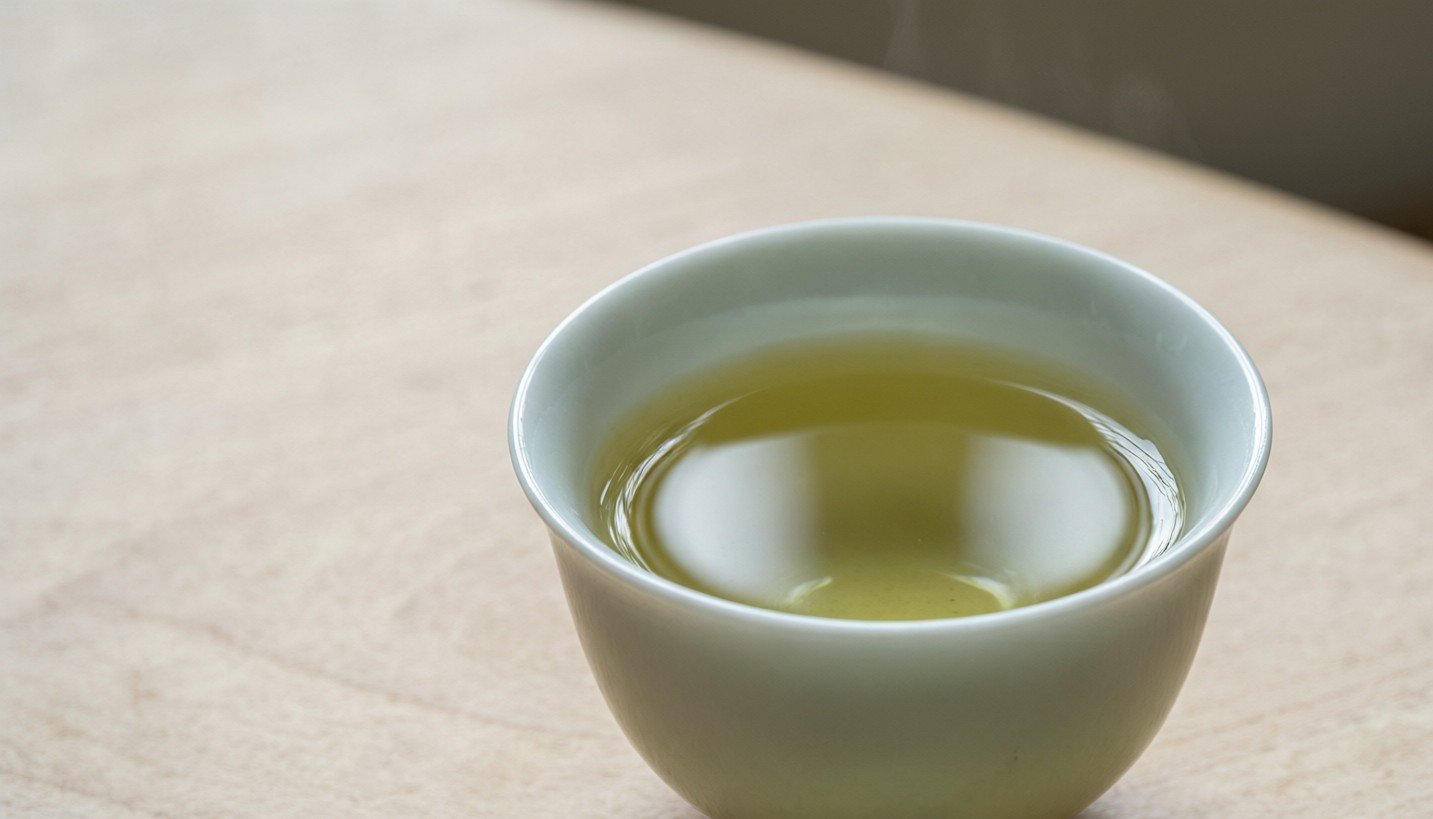
Young maocha and cakes from roughly years zero to three taste bright, bitter, and floral: fresh grass, stone fruit, and sometimes a light smokiness from the farm. The liquor is usually yellow-green.
As the tea enters the mid-stage, roughly years four to ten, the sharp edges soften. Bitterness shortens, the liquor deepens toward amber, and the aroma shifts from fresh florals to dried fruit, honey, and warm grain. The first clear sign of "aged taste" is usually the finish: it becomes longer, less drying, and faintly sweet [2].
Older sheng, roughly fifteen years and beyond, moves into a different register. Expect darker amber to reddish liquor, frequently described as camphor-like, medicinal, or woody, with a thick mouthfeel and a returning sweetness in the throat. The aged aroma takes over, and the brew becomes less about fruit than about depth and texture.
A simple working model for tasting notes:
| Stage | Typical Liquor | Common Aroma Notes | Common Mouthfeel |
|---|---|---|---|
| 0–3 years | Yellow-green | Fresh grass, stone fruit, light smoke | Brisk, astringent, cooling |
| 4–10 years | Amber | Dried fruit, honey, grain | Softening, longer finish |
| 11–20 years | Deep amber to red | Camphor, wood, medicinal, aged aroma | Thick, returning sweetness |
| 20+ years | Red-brown | Mellow aged aroma, herbs, sugar | Very soft, deep, lasting huigan |
These are general sensory ranges, not grades. The same cake can land elsewhere depending on storage, leaf strength, and compression.
Storage Conditions That Steer the Outcome
Age alone tells you little; storage tells you almost everything. Two lots of the same 2012 cake—one held in dry Kunming-style storage and one in humid Guangdong-style storage—can taste years apart [1][3].
The main variables are temperature, relative humidity, airflow, and cleanliness. Professional storage keeps relative humidity in a moderate, stable band and avoids wide temperature swings; the exact band varies by region and warehouse philosophy [2]. Higher humidity accelerates browning and softens the tea faster, but it also raises the risk of moldy, "wet stored" off-notes. Drier storage preserves brightness and energy but develops age slowly; those teas can still taste sharp after a decade.
For buying purposes, the practical question is not "dry storage or wet storage?" in the abstract. It is whether the storage record makes sense and whether the tea tastes clean. A lot that is fifteen years old but still tastes inappropriately green may have been stored too dry; a ten-year-old tea that tastes muddy and mossy may have been stored too wet. Either is a quality flag, not proof of age.
How to Taste Aged Sheng Like a Buyer
A professional cupping of aged sheng should answer three questions: how old it actually tastes, whether the storage was clean, and whether the leaf still has enough material strength to justify the price.
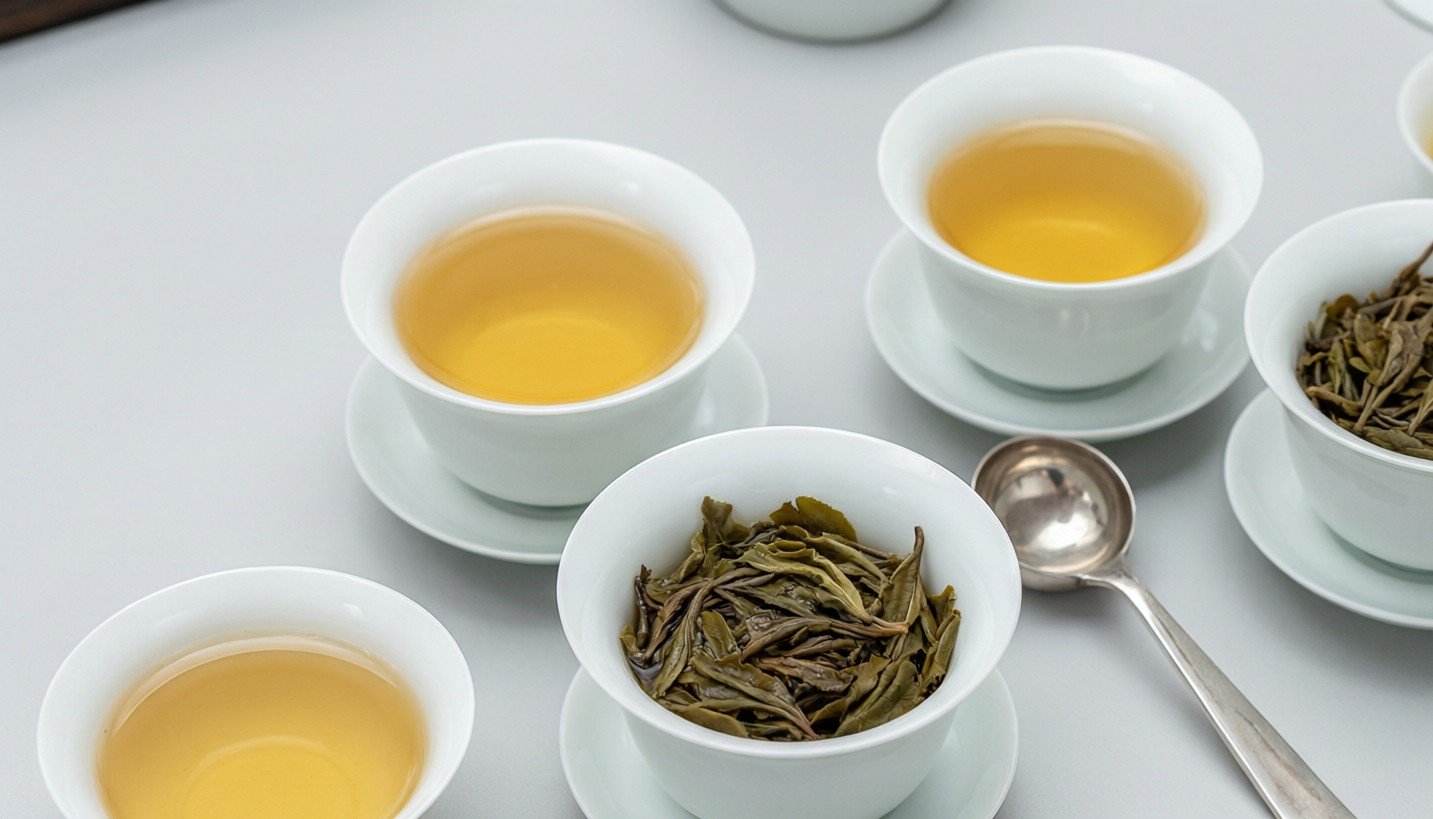
Use identical parameters across every sample so comparisons stay valid. A widely used cupping method is 3 g of dry leaf per 150 ml of water, steeped at 95–100 °C for 5 minutes, followed by a second infusion to check endurance. For finer work, gongfu-style short steeps in a gaiwan reveal how the tea changes across many infusions.
Score four things:
- Liquor clarity and color.
- Aroma: fresh and clean versus stale or musty.
- Taste: bitterness, sweetness, and the returning sweetness known as huigan.
- Mouthfeel: thickness, astringency, and aftertaste length.
The fastest red flags are a flat, cardboard-like finish, a sour-musty note, or an aged aroma that collapses after the first infusion. Well-aged sheng should evolve across infusions rather than stay identical.
What Aging Does Not Fix
Aging is not a rescue process. It smooths the edges of a strong young tea; it cannot add body, aroma, or finish that was never there. A low-grade, heavily machine-harvested sheng usually becomes a smooth low-grade sheng, not a collector's tea [2].
Three common misconceptions worth discarding:
- Older always means better. Storage damage, weak material, or dead tea can make an older cake worse than a good younger one.
- The age on the wrapper proves the age. Wrapper dates are among the easiest things to counterfeit; the tea itself must support the claim.
- All sheng should be aged for decades. Some big-leaf young sheng is deliberately enjoyed young for its bitterness and energy, especially in gongfu circles.
The honest summary: buy the leaf and the storage, not the number of years.
Sourcing Aged Sheng: What to Verify
When you buy aged sheng by the lot, ask for four pieces of evidence:
- Origin and material: region, approximate elevation or garden type, and whether the leaf is single-origin or blended.
- Pressing and age documentation: the factory, pressing year, and batch identifiers that match the product.
- Storage history: region of storage, approximate conditions, and any known transfer between warehouses.
- Lab and cup evidence: current photos, a cupping note you can verify yourself, and—for markets that require it—a test report for pesticide residues and contaminants.
One practical example: a buyer sourcing for a specialty retailer may compare a 2018 and a 2013 pressing from the same factory, brewed side by side, and ask the supplier to explain the storage difference in the cup. If you are building a similar shortlist, email 427728483@qq.com with your target age range and format, and we can send cup samples and current pricing for review.
Build Your Aged Sheng Shortlist
Aged raw pu-erh is easier to buy when the supplier shows the evidence that matters: storage history, age documentation, and samples you can actually cup. Whether you need five-year, ten-year, or twenty-year material for retail, wholesale, or food service, the most reliable next step is a comparative tasting.
Email 427728483@qq.com and include:
- Your target age range and volume
- Preferred format: cake, brick, or loose maocha
- Your market and any compliance requirements
We will reply with available lots, storage notes, and sample options for cupping.
Frequently Asked Questions
Does raw pu-erh (sheng) tea really get better with age?
It changes with age, but "better" depends on the material, the storage, and your taste. Quality sheng can develop more sweetness, depth, and smoothness over time [2]. Weak or poorly stored tea may simply age into a softer, duller version of itself.
How old should raw pu-erh be before it is drinkable?
Many drinkers enjoy young sheng for its bitterness and energy, while others prefer the four-to-ten-year window when the tea softens and develops honey-like notes. There is no single correct age; the choice depends on your market and customer preference.
What is the difference between dry storage and humid storage?
Dry storage, commonly associated with Kunming, preserves brightness and ages the tea slowly. Humid storage, commonly associated with Guangdong, accelerates softening and browning but raises the risk of musty off-notes if not managed carefully [2][3]. Clean examples of both can be excellent; dirty examples of either should be rejected.
How can I tell if an aged sheng tea is fake?
Check whether the tea's appearance, liquor color, and flavor match the claimed age; treat wrapper dates with suspicion; and always cup the tea side by side with a reference you trust. Age claims are easiest to verify through the cup, not the label.
Does aged sheng contain less caffeine than young sheng?
The perceived bitterness often drops as catechins degrade, but the caffeine content itself changes only slowly in absolute terms [2]. If your customers are caffeine-sensitive, test the specific lot rather than relying on age alone.
References
[1] GB/T 22111-2008. Product of Geographical Indication—Pu'er Tea. Standardization Administration of China; 2008.
[2] Lv, H.-P., Zhang, Y.-J., Lin, Z., Liang, Y.-R. Processing and chemical constituents of Pu-erh tea: a review. Food Research International. 2013;53(2):608–618.
[3] Abe, M., Takaoka, N., Idemoto, Y., Takagi, C., Imai, T., Nakasaki, K. Characteristic fungi observed in the fermentation process for Puer tea. International Journal of Food Microbiology. 2008;124(2):199–203.
No author description available.

白玉京