Naka Pu-erh Storage Rules: How Long It Keeps and How to Store It
Naka Pu-erh does not have a hard expiry date printed on the wrapper, but it can turn flat, sour, or musty if storage goes wrong. The real question is not how many years a cake survives. It is how long the tea remains drinkable—or keeps improving—under the conditions you can actually maintain.
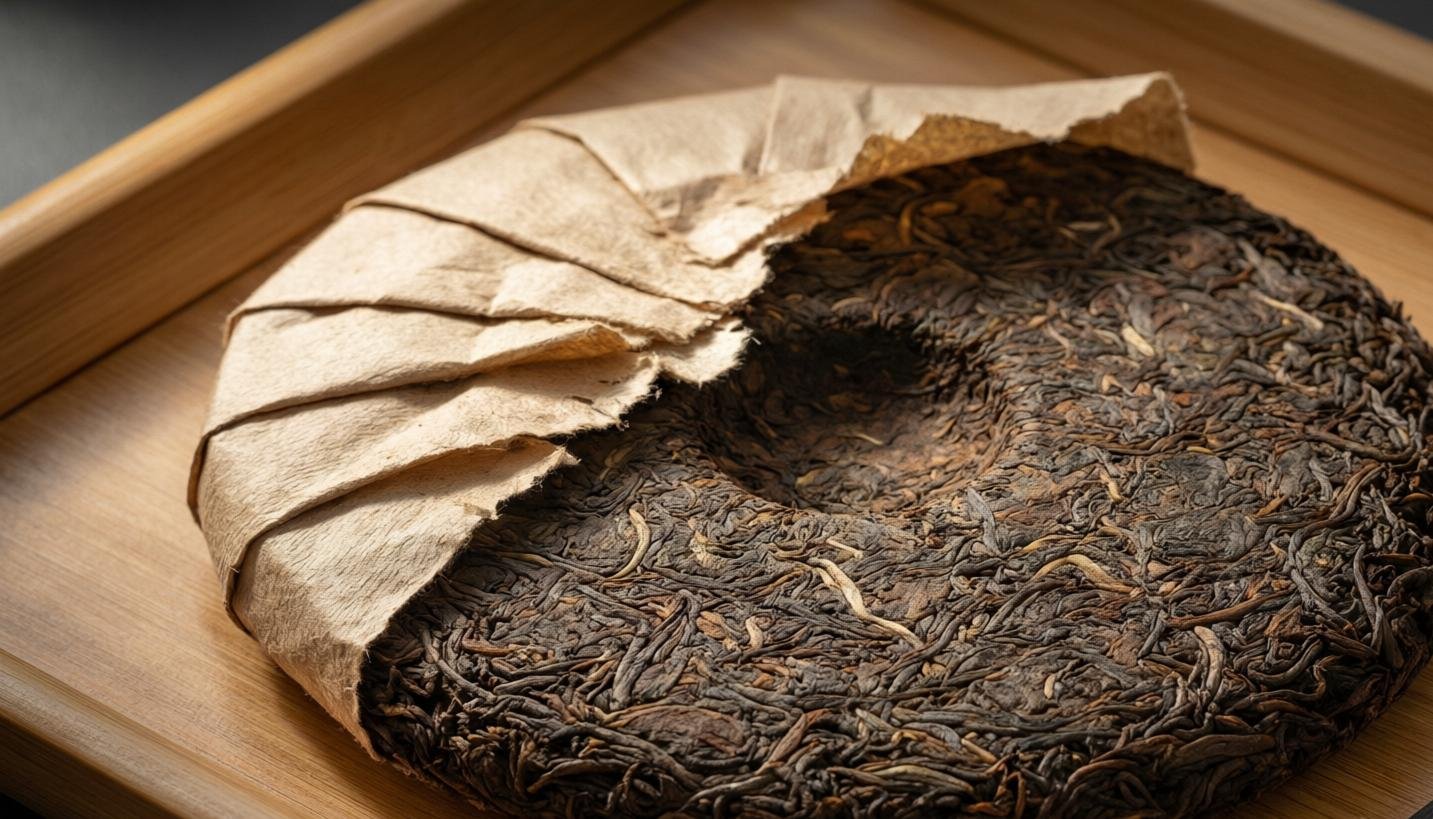
Naka is a Menghai-region pu-erh, and like most Yunnan pu-erh, it is built for long holding when the storage environment is controlled. Under China's product standard for pu-erh, the tea is defined by its Yunnan origin and processing route rather than by a consume-by date [1]. That does not mean every cake ages well. It means the ceiling on its useful life is usually set by moisture, temperature, odour, and light—not by the calendar.
What Naka Pu-erh Is and Why Storage Matters
Naka pu-erh is a regional pu-erh from Menghai County in Xishuangbanna, Yunnan. It is produced as raw or ripe tea, then pressed into cakes, bricks, or tuo. Raw Naka tends to be tighter and more aromatic when young, with a bitterness that older examples round out over time. Ripe Naka is fermented before pressing, so it is softer and more approachable early on.
For wholesale buyers and private collectors, storage matters because pu-erh is one of the few tea categories that can legitimately improve with age. That improvement is not automatic. A badly stored cake loses clarity, absorbs warehouse odours, or develops the kind of stale, wet-cardboard character that no amount of airing can remove. Proper storage is therefore a preservation decision first and an aging decision second.
How Long Naka Pu-erh Keeps: Raw vs Ripe
Raw Naka pu-erh can keep for decades if the storage is stable. Under dry, low-odour conditions, many raw cakes are still drinkable after 10, 15, or 20 years, and some develop deeper sweetness and camphor notes. That is an observation, not a guarantee; the result depends on the leaf grade, pressing density, storage history, and whether the cake was ever exposed to excess humidity.
Ripe Naka pu-erh is more stable after production because the pile-fermentation step has already changed much of the leaf. It can still be held for many years, but it usually changes more slowly and has a narrower window where additional age makes a clear difference. Many buyers treat young ripe Naka as ready to drink and hold older examples mainly for inventory rotation or blend building.
Neither type should be treated as a green tea with a fixed shelf life. The relevant failure point is spoilage, and spoilage can happen in months or not at all, depending on storage.
The Core Storage Rules That Preserve Naka Pu-erh
Tea storage standards for Chinese tea generally require dry, ventilated, odour-free, light-protected conditions [2]. For Naka pu-erh, that translates into a few practical rules.
First, keep the tea away from strong odours. Pu-erh is porous. It picks up diesel, spice, perfume, cardboard, and kitchen smells quickly. Once the odour is in the leaf, it is difficult to remove.
Second, control humidity. The common operating window used by many Chinese tea warehouses and importers is roughly 50–65% relative humidity, with the lower end preferred for long-term clean aging and the higher end requiring more monitoring. If humidity stays high for long periods, the cake can grow mould or develop a dull, flat finish.
Third, avoid direct sunlight and heat. Light fades the character of the tea and accelerates off-flavours. Temperature swings are also unhelpful because they increase condensation risk inside packaging. A stable room temperature, generally in the low to mid-20s Celsius, is safer than a space that cycles hot and cold.
Fourth, keep the cake off the floor and away from concrete or untreated wood. Store it on a clean shelf, in its original wrapper or a food-grade cotton paper, and avoid airtight plastic if you want slow natural aging. For long-distance shipping, sealed food-grade packaging is acceptable for short periods, but the tea should be re-opened and rested after arrival.
Fifth, record what you hold. Harvest year, pressing house, lot number, purchase date, and storage route are the minimum facts needed to decide whether a cake is improving or just sitting. Buyers who track this information consistently make better resale and blending decisions later.
A simple educational example: a buyer who wants a raw Naka cake to develop the dry-stored Menghai profile of honey, wood, and camphor should choose a stable, low-odour room at moderate humidity rather than chasing fast change with wet storage. Wet storage can produce a soft, aged taste faster, but it also risks a musty finish that many Western buyers reject.
If you are holding more than a few tongs, storage stops being a household habit and becomes an inventory decision. A specialist at our sourcing desk can review your lot's harvest date, pressing style, and target market, then recommend the right dry-warehouse or natural-storage route. Email 427728483@qq.com with your lot size and destination, and we will point you to the storage parameter set that fits.
Signs Your Naka Pu-erh Has Gone Off
Not every stale cake is ruined, and not every aged cake with a little mustiness is unsaleable. But there are clear warning signs.
The first is visible mould. This appears as fuzzy white, green, or black spots, usually starting on the wrapper or the exposed edges of the cake. A light dusting of what looks like clean white bloom is not automatically safe to sell. If in doubt, isolate the cake and have it checked before mixing it with clean stock.
The second is a sour or sharp smell. Some young raw pu-erh can be tart, but a vinegary or burnt-sour aroma from a ripe or older raw cake usually signals poor storage or contamination.
The third is a flat, empty brew. If the tea loses its aroma and finish after a few steeps, or tastes like old paper and nothing else, it may have been stored too dry or too long without enough character to carry the age.
The fourth is oiliness or softness in the pressed tea. If the cake feels limp, oily, or unusually heavy for its size, moisture has likely entered the leaf. That lot should not be mixed with sound inventory.
When a damaged cake is identified, the practical move is to separate it immediately, note the storage condition, and decide whether it can be used in a lower-tier blend or should be written off. A single mouldy tong can contaminate the reputation of an entire shipment if it is not caught early.
Source Naka Pu-erh With a Storage Plan
If you are sourcing Naka pu-erh for retail, private label, or long-term holding, ask for more than a sample and a price. Request the harvest year, pressing date, moisture content, and lot-specific storage history. Tell the supplier whether you plan to hold the tea in dry warehouse conditions or natural storage, because that changes which lots are suitable.
Our Chinese tea suppliers team works with buyers to match Naka lots to the intended storage route and market. Contact us at 427728483@qq.com and include your target volume, packaging needs, and destination. We will help you build a sourcing plan that keeps the tea sound from the Yunnan warehouse to your shelf.
FAQ
Can Naka Pu-erh expire?
If stored incorrectly, it can become undrinkable within months. If stored well, raw Naka pu-erh can continue to develop for many years. The practical risk is not a calendar expiry but moisture, mould, and odour contamination.
Does raw Naka Pu-erh keep longer than ripe?
Raw Naka generally benefits more from long holding, and clean examples can remain drinkable for decades. Ripe Naka is more stable early on but usually changes less dramatically with age. Both require the same basic storage discipline.
Should I age Naka Pu-erh in a refrigerator?
No. Refrigeration risks condensation, odour transfer, and interrupted aging. Naka pu-erh is better kept at stable room temperature in a dry, clean, low-odour space.
What humidity is too high for Naka Pu-erh?
There is no single cutoff, but sustained humidity above roughly 65–70% increases mould risk unless the tea is monitored and repackaged regularly. For most buyers, staying near or below 60–65% is the safer long-term range.
How can I tell if an old Naka cake is still good?
Check for visible mould, unusual sourness, flat brews, and a soft or oily leaf texture. A clean appearance, clear aroma, and several steeps of present, defined flavour are better indicators than the age printed on the wrapper.
References
[1] GB/T 22111-2008, Product of Geographical Indication — Pu’er Tea, Standardization Administration of China.
[2] GB/T 30375-2013, Tea Storage, Standardization Administration of China.
No author description available.

白玉京