How Aging Changes Yiwu Pu-erh: A 10-Year Tasting Guide
Yiwu is one of the most instructive places to learn how raw pu-erh ages. Young Yiwu sheng often tastes soft, honeyed, and deceptively gentle, but that gentleness is not the whole story. Over a decade or more, the tea slowly trades fresh floral brightness for texture, depth, and a returning sweetness that lingers long after the cup is empty. This guide walks through what changes, why it changes, and how to taste aged Yiwu with a buyer’s eye.
Why Yiwu Ages Differently
Yiwu is a historic tea-producing area in Mengla County, Xishuangbanna, in southern Yunnan. The region’s protected pu-erh designation sits within the broader Yunnan large-leaf tea tradition defined in China’s geographical indication standard [1]. What makes Yiwu distinctive is not one dramatic trait but a combination: broad silver-backed leaves, older tea gardens with complex root systems, misty forest cover, and a softer aromatic profile than more aggressive neighboring terroirs.
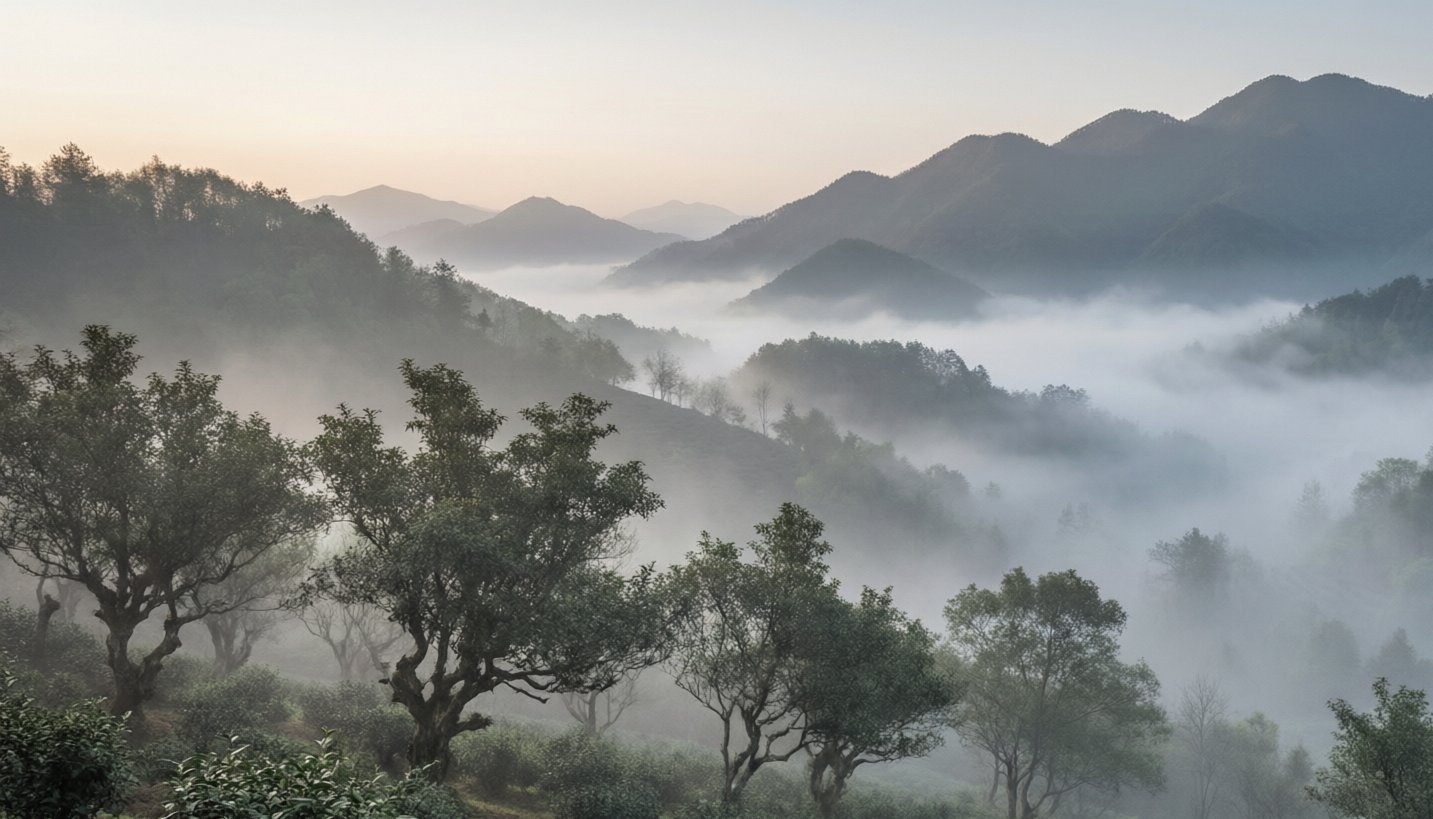
Young Yiwu raw pu-erh tends toward honey, stone fruit, wildflower, and a mild bitterness that often fades quickly into a sweet aftertaste. That balance matters in aging. Teas that are only powerful at the start can take much longer to become drinkable, while Yiwu’s early gentleness gives it a graceful path into maturity. However, "gentle" should not be mistaken for "simple." With clean storage, aged Yiwu develops layered aromas that many tasters describe as dried jujube, camphor, old wood, and warm honey.
How Flavor, Aroma, and Liquor Change Over Time
Aging is not a single event. It is a slow gradient, and different batches move at different speeds because leaf grade, compression, storage humidity, and starting material all matter. The table below is a practical tasting reference for cleanly stored dry-aged Yiwu sheng, not a guarantee for every cake.
| Approximate age | Liquor color | Aroma | Taste and mouthfeel |
|---|---|---|---|
| 0–2 years | Pale gold, sometimes greenish | Fresh honey, wildflower, cut grass, subtle fruit | Soft bitterness, juicy feel, quick returning sweetness |
| 3–7 years | Deep gold to light amber | Honey, dried fruit, light wood, sometimes camphor | Smoother, rounder, early signs of aged texture |
| 8–15 years | Amber to orange-brown | Warm camphor, old wood, dried jujube, faint herbs | Silky, relaxed, persistent huigan and cooling finish |
| 16+ years | Dark amber to reddish brown | Aged incense, forest floor, medicinal sweetness, complex wood | Mellow, thick, long aftertaste with little astringency |
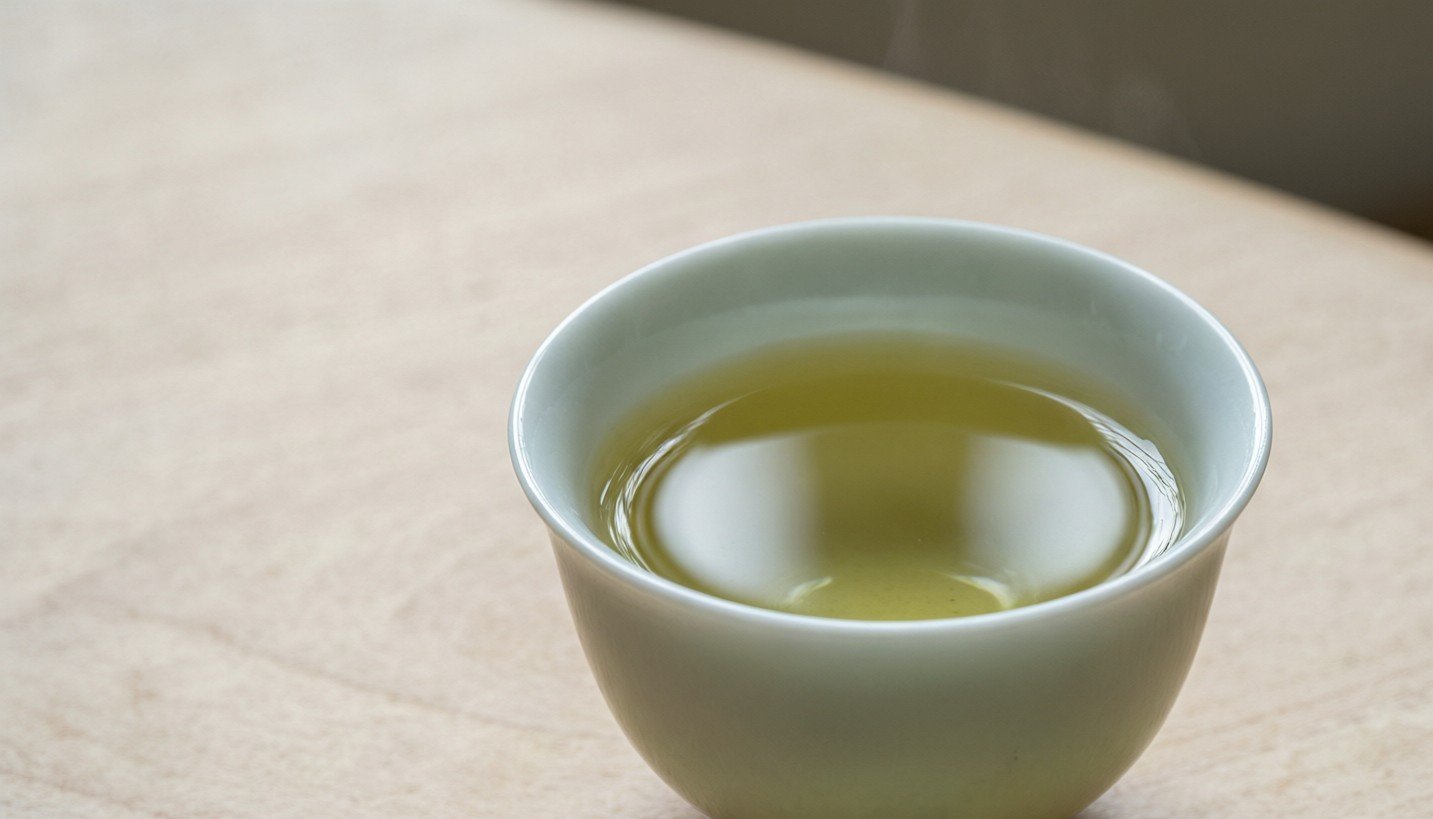
One of the most reliable markers is not the color alone but how the color arrives. A properly aged Yiwu tends to darken at the rim first and keep a bright, clear center when young. Muddy, flat brown liquor can signal problematic humidity or poorly controlled wet storage. Some early darkening is normal after years in a warm, humid climate, but it should come with clarity and sweetness rather than an earthy, cellar-like heaviness.
What Drives the Change—and What Storage Controls
Raw pu-erh aging is a slow combination of enzymatic change, mild oxidation, and microbial activity acting on sun-dried large-leaf material. Research on pu-erh processing and chemistry shows that the original catechin profile shifts substantially over time; astringent polyphenols transform while other compounds accumulate, which helps explain the softer mouthfeel of older tea [2]. Later work on pu-erh fermentation and storage has emphasized that temperature, humidity, and oxygen access direct how quickly and how cleanly those changes proceed [3].
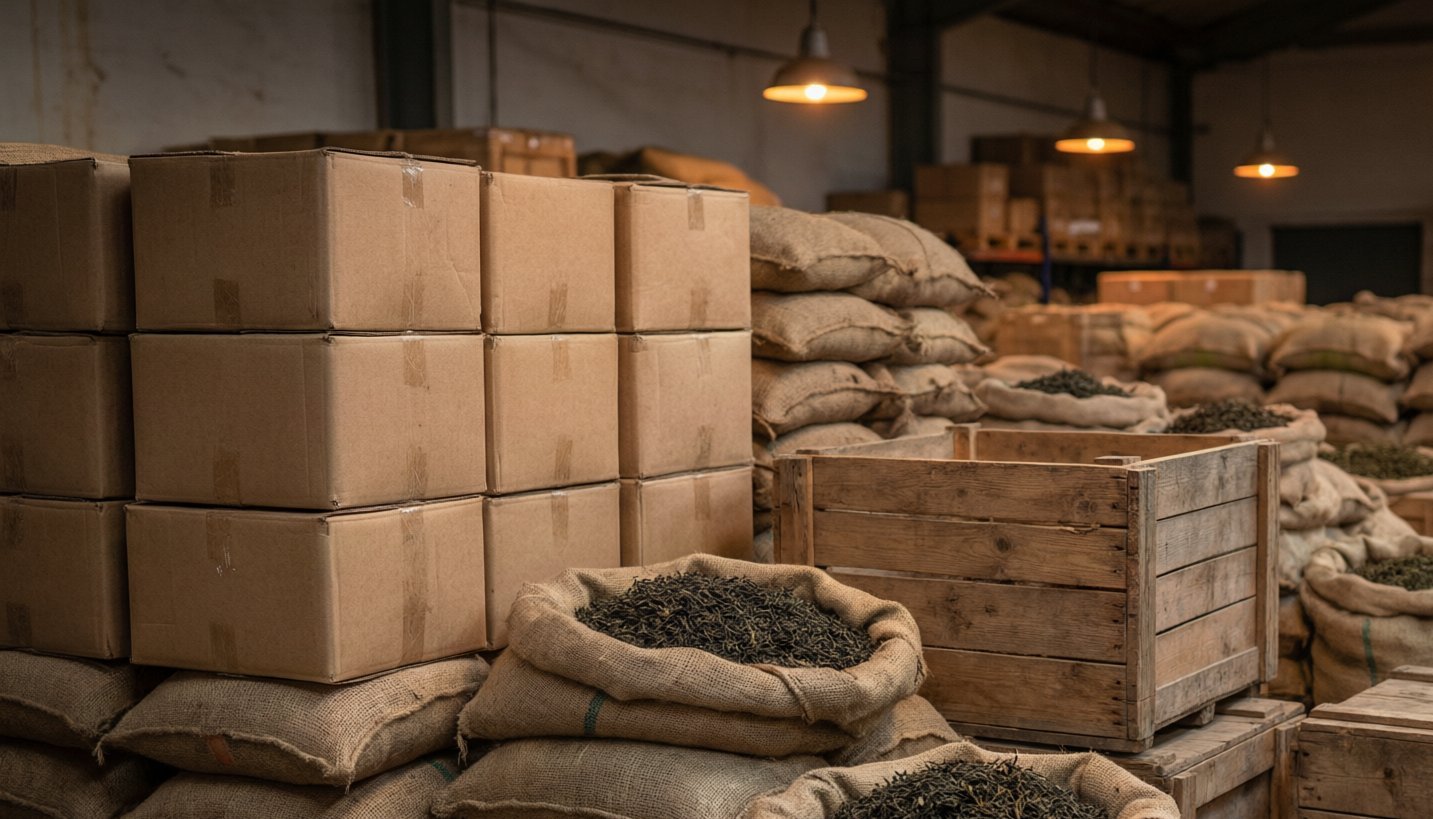
Storage is the largest variable in the final result. Dry storage, common in Kunming and other relatively dry inland areas, preserves fragrance but slows the change. Warmer and more humid storage, such as traditional Hong Kong or parts of southern China, accelerates mellowing but demands careful air control to avoid mold and stale air pockets. Very dry storage can leave a tea feeling "green" for years. Excessively wet storage can flatten the tea into one-note earthiness. The cleanest aged Yiwu usually comes from moderate humidity with steady air exchange, and the best way to verify that is to taste the tea, not just read the storage story [4].
How to Taste Aged Yiwu Like a Buyer
When you cup aged Yiwu, do not rush the first rinse. A quick hot rinse wakes the leaves and gives you an early aromatic impression. Smell the lid or the empty cup after the rinse: clean aged Yiwu often shows dry fruit, warm wood, and a cooling camphor note. A sour, musty, or sharply fungal smell is a warning flag.
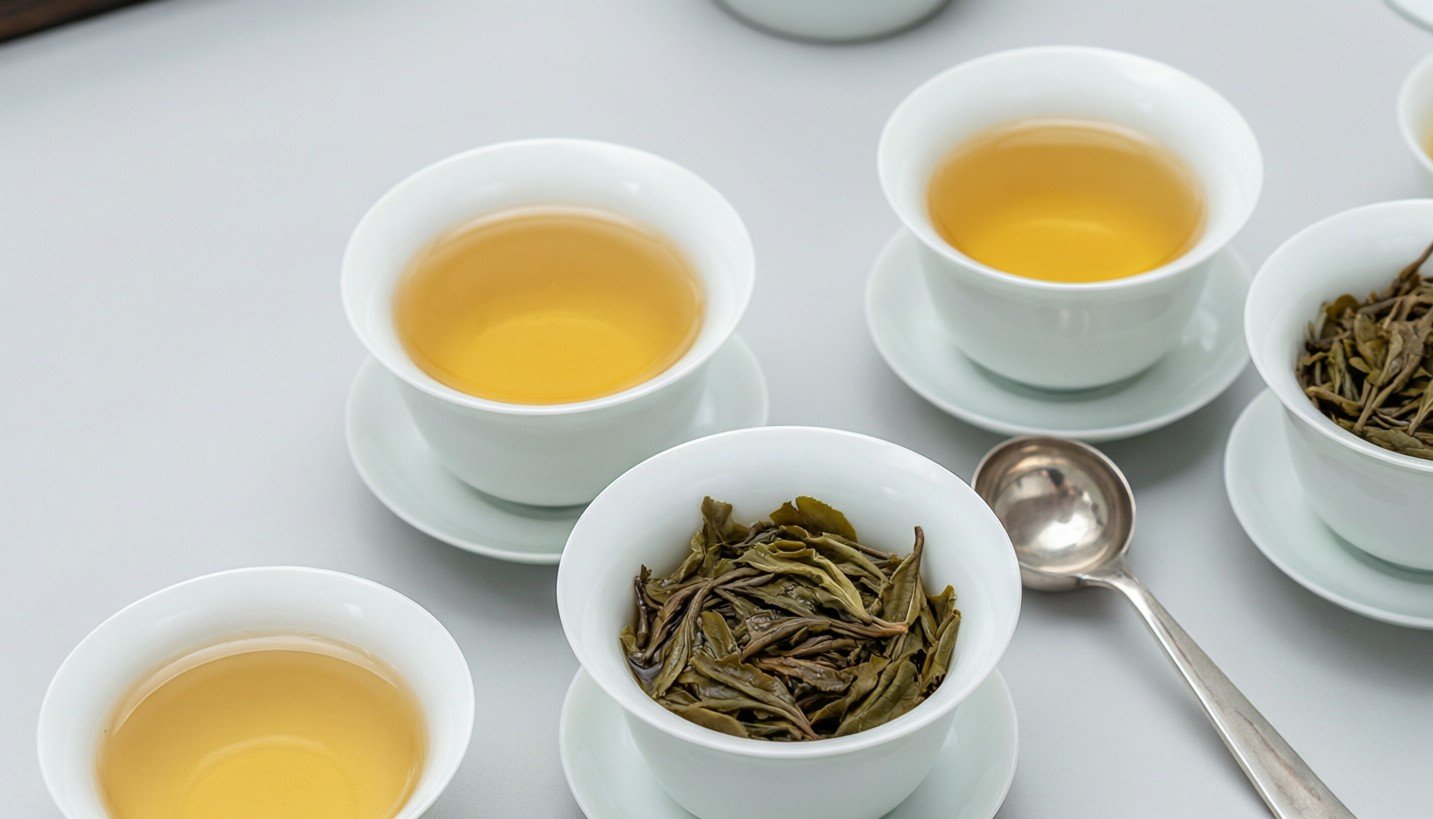
Use short first infusions, about 5 to 10 seconds with near-boiling water for older sheng, and lengthen gradually. Pay attention to three things beyond the first sip. First, texture: aged Yiwu should feel coating and soft rather than thin or sandy. Second, clarity: the taste should be legible across infusions, not muddy. Third, the aftertaste: quality aged Yiwu returns sweetness in the throat and sides of the tongue long after swallowing. A tea that only tastes good in the first two infusions and then collapses has usually been stored poorly or was never strong material to begin with.
Comparing three samples from the same Yiwu village at different ages is the fastest way to train your palate. If you need help arranging small reference samples or verifying a lot before buying, contact our sourcing team at xuansc2144@gmail.com.
Common Aging Myths Worth Discarding
One stubborn myth is that older is always better. Age alone does not fix weak material or careless storage. A mediocre tea at twenty years old is still a mediocre tea, just mellow. Another common error is judging an aged Yiwu only by how dark the leaves or liquor have become. Dark color can be pushed by high humidity, but the test of aging quality is clarity, sweetness, and staying power across infusions [5].
It is also worth being cautious about the phrase "ancient tree" as a substitute for tasting. Old-tree Yiwu can age beautifully, but so can well-made plantation tea from a good harvest. The label tells you less than the cup. Finally, not every Yiwu is identical. Different villages, batches, and storage histories produce very different aged expressions, so single cakes should always be sampled before a larger purchase.
Sourcing Aged Yiwu Pu-erh
If you are buying aged Yiwu for a shop or personal collection, ask for the storage history, photos of the wrapper and cake edges, and a 5–7 gram tasting sample before committing. Request a small amount of the same lot for side-by-side cupping, and compare it against a younger sample whenever possible.
Need help locating cleanly stored Yiwu sheng or building a reference set? Email our team at xuansc2144@gmail.com with the region or village you are interested in, your preferred age range, and your budget. We can help arrange tasting samples and walk through pricing before you buy.
FAQ
Does all Yiwu pu-erh improve with age?
Not automatically. Good raw material and clean storage are the two conditions that matter most. Yiwu’s naturally soft, sweet profile gives many batches strong aging potential, but weak leaf, heavy damage, or poor humidity control can still produce flat or faulty tea.
How can I tell a dry-stored aged Yiwu from a wet-stored one?
Dry-stored tea usually keeps more high, clear aromas such as honey, dried fruit, and camphor, with a slow transformation and brighter finish. Wet-stored tea can smooth out quickly but may show earthy, cellar-like notes and lose high aromatics. These are tendencies, not absolute rules, and some moderate storage produces excellent results.
At what age does Yiwu pu-erh taste best?
That depends on personal taste and storage speed. Many drinkers enjoy the energetic floral stage at three to five years, while others prefer the rounder, camphor-rich stage from eight to fifteen years. Well-kept examples can remain compelling well beyond fifteen years.
Does aged Yiwu pu-erh need special brewing?
It benefits from a quick rinse and short early infusions with water just off the boil. Break the cake gently to keep leaves intact, and use a gaiwan or small clay teapot. The goal is to let the tea open progressively rather than forcing color out too fast.
Is older Yiwu always more expensive?
No. Age is one factor among many. Village, tree age, original quality, storage condition, compression, and batch reputation often influence price more than the number of years alone.
References
[1] Standardization Administration of China, Product of geographical indication—Pu'er tea, GB/T 22111-2008, Beijing, China, 2008.
[2] H. P. Lv, Y. J. Zhang, Z. Lin, and Y. R. Liang, "Processing and chemical constituents of Pu-erh tea: A review," Food Research International, vol. 53, no. 2, pp. 608–618, 2013.
[3] L. Zhang, Z. L. Li, and C. T. Ho, "Microbial fermentation and its contribution to the sensory properties of Pu-erh tea," Food Research International, vol. 96, pp. 153–161, 2017.
[4] K. Gascoyne, F. Marchand, J. Desharnais, and H. Americi, Tea: History, Terroirs, Varieties, 2nd ed. Richmond Hill, ON, Canada: Firefly Books, 2014.
[5] M. L. Heiss and R. J. Heiss, The Story of Tea: A Cultural History and Drinking Guide. Berkeley, CA: Ten Speed Press, 2007.
No author description available.

白玉京