How Aging Changes Menghai Pu-erh: A Buyer’s Tasting Guide
Menghai Pu-erh changes with age in distinct, observable ways: bitterness and astringency soften, the liquor deepens in color, and the aroma moves from fresh and sometimes smoky or green notes toward dried fruit, camphor, aged wood, and earth. The exact path depends on two things: whether the material is sheng or shou, and whether storage supplied enough humidity without crossing into dampness. This guide breaks down what a buyer can taste at different aging stages, what storage conditions do, and how to evaluate an aged Menghai Pu-erh before purchase.
What Actually Changes as Menghai Pu-erh Ages
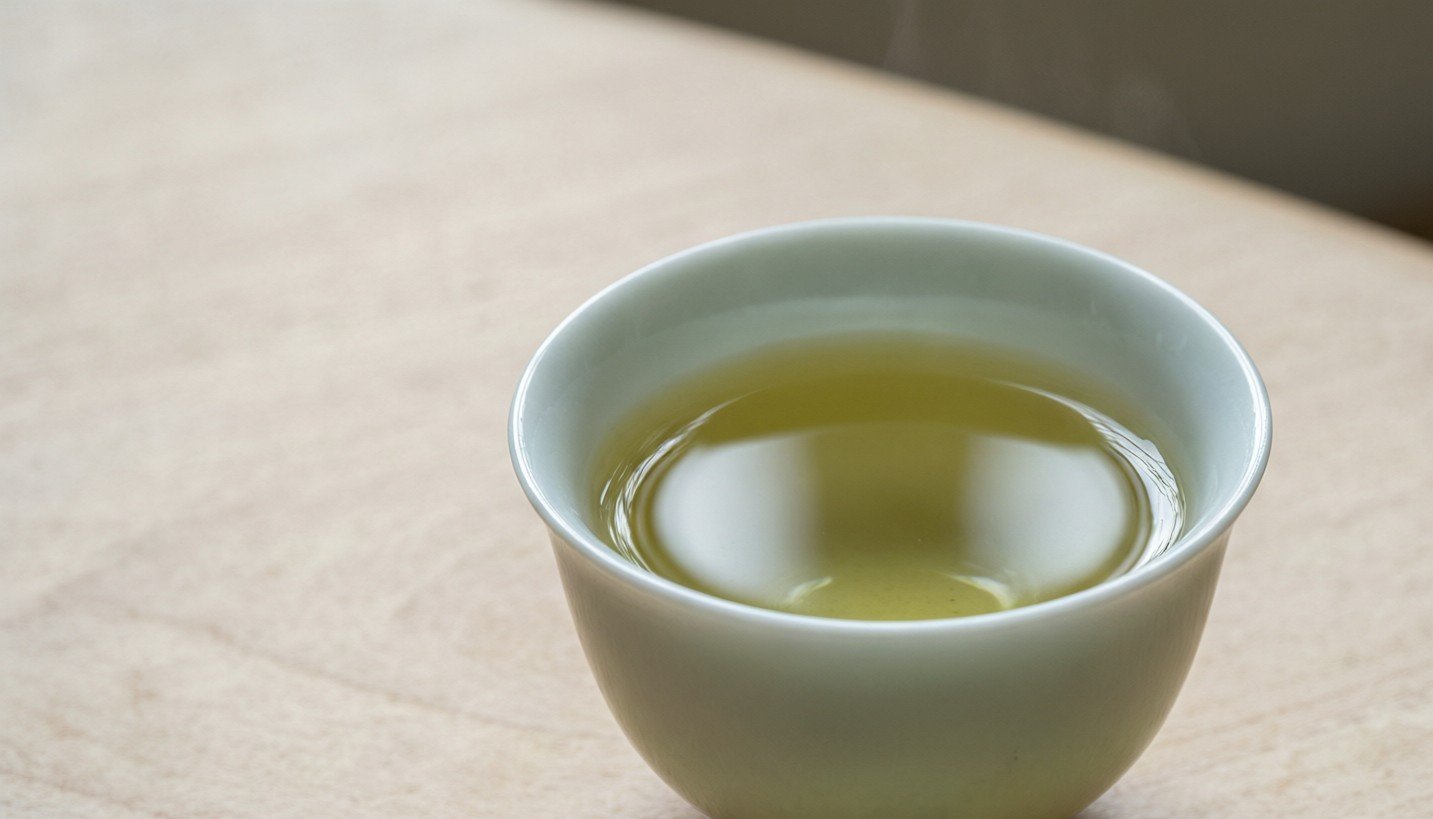
At leaf level, polyphenols, catechins, and amino acids gradually oxidize and transform through enzymatic and microbial activity. That is not the same as simple fading. The tea loses some of its early astringency because certain polyphenol complexes bind and precipitate, while microbial fermentation in sheng and continued post-fermentation in shou generate new aromatic compounds. The liquor becomes smoother, darker, and often thicker across infusions. A well-stored raw Menghai Pu-erh can move from a golden, slightly brisk early tea toward a deep amber or reddish broth with a longer finish, while a ripe tea typically deepens from reddish brown to a darker, cleaner, and rounder cup with fewer heavy fermentation notes.
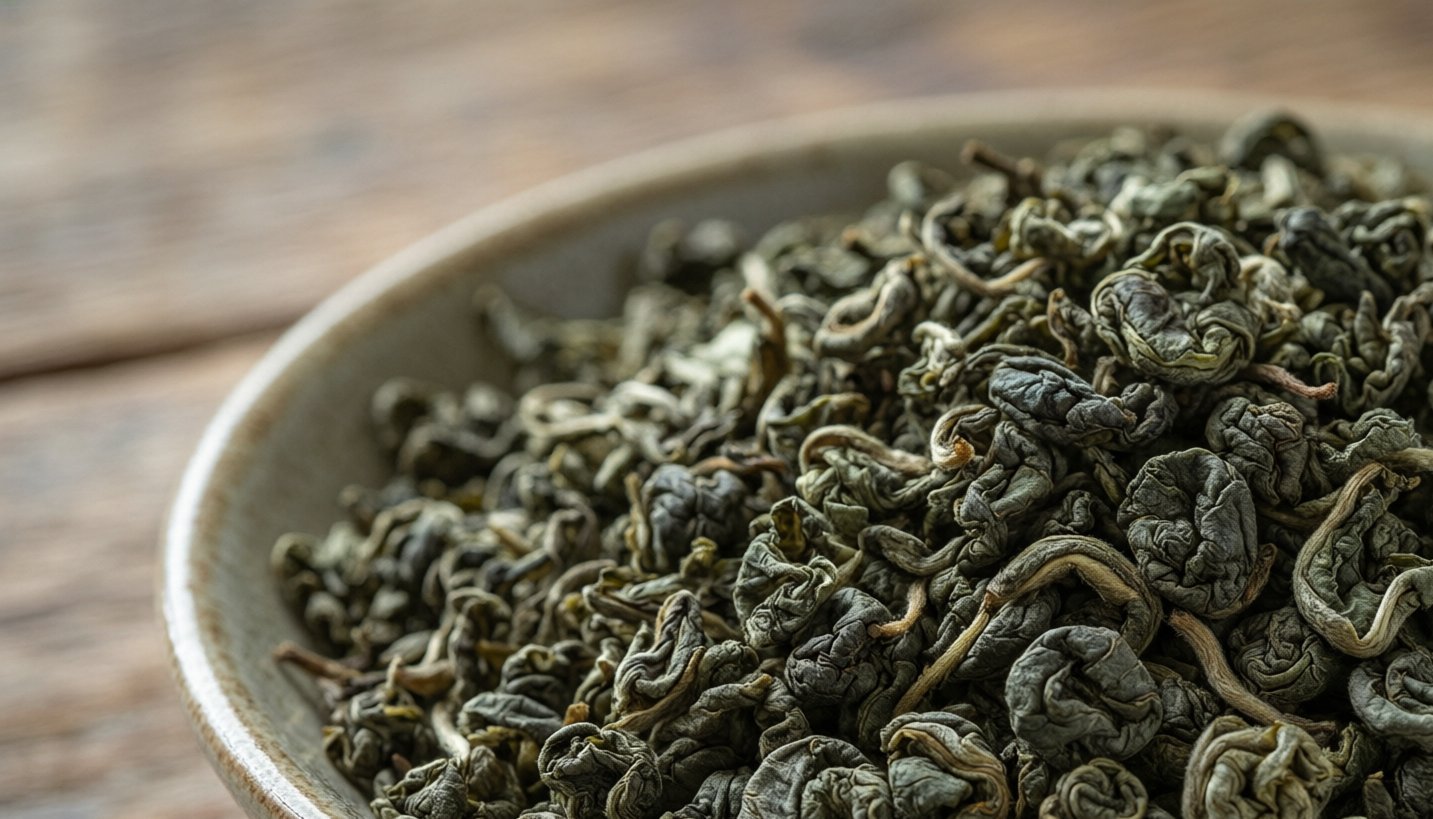
Those changes are not guaranteed by age alone. Storage conditions can slow them or push them off course.
Tasting Markers at Each Aging Stage
Age windows are approximate and vary by storage, compression, and raw material. The table below is a practical comparison for a well-stored raw Menghai Pu-erh sampled with the same brewing method.
| Typical age | Liquor color | Aroma and taste | Mouthfeel and finish |
|---|---|---|---|
| New, 0 to 3 years | Bright yellow to golden | Fresh, lively, sometimes floral, green, or lightly smoky | Brisk, astringent, medium-bodied |
| Young, 3 to 7 years | Amber | Honey, dried fruit, light camphor | Astringency softening, rounder |
| Developing, 7 to 12 years | Deep amber to reddish | Dried jujube, camphor, wood, incense | Smooth, thicker, lasting sweetness |
| Mature, 12 to 20 years | Reddish brown | Aged wood, dates, medicinal, clean storage | Silky, deep, calming |
| Aged, 20 plus years | Dark red to brown | Aged paper, camphor, earth, pine, complex | Soft but structured, long finish |
For ripe shou, the same timeline is less dramatic. Most of the sharpness is removed during wet-piling, so additional aging mainly rounds out residual pile-fermentation notes and deepens the broth. A five-year-old shou is often smoother and sweeter than a new one, but it will not gain the aromatic distance of an aged sheng.
Raw Sheng and Ripe Shou Age on Different Paths
Raw Menghai Pu-erh has the wider aging arc. Its early bitterness, smoke, and floral top notes gradually turn into aged fruit, camphor, and wood, and its body can become both smoother and more concentrated. The tradeoff is time and risk: under-aged raw tea can be harsh for some drinkers, and poor storage can produce sour or tired tea instead of aged character.
Ripe Menghai Pu-erh starts closer to its destination. Wet-piling fermentation already converts much of the material into dark, earthy, mellow tea, so additional years mostly settle the pile flavor, increase sweetness, and clean up the aftertaste. Ripe tea is easier to drink young, but its aging curve is narrower. Buyers who want the clearest transformation from age should focus on raw sheng; buyers who want a forgiving daily tea with modest age benefit may prefer ripe.
Storage Conditions That Accelerate or Slow Aging
Temperature, humidity, airflow, and odor control matter as much as the tea itself. Warm, humid storage can speed enzymatic activity and deepen the tea quickly, but too much humidity invites mold, sourness, and a flat, dull cup. Dry storage preserves clarity and fruitiness but ages the tea more slowly, sometimes leaving a raw tea sharp longer than expected. The best storage keeps the cake dry enough to remain clean while allowing enough moisture for slow transformation.
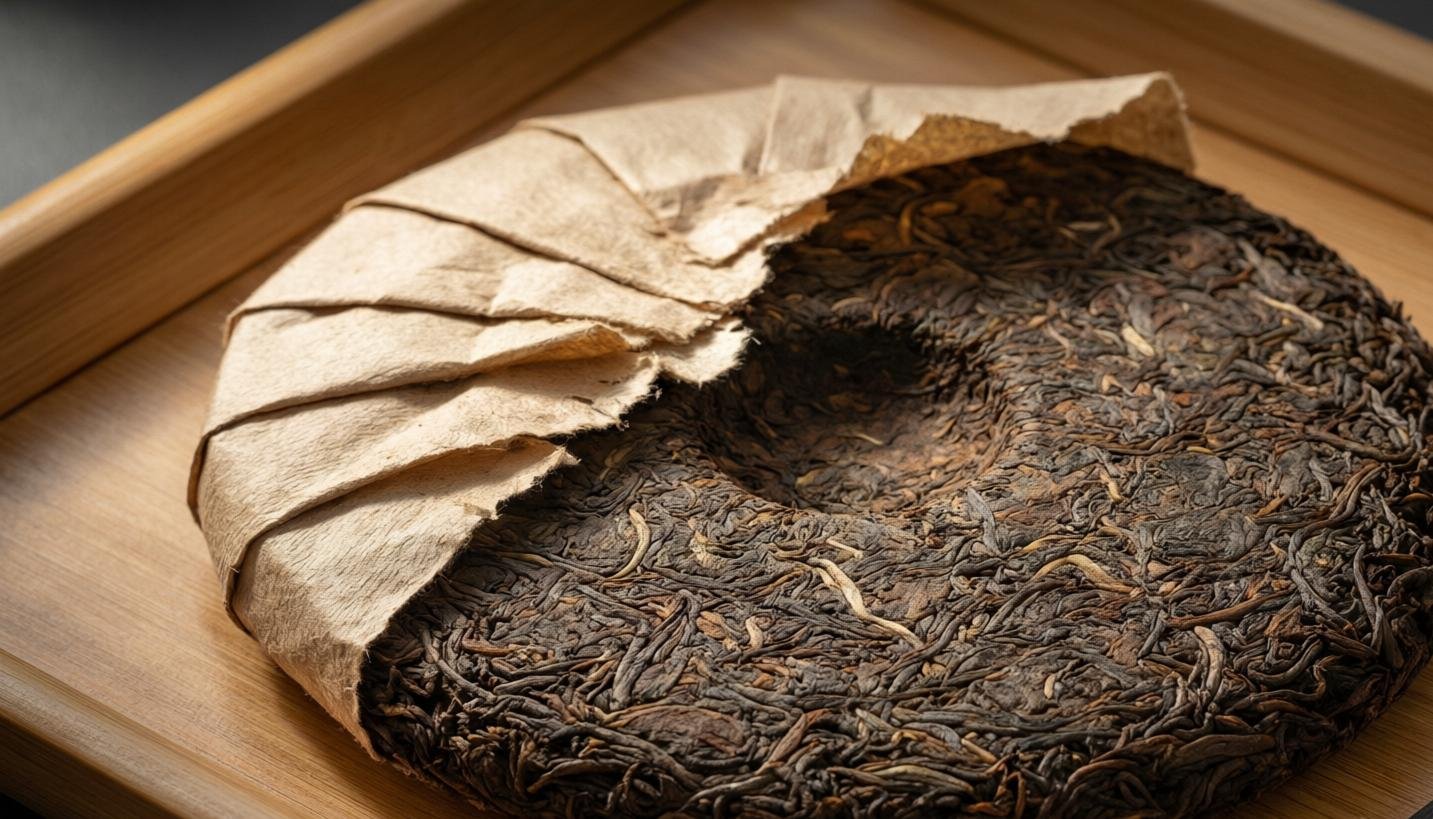
Compression also matters. A tightly pressed cake ages more slowly than a loosely compacted cake because air and moisture reach the inner leaves less freely. Traditional stone-pressed and factory cakes can sit at different points in the same storage room. When sampling, ask where and how the cake was stored, not only its age.
How to Taste Aged Menghai Pu-erh Like a Buyer
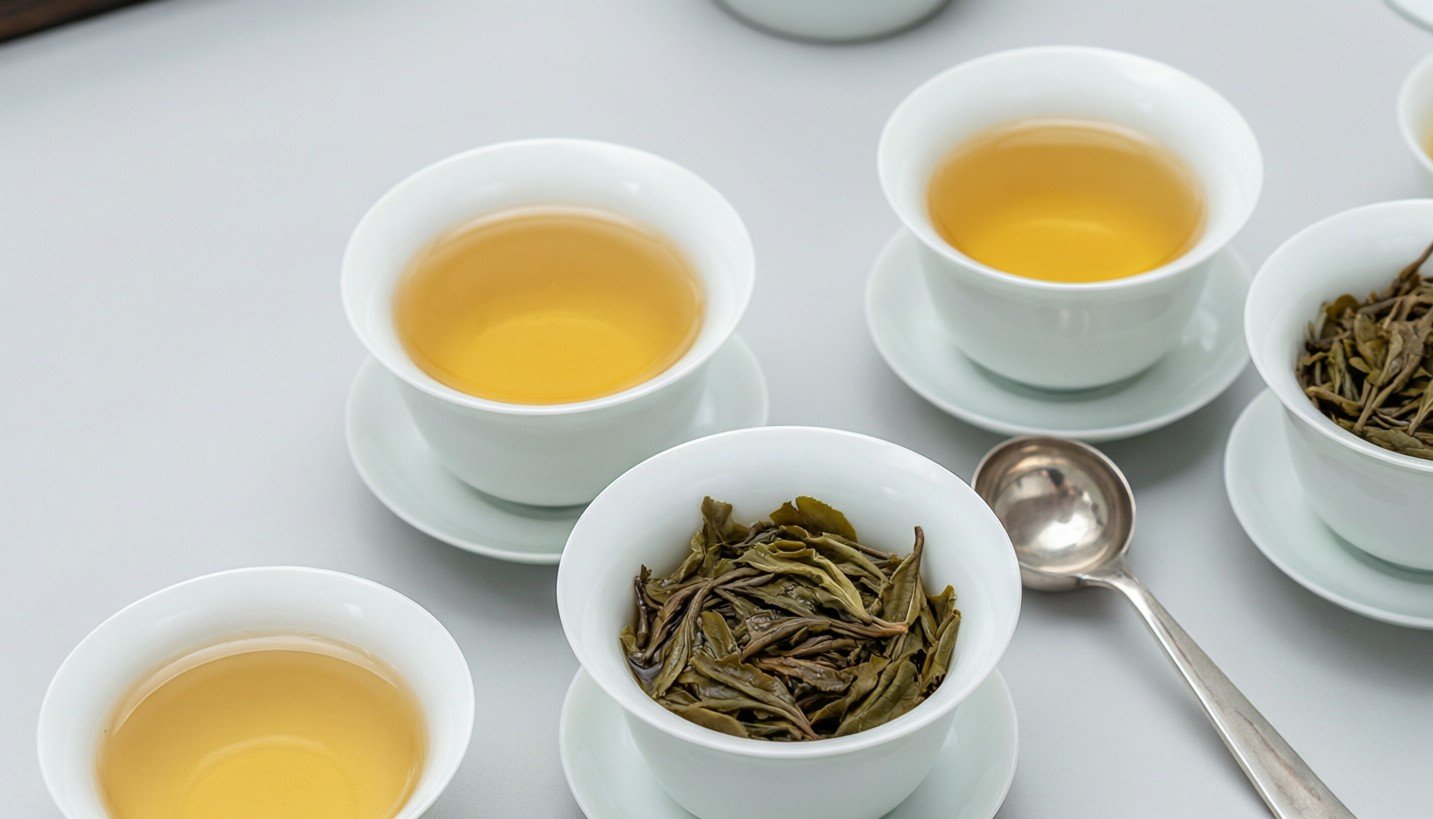
Use a clean, neutral setup and compare at least two teas side by side when possible. Break a sample from the same area of the cake, not only the outer edge, because wrapper contact and surface storage can make the outside taste different from the core. Rinse the leaf briefly, then use short steeps in a gaiwan or small pot.
Assess in order: dry leaf aroma, wet leaf aroma, liquor color and clarity, first taste, mid-palate thickness, aftertaste, and spent-leaf condition. A well-aged tea should taste integrated rather than hollow, and the sweetness should return in the throat after swallowing. Watch for off signals: sourness that does not fade, moldy or dusty notes, a dull flatness in the cup, or a soft, irregularly colored spent leaf. These cues can indicate poor storage even when the aging age sounds right.
Aging Myths That Lead Buyers Astray
One persistent myth is that older always means better. If the raw material is weak or the storage is bad, twenty years only produces an old tea with nothing to show for it. A second myth is that a darker liquor is a reliable age marker. Dark color can come from wet-piling, heavy oxidation, or brewing method, not only from years. A third is that humid storage is authentic and always good. Traditional Hong Kong or Guangdong storage can work when controlled, but uncontrolled dampness creates musty, sour, or flat tea. Finally, not every Menghai-area tea ages the same way, because leaf grade, recipe, and compression differ.
Sourcing Aged Menghai Pu-erh With Confidence
When you compare aged Menghai Pu-erh samples, ask the supplier for the storage background, sample location on the cake, and lot-specific tasting notes. Chinese tea suppliers can help you compare raw and ripe options across age ranges and storage profiles. Email 427728483@qq.com with your target age, raw or ripe preference, and any storage concerns.
FAQ
Does older Menghai Pu-erh always taste better?
No. Age amplifies the underlying material and storage. A poor leaf or humid-damaged cake can become worse over time, not better. Buy from known storage and sample before committing.
How can I tell if an aged Menghai Pu-erh was stored too wet?
Check the dry leaf aroma first. Damp, musty, sour, or mildewed notes are warning signs. In the cup, sourness that persists across infusions, dull flatness, or a soft and darkened spent leaf can also point to wet-storage damage.
Should I buy raw or ripe Menghai Pu-erh for aging?
Raw sheng offers the widest transformation, but it needs time and careful storage. Ripe shou is easier to drink young and becomes smoother within a few years, but it changes less dramatically. Choose raw if you want to observe long-term aging; choose ripe for a more approachable daily tea.
What should I ask a supplier before buying aged Menghai Pu-erh?
Ask about the origin and grade of the raw material, the production style, compression, storage location and years, and whether the tea was kept in wet or dry conditions. Also ask to sample from the cake before purchasing a larger lot.
Can I age Menghai Pu-erh at home?
Yes, if you control odor, temperature, and humidity. Avoid kitchens, direct sun, dry air, and strongly scented rooms. A clean, odor-free container or breathable wrap with stable room conditions and occasional airing can work, although home results are slower and less predictable than professional storage.
No author description available.

白玉京