What Is Yashixiang Dancong Tea? Flavor, Origin, Buying Tips
Yashixiang Dancong tea is a single-cultivar Phoenix Dancong oolong from the Fenghuang mountains near Chaozhou in Guangdong. The name translates roughly as "duck shit aroma," but the cup has nothing to do with farms or manure. It is a carefully processed oolong with a highly aromatic floral profile, usually centered on gardenia, honeysuckle, almond, and fresh pomelo. For importers and serious buyers, the real question is not the provocative name; it is how to recognize the cultivar's lifted aroma, clean sweetness, and the roast level that fits the intended market.
What Is Yashixiang Dancong Tea
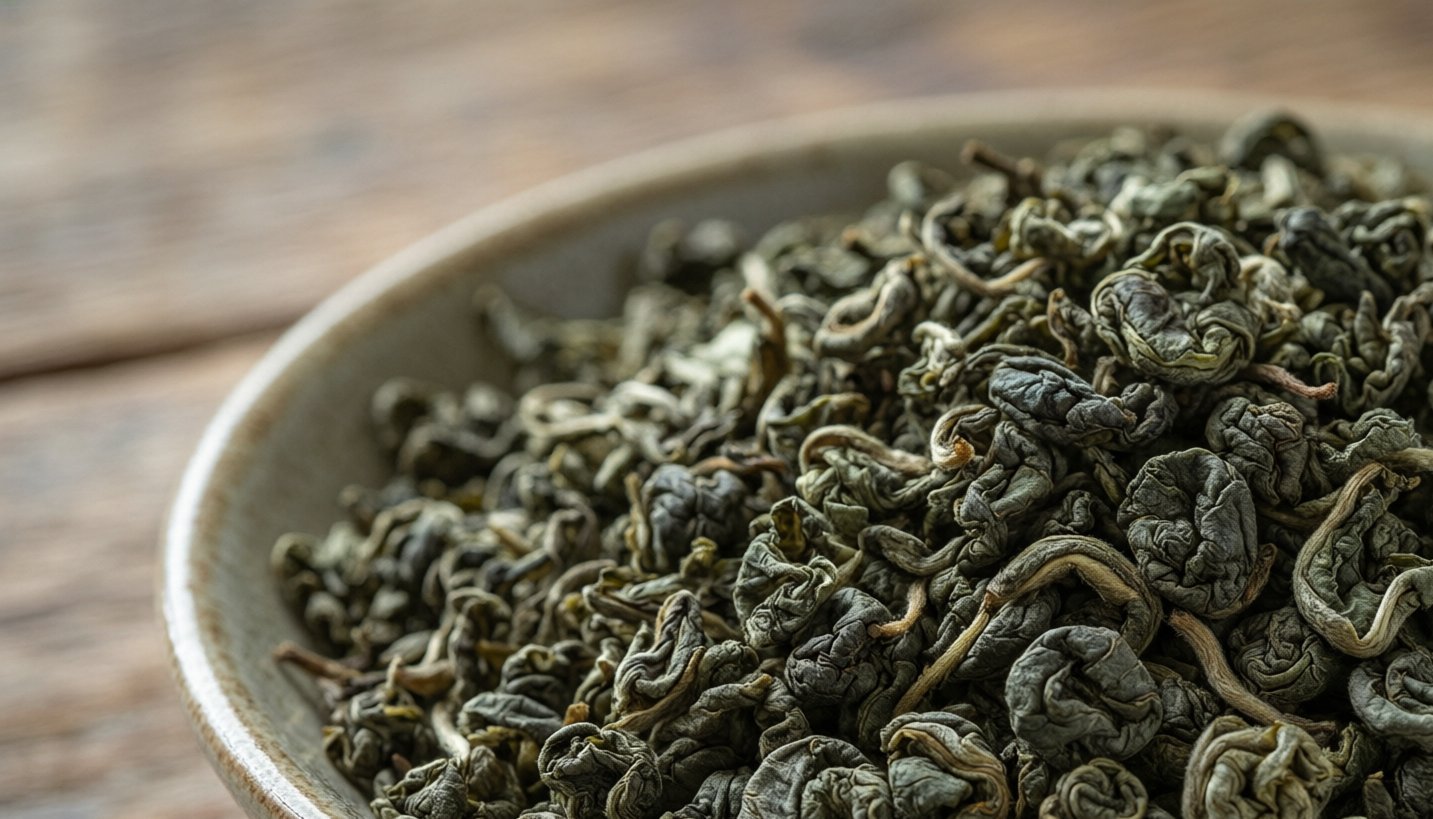
Yashixiang is a Phoenix Dancong oolong made from a specific tea cultivar selected and reproduced by growers in Fenghuang Town. Unlike blended oolong, Dancong traditionally relies on a single bush or a single cultivar, which makes the aromatic character stable only when the plant material and processing are controlled. Yashixiang belongs to the "aroma types" of Fenghuang Dancong, a system in which different cultivars are grouped by their dominant scent. The Yashixiang group is best known for an intense floral lift that can read as gardenia, orchid, honey, or almond depending on the harvest, oxidation, and roast.
Where Yashixiang Dancong Tea Comes From
Yashixiang is tied to the Fenghuang tea region of Chaozhou, in eastern Guangdong Province, where high humidity, rocky mountain soil, and shaded hillsides support aromatic oolong production. The tea is grown primarily in village-level tea gardens, often sold by the village or cultivar name rather than by a single estate brand. For buyers, origin matters less as a guarantee and more as a way to screen whether the lot is genuinely from the Fenghuang Dancong family or an imitation made from a cheaper oolong with added fragrance. Real Yashixiang should smell bright and natural, not perfumed or flat.
Why It Is Called Duck Shit Aroma
The Chinese name Ya Shi Xiang translates literally as "duck shit aroma." The most widely repeated story is that the farmer chose the unpleasant name to stop people from stealing or copying the tea; another version links the name to the color and texture of the soil in the garden. What matters for buyers is that the name does not describe the cup. A well-made Yashixiang has no barnyard or manure note. It is a floral oolong whose nickname creates a marketing hook but can confuse first-time customers if it is not explained.
What Does Yashixiang Dancong Tea Taste Like
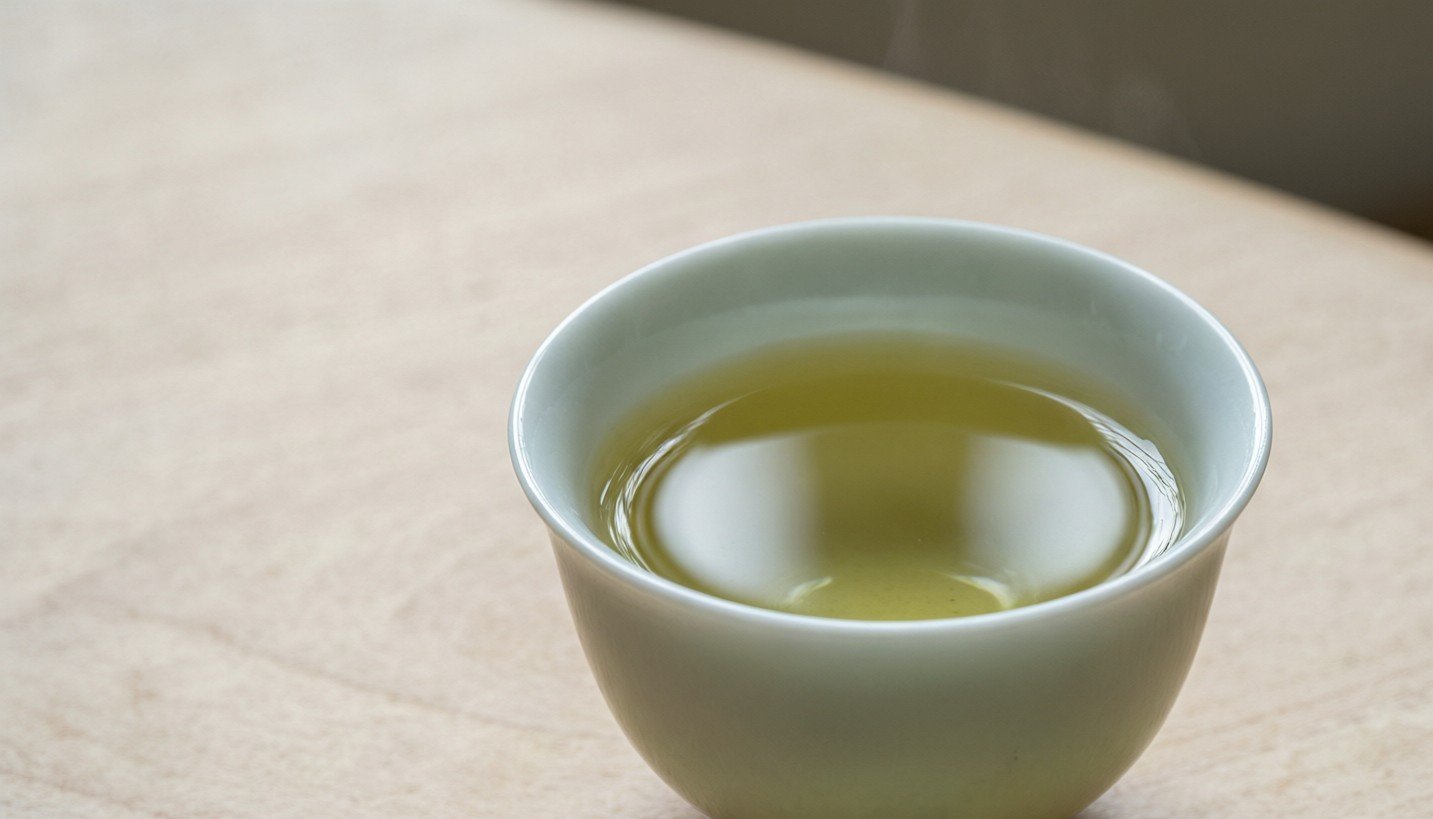
Expect a strong floral opening, a smooth and slightly syrupy body, and a sweet aftertaste that lingers in the throat rather than turning bitter. The exact aroma shifts with the roast: lighter roasts emphasize fresh flowers and green fruit, while moderate roasts bring out honey, almond, and a warmer baked note. Yashixiang can taste fruity without added flavoring. The key quality cue is that the high aroma should come naturally from the leaf, not from an obvious fragrance or a rough astringency.
| Dancong aroma family | Typical notes to look for | Common buyer confusion |
| Yashixiang | Gardenia, honeysuckle, almond, pomelo | Name suggests animal or barnyard notes that should not be present |
| Milanxiang | Honey orchid, citrus, peach | Sometimes marketed as the only premium Dancong, but quality depends on the lot |
| Zhilanxiang | Orchid, magnolia, honey | Light orchid aroma can be imitated with lower-grade leaves and flavoring |
How Yashixiang Dancong Tea Is Made
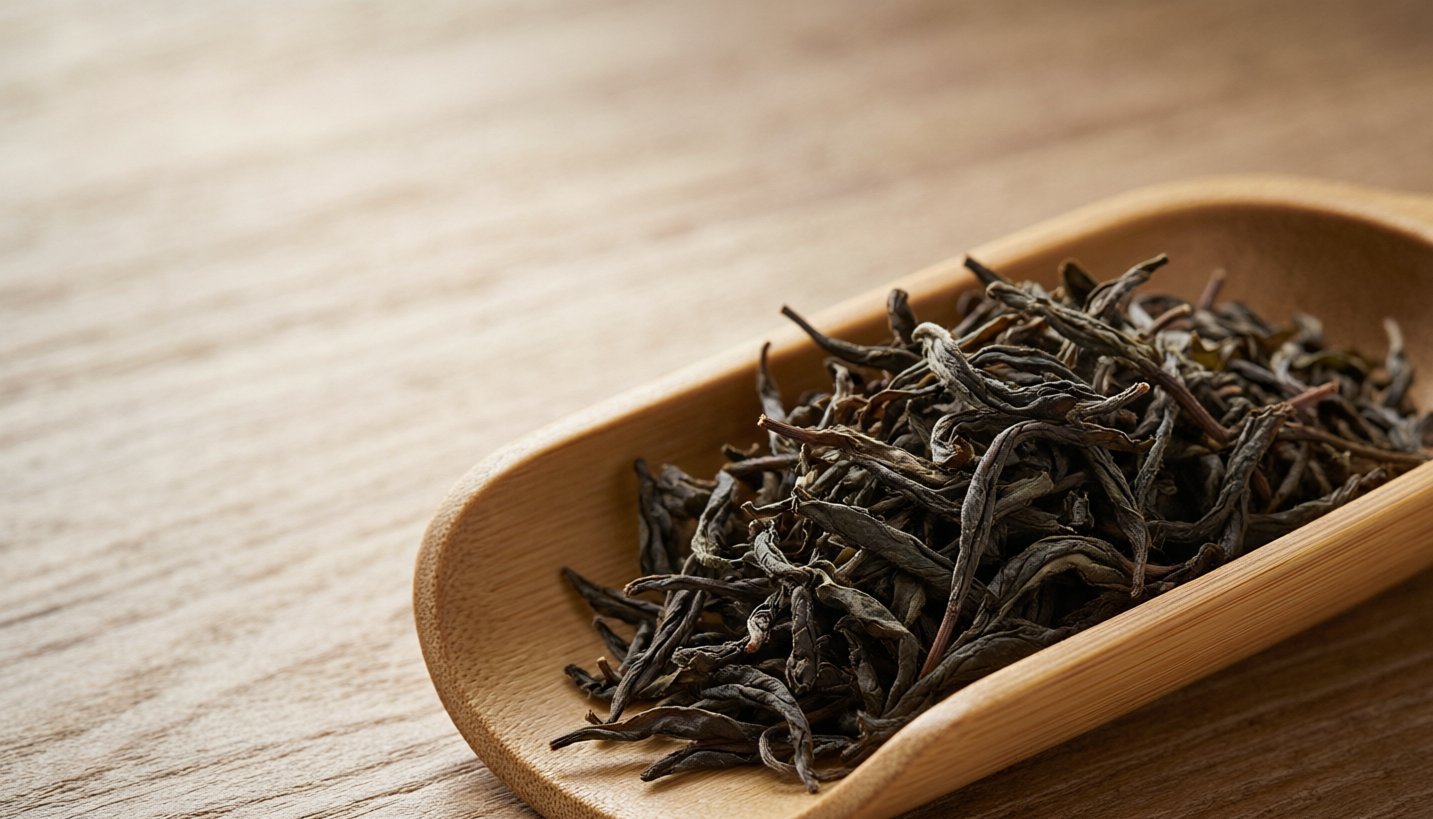
Yashixiang follows the standard Dancong oolong logic: the leaves are withered, then gently bruised and tossed to start oxidation, then fired to fix the leaf and preserve the aroma. The bruising step is especially important because it releases the aromatic compounds that define Yashixiang. After fixing, the leaves are rolled into their typical long, slightly twisted strip shape and dried. Most Yashixiang on the market is lightly to moderately roasted, which keeps the floral aromatics prominent. Heavier roasts are less common and change the tea into a warmer, nuttier style.
How to Buy and Brew Yashixiang Dancong Tea
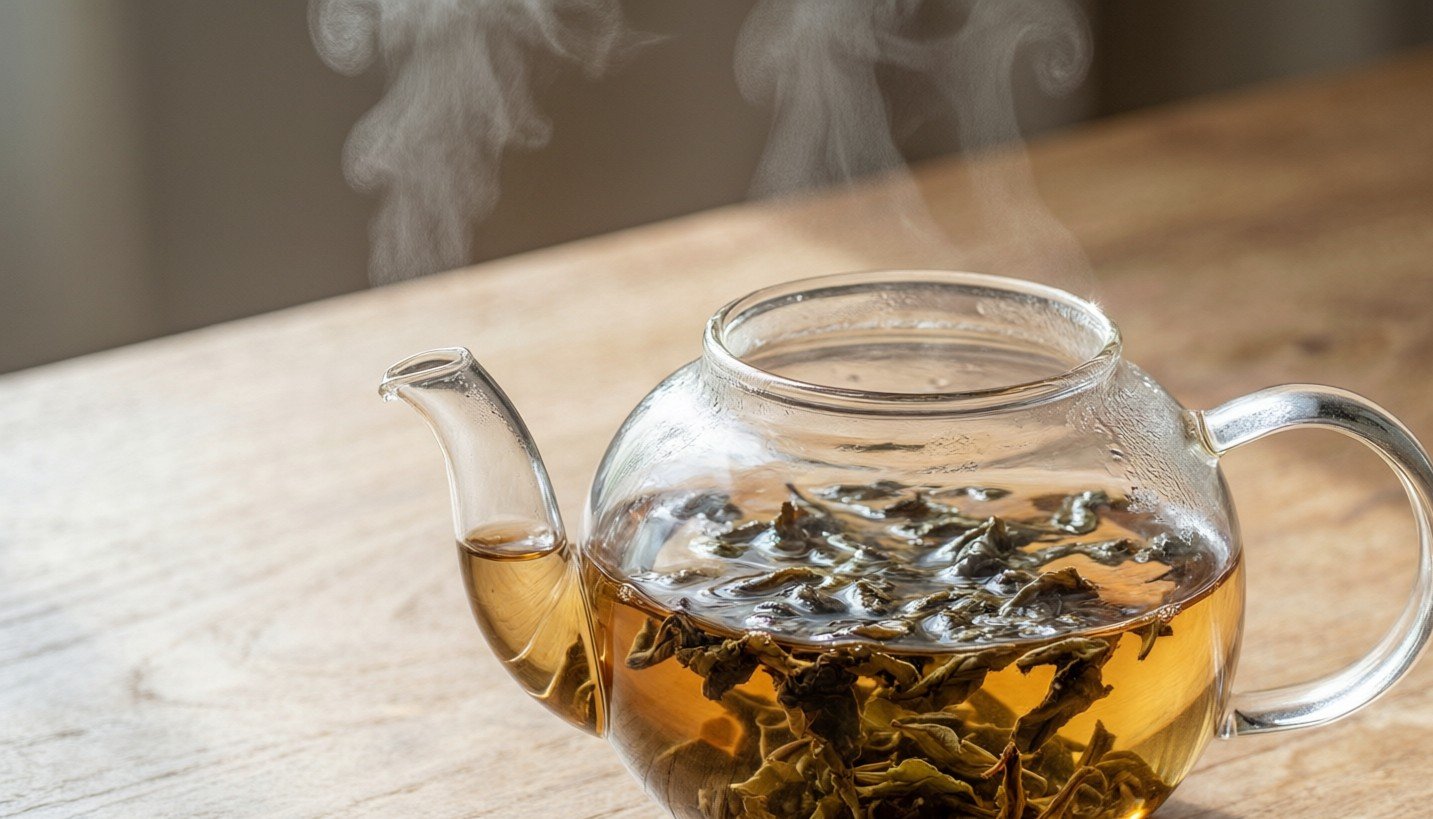
When buying, ask for the harvest season, roast level, and whether the lot is single-cultivar or blended. Spring harvest is often the most aromatic and balanced from the same garden, but the exact cup depends on weather and processing. Request samples and cup them side by side against another Dancong to check whether the floral note fades quickly or lingers. For brewing, use near-boiling water, a small teapot or gaiwan, and very short first infusions, lengthening the steeping time as the leaves open. The tea should not need sugar or milk; if the dry leaves smell like cheap perfume, treat that as a red flag.
Plan Your Yashixiang Dancong Order
If you are comparing suppliers or preparing an import order, specify the Dancong cultivar or aroma family you actually need: Yashixiang, Milanxiang, or another named type. Include roast level, target leaf grade, harvest season, and sample quantity. At Chinese tea suppliers, we can help you screen Fenghuang Dancong lots and arrange samples before bulk commitment. Email 427728483@qq.com with your target profile and destination market.
FAQ
Does Yashixiang Dancong tea really taste like duck?
No. The name is a transliteration and an old market story, not a flavor description. A clean Yashixiang cup is floral and sweet. If a sample has a genuine animal or manure smell, it is either defective or not true Yashixiang.
Is Yashixiang Dancong tea high in caffeine?
It contains moderate caffeine, generally comparable to other oolong teas and less than a similar serving of coffee. Caffeine content varies with leaf grade, harvest material, and brewing time. If you need a lower-caffeine option, reduce the leaf amount and use shorter infusions rather than relying on a specific number without a lab report.
Does Yashixiang Dancong tea improve with age?
Traditional lightly or moderately roasted Yashixiang is usually best consumed within the first one to three years while the floral aromatics are bright. With careful storage it can mellow, but the high fragrance may fade. Only well-sealed, moderate-to-heavily roasted versions may develop in a different, warmer direction.
What is the difference between Yashixiang and Milanxiang Dancong?
They are different Dancong aroma selections. Yashixiang tends toward gardenia, honeysuckle, almond, and pomelo; Milanxiang tends toward honey-orchid sweetness with citrus or peach. Both can be high quality. The better lot is the one with clean, natural aroma and a long sweet finish, not the name alone.
How should I store Yashixiang Dancong tea?
Keep it sealed, cool, dry, and away from strong odors. For short-term drinking, an airtight foil or tea caddy works well. For longer storage, avoid frequent air exposure and extreme temperature swings. Lightly roasted Dancong should be consumed promptly because its high aromatics are the main selling point.
No author description available.

白玉京