Liu Bao vs Anhua Dark Tea: Which Should You Buy?
Liu Bao vs Anhua Dark Tea is a choice between two dark tea systems, not a simple ranking of better or worse. Liu Bao comes from the Liubao area in Guangxi and usually ages into a soft, earthy, sometimes camphor-like tea. Anhua dark tea comes from Anhua County in Hunan and covers several distinct formats, including Fu brick, Hei brick, Qianliang logs, and Tianjian. The sourcing decision depends on your customers' taste expectations, the age story you can support, and the unit formats your market will stock. This comparison separates the differences that affect buying, storage, and resale.
What Liu Bao and Anhua Dark Tea Actually Are
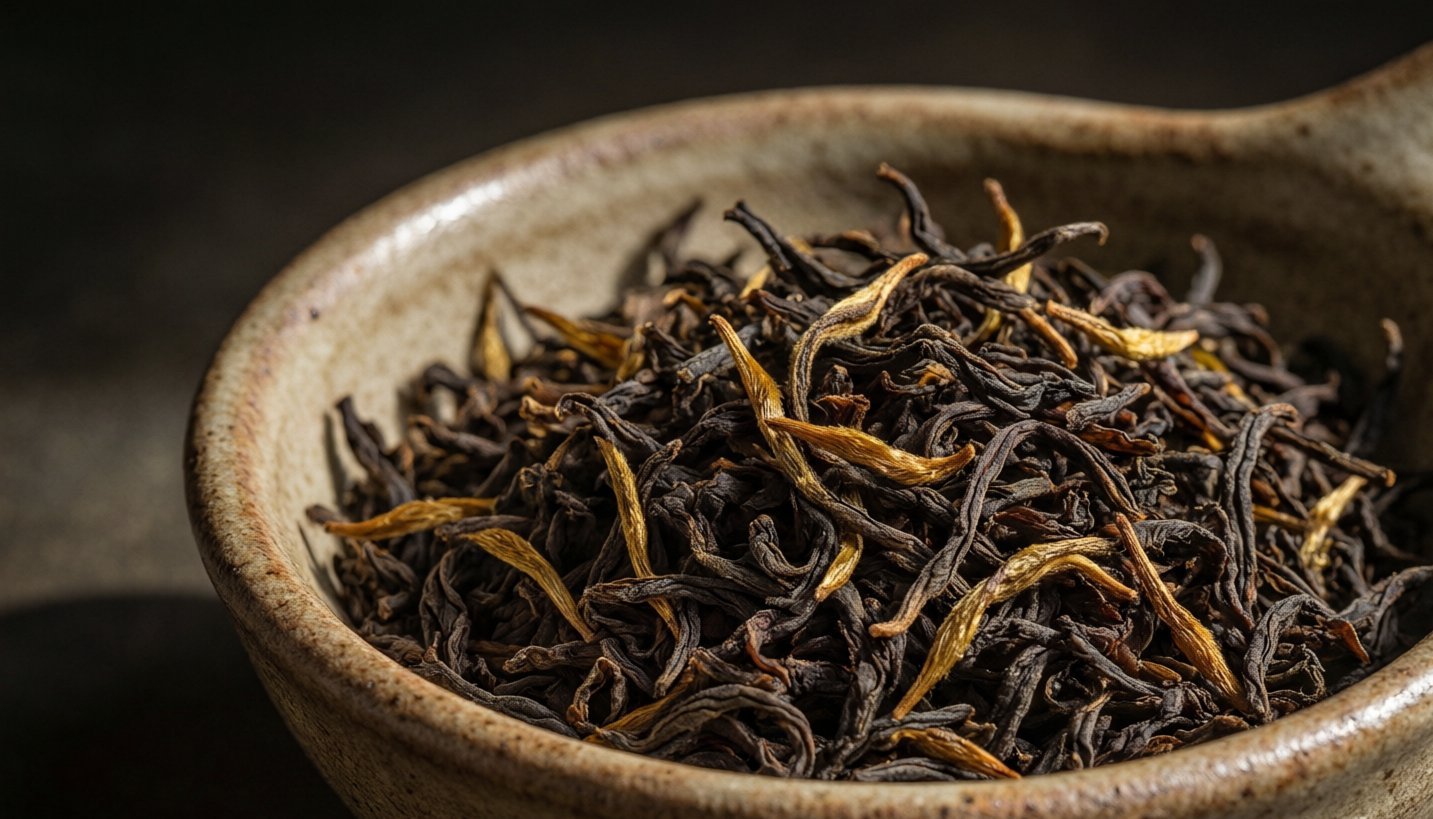
Liu Bao is a post-fermented tea made from local tea varieties in Guangxi. After initial fixing, rolling, and pile fermentation, it is normally packed into baskets or stored loose, then left to age. Many buyers know Liu Bao through older lots that develop a red-brown liquor and a gentle areca, camphor, or aged wood character. Its reputation is as a mellow, warming tea that can handle long aging when the leaves and storage are clean.

Anhua dark tea is an umbrella term rather than one recipe. The main formats include Fu Zhuan, a pressed brick that can develop golden flowers, Hei Zhuan, a darker brick, Qianliang, a large cylindrical log, and Tianjian, a higher-grade style. The common binding thread is Hunan raw material and varying degrees of pile fermentation, steaming, pressing, and drying. A buyer should therefore not compare Liu Bao against all Anhua tea as if Anhua were a single flavor.
Processing, Fermentation, and Aging Potential
Both teas are dark teas, but their post-fermentation paths differ. Liu Bao often spends time in a warm, humid pile fermentation after the initial tea-making steps. This develops a deep body and earthy base, after which the tea may be packed and aged for years. The result can range from young and slightly sour to mature and smooth, depending on storage and clean handling.
Anhua dark tea includes a more visible microbial step in Fu Zhuan production, when the pressed brick is held under controlled warmth and humidity so golden flowers can form. These flowers are not a generic sign that every dark tea is good; they are a specific feature of certain Fu brick lots. Hei brick and Qianliang often lean more smoky, woody, or grain-like, and they do not necessarily improve the same way as a carefully stored Liu Bao.
| Comparison point | Liu Bao signal | Anhua signal | Do not infer |
|---|---|---|---|
| Geographic claim | Liubao and Guangxi origin | Hunan and Anhua origin, but many subcategories | A regional label alone does not prove plant material, grade, or age |
| Microbial character | Earthy, camphor, aged herb notes | Golden flowers in Fu brick; broader range in other forms | Golden flowers are a Fu brick feature, not an all-Anhua quality marker |
| Age claim | Older lots can deepen with clean storage | Some formats improve; others are more stable | Aged wording must be backed by year, storage, and condition records |
| Pressing format | Basket, loose, or compressed lots | Brick, log, cake, or loose | Format does not determine quality or aging potential |
| Price signal | Swings with age story, storage, and region | Varies by format, flower quality, and brand | Higher price is not a substitute for tasting and testing |
Flavor, Aroma, and Brewing Character
Liu Bao at its best is mellow rather than sharp. The liquor can deepen from amber to a dark red-brown, with aromas of aged wood, camphor, areca nut, dried herbs, and sometimes a light mineral note. It is often described as fuller and softer than raw pu-erh, with less aggressive astringency when storage is clean.
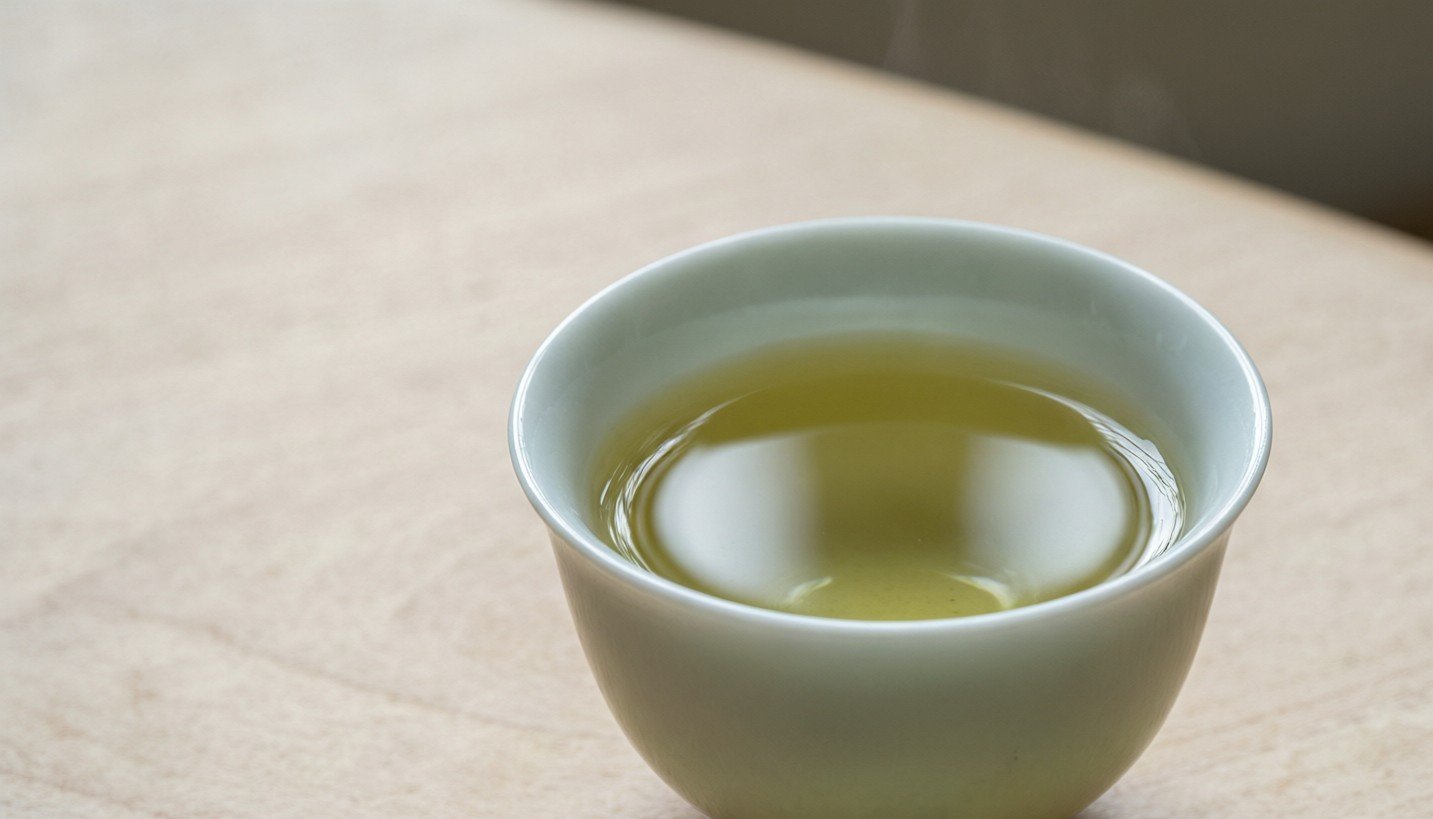
Anhua flavor depends heavily on format. A good Fu brick is smooth, slightly sweet, and grainy, with a bright orange-red liquor and a fungal, honeyed aroma. Hei brick and Qianliang tend to be more robust or smoky. Brewing both tea families with near-boiling water and a quick rinse works well, but exact strength should follow the lot: older Liu Bao can take longer infusions, while young Fu brick can turn flat if overwashed.
Buying, Storage, and Lot Verification
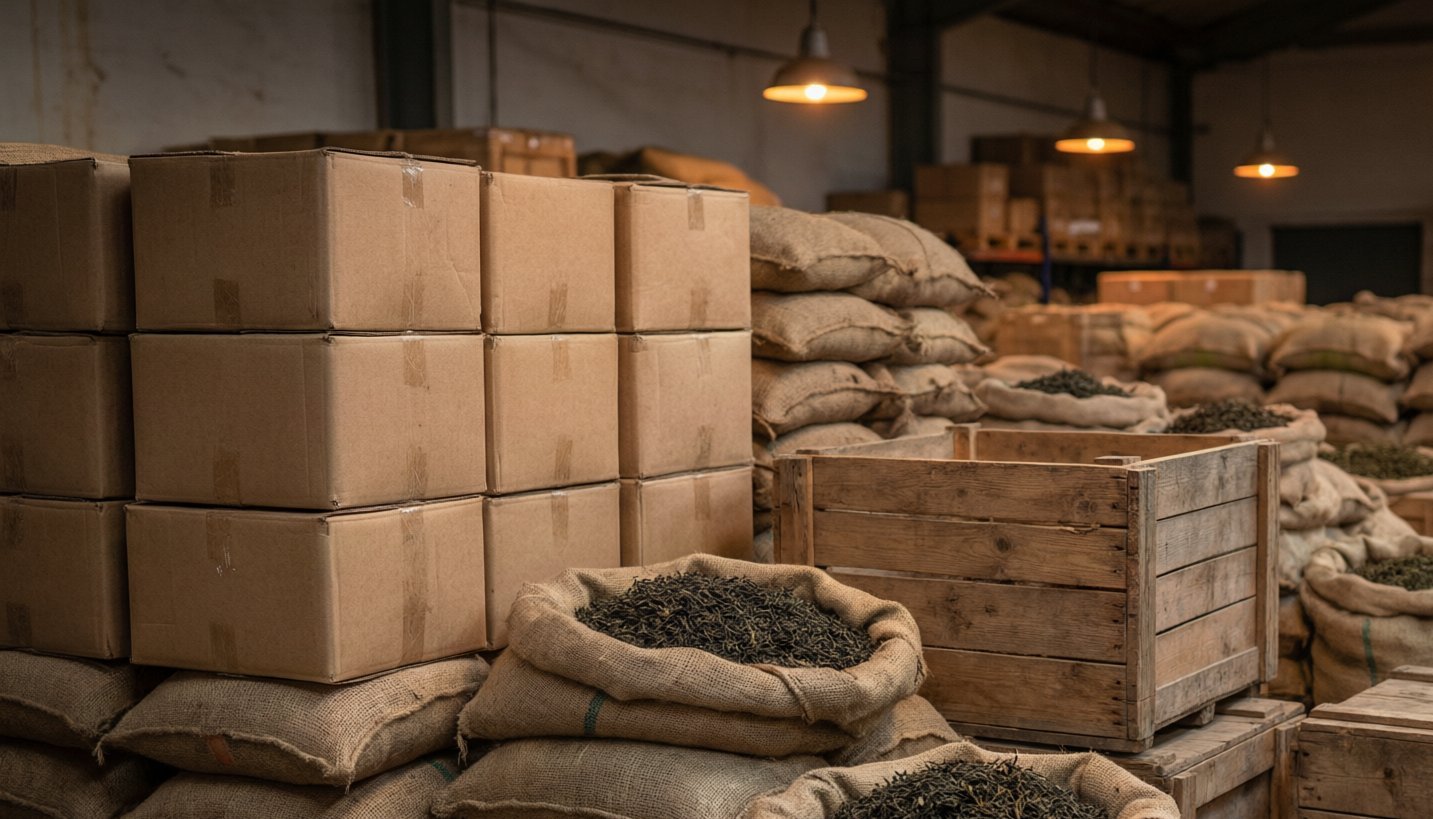
For wholesale buying, request the production year, the pressing date, the storage location, and any test report or inspection record. Liu Bao is often traded as loose leaf or basket-packed lots, while Anhua comes in formats that are easy to count and display, such as bricks and logs. Confirm the actual weight per unit and whether the sample shown matches the lot being offered.
Storage affects resale value more than most buyers expect. Dark tea should be kept dry, away from direct sun, strong odors, and rapid temperature swings. Liu Bao needs careful moisture control because its aged character can turn sour or musty if stored too damp. Anhua bricks are generally more forgiving, but pressed dark tea can still absorb warehouse smells.
Treat the first sample as identification and flavor screening, not final release approval. Before a large order, agree on an approval sample, a moisture specification, or a retained sample, and confirm whether the shipment will come from the same pressing batch. A photo of a pressed brick or a dark leaf sample confirms what was offered, but it does not prove age, storage, or consistency by itself.
Which Dark Tea Should You Stock for Your Market?
Choose Liu Bao when your customers already understand aged, mellow post-fermented tea and want a regional Guangxi story. It works well for drinkers moving from aged pu-erh toward something softer and less aggressive. Choose Anhua when you need recognizable brick and log formats, a clear Hunan origin, or the golden flower story in Fu brick.
| Procurement factor | Liu Bao fits | Anhua fits | Caution |
|---|---|---|---|
| Customer taste | Mellow, earthy, camphor, aged | Fu brick sweet and grainy; Hei brick smoky; Qianliang woody | The tasting sample must match the lot, not the category |
| Display format | Basket, loose, or pressed lot | Brick, log, cake | Confirm unit weight and count before importing |
| Story and marketing | Guangxi aging and clean storage | Hunan formats and Fu brick golden flowers | The story must be supported by production and storage records |
| Price and margin | Age-driven, can be harder to compare | Format-driven, easier to benchmark | Landed cost should include storage and moisture loss |
| Brewing familiarity | Needs patience and hot water | Fu brick is approachable; other forms vary | Do not assume every dark tea brews identically |
Build a Side-by-Side Dark Tea Tasting Set
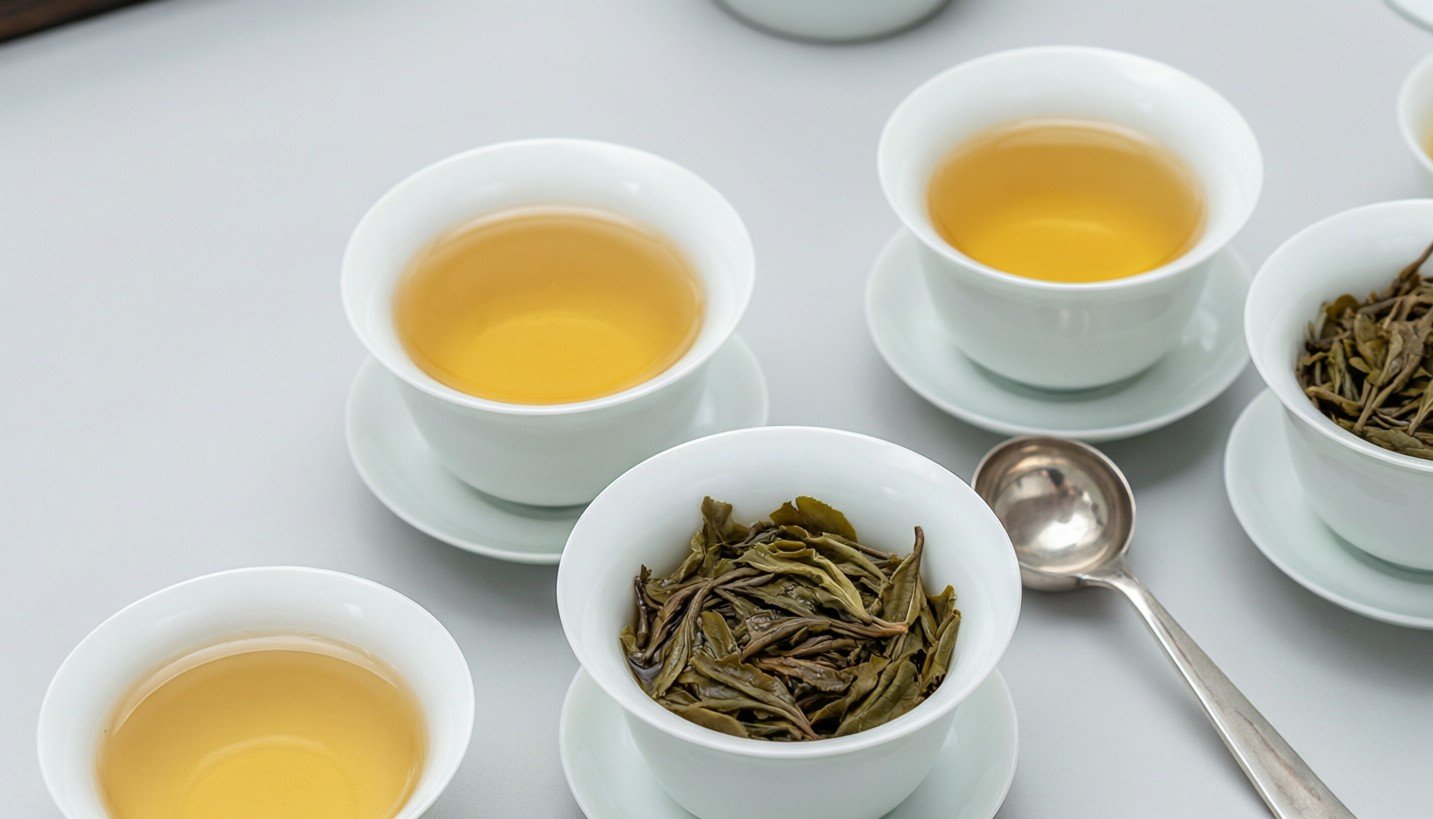
Before you commit to a large order, cup Liu Bao and Anhua side by side using the same water, teaware, and leaf-to-water ratio. Note the dry leaf, rinse aroma, liquor color, mouthfeel after three infusions, and the condition of the spent leaf. If you need help choosing between Liu Bao and Anhua for your market, send your target customer, price band, and preferred format to Chinese tea suppliers at 427728483@qq.com.
FAQ
Which tea is stronger, Liu Bao or Anhua dark tea?
Strength is not fixed by tea family. Liu Bao can be deep and warming, while Anhua Fu brick is often smooth, and Hei brick or Qianliang can taste more robust. Compare specific lots at the same leaf-to-water ratio before drawing conclusions.
Does all Anhua dark tea have golden flowers?
No. Golden flowers are mainly associated with Fu Zhuan brick, where controlled conditions encourage the bloom. Hei brick, Qianliang, and Tianjian do not carry the same expectation. If a buyer wants the golden flower story, request Fu brick samples and photographs.
Can Liu Bao and Anhua be stored like pu-erh?
They benefit from the same clean, dry, ventilated conditions and should avoid dampness, direct light, and strong odors. Some Liu Bao can improve with age when storage is clean, while certain Anhua formats are more stable or meant for steady consumption.
Which offers better wholesale margins?
It depends on age, brand, format, and the landed cost you can negotiate. Liu Bao margins are often tied to an age story that must be documented. Anhua margins are usually easier to model because brick and log formats have clearer unit benchmarks.
No author description available.

白玉京