Gen Z Cafes Are Stocking Specialty Chinese Tea—A Retailer Playbook
Walk into a Gen Z-facing cafe in 2026 and the menu may no longer revolve around the flat white. Instead, you are likely to find a roasted Tieguanyin oat latte, a cold-brewed jasmine silver needle, or a citrus-bright sparkling Da Hong Pao. Specialty Chinese tea is moving from the tea house into the mainstream cafe channel, and the customer driving it is not the traditional tea purist. It is a 21-to-28-year-old buyer who wants provenance, treats caffeine as functional, and posts the cup before drinking [1].
What Gen Z Cafes Actually Mean by “Specialty Chinese Tea”
In China, tea remains a commodity as well as a craft. The country is repeatedly cited as the world’s largest tea producer, with output that has accounted for roughly half of global volume in recent FAO bulletins [2]. But “specialty” in the cafe sense means something narrower: named-origin, grade-specific tea that carries a harvest date, a defined cultivar, and a production method the menu can explain in one sentence.
| Tea category | Cafe-ready format | Gen Z hook |
|---|---|---|
| Tieguanyin oolong | Iced or lightly sweetened latte | Floral but structured, re-steeps well |
| Fuding white tea | Cold brew or sparkling tea | Low bitterness, easy to layer with fruit |
| Jasmine green tea | Silver needle cold brew | Familiar floral note, strong visual |
| Wuyi rock tea | Da Hong Pao cortado or tonic | Roasted depth that reads “premium” |
| Yunnan black tea | Dianhong milk tea or chai-style base | Full body without harsh tannins |
| Raw pu-erh | Small-format gongfu service | Story-driven, collectible, low sugar |
Start a trial menu with one oolong, one white, and one scented green. The flight format tests demand without a large inventory commitment.
The Demand Signals Behind the Shift
US and EU import data shows buying interest migrating toward higher-value, smaller-pack specialty teas rather than undifferentiated bulk leaf [3]. At the same time, market analysts tracking the specialty tea segment attribute much of its momentum to younger consumers replacing some coffee and soda occasions with lower-acidity, lower-sugar drinks [4].
Several overlapping behaviors explain the shift:
- Alcohol moderation. Gen Z consumers are drinking less alcohol and still want a third-place ritual that feels adult.
- Provenance as identity. A single-origin Tieguanyin has the same story-driven appeal as a single-origin coffee, but with a different flavor ceiling.
- Visual and aromatic content. Specialty Chinese tea is unusually camera-friendly: dry leaf texture, liquor color, and slow-brew motion all travel well on short video.
- Lower bitterness. Many Chinese white teas and modern oolong styles are less bitter than classic commodity black tea, which lowers the barrier for first-time drinkers.
How Leading Cafes Merchandise Specialty Chinese Tea
The operators winning this trend treat specialty tea as a menu category, not a coffee add-on.
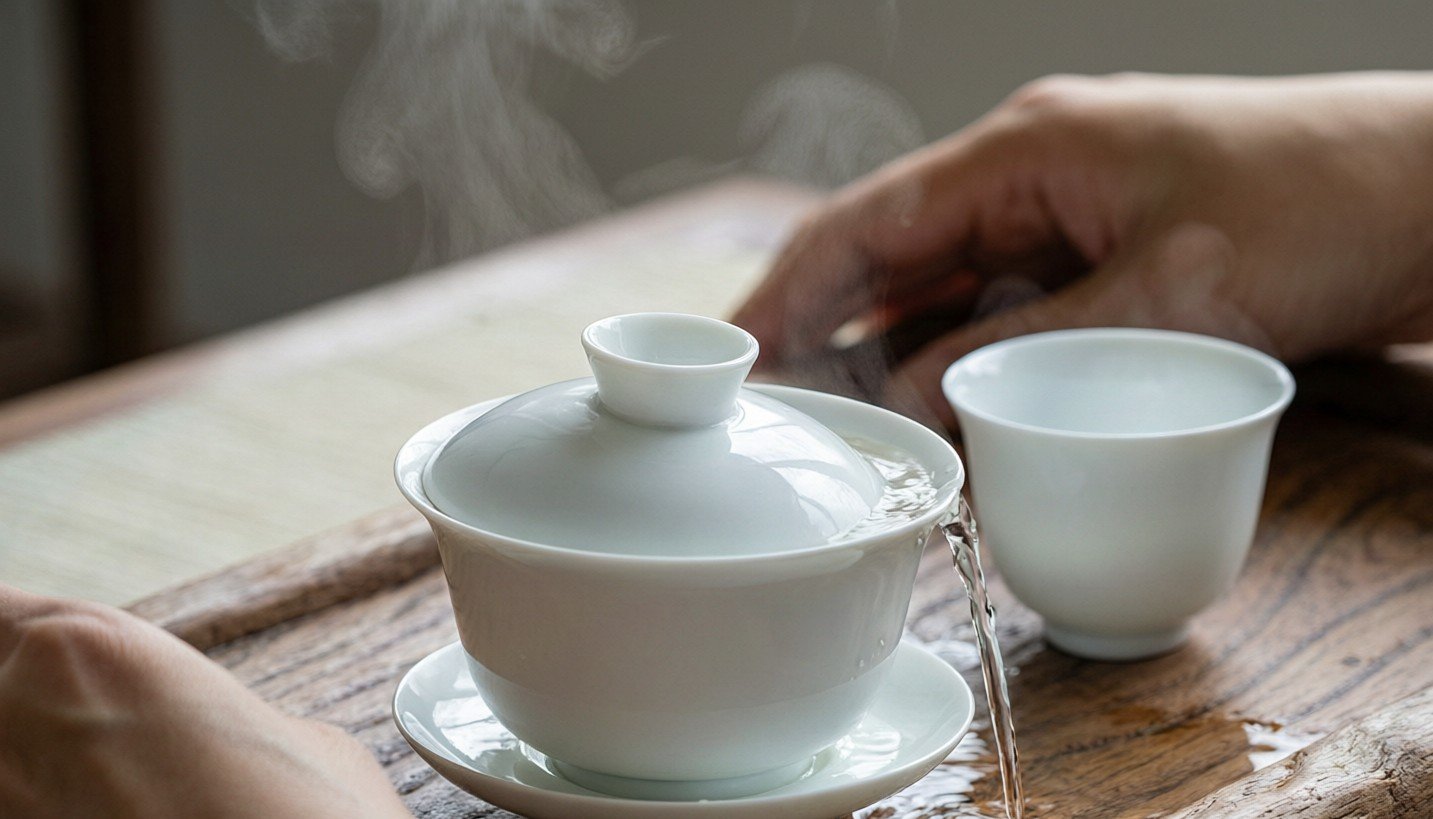
- Counter gongfu service. A compact gaiwan or small pot brew at the counter creates theater without slowing the queue permanently.
- Cold brew and nitro formats. White tea and jasmine silver needle cold brew overnight, producing a clean base for sparkling drinks.
- Concentrates for speed. Oolong and black tea concentrates preserve aromatic top notes while keeping bar flow fast during peak.
- Tea flights. Three 80–100 ml pours allow customers to compare Wuyi rock tea, Fuding white tea, and jasmine green tea in one visit.
- No-proof social hours. Evening tea service gives cafes a second daypart without alcohol licensing complexity.
A Sourcing Playbook for Cafe Buyers
Sourcing specialty Chinese tea for a cafe is different from buying tea bags. The buyer is responsible for verifying origin, grade, and compliance claims before the menu goes live. In the EU, maximum residue levels are governed by Regulation (EC) No 396/2005, and US importers face FDA prior notice and FSVP obligations [5]. For black tea grades, ISO 3720 defines basic requirements that many buyers use as a floor, not a quality target [6].
| Sourcing step | What to request | Why it matters for a cafe |
|---|---|---|
| Supplier filter | Export license, factory audit summary, product list | Confirms the supplier actually handles specialty tea |
| Sample set | 50–100 g cupping samples with batch numbers | Lets you taste before committing to volume |
| Grade verification | Harvest date, cultivar, region, grade | Prevents commodity leaf being sold as specialty |
| Compliance pack | MRL test report, pesticide screening | Protects you in US, EU, and local health inspections |
| Packaging check | Moisture barrier, food-grade inner bag | Preserves aroma through shipping and storage |
| MOQ clarity | Exact MOQ by SKU and packaging format | Prevents cash being trapped in slow-moving stock |
| Reorder terms | Price validity, lead time, seasonal availability | Keeps menu pricing stable across the harvest year |
Shortening the shortlist takes a supplier that can hand over batch-level traceability, compliant MRL reports, and a realistic MOQ. If you are sourcing now, email 427728483@qq.com with your target city and monthly cup estimate, and request a sample kit before you discuss volume.
Menu Pricing Without the Guesswork
Menu economics for specialty Chinese tea follow the same contribution-margin logic as coffee, with one advantage: most whole-leaf Chinese teas re-steep multiple times. Instead of assuming a fixed multiple, work from this formula.
Menu price − (leaf cost per cup + milk or fruit adjunct + labor share) = contribution margin per cup.
For cold brew and gongfu service, leaf cost can be low per serving, but labor and presentation matter more. For crafted lattes, milk and flavoring consume the margin. The key discipline is to price the experience, not the leaf: a Da Hong Pao tonic can support a premium menu position even when the leaf cost is modest, because the story and visual carry real value.
Mistakes That Erode Customer Trust
A specialty tea menu loses its reason to exist when any of these red flags appear.
- Health cure claims. Promising detox, weight loss, or disease treatment is both legally risky and unnecessary. Tea can be positioned around taste, ritual, and caffeine level without medical language.
- Fake aged tea claims. Misrepresenting a young pu-erh as aged destroys trust once a knowledgeable customer tastes it.
- No traceability. A menu that cannot name a region or harvest season invites skepticism from exactly the audience it is trying to attract.
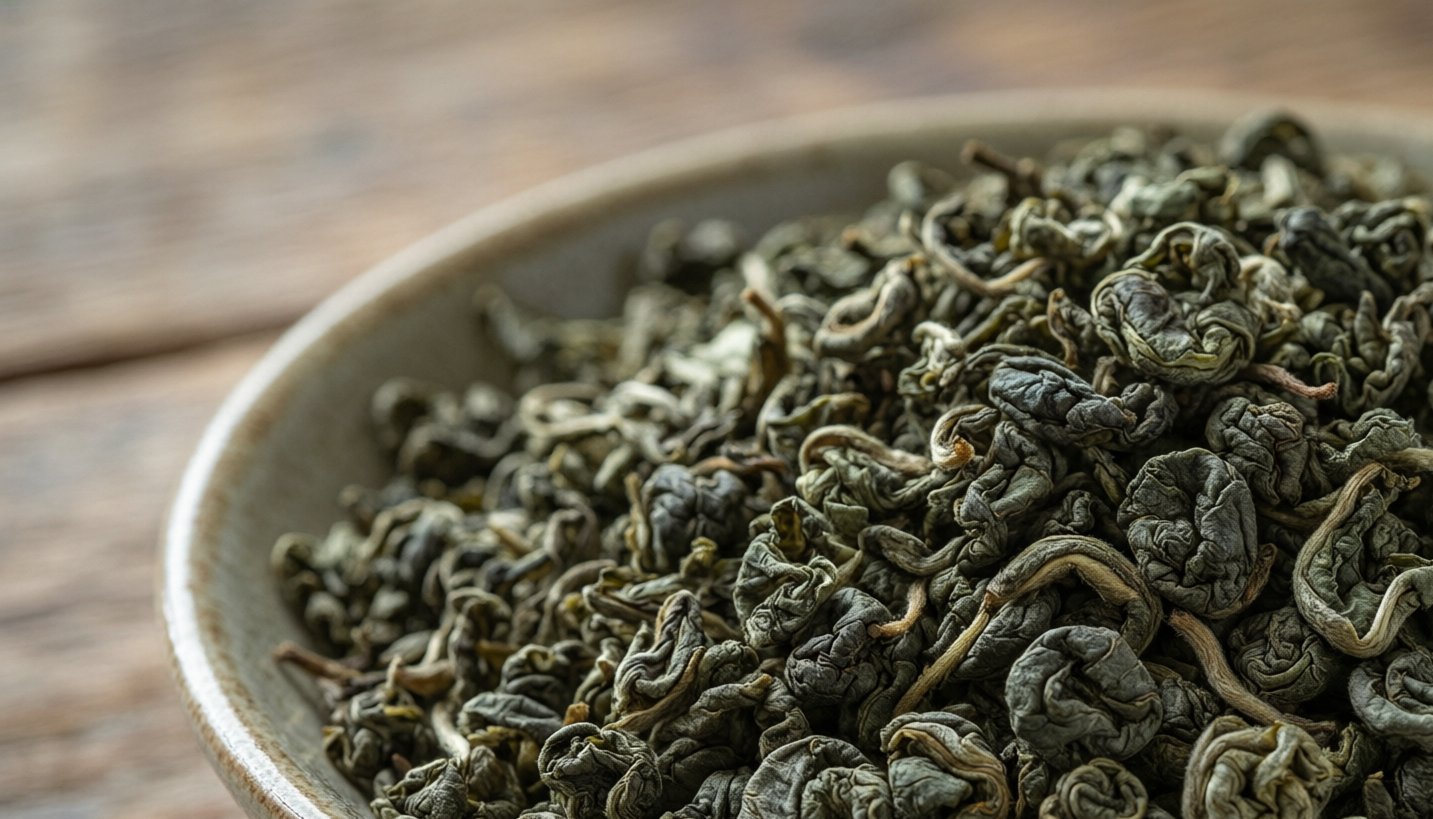
- Commodity leaf sold as specialty. Broken, dusty, or neutral-flavored leaf does not survive the first re-steep comparison.
- No compliance backup. Missing MRL or pesticide testing means a single inspection can pull the entire program offline [5][6].
A 90-Day Retailer Roadmap
| Timeframe | Actions | Outcome |
|---|---|---|
| Days 1–30 | Taste and cup 8–12 teas; choose one oolong, one white, one scented green | Shortlisted SKUs with recipes |
| Days 31–60 | Lock brew ratios, train bar staff, test cold brew and hot formats | Consistent in-store execution |
| Days 61–90 | Soft launch as a flight or limited menu; collect peak/non-peak sales data | Proof to scale or rotate SKUs |
| After day 90 | Expand to private label or bulk pouches; align reorder timing with harvest calendar | Repeatable specialty tea program |
Build Your Specialty Chinese Tea Menu with a Sourcing Partner
The Gen Z cafe opportunity favors operators who can explain where the tea came from, how it was made, and why it tastes the way it does. That requires a supplier that treats traceability, compliance, and sample access as standard.
Email 427728483@qq.com with the following details to receive a priority sample shortlist:
- Your menu concept and signature drinks
- Target compliance market (US, EU, or both)
- Estimated monthly cups per tea SKU
- Preferred format: bulk leaf, precision pouches, or private label
FAQ: Specialty Chinese Tea for Gen Z Cafes
Why are Gen Z customers gravitating toward specialty Chinese tea over traditional coffee?
The appeal combines lower bitterness, single-origin storytelling, and a drink that photographs well. Younger consumers are also moderating alcohol and looking for evening social formats that feel intentional without being sugary.
Which Chinese tea categories perform best in Gen Z cafe menus?
Oolong, white tea, and jasmine green tea tend to perform best because they balance aromatic appeal with mild bitterness. Yunnan black tea works well as a milk tea or chai-style base, while raw pu-erh suits small gongfu service and storytelling formats.
How should a cafe verify quality when sourcing Chinese tea?
Request cupping samples with batch numbers, harvest date, cultivar, and region clearly stated. For any tea entering the US or EU, ask for current MRL and pesticide test reports, and confirm packaging uses food-grade moisture barriers [5].
What margin can a cafe expect from specialty Chinese tea?
Margin depends on format. Cold brew and gongfu service can carry strong contribution margins because leaf cost per serving is modest, while crafted lattes give up margin to milk and labor. Most operators use the contribution-margin formula rather than a fixed menu multiple.
Do we need to commit to large MOQs to start?
Not necessarily for a test program. Many suppliers offer sample kits and smaller trial orders before full MOQ commitment, but you should confirm MOQ, lead time, and price validity per SKU before finalizing a menu.
References
- Mintel. Gen Z Dining and Beverage Preferences. 2024. https://www.mintel.com/
- FAO Intergovernmental Group on Tea. World Tea Production and Trade. 2024. https://www.fao.org/markets-and-trade/commodities/tea/en/
- USDA Foreign Agricultural Service. China Tea Annual Report. 2023. https://fas.usda.gov/data/china-tea-annual-6
- Future Market Insights. Specialty Tea Market Outlook. 2024. https://www.futuremarketinsights.com/reports/specialty-tea-market
- European Union. Regulation (EC) No 396/2005 on Maximum Residue Levels of Pesticides. https://eur-lex.europa.eu/legal-content/EN/TXT/?uri=CELEX%3A02005R0396-20240101
- ISO 3720:2011. Black Tea — Definition and Basic Requirements. https://www.iso.org/standard/44622.html
No author description available.

白玉京