Raw vs Ripe Pu-erh Investment: A Reality Check for Buyers
Pu-erh is often marketed as the only truly “investment-grade” tea, but the term hides a wide gap between a collectible asset and a warehouse liability. Some lots appreciate because their quality, storage history, and documentation are strong enough to support a resale. Many more simply sit in boxes because there is no liquid buyer. For importers, the practical question is not whether pu-erh can gain value, but which format—raw or ripe—turns value into an exit you can actually execute.
This article separates the investment mechanics of raw pu-erh (sheng) and ripe pu-erh (shou) so you can source with a realistic margin of safety, not with auction-house stories.

What Makes Pu-erh an Investment Category at All
Pu-erh differs from green or black tea because it is designed for post-fermentation aging. Under China’s geographical indication standard, authentic pu-erh must be made from Yunnan large-leaf sun-dried green tea and processed within designated Yunnan regions [1]. Both raw and ripe styles start from that base, but they take opposite paths toward the cup.
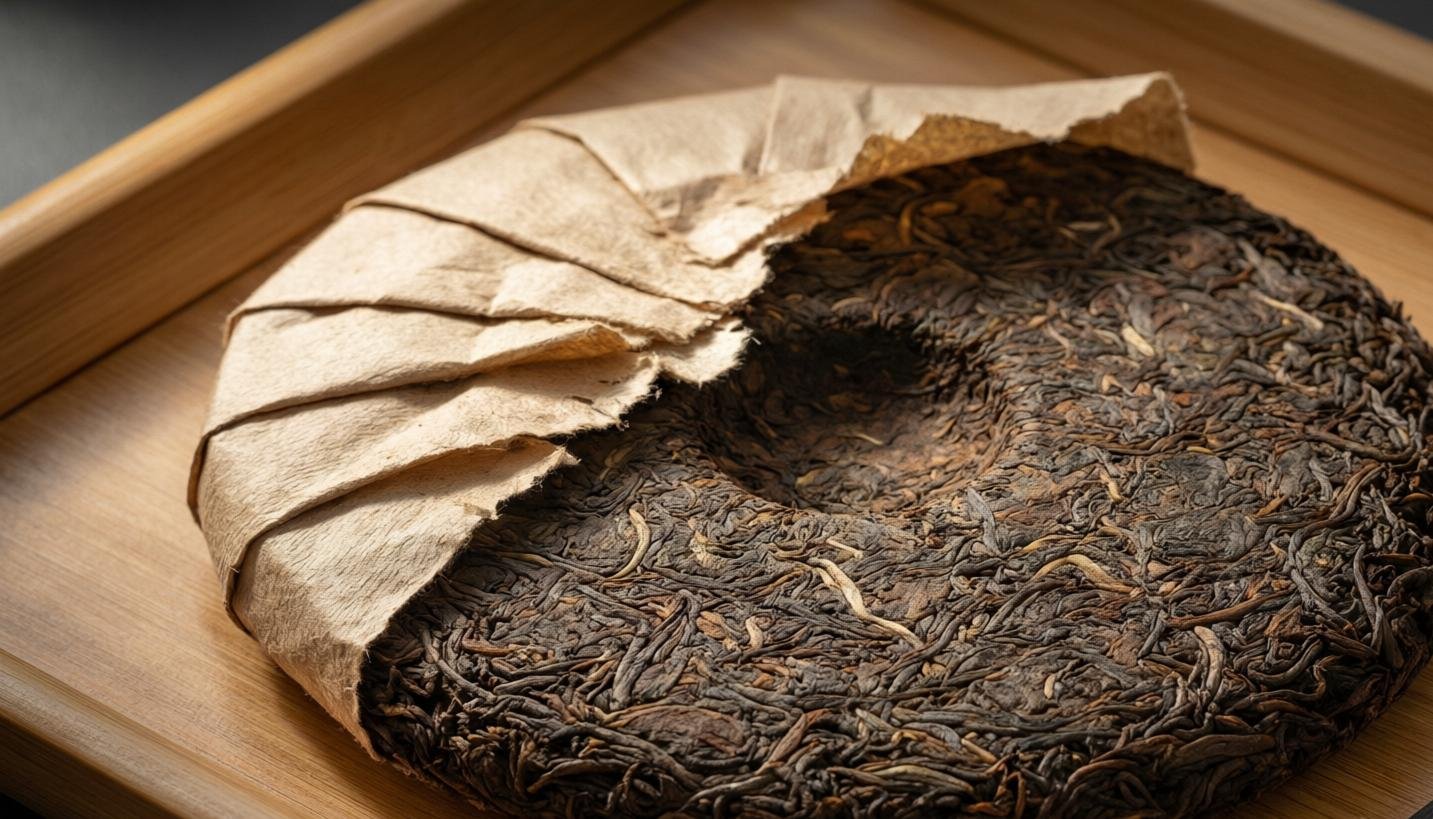
Raw pu-erh is made by fixation, rolling, and sun-drying, then compressed into cakes, bricks, or tuos. Its character continues to change for years or decades as enzymes and microorganisms slowly transform the leaf. That long transformation window is what creates the scarcity narrative: a specific batch from a famous mountain cannot be recreated years later.
Ripe pu-erh uses controlled microbial fermentation—often called wet-piling—to accelerate the softening and darkening process that raw pu-erh develops over time [1]. The result is drinkable sooner, but its aging trajectory is flatter and its investment premium is usually smaller because the transformation has already been largely completed.
Raw vs Ripe Pu-erh: Two Different Risk Profiles
The first reality check is that raw and ripe pu-erh are not the same asset class, and treating them as interchangeable is a common importer mistake.
| Factor | Raw Pu-erh (Sheng) | Ripe Pu-erh (Shou) |
|---|---|---|
| Primary value driver | Age, origin, storage, batch scarcity | Brand, fermentation quality, immediate drinkability |
| Time to maturity | Often 5–20+ years for meaningful change | Drinkable on arrival; modest further change |
| Upside potential | Higher for documented, well-stored premium lots | Lower, but more predictable |
| Downside risk | Poor storage destroys value permanently | Less sensitive, but forgery and inflated brand prices remain risks |
| Liquidity | Thin market, strong provenance required | Easier to sell as consumable stock |
| Best use for importers | Dual-purpose: resale or long-hold | Inventory turnover with optional appreciation |
Raw pu-erh behaves more like a long-duration asset. Its resale depends on proof of origin, factory batch, and a clean storage record. Ripe pu-erh behaves more like a branded product: if the buy price is reasonable and the tea is good, it can still sell even when the investment story fades.
The Real Drivers of Pu-erh Value
Price appreciation is not automatic, and it is not evenly distributed across the category.
Origin matters, but it is frequently overstated. Villages such as Lao Banzhang, Bingdao, and Yiwu command large premiums because their micro-terroir and limited harvest create recognizable demand. Authentic origin must be documented, since name misuse is common [3].
Factory and batch create a baseline for verification. Established factories with long production histories produce cakes that collectors can identify through wrappers, nei fei embedded tickets, and batch numbers. A generic cake with excellent leaf but no traceable batch is harder to resell regardless of taste.
Storage quality determines whether age adds or destroys value. A cake kept in clean, moderately humid conditions can develop depth; a cake exposed to off-odors, excessive moisture, or temperature swings can become unsellable. Buyers increasingly price storage history into the lot.
Market sentiment cycles through fashion and speculation. Famous regions rise quickly, then correct. Importers who source at retail peaks for famous villages face the same risk as any buyer chasing momentum.
Liquidity and Exit: Where Investment Claims Collapse
The weakest part of most pu-erh investment pitches is the exit. There is no centralized exchange, no daily mark-to-market price, and no guaranteed buyer for your inventory. Sales happen through private networks, auctions, and trusted trader relationships.
This means the bid-ask spread can be wide. A cake quoted at a strong price on a vendor’s website may have no active wholesale bid near that level. For an importer, exit planning must be part of the original purchase decision, not an afterthought. A risk-management approach treats provenance gaps, storage disputes, and counterparty concentration as measurable threats [2].
The most defensible position is dual-purpose stock: pu-erh that is desirable enough to sell to drinkers at a normal margin, with optional upside if its collectible value rises. If the investment exit fails, the importer still has a saleable product.
Storage Is an Operating Cost, Not a Footnote
Storage is where many pu-erh “investments” quietly die. Raw pu-erh is especially vulnerable because its long holding period multiplies the chance of contamination, mold, or drying out.
Professional storage requires controlled temperature and humidity, air exchange without cooking smells or chemical odors, and regular sampling. Warehouses must track lot identity so that a stored cake can be matched to its original purchase record years later. This is not free, and it is not optional for investment-grade lots.
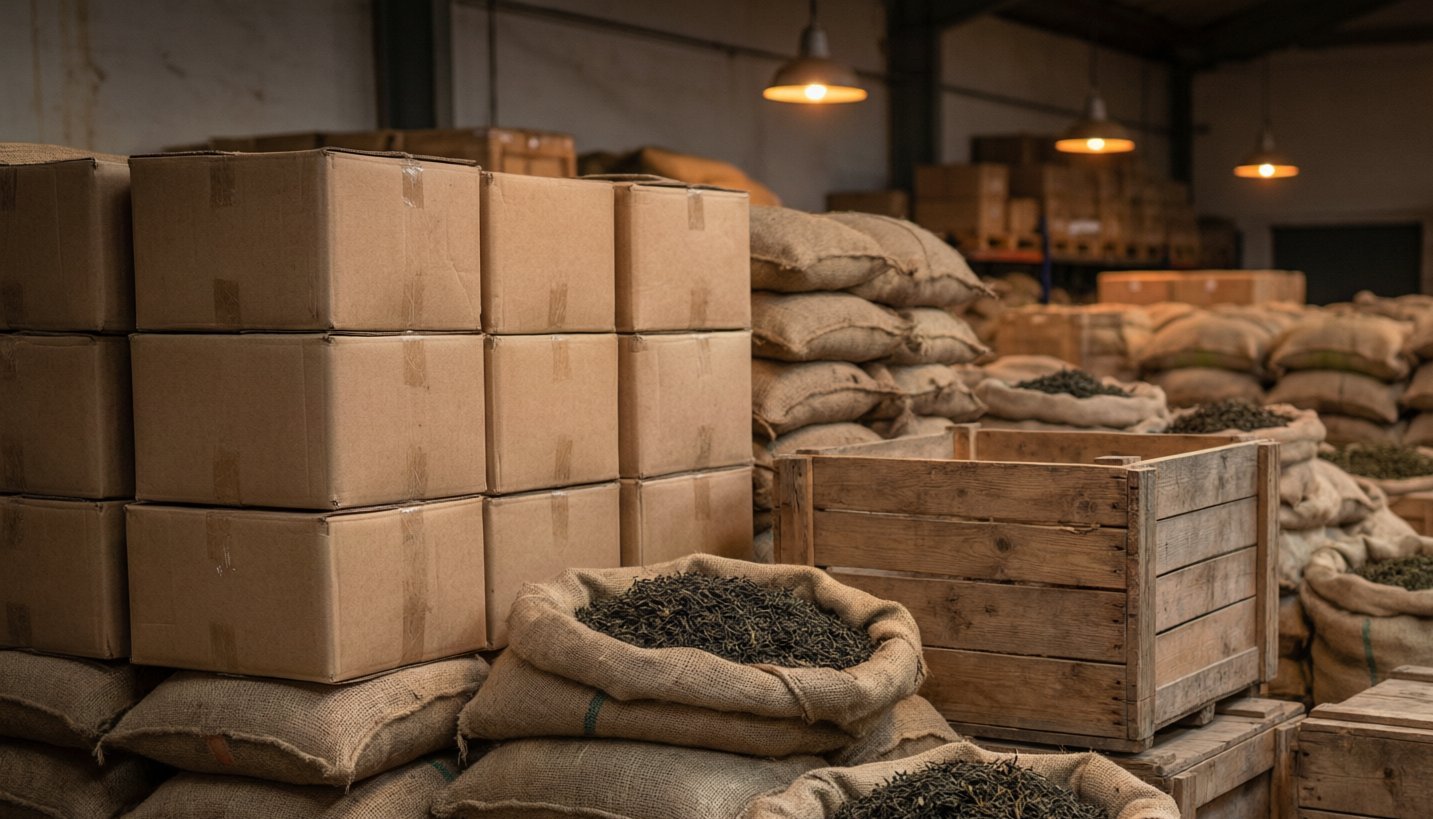
For importers holding small volumes, a dedicated clean room with stable conditions may be enough. For larger positions, third-party pu-erh storage or climate-controlled warehousing should be budgeted as a carrying cost. If the annual storage cost is not clearly below the expected annual value gain, the position is speculation rather than investment.
If you are building a pu-erh program and need a supplier that can provide documented lots rather than anonymous “aged” cakes, contact Chinese tea suppliers at 427728483@qq.com. We work with importers to match origin, batch, and documentation requirements before product is shipped.
A 10-Point Due Diligence Checklist
Run every intended investment lot through this checklist before committing.
- Origin claim is consistent with protected Yunnan production regions [1][3].
- Factory, production year, and batch number are clearly identified.
- Storage history is documented, not assumed.
- Sensory baseline is recorded by cupping before purchase.
- Cake or brick compression is intact, with no mold or foreign matter.
- Wrapper, nei fei, and anti-counterfeit features align with the stated batch.
- Representative samples are retained for future disputes.
- Invoices, export documents, and transport records match the lot.
- Resale pathway is identified before purchase, not after.
- Position size is limited relative to total tea inventory.
Source Pu-erh That Can Be Traced and Resold
Pu-erh investment works only when the tea can be authenticated, stored cleanly, and eventually sold. That means the source matters as much as the mountain on the wrapper.
If you are sourcing raw or ripe pu-erh for resale, long-hold, or private-label programs, start with documentation first. Contact Chinese tea suppliers at 427728483@qq.com with your target regions, format, and volume. We can help you evaluate batches, review storage history, and build a purchase file that supports resale instead of weakening it.
FAQ
Is raw pu-erh always a better investment than ripe pu-erh?
No. Raw pu-erh tends to offer more upside over a long holding period, but only when origin, batch, and storage are documented. Ripe pu-erh often produces lower but more reliable returns because it can be sold as drinkable inventory even if the collectible market does not cooperate.
How long should pu-erh be held before resale?
There is no fixed rule. Raw pu-erh frequently needs five to twenty years to show meaningful transformation, while ripe pu-erh can be sold immediately. The right holding period depends on your cash flow, storage capacity, and whether you have a buyer for the specific lot.
Does pu-erh need special storage to gain value?
Yes. Poor storage destroys value more often than age creates it. Investment-grade lots need stable temperature and humidity, protection from odors, and records that connect the stored tea to its original batch.
What documents prove investment-grade pu-erh?
The strongest file includes proof of origin, factory and batch information, a storage log, purchase invoices, and export or transport records. Documentation is what separates a resellable lot from a generic aged cake.
Can importers treat pu-erh as a normal wholesale product instead of an investment?
Yes, and this is often the safest approach. If the tea is good enough to sell to customers at a normal margin, any collectible appreciation is optional upside rather than the core of the business case.
References
[1] General Administration of Quality Supervision, Inspection and Quarantine of the People’s Republic of China, Geographical Indication Product—Pu’er Tea, GB/T 22111-2008.
[2] International Organization for Standardization, Risk Management—Guidelines, ISO 31000:2018.
[3] China National Intellectual Property Administration, Protection of Geographical Indication Products: Pu’er Tea.
No author description available.

白玉京