CNNP White Tea Prices: What Buyers Really Pay in 2026
Two importers can be quoted $19/kg and $78/kg for what looks like the same “CNNP white tea” on a sourcing list. The gap is usually not deception. It is grade, harvest material, age, moisture, lot size, packaging, and the difference between a teaser price and a workable landed cost. This guide gives you a repeatable frame for reading those quotes rather than guessing.
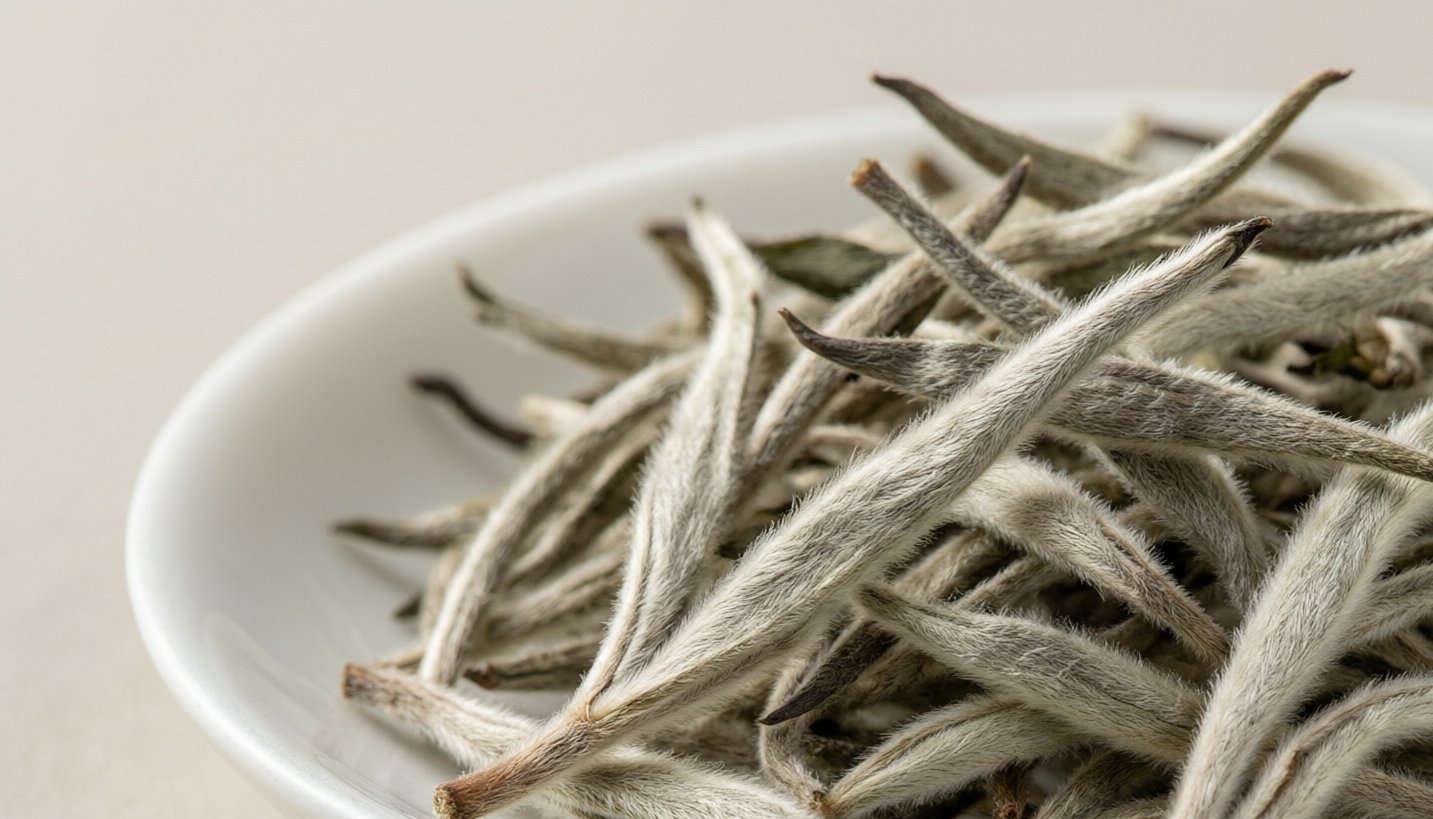
Why CNNP White Tea Quotes Vary So Widely
CNNP is a legacy trading name, not a single factory. In practice, CNNP-branded white tea is sourced mainly from Fujian white tea counties and distributed through different channels, with batch codes, pressing dates, and storage histories that vary by lot. A “CNNP white tea” quote can therefore describe a commodity-grade Shoumei bulk lot or a retail-packed aged Silver Needle tin, and the underlying leaf grades are defined separately under China’s white tea product standard [1].
The price spread comes from five practical variables:
- Leaf grade and plucking standard
- Harvest year and age since production
- Storage location and storage quality
- Packaging format: bulk loose leaf, compressed cake, or retail tin
- The Incoterm and inspection burden included in the price
Once those are fixed, most quotes become comparable. Without them, comparing prices is misleading.
Real Planning Prices by Grade and Age
The ranges below are indicative wholesale planning bands drawn from 2024–2025 China tea trade and market reporting [2][3][6]. They are not fixed offers; every lot needs verification against its actual leaf grade, moisture report, and packaging. Use them to spot quotes that are structurally too high or suspiciously low.
| Format and grade | Typical age | Planning range (USD/kg) | What usually drives the spread |
|---|---|---|---|
| Silver Needle loose, bud-only | 0–2 years | $42–95 | Bud-only picking, narrow harvest window, leaf integrity [1] |
| White Peony loose, one bud two leaves | 1–3 years | $24–55 | Picking standard, uniform leaf shape, sorting quality |
| Gongmei loose | 1–3 years | $16–38 | Later-picked leaf grade, stem content, sorting discipline |
| Shoumei loose | 1–3 years | $10–26 | Larger leaf and stem share, highest volume |
| Aged Shoumei cake | 5–8 years | $28–65 | Storage provenance, clean age, pressed-cake premium [4] |
| Aged Gongmei cake | 5–8 years | $35–78 | Leaf grade plus dry, clean storage history |
| Retail-ready 100 g tins | Any age | $55–150/kg equivalent | Packaging, small-lot markup, shelf-ready format [3] |
Cake prices are usually quoted per piece or per kilogram of net tea weight, so confirm whether the quote is based on cake weight excluding wrapper, box, and any added décor weight.
What Actually Moves the Unit Price
Harvest material and leaf grade
Bud-only material is the most expensive because the plucking window is short and labor-intensive. Shoumei and Gongmei use later-picked, larger leaf grades, which is why their per-kilogram cost sits at the lower end. A cleanly sorted Shoumei can still be more valuable than a poorly sorted White Peony, so grade alone tells only part of the story [1][2].
Age and storage history
Buyers pay for clean age, not just time. A cake stored dry with stable temperature and limited airflow tends to develop the mellow, sweet profile importers look for, while humid or musty storage can erase that premium [4]. This is why two cakes from the same production year can land in very different price bands.
Packaging, lot size, and Incoterms
Bulk loose leaf is usually the lowest unit cost. Pressed cakes add labor, wrapper, box, and often a better margin for the seller. Retail tins add the most cost per kilogram because the buyer is paying for packaging weight, design, and small-lot handling. FOB prices stop at the factory or warehouse; CIF prices include freight and insurance to the destination port, so the same tea can show a meaningful price gap simply because of the terms [6].
Certifications and lab tests
Organic certification, EU pesticide residue compliance, and additional heavy metal or microbiological testing all add real cost before the tea leaves the seller. If a quote is unusually cheap, check whether the lab reports, certification, and inspection burden have simply been moved onto the buyer.
Need a lot-specific ballpark? Send the batch code, moisture report, target grade, and destination port to 427728483@qq.com and we will run the same comparison worksheet against current FOB and CIF ranges for your order size.
Reading a CNNP White Tea Quote Without Getting Burned
Before comparing two suppliers, pin down the following:
- The full batch code and production date, not just “aged white tea”
- The product standard named on the label, such as the white tea product standard [1]
- Net tea weight versus total package weight
- Moisture and sensory evaluation report status
- Storage region and storage type claims, with any supporting photos or records
- Lab results for pesticide residue and, where required, heavy metals
- Incoterm, port, price validity window, and payment terms
- Whether packaging, private label, and inspection are included or quoted separately
A quote that fails to state the batch, moisture, and Incoterm is not a comparable price yet. Ask for those three items first.
Turn a Price Quote into a Landed-Cost Decision
Before committing to a first order, put together a one-page inquiry:
- Target grade and leaf form
- First order volume and annual volume
- Required age range and acceptable storage proof
- Incoterm and destination port
- Packaging format: bulk, private label, cake, or retail tin
Email 427728483@qq.com with those points and we will return a lot-specific FOB or CIF price plus the three verification checks most relevant to your market.
FAQ
Is CNNP a quality guarantee?
No. CNNP is a well-known legacy brand, but quality still varies by lot, grade, storage, and distributor. The brand helps with recognition; it does not replace batch-level verification.
Why do two CNNP cakes from the same year carry different prices?
Age is only one input. Leaf grade, plucking standard, pressing quality, storage history, packaging, and market conditions all affect the final price. Use the grade-and-age table above as a range check, then compare the underlying specifications.
What does FOB mean in a CNNP white tea quotation?
FOB means the seller covers the goods and loading at the named port or warehouse, and the buyer takes over from there. CIF adds freight and insurance to the destination port. The same tea can show different per-kilogram prices simply because the terms differ.
Is aged CNNP white tea always worth more?
Not automatically. Clean, dry storage and intact leaf are more important than the number of years. A poorly stored 10-year cake may underperform a clean 5-year cake in both cup and market value.
Should I buy loose leaf or pressed cake?
Loose leaf tends to suit blending, foodservice, and buyers who want the lowest packaging burden. Cakes suit branded retail, gifting, and aging programs. Confirm whether the quoted price is per kilogram of net tea or per piece.
Does CNNP white tea have a standard minimum order quantity?
It depends on the grade, packaging, and distributor. Retail packs often move by carton, while bulk lots are commonly quoted in larger loose or cake volumes. Treat MOQ as part of the quotation, not as a fixed industry rule.
References
[1] GB/T 22291-2017, White Tea, Standardization Administration of China.
[2] China Tea Marketing Association, 2025 China Tea Industry Report.
[3] USDA Foreign Agricultural Service, China – Tea Annual 2025, GAIN Report.
[4] FAO Intergovernmental Group on Tea, Current Market Situation and Medium-Term Outlook, 2025.
[5] ISO 20715:2023, Tea — Classification of tea types.
[6] General Administration of Customs of the People’s Republic of China, tea export statistics, 2024–2025.
No author description available.

白玉京