Best Tieguanyin Aged Tea Brands Ranked by Quality, Age, and Value
Aged Tieguanyin is not one tea. It is a category shaped by three decisions: which leaf was used, how many times the tea was roasted, and how it was stored afterward. The best Tieguanyin aged tea brands rarely win on marketing age claims alone. They win on repeatable leaf quality, documented roast history, and lots that taste clean before they taste old.
This ranking is written for buyers who are comparing aged Tieguanyin for retail, private label, food service, or gifting. It ranks producer profiles rather than pushing a single "best" name, because the right supplier changes with your channel, volume, and target price band.
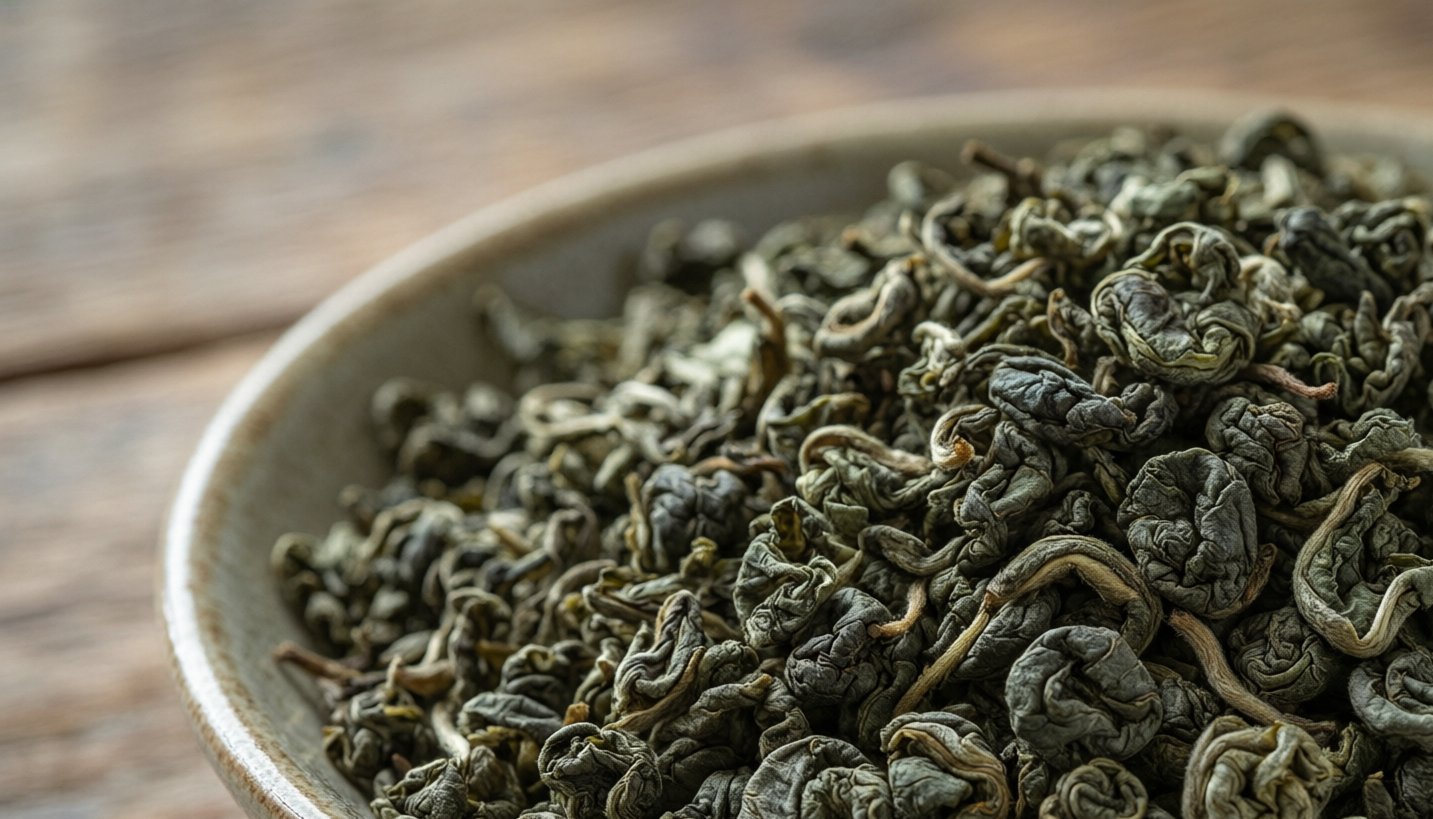
What Aged Tieguanyin Is (and What It Isn't)
Aged Tieguanyin, often called lao tieguanyin or chen-xiang Tieguanyin, is an oolong made from the Tieguanyin cultivar in Anxi County, Fujian. It is not simply old jade Tieguanyin, and it is not a type of pu-erh. The tea is produced through repeated low-temperature roasting and controlled storage, which shifts the original orchid and floral aromas toward dried fruit, roasted grain, honey, sandalwood, mineral, and sour-plum notes.
GB/T 19598-2006 defines Anxi Tieguanyin as a protected-origin oolong made from the Tieguanyin cultivar within designated Anxi townships [1]. GB/T 30357.2-2013 sets product classification and sensory requirements for Tieguanyin, including roast styles [2]. "Aged" is an additional processing and storage stage layered on top of those standards, and its meaning varies from one producer to another [3].
What this means in practice is important: a clean five-year lot with documented re-roasting can outperform a poorly stored fifteen-year lot. The trade term should not override the physical evidence in the cup.
How We Rank the Best Tieguanyin Aged Tea Brands
The ranking criteria used here are the same checks a professional buyer should apply before placing an order. The strongest brands are not always the oldest or the most expensive; they are the most consistent under repeated sampling.
| Ranking factor | What top lots show | Red flags |
|---|---|---|
| Leaf origin and cultivar | Anxi Tieguanyin cultivar, harvest year recorded | Generic "oolong base," no origin paper |
| Roast evidence | Repeated low-temperature roasts, uniform dark leaf, sweet roast aroma | Burnt edges, harsh smoke, green core |
| Storage history | Dry, clean warehouse logs, batch-code continuity | Damp bags, mold smell, sour vinegar aroma |
| Liquor and taste | Amber clarity, smooth sweet return, dried fruit and mineral depth | Cloudy, thin, flat, lingering bitterness |
| Lab and compliance | Moisture within national standard limits, current pesticide and heavy-metal reports | No test reports, vague origin claims |
Buyers rank these criteria differently. A tea house with a skilled gongfu program may value small-batch character over standardization. A grocery chain needs the opposite: consistent liquor, documented compliance, and packaging that will sit on shelf without losing aroma [4].
The 2026 Buyer's Shortlist: Producer Profiles That Consistently Win
Four producer profiles dominate the aged Tieguanyin supply chain in Anxi and Fujian more broadly. They are ranked by buyer fit rather than by absolute quality.
1. Origin-adjacent family roasters in Anxi. These are small workshops in towns such as Xiping, Gande, Xianghua, and Changkeng. They usually control the raw leaf and roast in small batches over charcoal or electric drum roasters. They rank highest for authenticity, roast character, and limited-lot interest. The trade-off is often weaker export paperwork and smaller MOQ flexibility.
2. Factory-standardized Anxi producers. These makers operate under GB/T 19598-grade sourcing and repeatable roast logs. They typically offer batch numbers, moisture control records, and ISO 22000 or HACCP-backed processes. They rank highest for retail consistency, private-label programs, and B2B buyers who need supply stability across multiple containers [1][3].
3. Specialist aged-oolong aging houses. These suppliers buy roasted base leaf and manage long-term storage in Fujian's climate, often restacking, checking moisture, and re-roasting on schedule. They produce some of the most convincing aged aroma curves, but raw-leaf traceability can be weaker unless the aging house partners with a fixed leaf source.
4. Integrated exporters and private-label suppliers. These companies combine roasting partners, packing specifications, lab testing, and export logistics under one contract. They rank highest for importers who need market-specific packaging, multilingual labels, and coordinated sample-to-production timelines [5].
No one profile is universally best. The honest ranking is that profile one leads on character, profile two on consistency, profile three on age depth, and profile four on buyer convenience.
Quality Markers, Storage, and Authenticity Checks
The physical inspection is where most aged Tieguanyin lots are won or lost. Start with the dry leaf: it should be dark, slightly glossy, and evenly rolled, with little powder and no green core. The dry aroma should lead with roast, warm grain, dried plum, or mineral notes, not damp cardboard or smoke.
In the cup, aged Tieguanyin tends toward amber or dark amber liquor. Clarity matters. The taste should be smooth with a returning sweetness, moderate aged sourness, and no burnt bitterness. Wet leaves should unfurl cleanly and show no mold spots or brittle black scorch [2].
Age claims require more than a number on a label. Ask for the harvest year, initial processing date, roast dates, storage location records, and current batch code. Strong suppliers can show photos of storage conditions and pull retrospective samples from the same batch. Moisture should sit within national oolong tea limits, and current lab reports should cover pesticides and heavy metals [4].
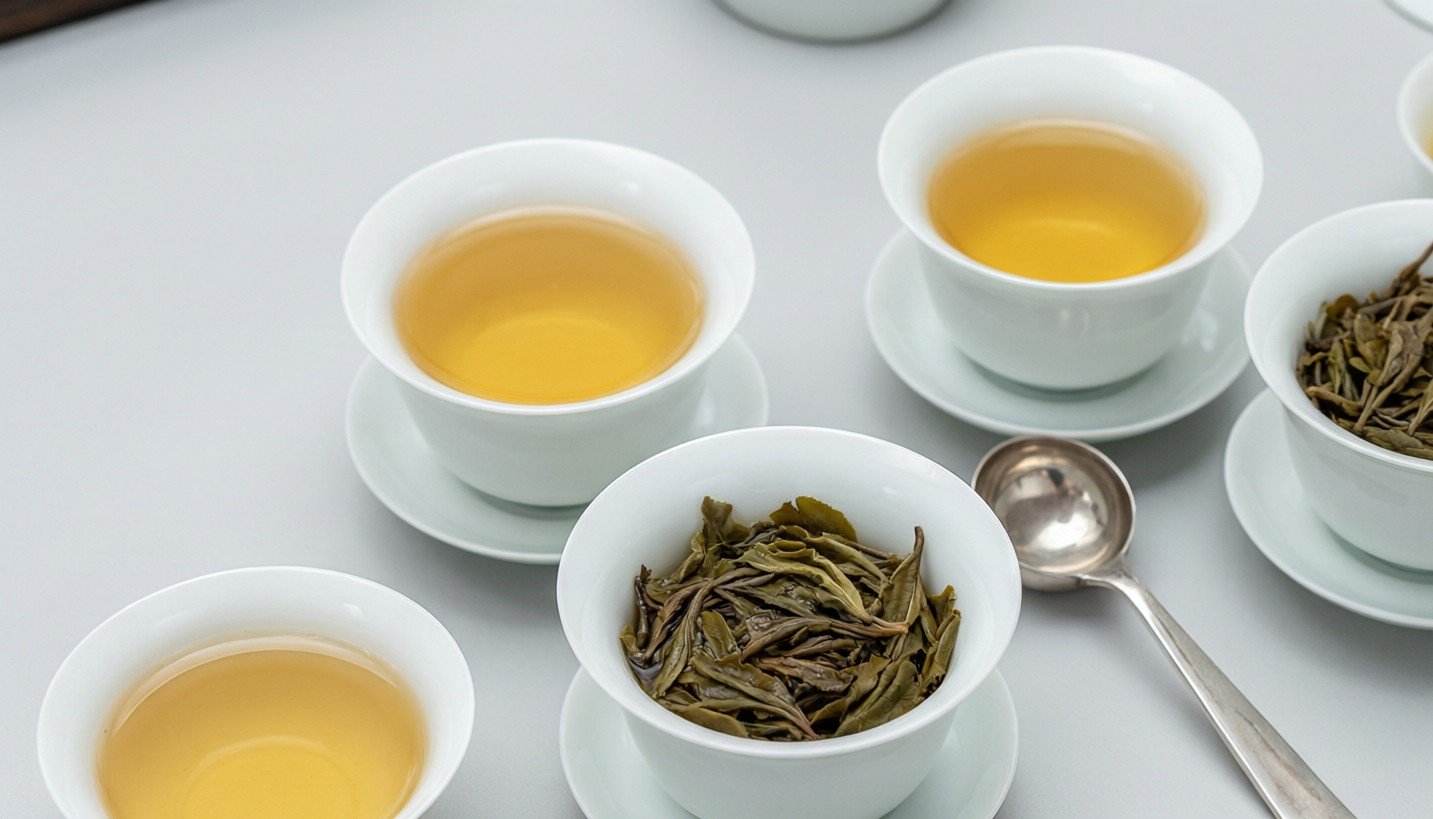
If you are comparing several suppliers, ask for a cupping set of three aged Tieguanyin samples in your target band. A useful brief is: "5 to 10 years, clean roast, no smoke, 50 kg trial, private label." We can match that brief and send roast notes plus batch documentation. Email 427728483@qq.com with your target age range, destination, and volume.
Sourcing Aged Tieguanyin From China
Aged Tieguanyin buys well when you define the outcome before the age number. Let us know:
- Whether you want 3–5, 5–10, or 10+ years of age, and how strict the age claim must be for your market.
- Whether you need loose leaf, tea bags, gifting tins, or private-label retail packs.
- Which destination certifications matter, such as EU or US organic, ISO 22000, HACCP, or retailer-specific audit requirements.
- Whether you need a house style: clean and honeyed, deep and mineral, or low-roast and floral.
We work with Anxi-based roasters, aging warehouses, and packing partners to build lots that match your price band without hiding the age claim behind the label. Send your sourcing brief to 427728483@qq.com with the subject line "Aged Tieguanyin sourcing," and we will reply with sample options, batch documentation, and a quote against your order volume.
Frequently Asked Questions
Is older Tieguanyin always better?
No. Roast quality and storage control matter more than age. A clean five-year lot with repeated low-temperature roasts often outperforms a ten-year lot that has picked up dampness or off-aromas.
What should aged Tieguanyin taste like?
Expect dried fruit, roasted grain, honey, mineral, and a mild sour-plum or aged-oolong note. It should not taste like charcoal, mold, vinegar, or stale tea bags.
How is aged Tieguanyin different from dark roast Tieguanyin?
Dark roast Tieguanyin is roasted heavily but may not be stored for long. Aged Tieguanyin should have both repeated roasting and a storage history. All genuine aged Tieguanyin is roasted; not every dark roast is aged.
Can aged Tieguanyin be private labeled?
Yes. Factory-standardized producers and integrated exporters can hold batch consistency, adjust roast level, and format loose or packed product under your label. Keep the age claim supportable in your target market.
How do I verify an age claim?
Request the harvest year, roast log, storage records, batch code, and a current moisture report. Sample the tea before you trust the certificate. Consistent retrospective samples are stronger evidence than a single vintage sticker.
References
[1] Standardization Administration of China. GB/T 19598-2006, Product of geographical indication—Anxi Tieguanyin.
[2] Standardization Administration of China. GB/T 30357.2-2013, Oolong tea—Part 2: Tieguanyin.
[3] Anxi County Tea Industry Development Center. Aged Tieguanyin product grading and traceability guidance. 2024.
[4] China National Tea Standardization Technical Committee. Oolong tea sensory evaluation and storage technical notes. 2022.
[5] Food and Agriculture Organization of the United Nations. Origin-linked quality and market differentiation for tea. 2023.
No author description available.

白玉京