Yunnan Ancient Tree Tea Prices: What Buyers Really Pay in 2026
Most buyers first encounter Yunnan ancient tree tea through a dramatic price gap: one 357 g raw Pu-erh cake sells for $80, another from a famous village for $2,000, and both claim "gushu" status. That gap is not random. It reflects tree age, origin verification, harvest season, processing quality, and how many middle layers stand between the garden and the buyer.
Ancient tree tea is not a national legal grade. GB/T 22111-2008 defines Pu-erh tea and its processing categories, but it does not define exactly how old a tree must be before marketers may call it "ancient tree" [1]. In the Yunnan tea trade, "ancient tree" is a commercial and ecological category, not a certificate. This guide breaks down what buyers actually pay, where the premium goes, and how to verify a price instead of paying for a story.
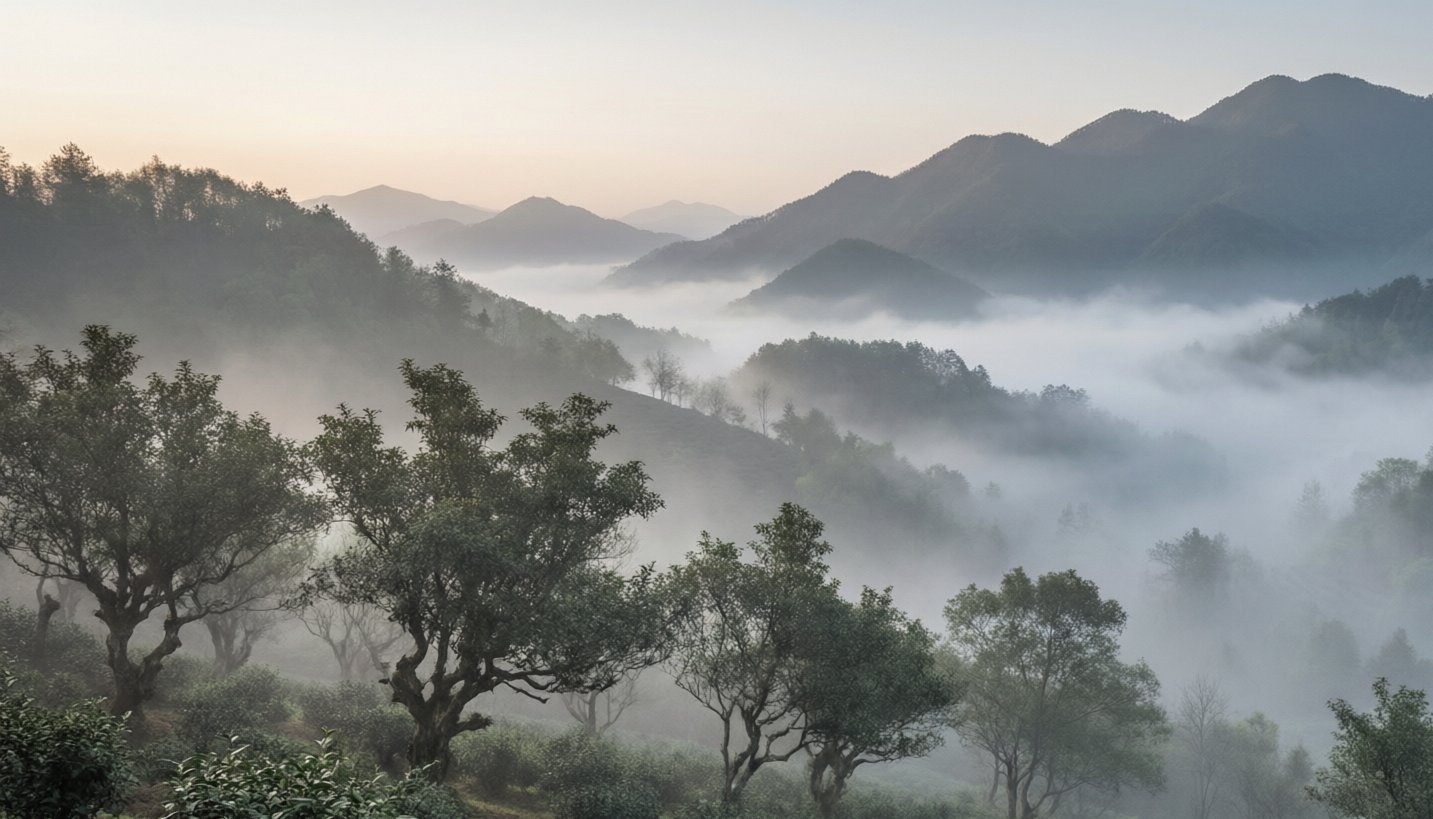
What "Ancient Tree" Actually Means
In Yunnan sourcing, tea trees are commonly grouped into four practical bands: terrace garden bushes, mature bushes, old trees, and ancient trees. Market convention generally places the ancient tree threshold at roughly 100 years, while some specialized villages reserve the term for trees above 200 or 300 years. No national standard fixes these boundaries, so every buyer should ask how a supplier defines the term and what evidence supports the claim [1].
Tree age affects price for two legitimate reasons. Older trees often have deeper root systems and produce lower, less predictable yields, which raises harvesting cost per kilogram. They also carry origin prestige that domestic Chinese collectors pay heavily to access. But age alone does not guarantee quality. A poorly processed or badly stored "ancient tree" lot can score below a well-made terrace tea. Processing discipline and storage hygiene matter as much as the raw leaf [2].
| Tree category | Common age range | Typical price implication |
|---|---|---|
| Terrace / plantation bush | Under ~30 years | Baseline price |
| Mature / old bush | ~30–100 years | Modest premium |
| Ancient tree / gushu | ~100 years and above | Strong premium |
| Single "king" or mother tree | Centuries old, individual | Extreme, collector-driven |
These tiers are not official grades. They are negotiation language. A buyer who knows this can ask sharper questions: age of the specific plot, yield per spring, garden altitude, and whether the lot is single-plot or blended across villages.
How Ancient Tree Tea Prices Are Built
The price of a pressed ancient tree cake is not the price of fresh leaf. Maocha, the loose sun-dried raw material, is the core reference price. From maocha, the final price accumulates pressing loss, labor, wrapper, storage, testing, and margin.
A realistic cost build for a 357 g raw cake made from single-origin maocha might include:
| Cost component | Typical share or adjustment |
|---|---|
| Maocha at negotiated spring price | 75–85% of cake cost |
| Pressing loss and broken leaf | 4–8% of maocha input |
| Wrapper, inner ticket, box | $0.30–$2.50 per cake depending on finish |
| Pressing and drying labor | $0.40–$1.50 per cake |
| Storage before shipment | Varies by warehouse and time |
| Lab testing per batch | $100–$400 per parameter panel |
The table is an indicative structure, not a fixed quote. The same maocha can end up in a plain export box at one price and a collector-grade presentation case at another. Buyers should always ask for the maocha reference price separately from the pressed-cake price; this is the fastest way to see where the premium sits.
Certification and compliance also enter the price. A factory holding ISO 22000 or BRC certification will typically charge more per kilogram than an unlicensed workshop because testing, traceability, and audit costs are real overhead. For EU-bound lots, pesticide residue compliance under Regulation (EC) No 396/2005 can require additional screening that adds cost before the tea ever leaves China [5].
Realistic Price Bands by Region and Grade
The following bands are indicative spring small-lot wholesale levels for single-origin raw maocha, converted to USD per kilogram. They are not retail, not auction highs, and not applicable to blended bulk lots [4].
| Region / village cluster | Indicative spring wholesale band (USD/kg) | Market character |
|---|---|---|
| Jinggu, Ailao, lesser-known Yunnan gardens | $60–$180 | Value-focused, authentication still required |
| Jingmai Mountain | $120–$450 | Sweet, floral, widely traded |
| Nannuo, Bulang general | $200–$800 | Strong body, broad demand |
| Guafengzhai / Mansong in Yiwu | $400–$1,800 | Soft, complex, collector interest |
| Bingdao / Xigui in Lincang | $600–$2,500 | Sweet, highly speculative |
| Lao Banzhang and top Bulang sites | $800–$3,000+ | Bitter, powerful, prestige market |
These ranges shift with harvest weather, lot size, and verification strength. A $200/kg Bingdao "ancient tree" claim is almost certainly not single-origin ancient tree leaf from the core village. Price is not proof, but implausibly low price is a reliable red flag.
For pressed cakes, a useful rule of thumb is to multiply the maocha price by roughly 1.1 to 1.3 for standard pressing and packaging, then add freight, duty, and storage. A tea quoted only as a finished cake price should always be broken down to this level before comparison.
Need a landed-cost benchmark for your target SKU? Email xuansc2144@gmail.com with your origin requirements, target volume, and destination port. We will return an indicative cost structure so you can compare supplier quotes on the same basis.
Hidden Costs Buyers Often Miss
The price on a Yunnan supplier’s list is rarely the price at your warehouse. Buyers usually pay for these additional items:
- Sample lots and cupping sets
- Pesticide, heavy metal, and microbiological testing
- Internal moisture checks on pressed tea
- Freight, insurance, and port handling
- Import duty and customs brokerage
- Climate-controlled storage if the tea will age before sale
- Currency conversion and transfer fees
Landed cost is the proper comparison number. A $120/kg maocha lot can land at $145–$175/kg after pressing, freight, duty, and warehousing, depending on mode and destination. Purchasing teams should fix the formula before comparing suppliers, otherwise a cheaper factory quote can become the more expensive landed shipment.
Yunnan's tea industry has long operated with a spring-first harvest calendar. Spring lots, especially early-March to mid-April material, carry the highest prices because leaf tenderness, aroma concentration, and domestic demand peak together. Autumn lots are often 30–50% lower in maocha terms, though some autumn teas offer excellent body and better value for blend work [4].
What Drives Price Changes Year to Year
Ancient tree tea prices move with weather, speculation, domestic demand, and regional fame. A dry spring reduces yield and pushes demand toward the most reliable gardens. A viral-origin village can see maocha rise sharply in a single season, sometimes ahead of any change in cup quality.
The strongest price signal remains the Chinese domestic market. Wealthy collectors and high-end teahouses buy much of the top single-village material before export lots are assembled. Western importers are therefore price-takers on the most famous names, not price-setters.
For more stable procurement, many buyers choose:
- Lesser-known ancient tree gardens with verified age but lower media profile
- Autumn single-origin lots
- Blended ancient tree material with transparent ratios
- Multi-year contracts with fixed maocha bands
These choices reduce headline price without necessarily reducing cup quality, provided testing and traceability remain in place.
How to Verify Ancient Tree Claims Before Paying
A wrapper stating "Lao Banzhang" or "gushu" is marketing until it is matched by evidence. Buyers should request:
- GPS coordinates or village-level plot records
- Picking videos or dated photos from the harvest
- Batch numbers linked to a specific maocha lot
- Independent lab reports for pesticide and heavy metal residues
- A sample that matches the production lot, not a better "show" sample
The sample-to-lot mismatch is one of the most common causes of overpaying. A buyer cups an excellent sample, approves a purchase, and receives pressed cakes made from younger or lower-altitude leaf. Contract language should specify that the shipped lot must match the approved reference sample in standard cupping parameters.
Certifications such as organic, EU MRL compliance, or ISO 22000 reduce risk but do not prove age. They prove process and residue control. Tree age still requires garden evidence [5].
| Red flag | What it usually means |
|---|---|
| No batch traceability or plot records | Claim is likely unverifiable |
| Ancient tree status at plantation-tea price | Leaf is probably not ancient tree |
| Uniform, flawless leaf appearance | May be grade-selected terrace leaf |
| Supplier refuses a pre-production sample | Risk of sample-to-lot substitution |
| No lab results for the specific batch | Residue and contamination risk unknown |
Buying Formats: Maocha, Cakes, Bulk, Private Label
The format you buy changes both price and flexibility.
- Loose maocha gives the clearest leaf-grade view and is ideal for buyers who will press, blend, or age tea themselves.
- 357 g cakes are the standard collecting and retail format, with stronger presentation but added pressing and inventory costs.
- 200 g and 100 g mini cakes reduce per-unit price and suit sampling or fast retail turns.
- Bulk bags or tea bricks work for private label, RTD bases, or cost-conscious menu programs.
- Private label programs add wrapper design, compliance review, and smaller MOQ flexibility, but each layer adds unit cost.
For first orders, a staged structure limits risk: buy a cupping set, select a shortlist, order a small production sample, and only then commit to volume. This adds time but prevents the most expensive mistake in ancient tree buying: paying a village price for a blend without evidence.
Building a Price Benchmark That Works
Professional buyers do not compare ancient tree quotes by total invoice amount. They compare by:
- Price per kilogram of maocha equivalent
- Pressed yield and packaging specification
- Landed cost at the destination port
- Cupping score against a reference standard
- Traceability evidence strength
- Lab result coverage
A three-supplier triangulation on the same origin, year, and grade reveals more than any price list. If one quote is far below the others, ask what changed: tree age, harvest season, blend ratio, or compliance.
The goal is not to find the cheapest ancient tree tea. It is to find the highest verifiable quality per landed dollar. Ancient tree tea rewards buyers who separate ecology from narrative and price from proof.
Ready to Source Yunnan Ancient Tree Tea?
Chinese tea suppliers can help you build a verifiable sourcing brief for ancient tree lots. Tell us your target origin, cup style, volume, and destination market, and we will respond with sample options, MOQs, and an indicative landed-cost structure.
- Email: xuansc2144@gmail.com
- Include: target village or flavor profile, spring or autumn preference, pressed or maocha format, destination port
- Request: batch traceability documentation and independent lab results
Frequently Asked Questions About Yunnan Ancient Tree Tea Prices
What is a realistic price for Yunnan ancient tree tea?
Indicative spring wholesale maocha for less-famous verified gardens often starts around $60–$180 per kilogram, while famous villages such as Bingdao, Xigui, Guafengzhai, and Lao Banzhang commonly range from several hundred to over $3,000 per kilogram depending on plot, harvest date, and verification [4]. Pressed cakes cost more than loose maocha.
Does an older tree always mean higher price?
No. Older trees tend to carry higher prices because of lower yield and origin prestige, but age is a proxy, not a guarantee. Processing flaws, poor storage, or weak batch traceability can make an old-tree tea a worse purchase than a well-made younger tea [1].
Why do Bingdao and Lao Banzhang cost so much more?
Local scarcity, domestic collector demand, and media prominence concentrate bidding on a small number of named gardens. The price premium reflects market competition more than any measurable multiple of cup quality.
Is it better to buy maocha or pressed cakes?
Maocha offers a clearer view of leaf grade and is more flexible for blending, pressing, or private label. Pressed cakes include packaging and pressing costs but are easier to retail and age. Professional buyers usually benchmark on maocha price first, then decide the final format.
How can buyers verify ancient tree claims?
Request plot-level records, harvest photos or video, batch numbers linked to a specific lot, independent laboratory reports, and a pre-production sample that will be compared against the shipped batch. No single document proves age; the combination matters.
What certifications should genuine ancient tree tea have?
Certifications such as organic, EU MRL compliance, or ISO 22000 verify process and residue control but do not verify tree age [5]. Age claims require garden-level evidence in addition to any certificate.
References
[1] GB/T 22111-2008, Product of geographical indication—Pu'er tea, Standardization Administration of China.
[2] ISO 20715:2023, Tea — Classification of tea types, International Organization for Standardization.
[3] Yunnan Provincial Bureau of Statistics, Yunnan Statistical Yearbook 2024.
[4] China Tea Marketing Association, 2025 China Tea Market Commodity Analysis.
[5] European Commission Regulation (EC) No 396/2005, Maximum residue levels of pesticides in food and feed.
No author description available.

白玉京