Spring vs Autumn West Lake Longjing Tea: Which Harvest to Buy?
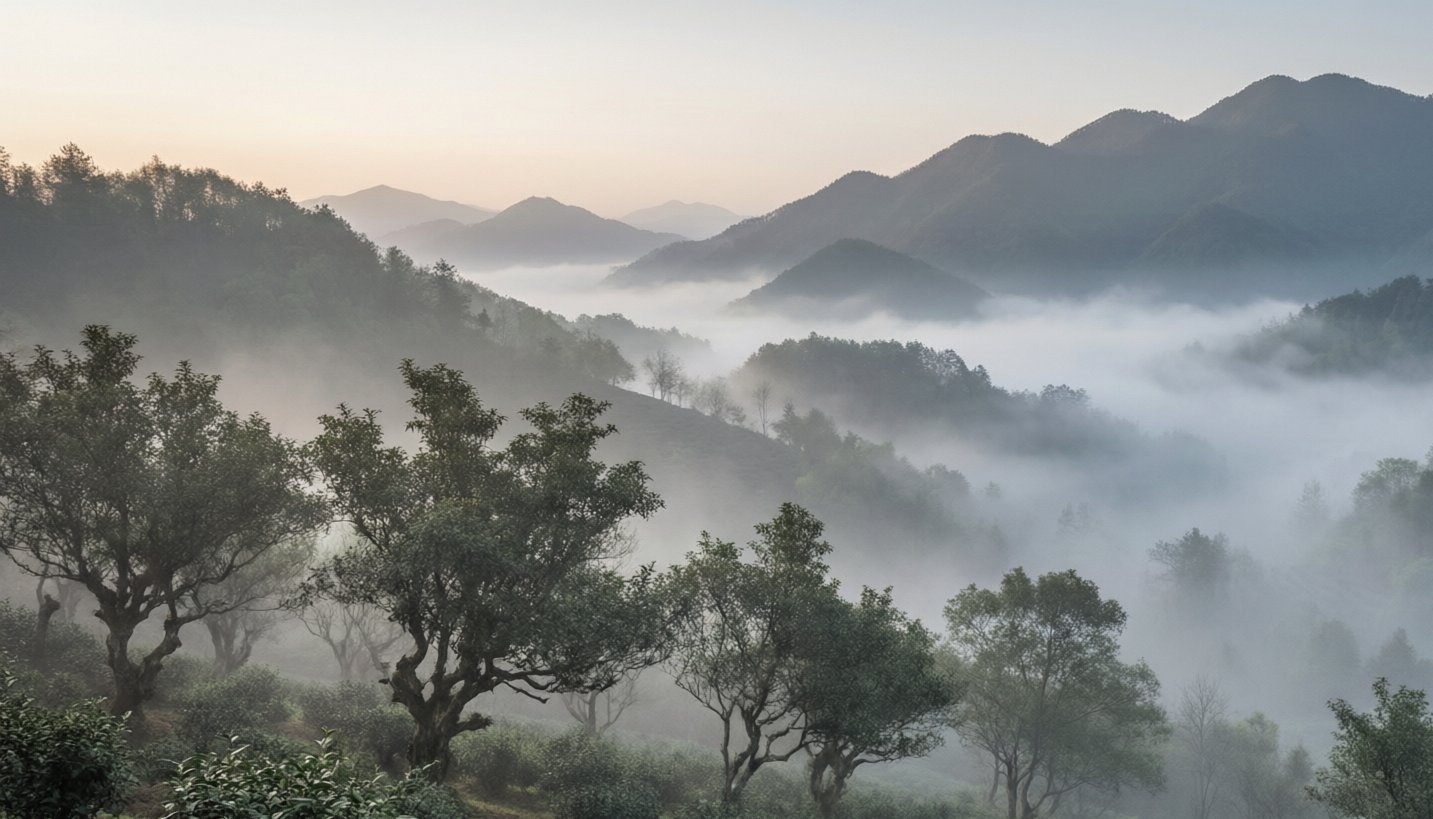
West Lake Longjing is one of China’s most famous green teas, but the spring obsession hides a practical question for buyers. Autumn pickings exist, sell at different price points, and often suit different product lines. This guide compares the two harvest windows across protected-area rules, flavor chemistry, price logic, and wholesale fit.
Harvest Windows and Protected Areas
West Lake Longjing tea is produced within a defined geographical indication zone in Hangzhou, Zhejiang Province. The protected area is generally divided into a first-class zone around the traditional West Lake villages and a broader second-class zone [1]. Origin matters because it sets the legal boundary for what may be sold as West Lake Longjing, not just a stylistic label.
Spring harvest is the market’s main event. Early picks usually begin from late March and run through April, with pre-Qingming lots commanding the highest attention and pre-rain lots following into mid-to-late April [3]. Autumn production is much smaller. Growers typically pick a limited autumn flush from late September into October, after the heat has passed and before the plants slow down for winter.
From a sourcing view, the key difference is not that one harvest exists and the other does not. It is that spring Longjing has a tightly watched schedule linked to freshness marketing, while autumn Longjing is a smaller, less publicized lot that can still be a legitimate buying opportunity when the leaf quality is verified.
What Changes in the Cup and Leaf
Season affects how leaves develop, and that changes what the finished tea tastes like. Spring growth is slower and tends to concentrate free amino acids that contribute to soft, brothy, umami-like sweetness. Autumn growth, coming after summer stress, often has more developed aroma compounds but can also carry higher polyphenol character, which reads as more grip or dryness in the cup [4].
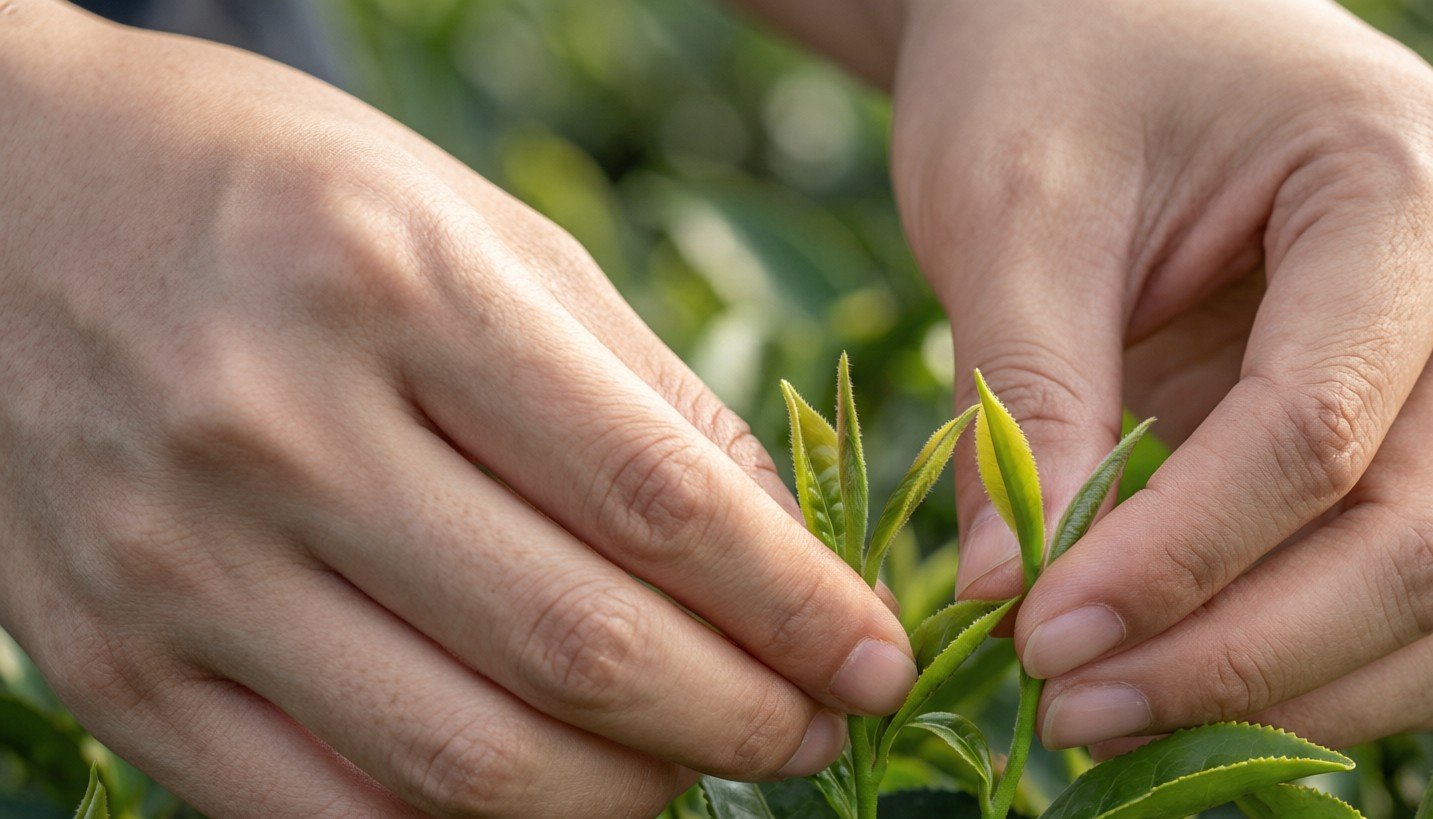
The leaf shape also shifts. Spring Longjing is usually more tender and compact, with a tighter one-bud-to-two-leaf structure. Autumn leaves are often larger, thinner, and less uniform, which reduces the visual appeal unless the factory sorts carefully.
| Harvest | Leaf and Appearance | Typical Cup Profile | Wholesale Positioning |
|---|---|---|---|
| Spring | Smaller, denser, well-trimmed buds and leaves | Soft chestnut, fresh bean, delicate floral, strong aftertaste sweetness | Premium retail, gifting, high-end loose leaf |
| Autumn | Larger leaves, less uniform unless well sorted | Toasty, floral, slightly more astringent, shorter finish | Everyday green tea lines, foodservice, price-sensitive retail |
Sensory evaluation is not a matter of personal taste alone. Chinese green tea grading standards use leaf appearance, liquor color, aroma, taste, and infused leaf condition to separate grades [2]. A well-made autumn lot can score acceptably on taste but often loses points on appearance and tenderness compared with a comparable spring lot.
If you are building a buying plan, send our team the target grade, harvest window, and your monthly volume at xuansc2144@gmail.com. We can prepare a harvest-specific quotation and recommend whether spring or autumn fits the price position you need.
Price, Volume, and Supply Logic
Spring pre-Qingming West Lake Longjing carries the strongest price premium in the green tea category. The demand spike is driven by a short picking window, low yield per day, and a long-standing cultural preference for early spring freshness [3]. Autumn Longjing does not carry that same premium because the market narrative is weaker and supply is less contested.
Autumn lots are usually available at a lower price than spring lots of the same grade. That does not automatically make them better value. A lower price can reflect larger leaf, lower tenderness, or thinner mouthfeel rather than a hidden bargain. The correct use of autumn Longjing is normally in product lines where the customer is not paying for harvest romance: blended green tea, tea bags, cold brew bases, or foodservice programs where cost per cup matters more than origin storytelling.
Green tea also has a freshness clock. Longjing is not an aged product. Aroma and bright green character fade over time unless the tea is kept cool, dry, sealed, and away from light. This makes buying discipline more important than the harvest date alone. A late-harvest autumn lot that has already been in a warm warehouse for several months will often taste flatter than a properly stored spring lot from earlier in the year.
Which Harvest to Buy: A Wholesale Decision Framework
The right answer depends on what you sell, not on which season is more prestigious.
Choose spring West Lake Longjing when you need:
- Luxury retail packs and festival gifting.
- A recognizable pre-Qingming or pre-rain story.
- High visual grade, tender leaf, and stronger mouthfeel.
- Menu items where the brew must hold up across repeated infusions.
Choose autumn West Lake Longjing when you need:
- A lower-cost authentic Longjing option for daily green tea lines.
- A base for blends, tea bags, or cold brew without paying the spring premium.
- A supplementary lot to extend your Longjing inventory after spring stock runs down.
- A trial order before committing to a larger spring purchase with a supplier.
Origin compliance is non-negotiable in both cases. Request the geographical indication certificate or evidence of approved production-area sourcing [1]. Also ask for the picking date, production area, grade, sensory evaluation sheet, and pesticide residue test results. A supplier that can explain exactly which harvest, which village, and which processing batch the lot came from is more useful than one that simply calls everything “premium Longjing.”
Request a Harvest-Specific Lot
If you are sourcing West Lake Longjing for wholesale, private label, or foodservice, send an inquiry with the following details and our team will respond with options that match the correct harvest position.
- Tea type: West Lake Longjing, spring or autumn.
- Target grade and whether you need full-leaf, sachet, or tea-bag format.
- Monthly or container volume needed.
- Destination market and labeling requirements.
- Packaging type: bulk chests, retail tins, cartons, or private label.
- Target landed price per kilogram.
Contact Chinese tea suppliers at xuansc2144@gmail.com with these specifications.
FAQ
Is autumn West Lake Longjing fake or low quality?
Not necessarily. Autumn West Lake Longjing is a real seasonal pick from the protected area, but it is less tender and less uniform than spring picking. Quality depends on origin, sorting, processing, and storage, so verify the certificate and sample the lot rather than rejecting it by season alone [1].
Why is pre-Qingming spring Longjing so expensive?
The picking window is short, daily yields are limited, and early spring demand is intense. The leaves are tender, visually consistent, and carry the soft, fresh character buyers associate with top green tea [3]. The price premium is partly agronomic and partly market-driven.
Can autumn Longjing be stored or aged?
Longjing is a green tea, not a tea meant for long aging. Proper cool, sealed storage can keep autumn Longjing pleasant for roughly a year, but the bright aroma fades over time. Buy autumn lots only when you can move through inventory within the freshness window.
Which harvest is better for cold brew or tea bags?
Autumn Longjing often works well for these applications because cost matters and the flavor is slightly more toasty and robust. Spring Longjing can also be used, but the premium is usually wasted when the tea is blended, cut, or brewed cold with sweeteners.
What should I check before buying autumn Longjing?
Ask for the production-area certificate, picking date, grade, sensory evaluation, moisture level, and residue tests. Compare the dry leaf against the stated grade under GB/T 18650-2008 [1], and request a pre-shipment sample before confirming volume.
References
[1] General Administration of Quality Supervision, Inspection and Quarantine of the PRC and Standardization Administration of the PRC, Product of Geographical Indication—Longjing Tea, GB/T 18650-2008.
[2] Standardization Administration of the PRC, Methodology of Sensory Evaluation of Tea, GB/T 23776-2018.
[3] Hangzhou Municipal Bureau of Agriculture and Rural Affairs, West Lake Longjing Tea Protection Zone and Seasonal Harvest Information, official announcement on Longjing tea production areas and picking periods.
[4] Tea Research Institute, Chinese Academy of Agricultural Sciences, Seasonal Quality Characteristics of Green Tea, research summary on seasonal leaf composition and sensory properties.
No author description available.

白玉京