Xinyang Maojian Terroir: Soil, Altitude & Climate Guide
Xinyang Maojian is one of China’s most recognizable northern green teas. Grown in southern Henan province along the Dabie Mountains, it delivers a chestnut-like aroma, a fresh brisk body, and a clean sweet aftertaste that separates it from softer, grassier southern greens. For wholesale buyers, understanding Xinyang Maojian terroir is not a storytelling exercise — it is how you predict grade, aroma intensity, shelf behavior, and the price gap between an ordinary lot and a high-mountain spring pick.
What Makes Xinyang Maojian Terroir Different
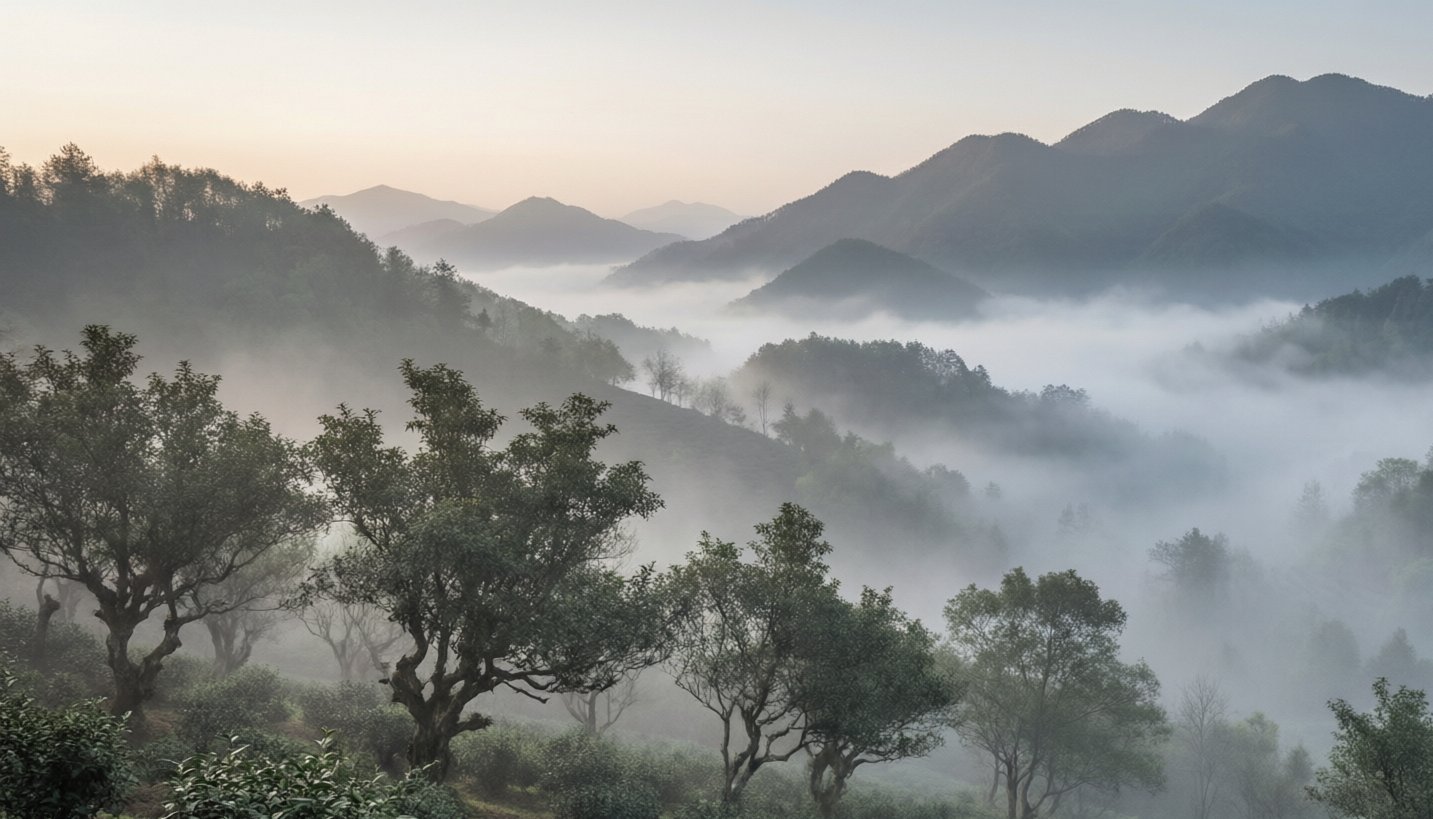
Xinyang Maojian is produced inside a protected geographical indication area, where the tea gardens sit on mountain slopes rather than flat lowland fields [1]. The region sits at the boundary between subtropical and warm-temperate climates. That position creates a slower spring season than coastal tea regions, with cool nights, frequent mist, and a later first flush — all of which shape the leaf’s chemistry before harvest.
The most prized gardens are scattered around the five “cloud” peaks of the Dabie range, including Cheyun, Jiyun, and Wuyun, as well as slopes near Shihe River. These sites share three terroir advantages: acidic and well-drained soil, meaningful elevation, and a spring climate with sharp day-night temperature swings.
Soil: Acidity, Drainage, and Minerality
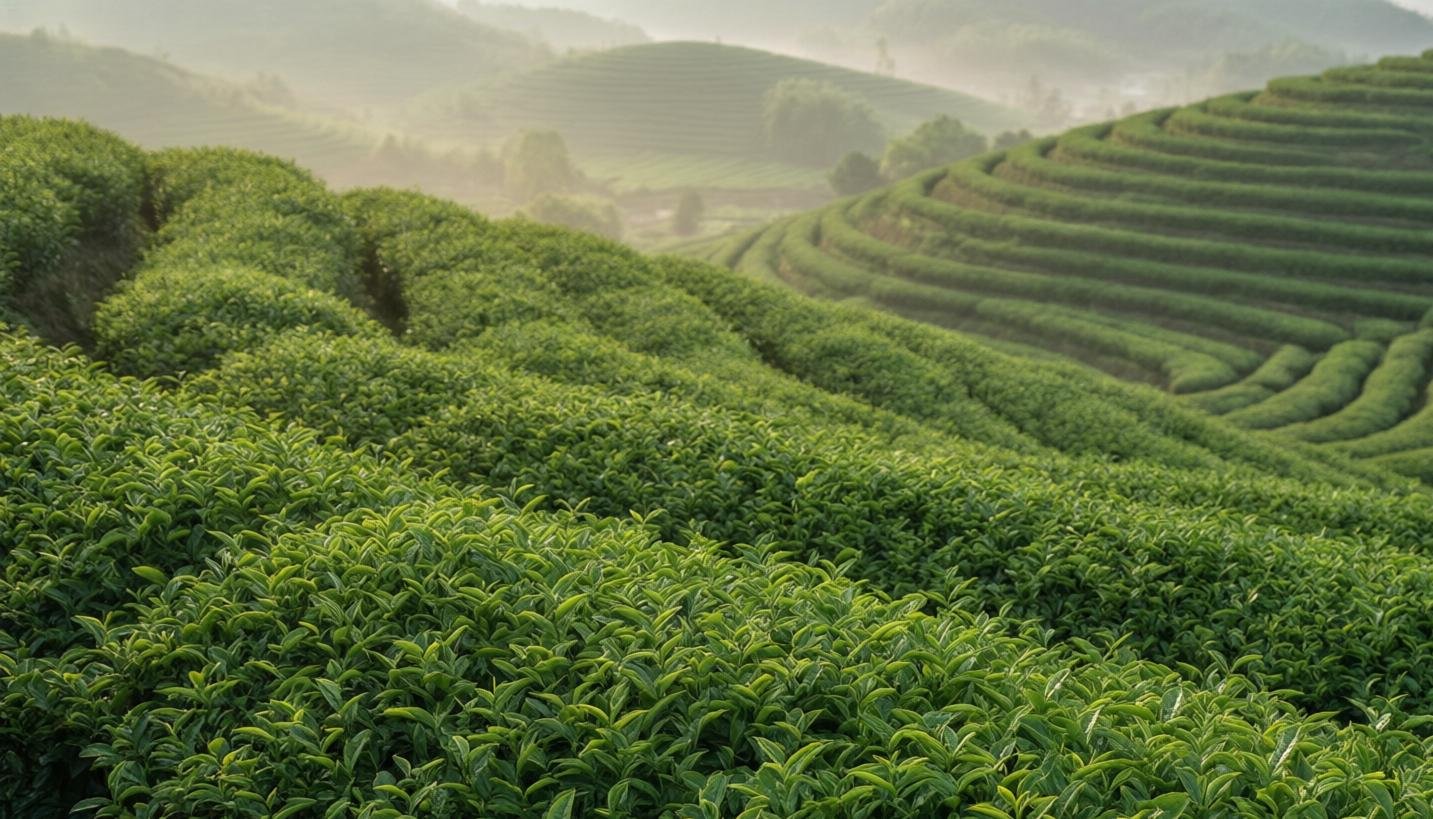
Xinyang Maojian grows best in acidic to slightly acidic mountain soils, typically in the pH range of 4.5–6.0 [2]. Much of the parent material comes from weathered granite and gneiss, which produces loose, permeable soil. That drainage matters as much as fertility: Maojian roots do not tolerate waterlogging, and sloping gardens shed excess rain naturally.
The soil’s mineral profile also influences cup character. Potassium, zinc, and magnesium support leaf development and aroma formation, while organic matter feeds slow nitrogen release during early growth. Tea from mineral-rich, fast-draining slopes tends to show a clearer chestnut note and a more lasting aftertaste, while tea from heavy or overwatered soil often comes out flatter and more astringent.
Altitude: Why Elevation Matters
Most premium Xinyang Maojian gardens sit between roughly 400 and 800 meters [1]. At these elevations, temperatures are low enough to slow leaf growth without creating the severe cold of truly high-altitude regions. Slower growth gives the bud time to accumulate amino acids, especially theanine, which balances the natural polyphenols that make green tea bitter.
The elevation effect shows up in the leaf itself. High-slope Maojian often has thicker, smaller, tightly rolled leaves with dense white tips. When cupped, it typically tastes fresher and rounder than lowland summer leaf, with less raw astringency. For buyers, the altitude claim should match the leaf appearance: a soft, pale, blunt-tipped lot labeled as high-mountain should raise questions.
Climate: Cool Springs, Mist, and Diurnal Swing
Xinyang’s spring climate is the final piece of the terroir puzzle. Clouds and mountain mist reduce direct sun exposure and keep humidity high. At the same time, a strong day-night temperature difference slows respiration at night, helping the plant retain aroma precursors instead of burning through sugars and amino acids [2].
This climate pattern explains why early spring Xinyang Maojian is more aromatic and less bitter than later flushes. Later harvests grow faster under warmer conditions, producing larger, coarser leaves with a harder edge. The best lots are therefore not just about any terroir — they are about spring terroir captured at the right window.
From Terroir to Cup: The Xinyang Maojian Signature
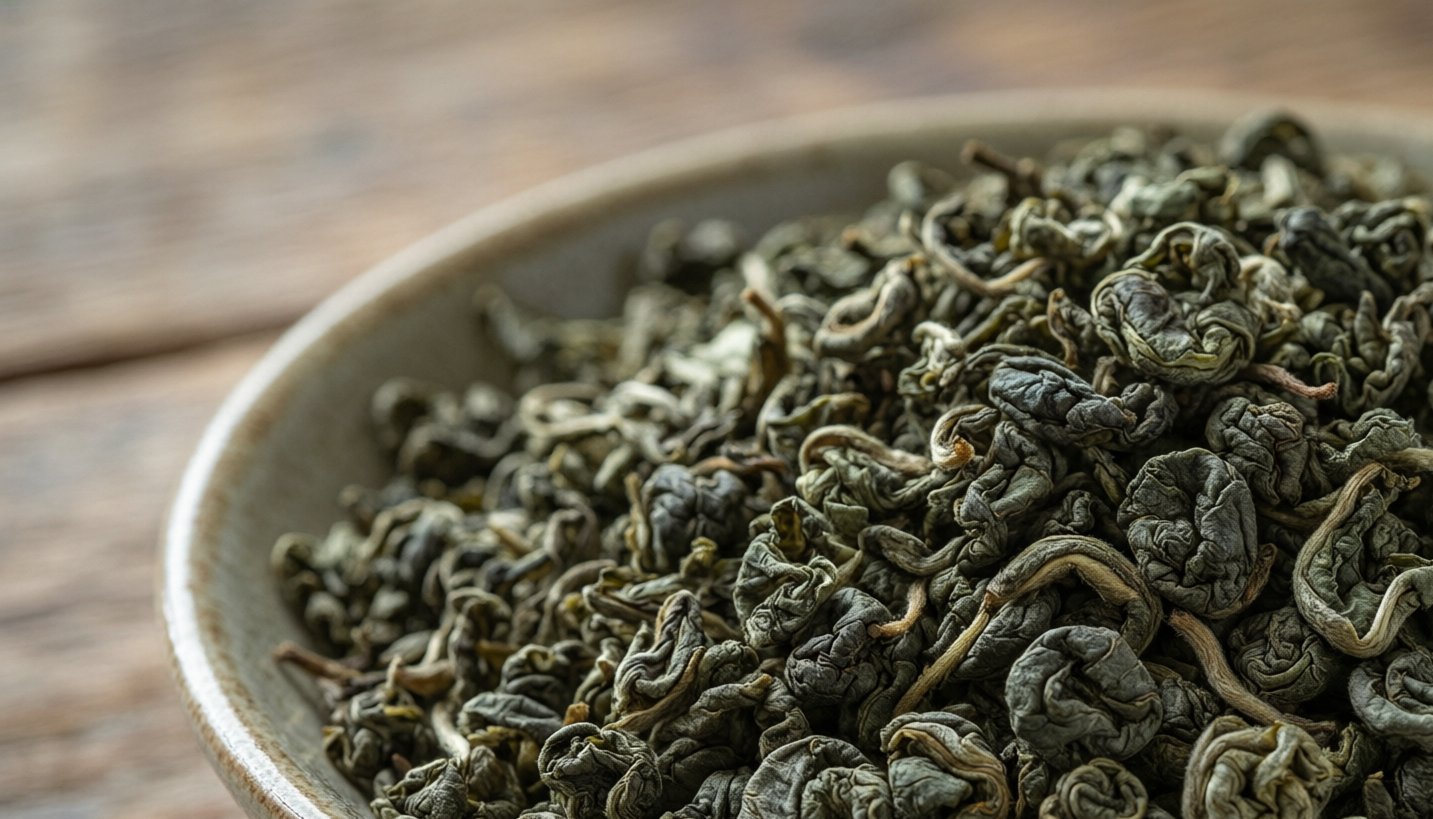
The combined effect of acid soil, mid-slope elevation, and cool misty spring is a green tea with an unmistaken profile: roasted chestnut in the dry and wet leaf, fresh and mellow on the tongue, and a sweet, clean return in the throat. Compared with common Jiangnan greens, Xinyang Maojian is often less marine or grassy and more rounded and nutty.
Wholesale buyers can use that profile for quality control. A genuine high-grade Maojian should be tight, fine, dark green, and well covered with soft tips. If the dry leaf is pale, broken, or flat, the lot likely came from lower altitude or a late harvest, regardless of what the label says.
Grades, Harvest, and Terroir Indicators
The grade hierarchy is closely tied to harvest timing and leaf standard. Spring lots, especially pre-Qingming and pre-rain picks, command the highest prices because terroir is expressed most cleanly in slow-grown buds.
| Grade band | Typical harvest | Leaf standard | Cup character |
|---|---|---|---|
| Premium pre-Qingming | Late March to early April | Single bud or bud with one early leaf | Fresh umami, thick chestnut aroma, lasting sweetness |
| Pre-rain high grade | April | Bud with one to two leaves | Aromatic, round, slightly stronger |
| Standard spring | Late April to May | Bud with two to three leaves | Balanced but less delicate |
| Summer/autumn | June onward | Larger leaves | Coarser, more astringent, lower aroma |
The table is a buying filter, not a rigid rule. Altitude can push a pre-rain lot above a lowland pre-Qingming lot in overall quality.
How Wholesale Buyers Can Verify Terroir Claims
Terroir claims are easy to print and hard to prove. For importers and private-label programs, the right controls are simple: require origin documentation, cup every lot against a reference sample, and confirm the lot’s physical indicators match its label.
- Ask for GI origin certification and lot-specific harvest date.
- Confirm garden or factory location, not only the packing location.
- Check dry leaf for fineness, dark green color, and tips.
- Cup for chestnut aroma, fresh body, and clean finish.
- Use amino acid and pesticide residue reports for high-volume orders.
Need terroir-verified Xinyang Maojian for wholesale or private label? Contact Chinese tea suppliers at 427728483@qq.com with your target grade, harvest window, and packaging requirements, and we will help match the lot to your market.
Source Xinyang Maojian with Terroir You Can Trace
For retailers and distributors, Xinyang Maojian sells best when the story is backed by a specific harvest, a known garden, and consistent cupping results. Instead of accepting a vague “high mountain” label, request the lot number, leaf grade, origin certificate, and a pre-shipment sample.
Chinese tea suppliers works with buyers to source Xinyang Maojian by grade and season, arrange cupping sets, and prepare lab documentation for EU, US, or domestic retail requirements. To discuss your next order, contact 427728483@qq.com and include your target volume and destination market.
Frequently Asked Questions
What altitude is best for Xinyang Maojian?
Most premium gardens sit between approximately 400 and 800 meters. This range slows growth and boosts amino acid accumulation without exposing the plants to extreme alpine cold.
Is pre-Qingming Xinyang Maojian always better?
Usually, but not always. Pre-Qingming leaves are delicate and aromatic, yet a high-altitude pre-rain lot can outperform a lowland pre-Qingming lot. Buyers should cup the lot rather than rely on harvest date alone.
How does soil affect the chestnut aroma?
Acidic, well-drained mineral soil supports balanced nutrient uptake and avoids water stress. Combined with slower growth, that helps produce the roasted chestnut note Xinyang Maojian is known for.
What should importers check on a Xinyang Maojian certificate?
Confirm the geographical indication mark, harvest date, leaf standard, and garden origin. The certificate should match the physical leaf and cup profile, not just the packaging.
Does Xinyang Maojian taste different from Huangshan Maofeng?
Yes. Huangshan Maofeng is often lighter and more orchid-like, while Xinyang Maojian is rounder and distinctly chestnut-driven. Origin, cultivar, and processing all contribute to the difference.
References
[1] General Administration of Quality Supervision, Inspection and Quarantine of the People’s Republic of China. GB/T 22737-2008, Product of geographical indication—Xinyang Maojian tea.
[2] Tea Research Institute, Chinese Academy of Agricultural Sciences. Ecological factors and quality formation in northern Chinese green tea regions.
No author description available.

白玉京