What Is Black Tea Pu-erh Tea, Exactly?
Black tea Pu-erh tea is a phrase that pushes together two terms trained tea buyers usually keep apart. Here is the short version: Pu-erh is not a black tea in the Western sense. In Chinese tea classification, Western black tea is red tea (hong cha), while Pu-erh is a post-fermented tea from Yunnan Province that is normally grouped under dark tea (hei cha) [1][2]. When a spec sheet, listing, or buyer asks about “black tea Pu-erh tea,” it almost always means one of three things: a translation slip for dark tea, ripe Pu-erh that brews dark and earthy, or a dressed-up name for strong, aged tea. Clear language matters for sourcing because raw Pu-erh and ripe Pu-erh behave differently in price, storage, brewing, and shelf strategy.
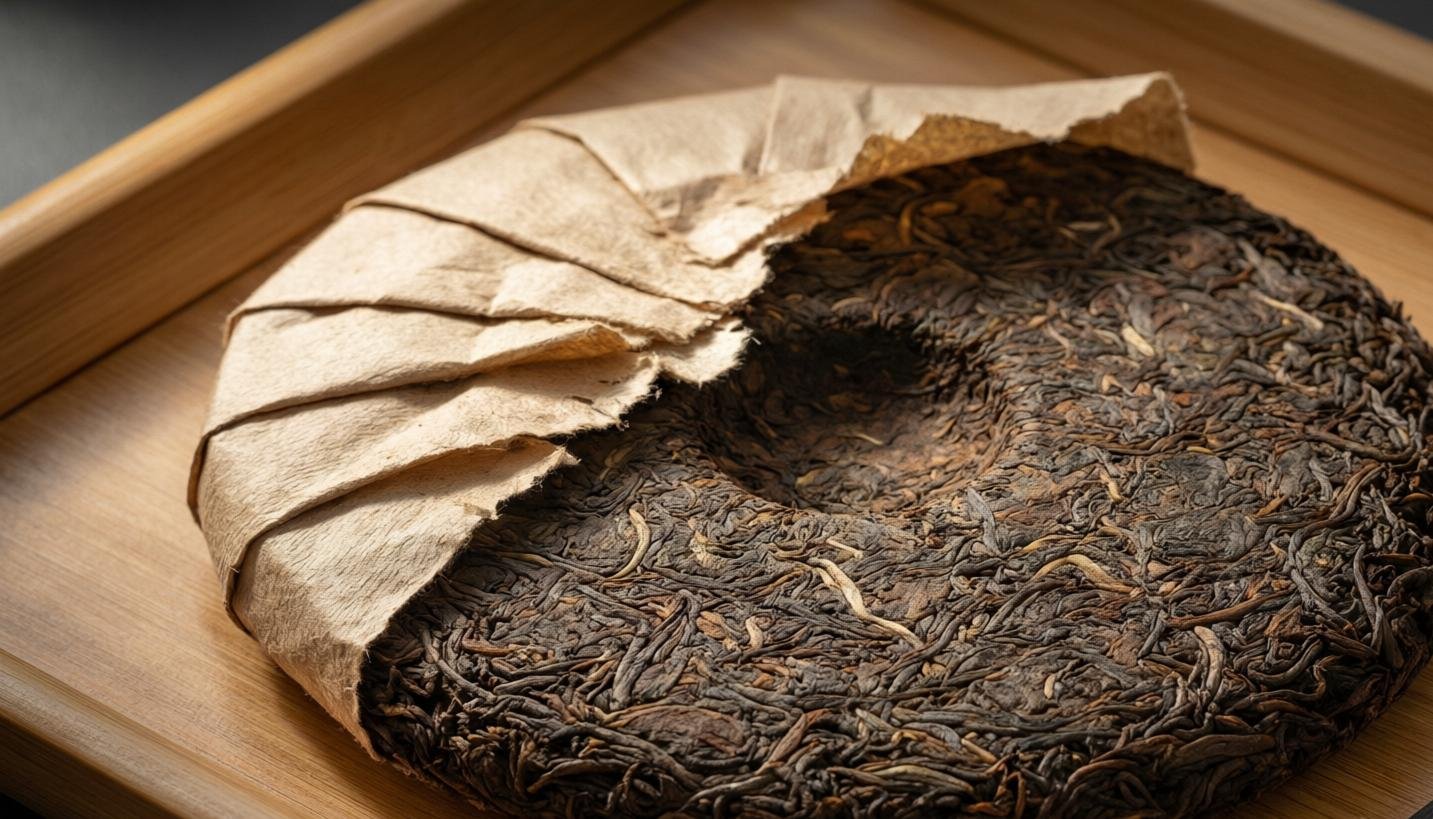
What “Black Tea Pu-erh Tea” Actually Refers To
Search the term on wholesale platforms and you will usually see the same handful of products. Most are ripe Pu-erh (shou cha) compressed into cakes or tuos; some are naturally aged raw Pu-erh (sheng cha) that has darkened over time; a smaller number are actual blends of black tea and Pu-erh. If a supplier writes “black tea Pu-erh tea,” do not assume the blend. Ask which product standard applies. Authentic Pu-erh processed in Yunnan should reference GB/T 22111-2008, the Chinese national standard for geographical-indication Pu-erh tea [2].
The confusion is understandable. Pu-erh can look like black tea, brew like black tea, and be sold next to black tea. But the production route, legal classification, and storage logic are different. When you are buying for resale, mistaking one for the other can lead to the wrong product for your market.
Black Tea vs Ripe Pu-erh: Processing and Flavor
| Attribute | Black tea (hong cha) | Ripe Pu-erh (shou cha) |
|---|---|---|
| Class | Fully oxidized tea; not microbially fermented | Post-fermented dark tea; wet-piled [1][2] |
| Leaf stock | Often small- or medium-leaf cultivars | Yunnan large-leaf assamica [2] |
| Key process | Withering, rolling, oxidation, firing | Sun-drying, controlled wet-piling, compression or loose packing [3] |
| Liquor | Red, amber, golden, or coppery | Dark reddish-brown to inky black |
| Flavor | Malty, honeyed, brisk, sometimes astringent | Earthy, woody, camphor-like, mellow, and sweet |
| Role in aging | Usually sold for current use; changes are modest | Drinkable immediately and commonly held for further aging |
The critical dividing line is microbial fermentation. Black tea’s color and taste come mainly from enzymatic oxidation; ripe Pu-erh goes through a wet-piling step where controlled heat and moisture allow microorganisms to rework the leaf [3]. That is why ripe Pu-erh can taste nothing like black tea even when the dry leaf and liquor look similar.
Raw Pu-erh and Ripe Pu-erh Explained
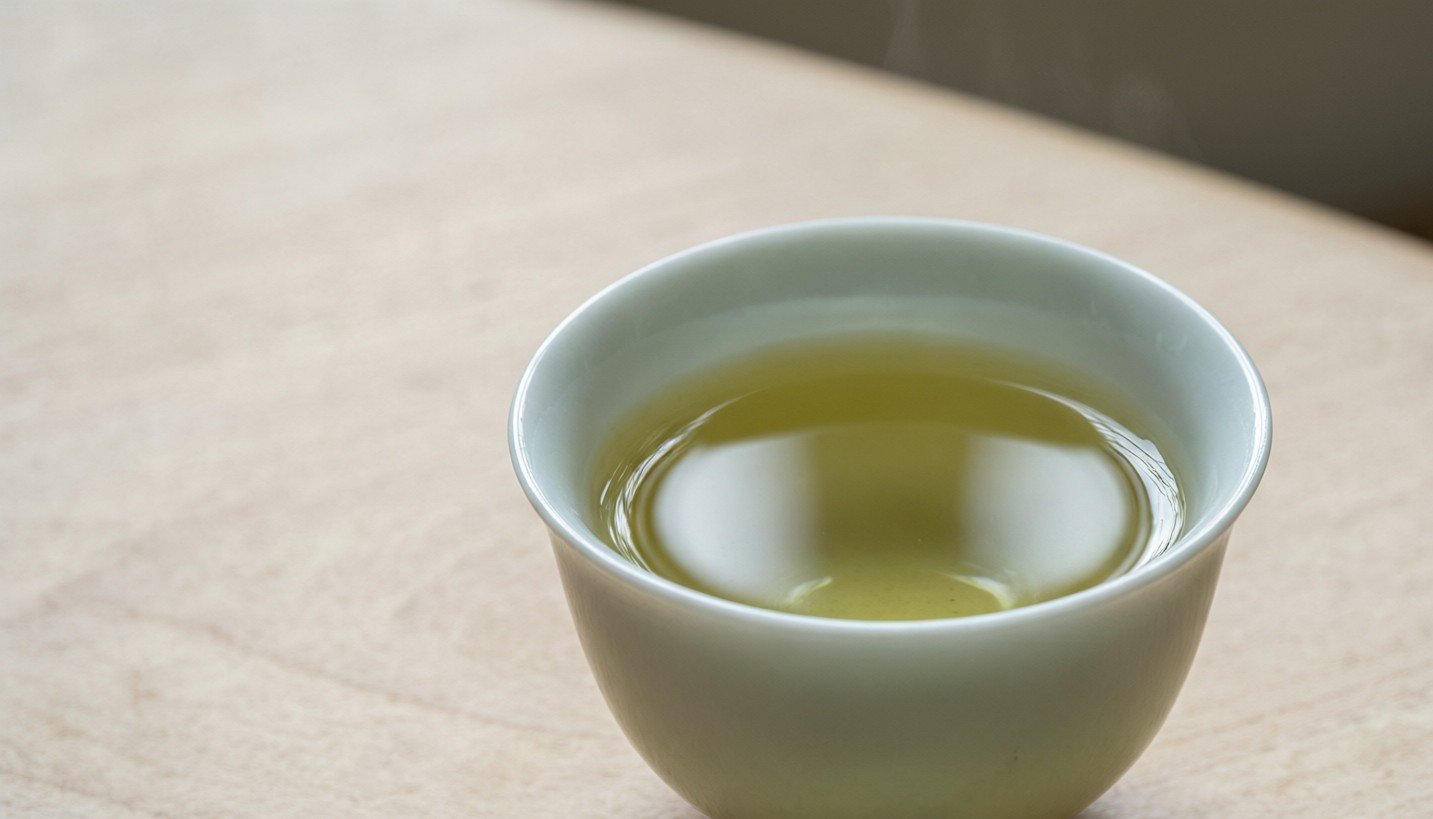
Raw Pu-erh (sheng cha) starts as sun-dried maocha from Yunnan large-leaf tea trees. The leaves are steamed and compressed into cakes, bricks, or tuos, then age naturally over time. Young raw Pu-erh tends to be golden or pale green in the cup, with a floral, sometimes assertive and astringent character. As it ages, the liquor darkens and the profile becomes smoother, with wood, camphor, and dried-fruit notes.
Ripe Pu-erh (shou cha) uses the same raw material but goes through an accelerated fermentation process called wet-piling. Developed and scaled in Yunnan during the 1970s, the method produces a tea that is dark, earthy, mellow, and ready to drink more quickly than traditional raw Pu-erh [3].
If the phrase “black tea Pu-erh tea” describes a product, it is usually ripe Pu-erh, because ripe Pu-erh visually resembles strong black tea. But the production route is different, and the word “black” is a color description, not a processing category.
How Pu-erh Is Graded and Bought
Professional buyers rarely stop at “Pu-erh.” A workable wholesale specification should include the following:
- Origin: Xishuangbanna, Lincang, Pu’er, or other Yunnan sub-regions
- Leaf source: plantation, old tree, or ancient tree material
- Product type: raw, ripe, or blended
- Compression format: loose leaf, cake, tuo, brick, or basket
- Production year and storage location: dry warehouse, wet storage, or mixed
- Grading: bud-to-leaf ratio and visual grade
- Standard and testing: GB/T 22111-2008, pesticide residue tests, moisture tests [2]
Raw and ripe Pu-erh move on different price curves, so test them side by side before committing. If you need a comparison set of sheng and shou Pu-erh with production-year and storage records, contact Chinese tea suppliers at 427728483@qq.com and include your target volume, format, and destination.
Brewing and Storage Essentials
For professional tasting and café use, gongfu-style brewing works well: use about 5–7 grams of leaf per 100–120 ml of water. Ripe Pu-erh and aged raw Pu-erh respond best to water at 95–100°C, while young raw Pu-erh often benefits from a slightly lower temperature near 90°C to soften early astringency.
Rinse the leaves once or twice with hot water for a few seconds and discard the rinse. This wakes compressed tea and removes surface dust. Steep times are short: start at 10–20 seconds and lengthen each infusion.
Storage matters more for Pu-erh than for most black tea. Keep tea in a clean, dry, odor-free environment at moderate humidity, away from direct sunlight and strong-smelling products. Breathable wrappers and paper-based packaging are generally safer than sealed plastic for long-term aging.
Sourcing Pu-erh Tea: Next Steps
Ready to build a Pu-erh sourcing list? Send your requirements to 427728483@qq.com with the following:
- Product type: sheng, shou, or both
- Compression format: loose leaf, cake, tuo, brick, or basket
- Target annual volume
- Destination country
- Certification or lab-testing needs
Chinese tea suppliers will return a sample shortlist with production year, storage records, and standard references.
Frequently Asked Questions
Is Pu-erh tea a type of black tea?
No. In Chinese classification, black tea is called hong cha, or red tea, and is fully oxidized. Pu-erh is a post-fermented tea from Yunnan, grouped under dark tea (hei cha) [1][2].
Why does the phrase “black tea Pu-erh tea” appear?
It usually appears for three reasons: translation confusion between black tea and dark tea, the dark liquor of ripe Pu-erh, or a loose product name used to describe strong, aged Pu-erh. It does not automatically mean a black tea and Pu-erh blend.
What is the difference between raw and ripe Pu-erh?
Raw Pu-erh is sun-dried and compressed, then ages naturally over years. Ripe Pu-erh is processed with a wet-piling step that accelerates fermentation, making it darker, earthier, and more mellow when young.
How should I store Pu-erh tea?
Store Pu-erh in a clean, dry, odor-free space with moderate humidity, away from direct sunlight, moisture, and strong smells. Breathable packaging is generally better than airtight plastic for long-term storage.
Should I rinse Pu-erh before brewing?
Yes. One or two short hot-water rinses help open compressed leaves, remove dust, and prepare the tea for even extraction. Discard the rinse water.
Which is better for wholesale buyers: raw or ripe Pu-erh?
It depends on the market. Ripe Pu-erh is often the easier entry point because it is mellow and drinkable immediately. Raw Pu-erh appeals to buyers interested in aging and more dynamic flavor evolution. Many importers stock both.
References
[1] ISO 20715:2023, Tea — Classification of Tea Types. International Organization for Standardization, Geneva, 2023.
[2] GB/T 22111-2008, Product of Geographical Indication — Pu'er Tea. Standardization Administration of the People's Republic of China, 2008.
[3] Zhang, L., et al. “Understanding Pu-erh Tea: Processing, Microbiology, and Health Effects.” Comprehensive Reviews in Food Science and Food Safety, Wiley-Blackwell, 2019.
No author description available.

白玉京