How to Brew Fengpai Black Tea: Ratio, Temperature & Timing
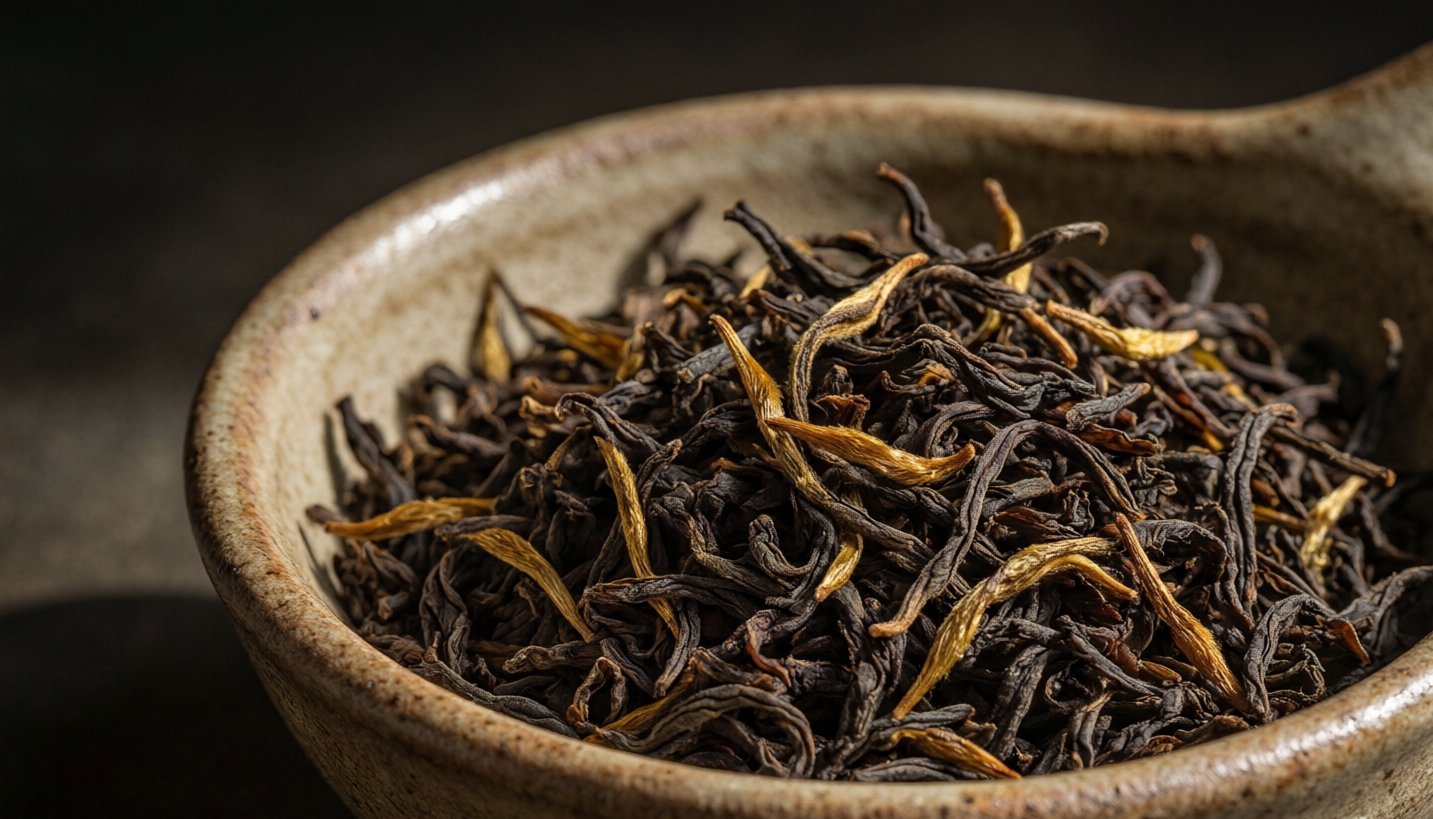
Fengpai black tea is a Dianhong — a Yunnan black tea — from Fengqing County in Lincang, Yunnan. It is not a thin, sharp cup or a heavily smoked tea. The best Fengpai lots are full-bodied, smooth, and built around malt, honey, cacao, and dried fruit sweetness. Brewing it well means controlling three things: how much leaf you use, how hot the water is, and how long the leaves stay in contact with the water.
The following parameters give you a reliable baseline for cupping, daily drinking, or comparing supplier samples. Treat them as starting points, then adjust for your water and the exact grade in front of you.
What Fengpai Black Tea Actually Is
Fengpai is a branded Yunnan gongfu black tea, or Dianhong, produced in western Yunnan. It belongs to the gongfu black tea category defined in the Chinese standard for gongfu black tea [1]. The tea is made from Yunnan large-leaf variety leaves, often showing glossy dark leaf with golden-orange tips.
That large-leaf material matters. It gives the tea more body than many small-leaf black teas, and it responds well to short gongfu infusions or a controlled Western steep. Depending on the grade, you will find more golden tips in premium lots and more mature leaf in everyday grades.
A well-brewed Fengpai cup usually shows:
- Malt and baked bread
- Honey or date-like sweetness
- Dark cacao
- A light sweet potato or roasted-nut note
- A clean, slightly peppery finish
If the cup is thin, sharply bitter, or flat, the problem is usually brewing, not the tea itself.
The Three Variables That Matter Most
Ratio
For a Western-style cup, start at 3 g of leaf for a 300 ml mug or teapot. For gongfu brewing, use 4–5 g for a 100–110 ml gaiwan or small teapot. Gongfu uses a much higher leaf-to-water ratio, but the steep time is short.
A useful standardized reference is the sensory-testing baseline of 2 g of leaf per 100 ml of water [2]. That is a cupping standard, not a daily drinking rule, but it explains why teas taste different when you change the ratio.
Water temperature
Use water between 90°C and 95°C, roughly 194°F to 203°F. Delicate golden-tip lots lean toward 90°C. More mature or lower-grade leaf can handle 93–95°C. Straight boiling water, poured aggressively from a kettle, can scald the leaves and push the tea toward bitterness.
Time
Black tea is not a "longer is stronger" tea. For Western brewing, 3 minutes is the safer first steep. For gongfu brewing, the first steep may only need 5–10 seconds. Later infusions can be extended gradually.
| Brewing style | Vessel | Leaf | Water temperature | First steep | Additional steeps |
|---|---|---|---|---|---|
| Western cup or pot | 300 ml | 3 g | 90–93°C | 3 min | 1–2 more, adding 30–45 sec each |
| Gongfu | 100–110 ml gaiwan | 4–5 g | 90–95°C | 5–10 sec | 6–10 more, adding about 5 sec each |
A kitchen scale removes the largest source of error. Measuring by "one spoon" is unreliable because a spoon of whole leaf weighs almost nothing compared with a spoon of broken leaf.
Step-by-Step Brewing
Gongfu-Style Brewing
Gongfu brewing is the best way to see how a Fengpai lot develops across infusions. Use a white porcelain gaiwan if you want the most neutral view of the liquor; white porcelain is also the standard evaluating vessel for tea sensory work [3].
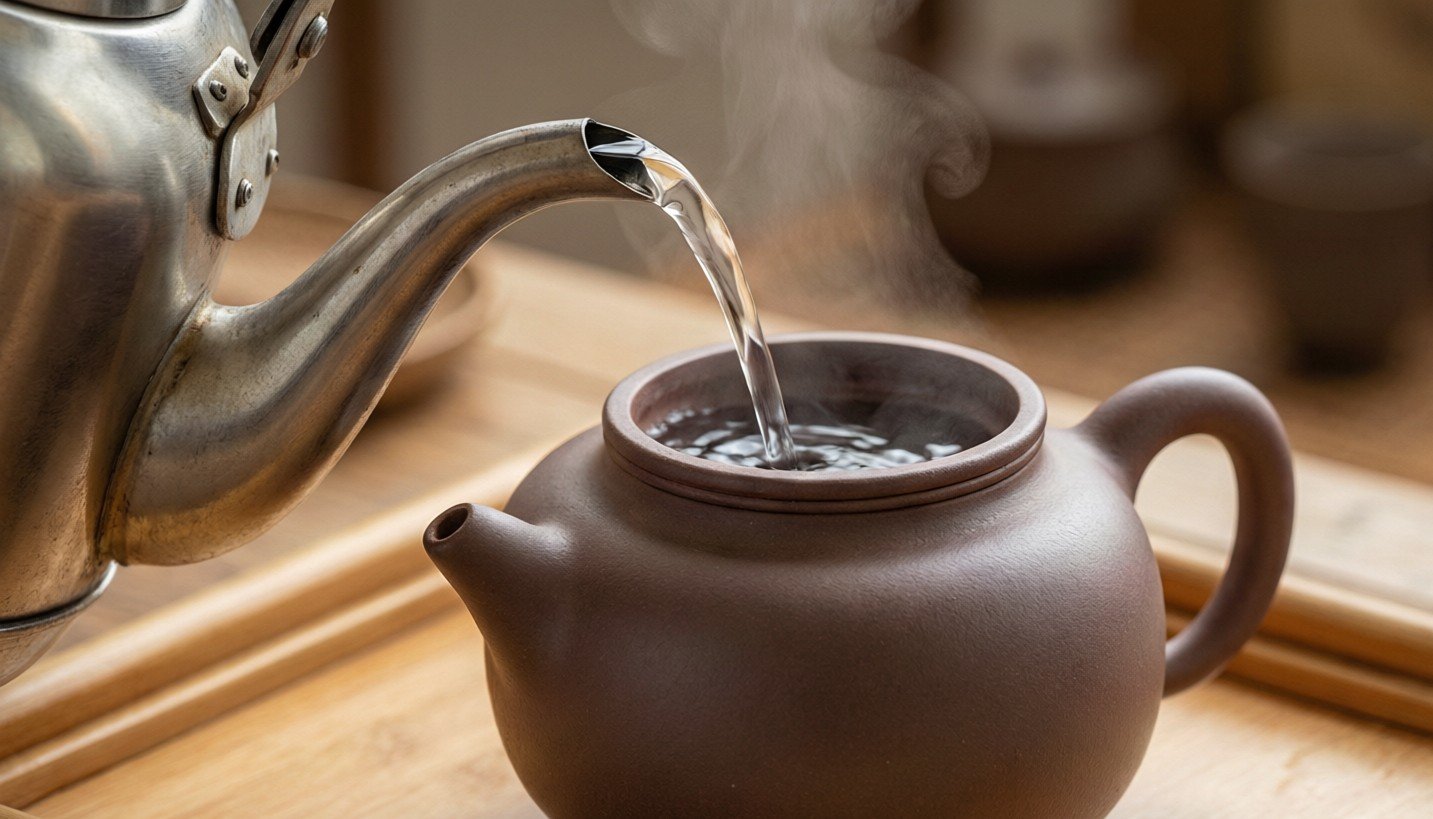
- Bring filtered water to 95°C, then let the kettle settle briefly.
- Warm the gaiwan and cup with hot water. Discard the water.
- Add 4–5 g of dry leaf to the 100–110 ml gaiwan.
- If you wish, rinse quickly: pour just enough water to cover the leaf, then pour it off within 1–2 seconds. This is optional for Fengpai and mainly helps dense, twisted leaves open.
- For the first infusion, pour water into the gaiwan and start the timer immediately.
- At 5–10 seconds, decant every drop into the pitcher. Do not let water stand in the gaiwan.
- Taste, then repeat. Add about 5 seconds per infusion once the tea starts to soften.
- Leave the gaiwan lid slightly ajar between infusions so the leaves do not steam themselves.
Western-Style Brewing
- Warm a mug or teapot.
- Use 3 g of leaf for 300 ml of filtered water.
- Heat water to 90–93°C.
- Pour the water over the leaf and start the timer.
- At 3 minutes, remove the leaves or decant fully. Do not let the leaves sit in the pot.
- Taste. If you want more body, add 30–45 seconds on the next steep rather than adding more leaf immediately.
If you are comparing Fengpai lots for wholesale, keep the baseline identical: same 5 g, same 110 ml gaiwan, same temperature, same timer. Taste all samples side by side before asking for pricing. Need current harvest samples? Contact us at 427728483@qq.com.
Common Mistakes That Make Fengpai Bitter
There are a few predictable ways to ruin an otherwise good Yunnan black tea. Most bitter cups come from one or more of the following:
- Water is just off a rolling boil and scalds the leaf.
- Too much leaf is packed into too small a vessel.
- The first Western steep runs for five minutes or more.
- Wet leaves are left to stew in the pot instead of being decanted.
- The tea is judged only on the first few seconds of the first steep, before the sweetness opens.
If the cup is bitter but thin, reduce the leaf or shorten the steep. If the cup is sour or flat, raise the temperature slightly and shorten the time.
Tasting Notes, Adjustments and Storage
Adjust for water and leaf grade
Soft water tends to produce a rounder, sweeter cup. Hard water can mute the fruitiness and sharpen the astringent edge. If your tap water smells of chlorine, use filtered or bottled spring water before making any other judgment about the tea.
Golden-tip lots are the most temperature-sensitive. Use cooler water and shorter steeps. More mature leaf grades can take hotter water and slightly longer extraction without falling apart.
What good Fengpai should taste like
A good cup should feel full and smooth rather than papery or sour. The sweetness should build after the first sip. Across multiple infusions, expect the malt and cacao to soften into honeyed, baked-fruit notes. A clean Yunnan black tea often finishes with a faint tingle or pepper-like dryness, but it should never coat the tongue with harsh bitterness.
Keeping the rest of the bag fresh
Store Fengpai black tea in an airtight, odor-free container away from light, heat, and strong smells. A cool, dark cupboard is better than a windowsill or spice shelf. It does not need to be refrigerated, but it should be sealed immediately after every use.
Source Fengpai Black Tea in Bulk
When you are comparing suppliers, ask for specifics before you commit. Send us the following, and we will match the grade and format to your market:
- Target quality level or price point
- Packaging format: loose leaf, tea bags, or retail boxes
- Estimated monthly volume
- Destination country
- Whether you need harvest-year documentation
Email: 427728483@qq.com
Frequently Asked Questions
What water temperature is best for Fengpai black tea?
Start between 90°C and 95°C. Golden-tip lots do better near 90°C, while more mature leaf can handle 93–95°C.
What is the correct Fengpai black tea ratio?
For Western brewing, use about 3 g per 300 ml of water. For gongfu brewing, use 4–5 g for a 100–110 ml gaiwan or small teapot.
How many times can you re-steep Fengpai black tea?
A good gongfu session can run six to ten infusions. A Western-style leaf may manage one or two more rounds with added time.
Should I rinse Fengpai black tea before brewing?
A quick 1–2 second rinse is optional. It helps dense, twisted leaves open, but it is not required if the leaf is clean and well stored.
Can I brew Fengpai black tea with milk?
Yes. Its malt and cacao notes hold up to milk better than delicate, floral teas. Use a slightly higher leaf ratio if you prefer a stronger milk tea.
How should I store Fengpai black tea?
Keep it in an airtight container, away from light, heat, moisture, and strong odors. A cool, dark cupboard is ideal.
References
[1] GB/T 13738.2-2017, 红茶 第2部分:工夫红茶 (Black tea — Part 2: Gongfu black tea), Standardization Administration of the People's Republic of China.
[2] ISO 3103:2019, Tea — Preparation of liquor for use in sensory tests, International Organization for Standardization.
[3] GB/T 23776-2018, 茶叶感官审评方法 (Methodology of sensory evaluation of tea), Standardization Administration of the People's Republic of China.
No author description available.

白玉京