Souchong Tea Bulk Buying: A Practical Guide for Importers
Buying Souchong tea in bulk starts with one discipline: treat the name as a starting point, not a specification. Souchong is a smoked black tea, but the label can cover traditional Wuyi small-leaf Zhengshan Xiaozhong, stronger export Lapsang styles, and heavily smoked Tarry grades. If those styles are blended into one generic quote, the sample may mislead the production lot. The workable approach for importers is to define style, grade, smoke source, compliance data, packing and supplier controls before ordering. This guide follows that sequence, with checks you can send to a supplier instead of relying on vague quality words.
Start by Locking Down the Souchong Style
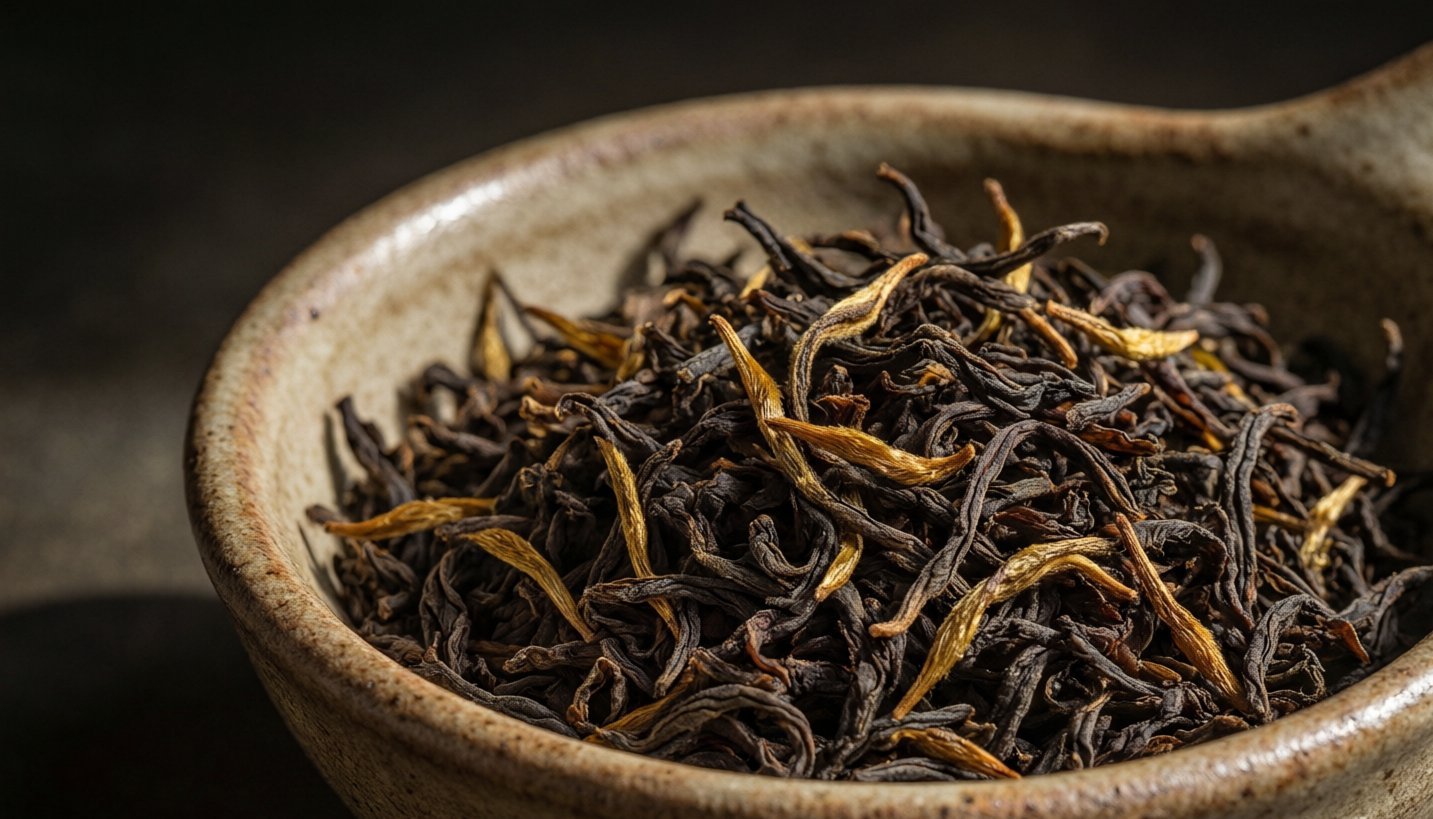
In the tea trade, Souchong usually refers to smoked black tea from the Wuyi area. Zhengshan Xiaozhong describes the original small-leaf version made with pinewood smoke, while Lapsang Souchong often signals a stronger export profile and Tarry Souchong an even heavier smoke. These distinctions are not cosmetic. They change price, labeling, target customer and how the tea behaves as a base for blends. Ask the supplier for the exact trade name, origin area, leaf grade, harvest period and smoke process. Also ask whether the smoke comes from pinewood firing or from later flavoring, because that affects both the label and the consistency of the aroma over time.
Build a Specification Sheet That Prevents Substitution
A vague inquiry produces a vague quote. Send these fields as a written RFQ line so every supplier responds to the same requirement.
| Specification field | What to ask the supplier | Why it matters |
|---|---|---|
| Style and leaf grade | Exact trade name, region, grade, harvest period | Prevents a different Souchong profile from entering the quote |
| Smoke process | Pinewood type, firing or flavoring stage, smoke intensity | Defines aroma, label position and shelf behavior |
| Moisture specification | Target moisture and test method | Affects weight, shelf life and mold risk |
| Residue report | Third-party lab report tested against your destination limits | Reduces import clearance and food safety risk |
| Batch traceability | Batch number, production date, sealed reference sample | Supports reorders and quality disputes |
| Bulk packing | Inner liner, carton or sack, unit weight, pallet load | Protects the smoke aroma and prevents transport damage |
Keep the approved answers in the purchase record. If a supplier replies only with "standard export quality" or a price without these details, do not treat the quote as comparable to one that includes them.
Judge the Leaf and the Cup Before Committing
A pre-shipment sample can only protect you if it is evaluated against a written standard. Taste the tea the same way it will be used, and keep the approved sample sealed for comparison.

Dry Leaf Check
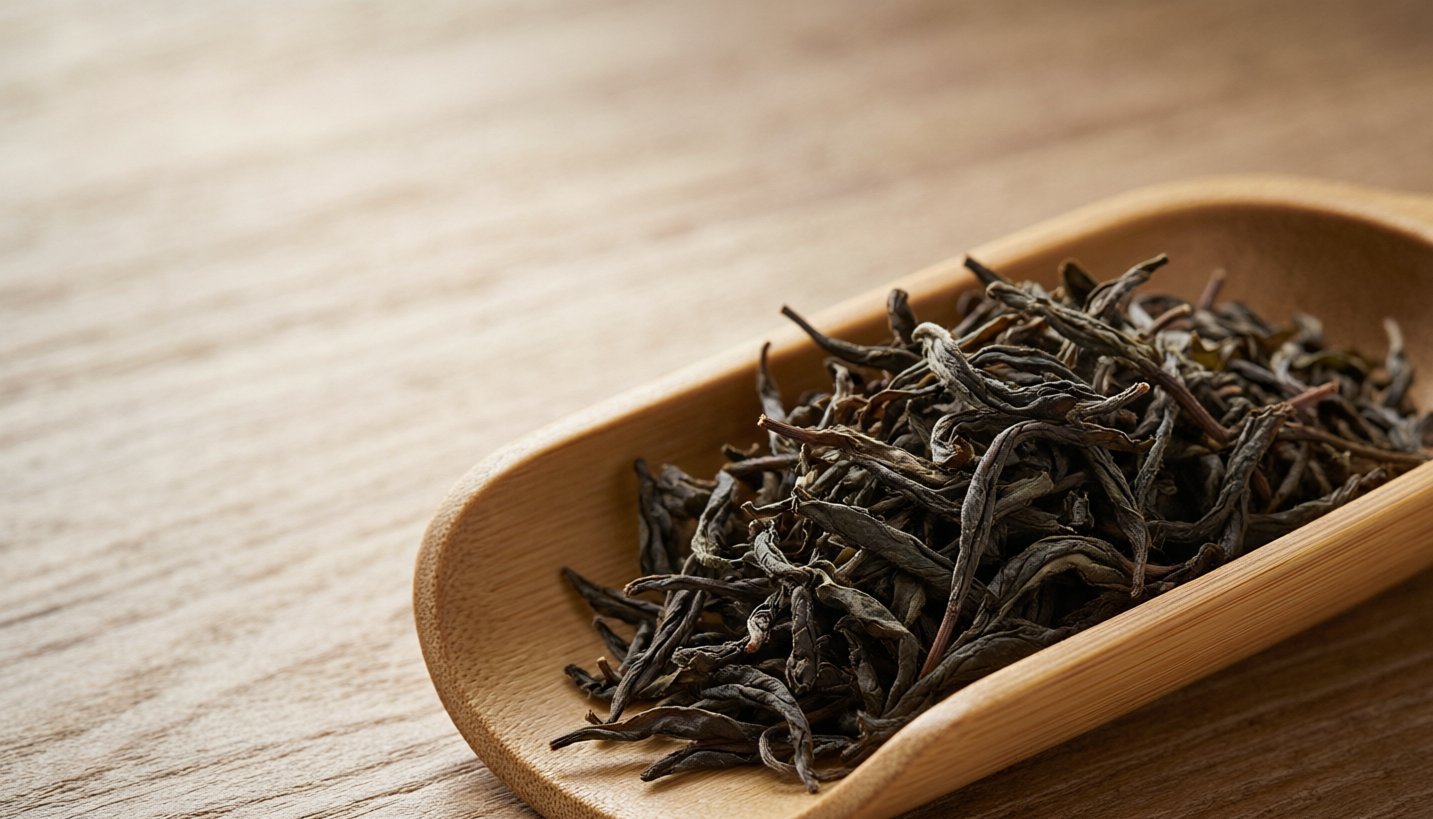
Inspect for uniform twisted dark leaves, consistent size and a clean smoky aroma without a burnt or tarry edge unless that is the grade you ordered. Note the amount of stem, broken leaf and foreign material, because bulk buying price should reflect the cut and sort, not only the grade name. Compare the dry leaf to your retained approval sample under the same light.
Brewed Liquor and Aftertaste
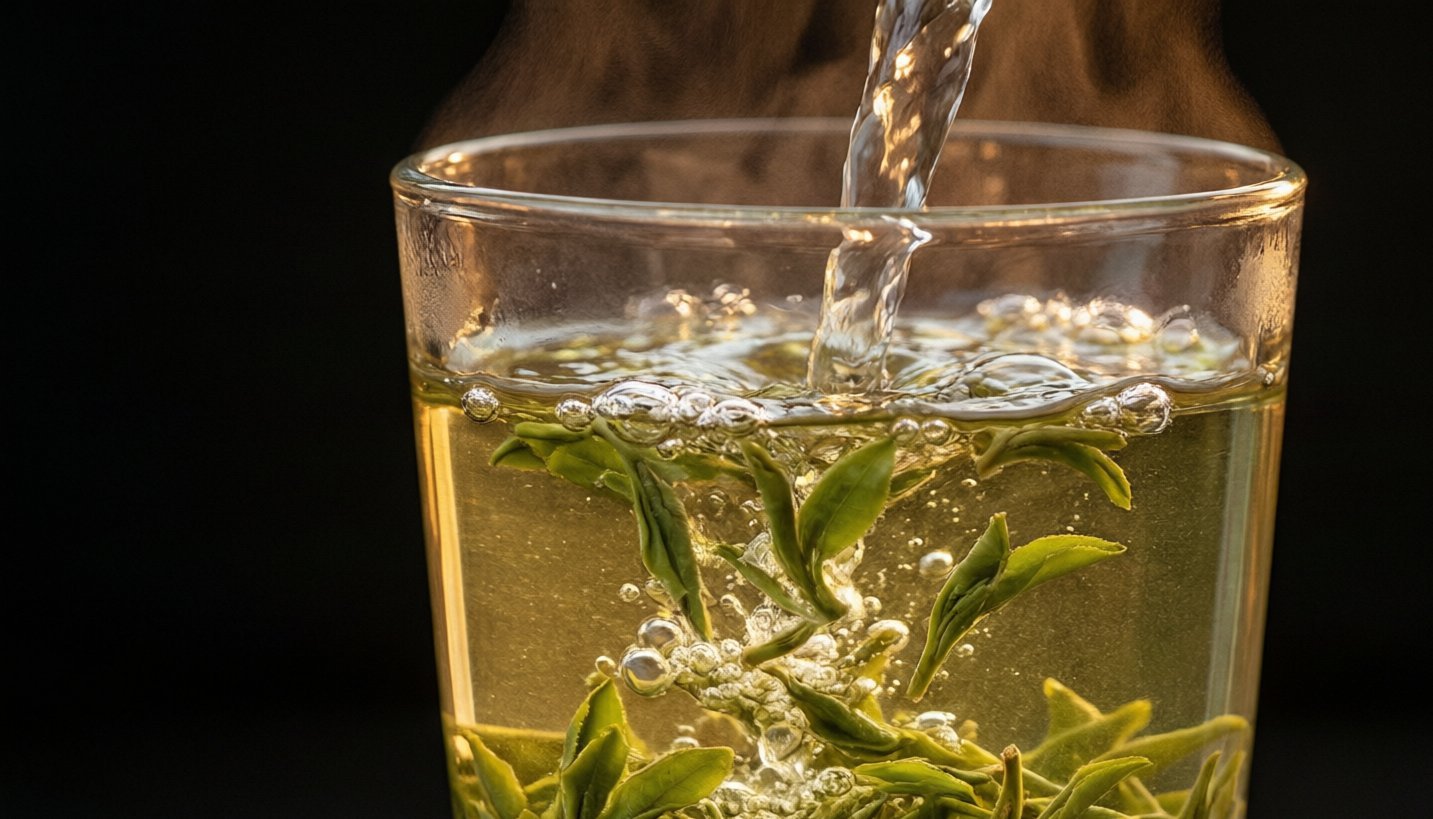
Brew every sample with the same water, ratio, temperature and time. Souchong should show a clear reddish-brown liquor even if the smoke intensity varies. Check whether the smoke comes through as pinewood aroma or as a sharp artificial note, and watch for a soapy, sour or flat finish. The aftertaste matters more than the first sniff because it reveals whether the base tea can support the smoke.
Check Destination Compliance Before Production
Food safety requirements depend on the destination, so confirm current residue limits, labeling and import documents with your importer of record or customs broker. Ask the factory for a laboratory residue report that names the tea, the batch and the method used. If a food safety certification is claimed, request the certificate number, scope and validity rather than a general statement. Souchong's smoke process does not by itself make a lot compliant; raw leaf handling, post-harvest controls and any flavoring materials carry their own requirements. For smoked tea, confirm whether the destination treats the smoke as a traditional process or as an added flavor, because this can change the label and the documents required at the border.
Specify Bulk Packing and Storage Conditions
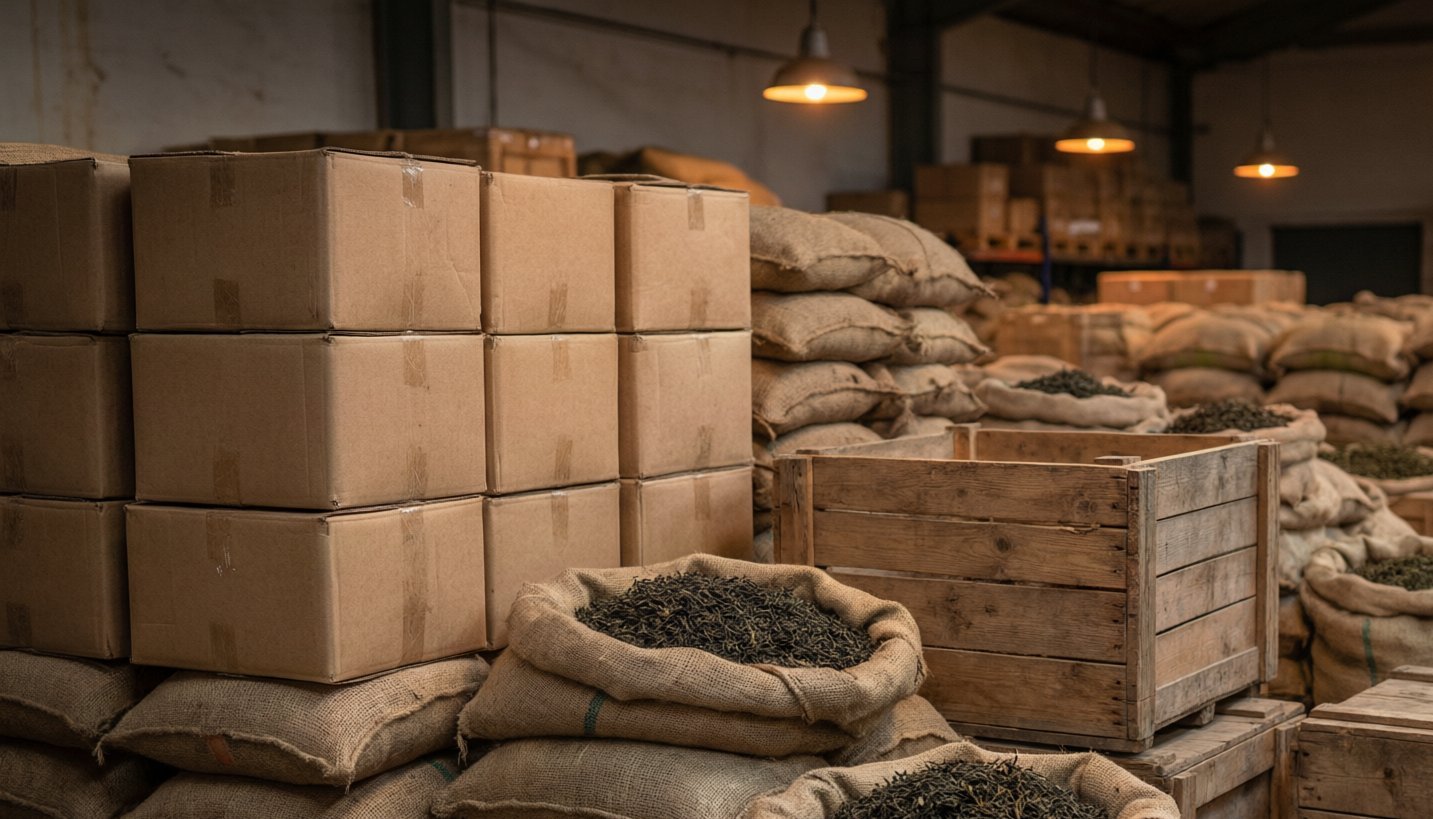
Souchong carries a strong aroma, so specify odor-resistant inner film and clean, dry outer cartons or sacks. Request the supplier's packing diagram: inner bag, unit weight, carton or sack size, pallet count and whether the load is separated from other scented cargo. Ask for the production date, moisture specification and recommended storage range. In your own warehouse, store the tea away from heat, moisture, strong light and other strong-smelling products. If the tea will be repacked into tins, pouches or foodservice packs later, agree on the bulk pack size before the trial order so the incoming format does not force rework.
Qualify the Supplier and Use a Trial Lot
A low sample price is not a guarantee that the production lot will match. Ask the supplier to hold the sealed sample you approved and to compare the finished lot against it before releasing the container. Start with a trial order large enough to expose sorting, packing and transport problems but small enough to limit risk. Clarify whether the seller produced the tea, blended it, or bought and repacked a finished lot, because each route has different traceability. Request batch numbers, packing records and pre-shipment photos of the actual cartons. For the first full container, arrange a third-party inspection or a local representative check before loading.
Move From Sample to Container With a Written Request
When you are ready to compare Souchong bulk offers, send a focused request: the style, leaf grade, smoke process, destination market, order volume and packaging format. Include the lab report, moisture, batch and sample retention requirements you need confirmed before shipment. Contact our Chinese tea suppliers team by email at 427728483@qq.com with those details and we can respond with a comparable quote instead of another generic quality promise.
FAQ
What is the difference between Zhengshan Xiaozhong and Lapsang Souchong?
Zhengshan Xiaozhong is the small-leaf Wuyi original, usually pinewood-smoked and more subtle. Lapsang Souchong is the export term commonly used for a stronger smoke profile, often from larger or blended leaf. Before ordering, ask for the exact trade name and the leaf grade attached to the offer.
Should importers buy smoked Souchong or the unsmoked version for bulk?
Base it on your market. If your customers expect the classic bold smoke, stock the smoked version. If the category is being positioned as a modern black tea or tea base, request the unsmoked or lightly smoked style. Review the sample against your retail or foodservice use before committing to a full lot.
What documents should I request before shipment?
Ask for the laboratory residue report, moisture specification, batch numbers, production date, packing list and a copy of the food safety certification if one is claimed. Confirm with your importer of record whether the destination requires additional documents for smoked or flavored tea.
How can I avoid the sample matching but the production lot tasting different?
Retain a sealed approval sample and compare every pre-shipment photo, batch record and lab result against it. Start with a trial lot, and require a third-party inspection or local representative check before loading. If the supplier cannot hold the reference sample, reduce the order size.
Is Souchong tea suitable for tea bags and foodservice use?
It can be, but the cut size, smoke strength and liquor color need to match the final use. Fine-cut tea bags may require a different leaf grade than whole-leaf retail packs. Share your finished product specification with the supplier and test the actual bulk material in your production process.
No author description available.

白玉京