Laocong Shuixian Tea: What Actually Sets It Apart
Laocong Shuixian tea is not a different tea category. It is Shuixian oolong grown on old bushes, and most of its practical difference appears in texture, aftertaste, and steeping endurance rather than in roast intensity or a dramatically new aroma. Buyers often expect a dark, heavily roasted Wuyi tea with an intense floral blast. The more useful distinction is slower leaf development, lower yield, and a quieter mineral depth that takes several infusions to reveal.
For importers and wholesale buyers, the question is not whether old bush tea sounds better. It is whether the lot can justify the premium and whether the bush-age claim is backed by origin, leaf character, and cup performance. That makes laocong Shuixian a sourcing and quality-control problem as much as a tea story.
What Laocong Shuixian Actually Means
Shuixian is a hardy oolong cultivar grown widely in northern Fujian, especially in the Wuyi Shan area and nearby tea-producing counties. It is used for both everyday Shuixian and more expensive old-bush lots. Laocong simply adds an age signal to the same cultivar. Lao means old, and cong refers to the tea bush or clump.
The term is used loosely across the trade. In practice it usually means bushes at least several decades old, with fifty years or more as a common benchmark, but there is no single legal definition. Some producers use laocong for bushes over thirty years old, while stricter growers reserve it for much older plantings. Buyers should therefore treat laocong as a claim that needs supporting detail rather than a grade with fixed meaning.
Laocong also does not mean wild tea or unmanaged forest tea. Many old bushes are cultivated, pruned, and picked in managed plots. What changes is not cultivation itself. It is the way older root systems and slower growth alter the leaf material.

Why Old Bushes Change the Cup
Old Shuixian bushes tend to produce fewer shoots and smaller, thicker leaves than younger plants. Because the plant is not pushing rapid vegetative growth, the picked leaf often has a different ratio of leaf surface to internal structure. That can carry more concentrated sap, pectin, and mineral character into the finished tea.
The root system matters too. An established bush in Wuyi's rocky, well-drained soils can draw from deeper weathered rock and mineral layers over many years. This does not create a completely different tea, but it tends to deepen the liquor. The result is usually less about a louder floral or roast aroma and more about a dense, almost brothy mouthfeel and a long cooling aftertaste.
The common misunderstanding is that old bush means stronger roast or more bitterness. It does not. A young Shuixian can be roasted heavily and still lack the deep texture of a well-made laocong. Conversely, an old-bush lot can be medium roasted and feel more substantial than a darker young-bush tea. The age affects material and extraction behavior before roasting does its work.
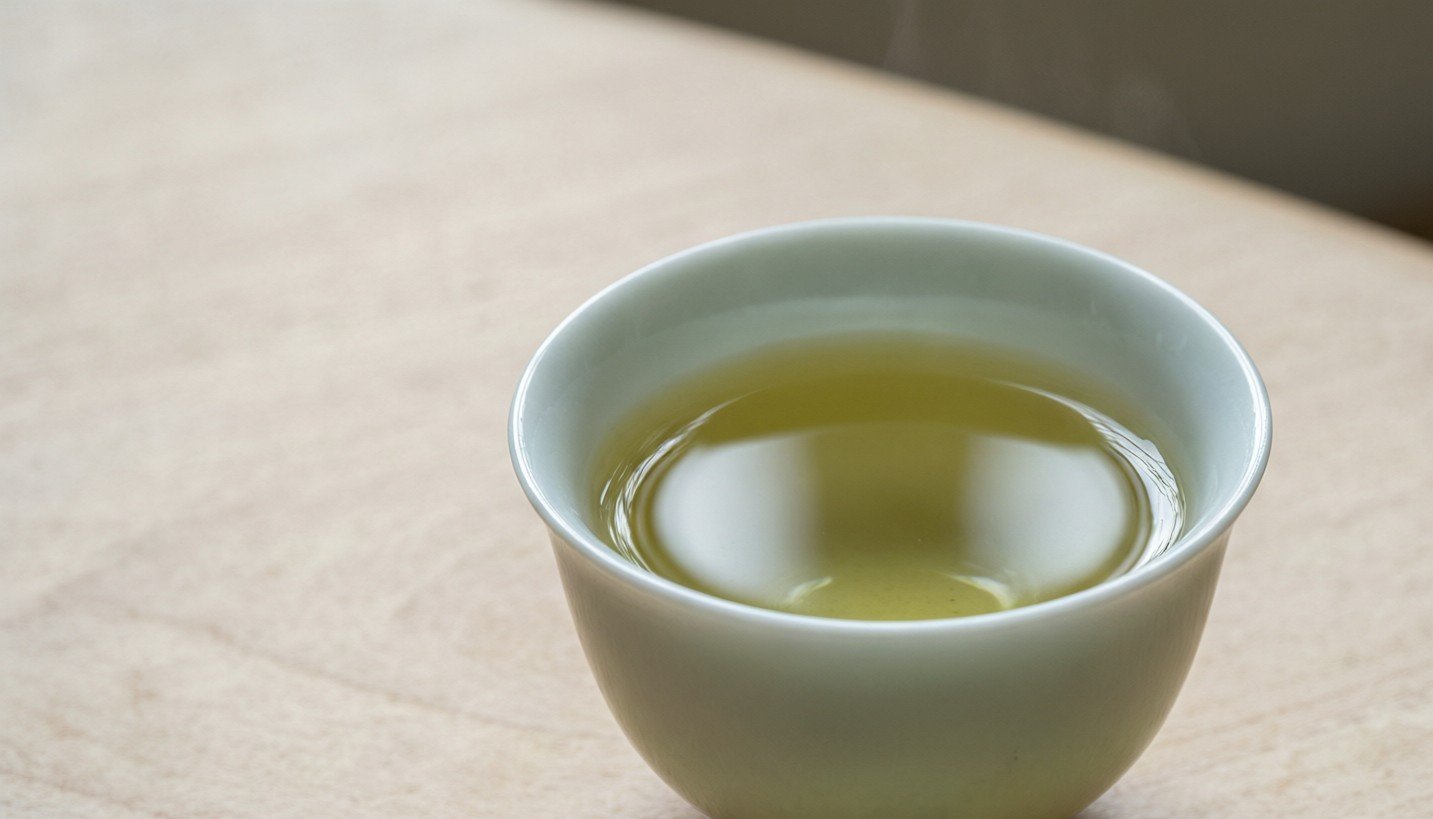
Laocong and Regular Shuixian Compared
The table below is a practical tasting and sourcing guide. It describes typical patterns, not a guarantee for every lot.
| Attribute | Regular Shuixian | Laocong Shuixian |
|---|---|---|
| Aroma | Direct floral, honey, or roast notes | Deeper mineral and woody tones that open more slowly |
| Texture | Smooth but often lighter | Thicker, sometimes brothy or oily |
| Aftertaste | Clean and medium length | Long cooling finish, often with throat feel |
| Bitterness | Can sharpen if over-brewed | More tolerant, but quick steeps still help |
| Steeping stamina | Drops noticeably after several infusions | Holds structure across more infusions |
| Price logic | Quality and roast drive most of the value | Scarcity, age verification, and texture drive the premium |
A buyer should not use age alone as a ranking system. The final result depends on harvest timing, weather, oxidation, roast, storage, and sorting. An excellent young Shuixian can be cleaner and more aromatic than a tired or poorly processed old-bush lot.
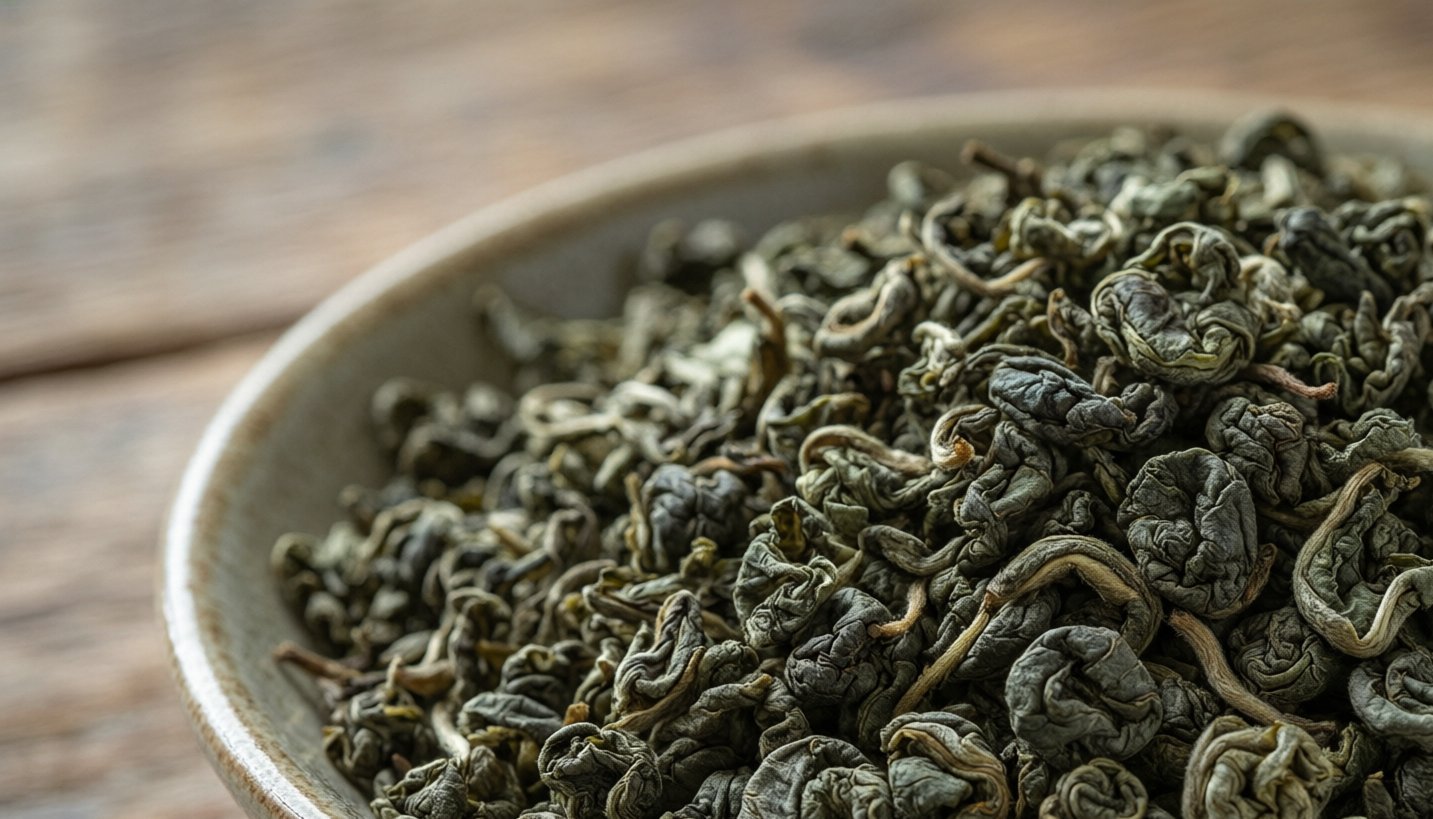
Price, Yield, and Sourcing Risks
Laocong Shuixian is usually more expensive than standard Shuixian for three main reasons. Old bushes yield less leaf per plant, the best plots are limited, and the age claim is difficult to verify. That combination creates real scarcity and also creates room for loose labeling.
The main sourcing risk is dilution. A lot may contain mostly younger Shuixian with a small proportion of old-bush material, yet still be sold as laocong. In other cases the leaves may come from old bushes but be picked too late, roasted unevenly, or blended across several harvest dates. The label then survives while the cup does not.
Importers should ask whether the lot is single-origin or blended, what harvest period it came from, and how the producer documents the bushes. Photographs and videos help, but they only show that old bushes exist somewhere. They do not always prove that the leaves in the sample came from those specific plants.
Price should also be checked against a direct comparison sample. If a laocong lot costs much more than the supplier's regular Shuixian but does not show better texture, length, or steeping stamina, the premium may be mostly narrative.
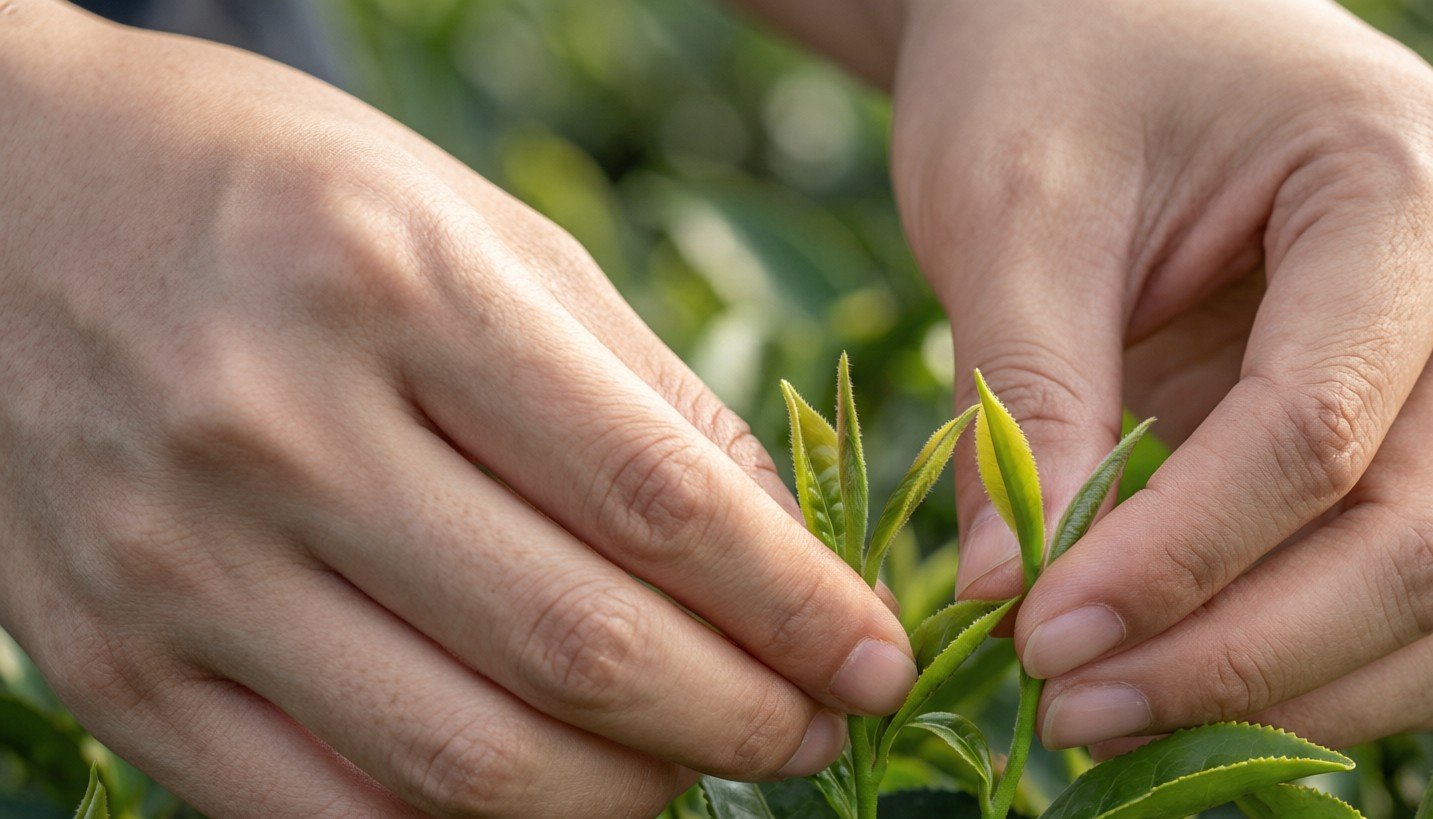
How to Verify a Laocong Claim
There is no single certificate that proves bush age across all tea regions. Verification works better as a combination of paperwork, physical evidence, and cup testing.
First, ask for the growing area and village or plot name. A specific origin is more useful than a general claim such as Wuyi rock tea. Second, ask how the producer defines laocong for that lot. If the supplier cannot state the age basis, the term is being used loosely. Third, request the harvest date and lot size. Very large laocong lots should raise questions, because old-bush picking is labor-intensive and typically limited.
The leaf itself can give clues. Old-bush Shuixian often has thicker, more irregular leaf edges and a darker, more weathered look after processing, though this varies with roast and sorting. The more reliable test is still comparative cupping. Brew the laocong alongside the supplier's regular Shuixian from the same producer and harvest period. Focus on texture, aftertaste length, and how the tea behaves across several infusions.
No document should override the cup, but a clear origin and lot description reduce the chance of paying a story premium.
Brewing and Sample Evaluation
Laocong Shuixian responds well to gongfu brewing with near-boiling water and a high leaf-to-water ratio. A common baseline is around 5 grams per 100 milliliter gaiwan, with a quick rinse and short early infusions. The point is to let the tea release gradually rather than forcing everything out in one long steep.
The rinse is worth keeping because the leaves often need one infusion to open their deeper profile. After the rinse, start with ten to twenty seconds and adjust upward as the tea begins to soften. If the liquor turns sharp, reduce the steep instead of lowering the water temperature.
For sample evaluation, compare the candidate lot with a control Shuixian under identical brewing. Taste for mouthfeel, cooling aftertaste, mineral persistence, and the number of infusions before the tea becomes thin. Those characteristics are more useful than whether the lot smells roasted or floral in the first minute.
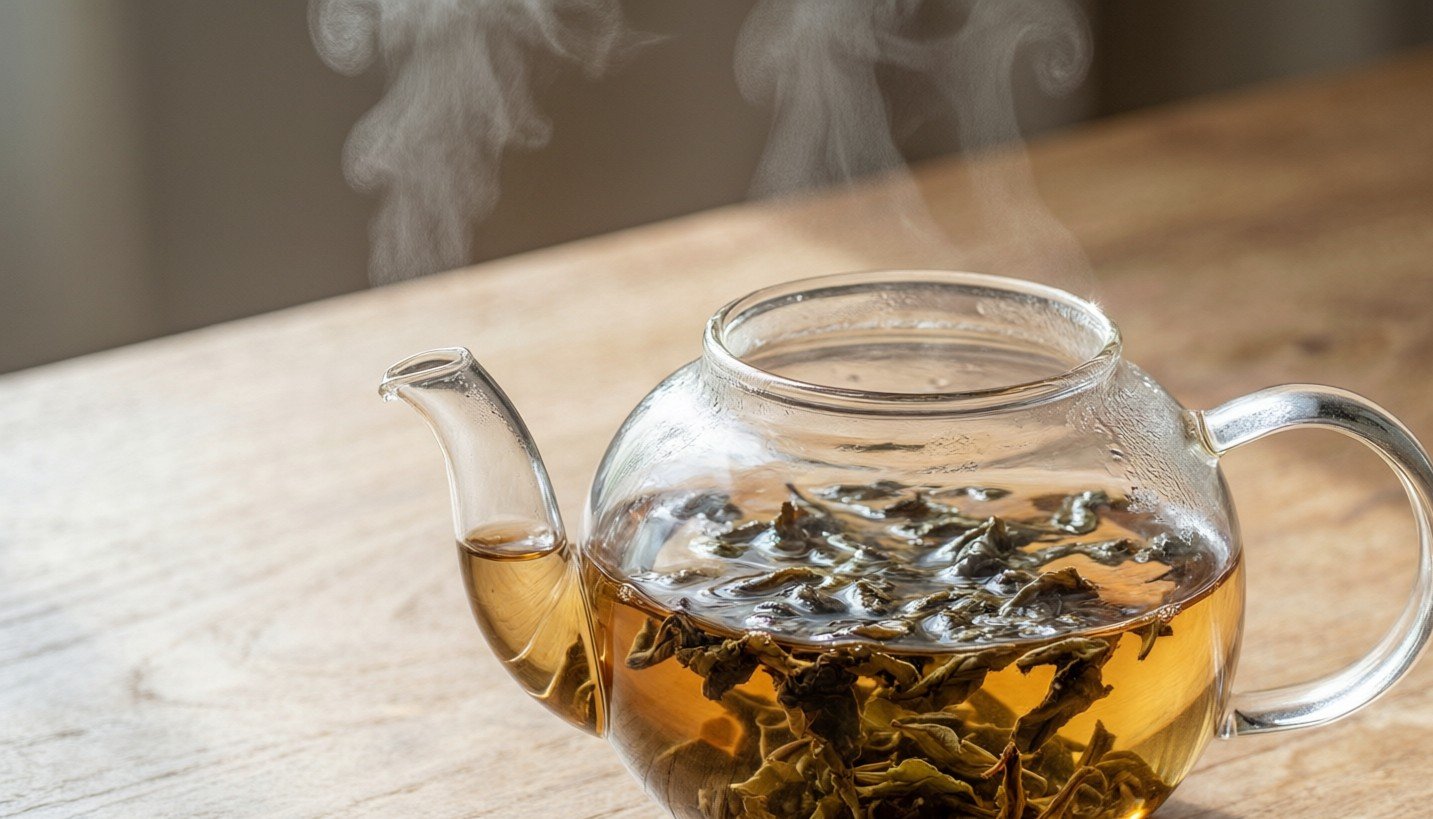
What to Ask Before Ordering Laocong Shuixian
A practical sourcing request should cover origin, age basis, harvest window, lot size, and a comparison sample. Ask the supplier to specify the village or plot, the approximate age of the bushes, the picking date, the total available quantity, and whether the lot contains only old-bush material. Request both the offered laocong and a regular Shuixian from the same producer for side-by-side evaluation.
If you are sourcing for wholesale, private label, or retail programs and need clearer documentation on a specific laocong Shuixian lot, contact Chinese tea suppliers at 427728483@qq.com.
FAQ
Is laocong a separate type of tea?
No. It is Shuixian oolong made from old bushes. The cultivar and processing family are the same as regular Shuixian, with age and material quality creating the difference.
Does older bush always mean better flavor?
No. Age can improve texture and depth, but harvest timing, weather, processing, roast, and storage still decide the final cup. A poorly made old-bush lot is not automatically better than a well-made young-bush Shuixian.
How can buyers tell a genuine old-bush lot?
Look for a specific growing area, a clear age basis from the producer, a harvest date, a plausible lot size, and leaf character that matches old-bush material. The most reliable check is side-by-side cupping against a regular Shuixian from the same producer.
How should laocong Shuixian be brewed?
Use near-boiling water, a high leaf ratio, a quick rinse, and short early infusions in a gaiwan or small teapot. Extend the steeps gradually as the tea softens, and judge quality by texture and aftertaste rather than first-sip aroma alone.
Why is laocong Shuixian more expensive?
Old bushes yield less leaf, the better plots are limited, and genuine age is difficult to verify. The premium reflects scarcity and sourcing effort, but buyers should confirm that the cup supports the price before ordering.
No author description available.

白玉京