Rougui Black Tea Terroir: Soil, Altitude & Climate
Rougui black tea terroir is not a uniform flavor stamp. It is the way Wuyi Mountain's weathered rock soils, steep planting sites, and cool mist-heavy climate combine to change how the Rougui cultivar builds aroma, bitterness, body and finish. A leaf grown on a thin rocky slope with good drainage and filtered light tends to accumulate more of the aromatic intensity and mineral length buyers call classic Rougui, while a lowland or overfertilized planting can taste broader but flatter. Terroir is only one input. Harvest date, withering, oxidation, rolling and firing still decide the final cup. The practical point for buyers is to use soil, altitude and climate as sorting clues, not as a guarantee of quality or authenticity.
What Rougui Black Tea Terroir Actually Means
Terroir describes the growing environment that influences the leaf before harvest. For Rougui black tea, the most useful signals are soil structure, altitude, slope direction, cloud cover, humidity and the daily temperature range. These factors do not act alone. They shape how fast the plant grows, how much water and nutrient it takes up, how the leaf thickens, and which aroma precursors develop before processing begins.
A useful way to think about Rougui terroir is as the raw material ceiling. A well-drained rocky site with cool nights can produce leaf with more concentrated solids and better aromatic potential. A flat, rich, heavily watered site may produce more leaf weight but less intensity. That does not mean the rocky site is automatically better. Poor picking, uneven oxidation or careless firing can still ruin promising raw leaf. The environment sets the range; processing decides what actually reaches the cup.
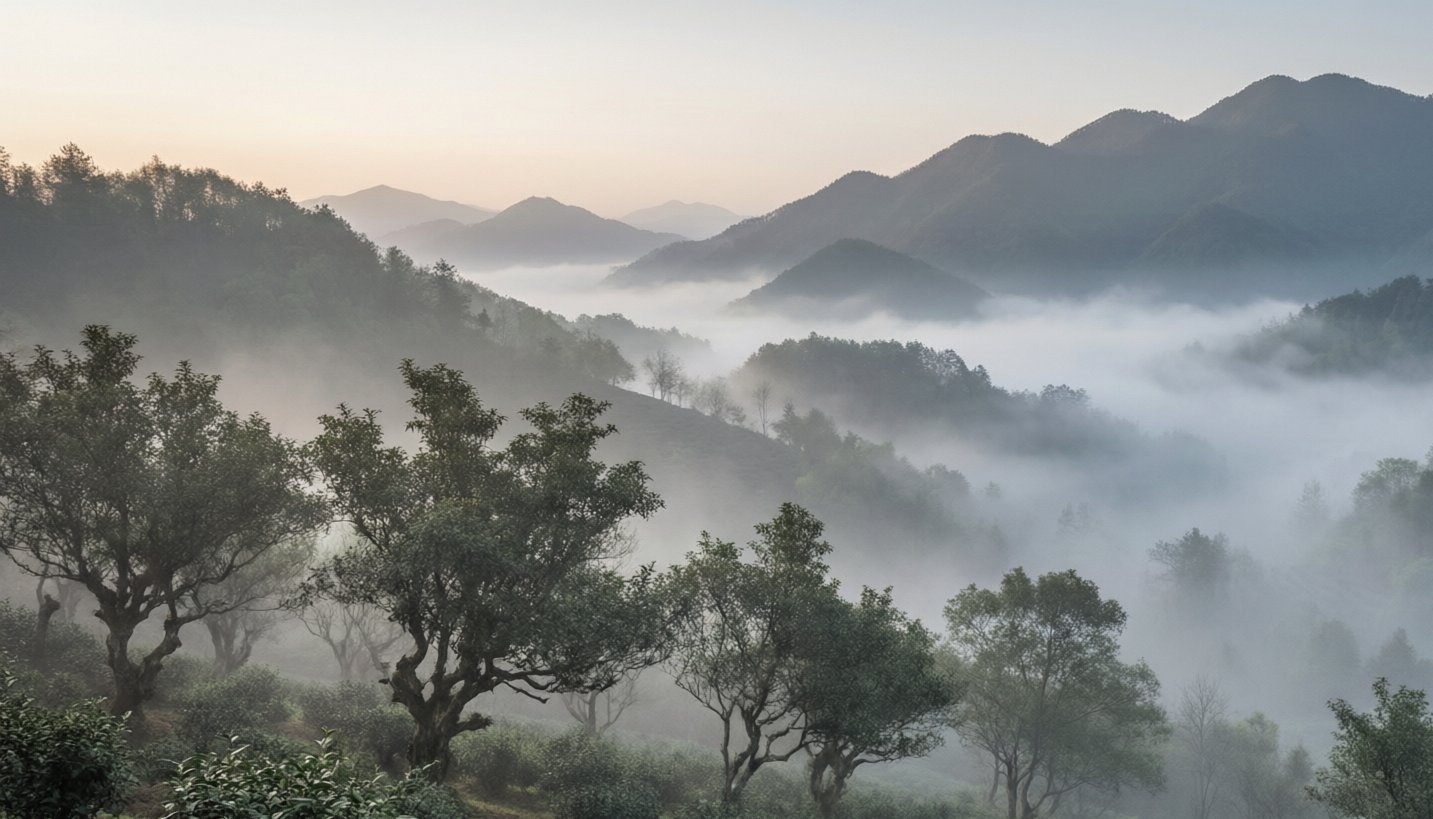
How Wuyi Mountain Soil Shapes Rougui Aroma
The classic Rougui growing areas sit on decomposed granite and volcanic rock, often with sandy or gravelly soil that drains quickly. Fast drainage forces the plant to develop more slowly instead of growing lush and watery. That slower growth is part of why well-placed Rougui leaf can carry a cinnamon-like warmth, a clear mineral edge, and a long finish. The mineral character does not come from the leaf literally absorbing rocks. It comes from nutrient balance, water stress, and the way the plant concentrates its compounds under those conditions.
Soil also changes mouthfeel. Tea from deeper clay soil can feel fuller and rounder, while tea from sandy rock soil can feel more structured and dry on the finish. Neither is universally better. Buyers should connect soil character to the cup profile their market wants. A consumer market that prefers immediate sweetness may accept a softer clay-soil lot, while a specialty buyer looking for yancha style structure may prefer the rocky soil character.
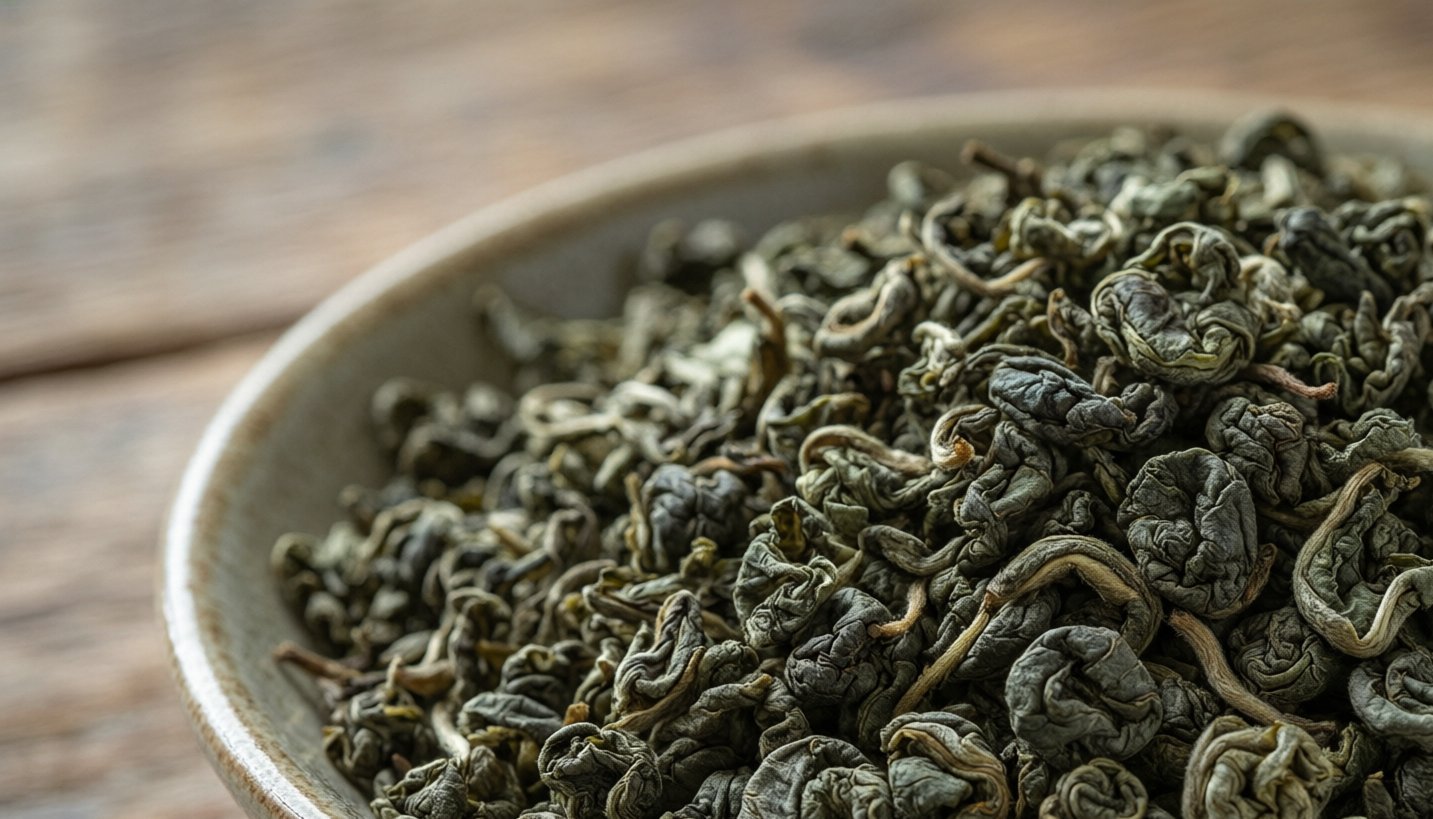
Altitude Changes the Leaf, Not Just the Price
Higher planting sites tend to have cooler air, stronger day-to-night temperature swings, and more frequent mist. Cooler nights slow respiration, which can help the leaf retain aromatic compounds instead of burning through them. Slower growth also produces smaller, thicker leaves that often give more concentrated tea. That is why higher altitude Rougui material can carry better fragrance and a more persistent aftertaste.
Altitude is not a simple ranking tool. Very high, exposed sites can reduce yield and produce thin or heavily stressed leaf, especially when frost or wind damage occurs. A mid-elevation slope with good shade and drainage can outperform a higher but exposed site. Buyers should ask for the growing area and harvest condition rather than treating altitude as a fixed grade number.
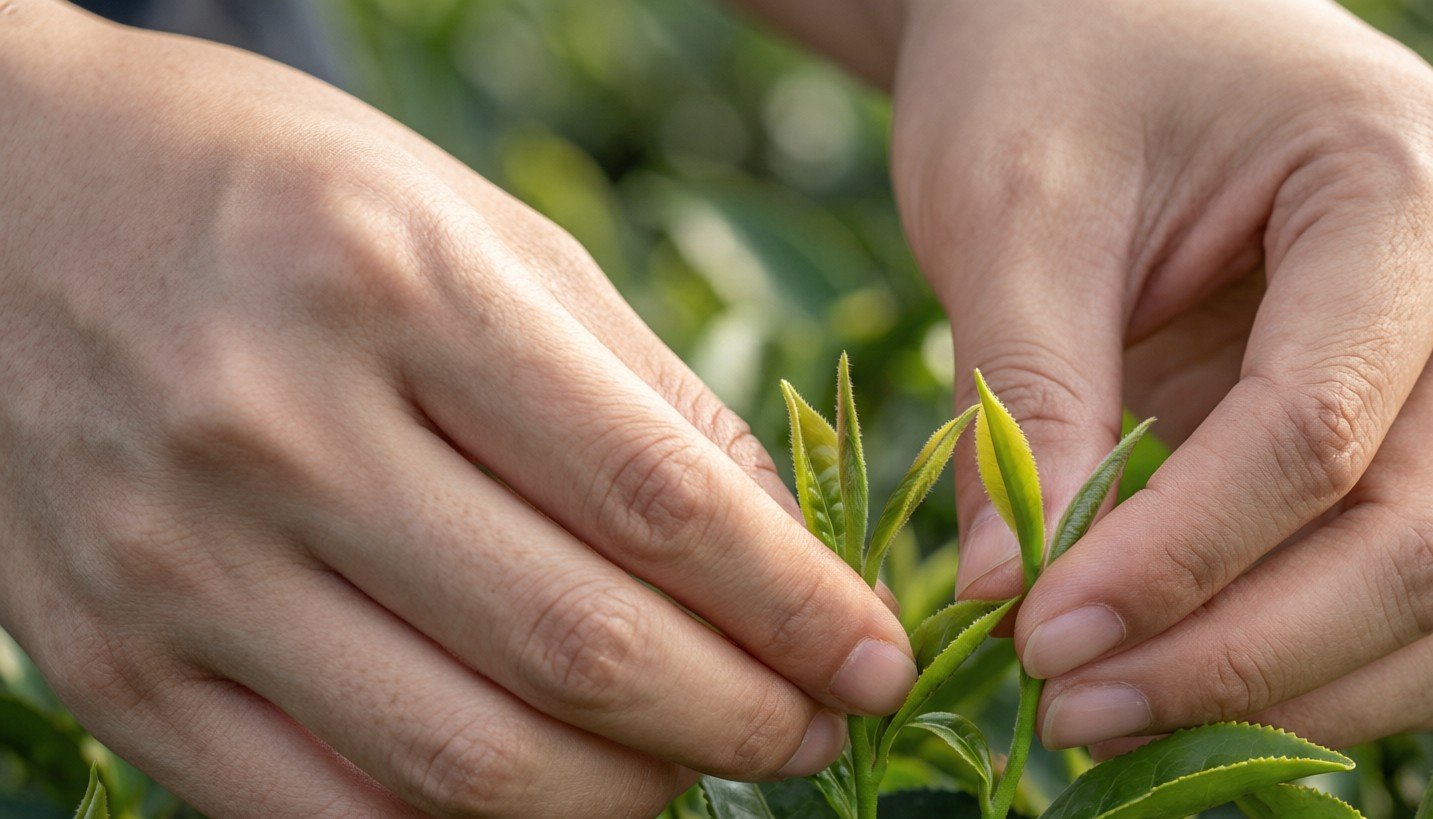
Climate and Mist Slow the Flavor Build
Wuyi's humid, mist-bound climate matters because it softens sunlight and keeps leaf surfaces from drying too quickly. Diffused light can lower harsh bitterness and support cleaner aroma development. Frequent mist also stabilizes moisture around the leaf, which helps it build slowly during the shoot stage. Heat that arrives too early or too hard can push leaf toward faster growth and flatter flavor, especially in lower sites with less shade.
The daily temperature range is another important mechanism. Warm days support photosynthesis, while cool nights reduce respiration loss. When that range is stable through the final weeks before picking, the leaf often carries better sweetness and clarity. If rain or heat arrives at the wrong time, the same plot can produce a less focused cup. This is one reason two harvests from the same slope can taste different even before processing choices enter the picture.
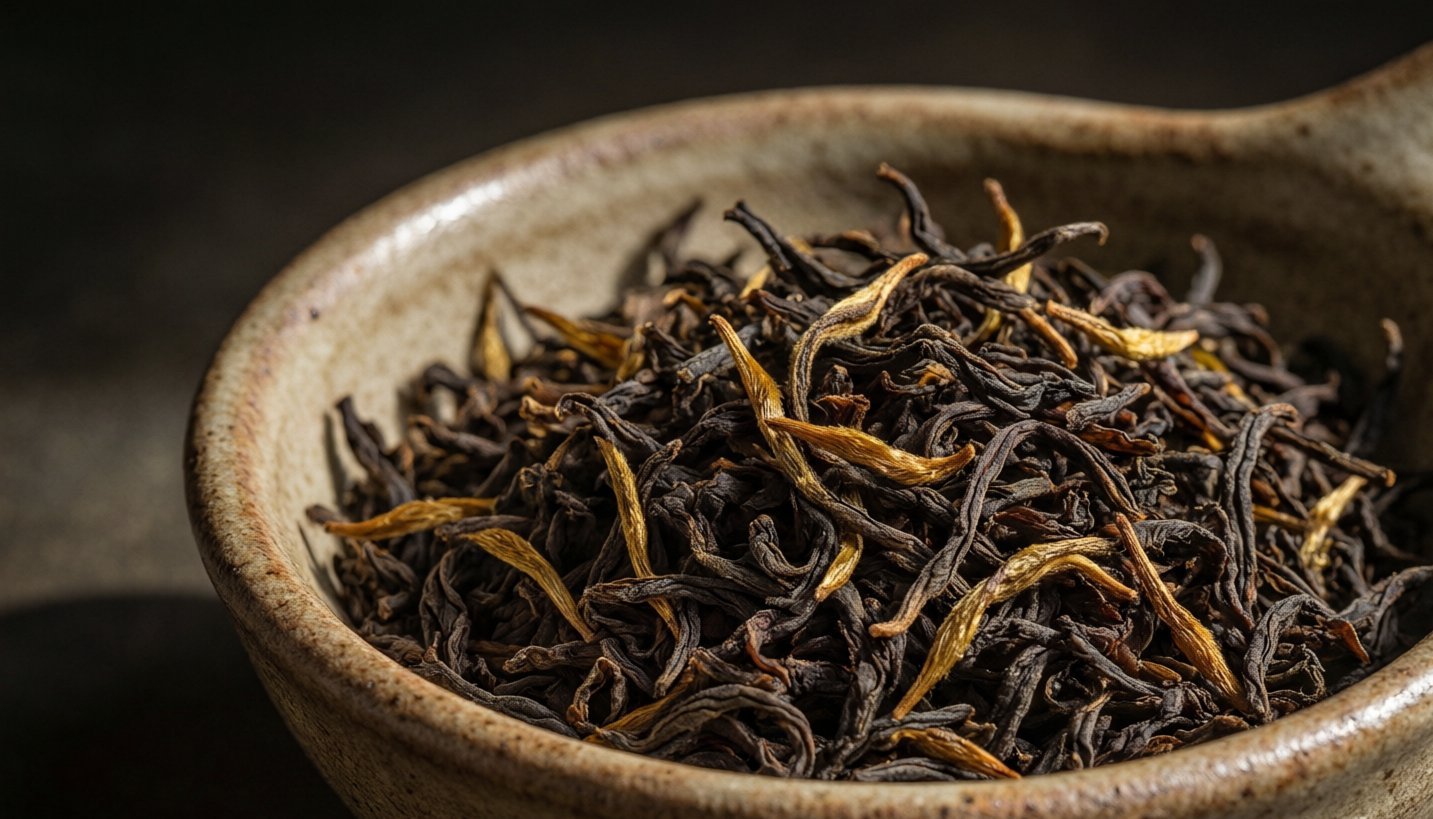
How to Read Micro Terroir When Buying Rougui
In the trade, buyers often separate zhengyan, banyan and broader Wuyi material. Zhengyan generally refers to the core cliff and rocky valley area, banyan to the outer rock area, and wider labels to less protected or lower-elevation sourcing. These are market sorting categories, not measured quality grades. A zhengyan lot can still be poorly made, and a strong banyan lot can outperform it in the cup.
The table below separates what terroir can explain from what buyers should not infer.
| Terroir signal | What it can explain | What it cannot prove |
|---|---|---|
| Thin rocky soil | Slower growth, lower yield, more concentrated leaf solids | That every lot from rocky soil will be high grade |
| High altitude exposure | Cooler nights, longer maturation, more aromatic potential | That higher altitude guarantees a better cup |
| Mist and cloud cover | Softer sunlight, higher humidity, slower drying | That mountain tea is automatically sweeter |
| Slope orientation | Differences in drainage speed and light exposure | That one orientation defines a uniform flavor |
| Harvest timing | Whether leaf is young and tender or older and woodier | That a harvest date alone certifies terroir |
The safest buying approach is to treat terroir language as a testable set of questions. Ask where the lot was grown, which altitude band it came from, whether it is single-area or blended, and how the supplier describes the cup difference between that lot and a lower-priced alternative. Then verify with samples.
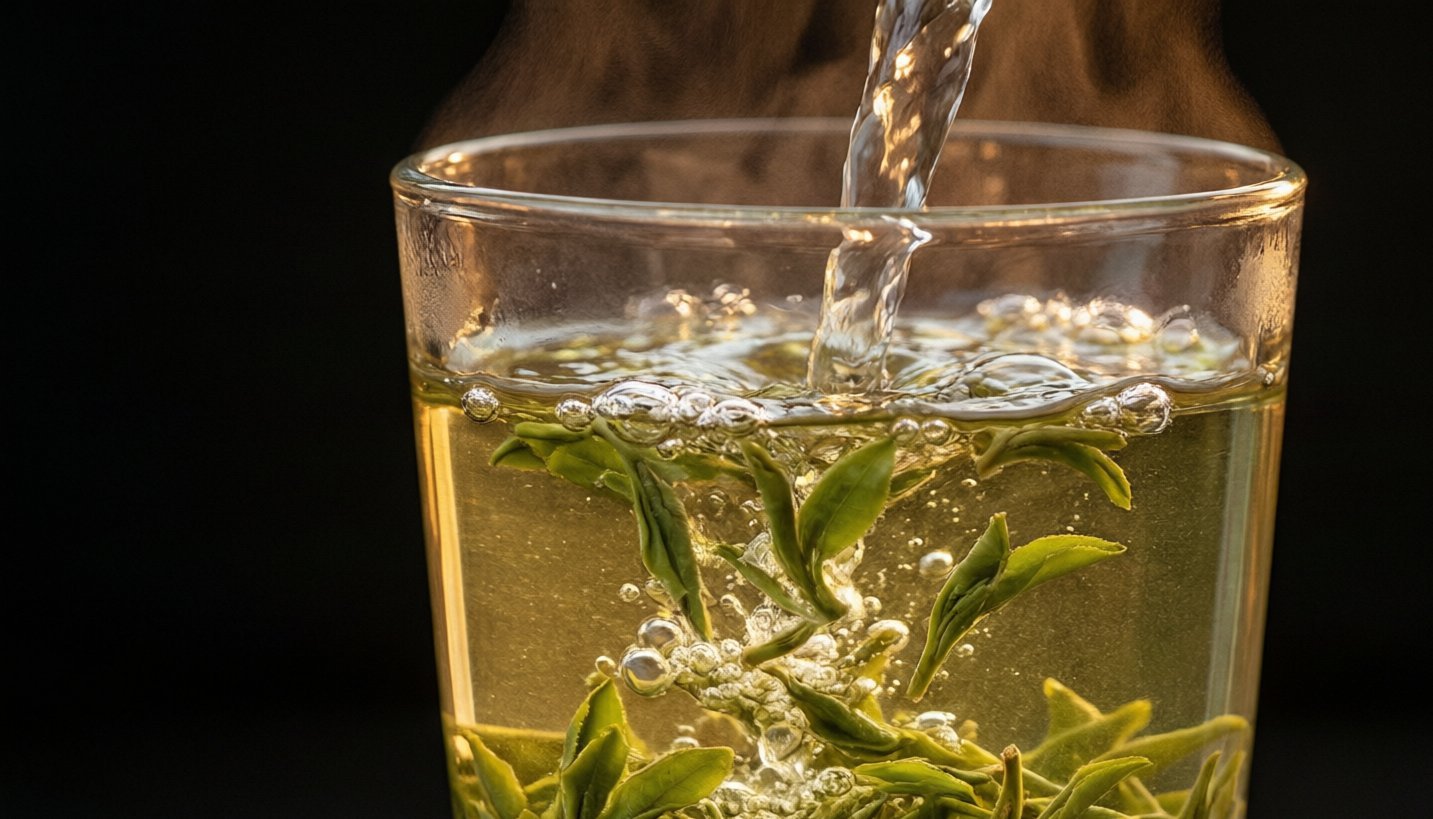
Tasting Terroir Without Overpaying for a Story
Terroir should show up in the cup as a pattern, not as a story on the label. In Rougui black tea, look for a warm cinnamon or baking-spice quality that is supported by the tea's body and finish. A well-placed lot often has a mineral or rocky aftertaste that stays clean instead of turning sour or papery. Astringency should resolve into sweetness rather than sitting on the tongue.
If the label promises a famous growing area but the sample tastes flat, muddy or heavily roast-masked, the terroir claim has not delivered. That does not prove the origin story is false, but it does mean the lot should be judged on its current cup. Buyers comparing lots should cup them side by side at the same strength and temperature, then note aroma, texture, aftertaste length and how the tea changes across infusions. This gives a clearer view of terroir than any geographic name alone.
Sourcing Rougui Black Tea With Better Terroir Signal
Before you commit to a Rougui black tea lot, ask the supplier to confirm the growing area, altitude band, harvest season, and whether the lot is single-origin or blended. Then compare samples against the cup markers in this guide: warm cinnamon-like aroma, mineral finish, clear aftertaste, and astringency that resolves into sweetness instead of sitting on the tongue. For help building a comparison set or confirming which Wuyi grades fit your market, contact Chinese tea suppliers at 427728483@qq.com. Include your target region, price band, batch size, and preferred cup direction so the first sample round is more useful.
FAQ
Is higher altitude always better for Rougui black tea?
No. Higher altitude often helps aromatic development by slowing growth and increasing the day-to-night temperature range, but exposed high sites can suffer wind, frost and low yield. A protected mid-elevation slope with good drainage can easily outperform a stressed high-altitude plot. Use altitude as a clue, not as a substitute for cupping.
Can Wuyi soil character be imitated elsewhere?
Partially. Other regions can grow tea on weathered rock or sandy soil and produce mineral, structured cups with similar mechanisms at work. What is difficult to copy is the specific combination of Wuyi's soil base, mist, temperature range and local processing habits. Buyers should compare the actual cup profile first and treat geographic claims as supporting information, not proof of quality.
Does terroir matter more than processing for Rougui black tea?
For black tea, oxidation and firing strongly shape the final sweetness, cinnamon warmth and roast character. Terroir sets the ceiling and gives the raw leaf its structural potential, but processing decides how much of that potential survives. A strong terroir cannot fix uneven oxidation or careless firing, and skilled processing cannot fully replace weak raw material.
What should I ask a supplier about Rougui terroir?
Ask for the growing area, altitude band, harvest season, and whether the lot is single-area or blended. Also ask for a comparison sample: the same supplier's lower-priced lot, if available, is more useful than an abstract origin description. Cup the samples side by side and judge aroma, texture, finish length and how the tea changes across infusions.
No author description available.

白玉京